Analyzing data Numbers Worksheets for Ages 4-8
3 filtered results
-
From - To
Discover our engaging "Analyzing Data Numbers Worksheets" designed for children aged 4-8! These interactive resources help young learners grasp essential math concepts through fun activities that encourage data interpretation and analysis. Our worksheets promote critical thinking as kids practice sorting, classifying, and comparing various sets of information. With vibrant visuals and age-appropriate tasks, children will enjoy cultivating their analytical skills while enhancing their understanding of numbers. Perfect for home or classroom use, these worksheets support early math learning by making data analysis exciting and accessible. Start your child’s journey to becoming a smart, data-savvy learner today!
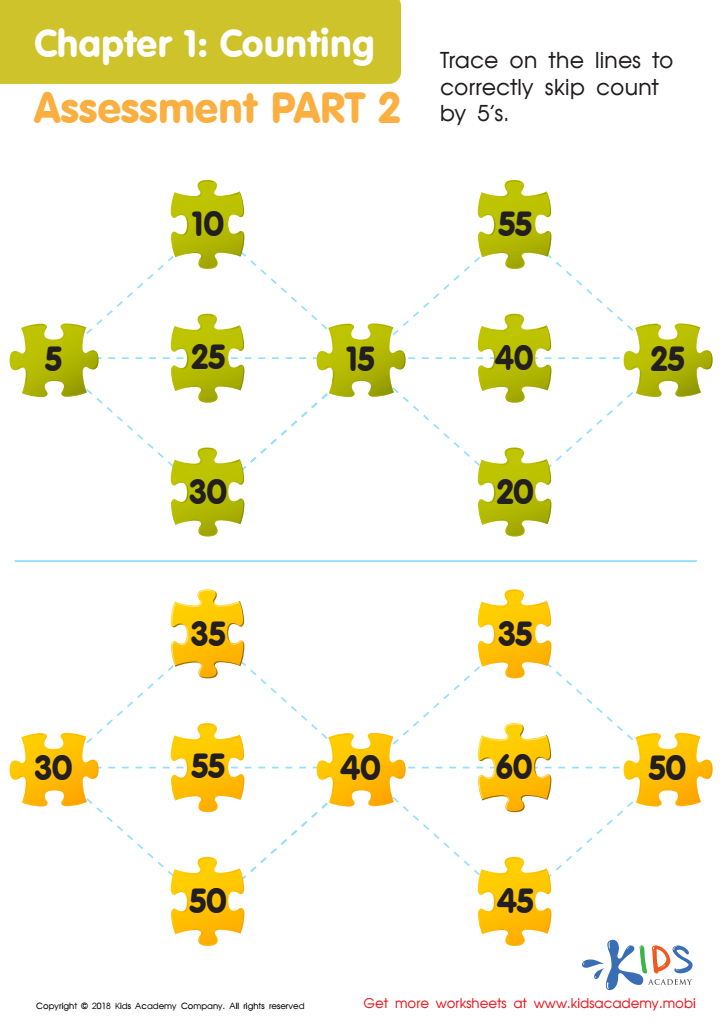
Counting: Assessment 2 Worksheet
 Assign to My Students
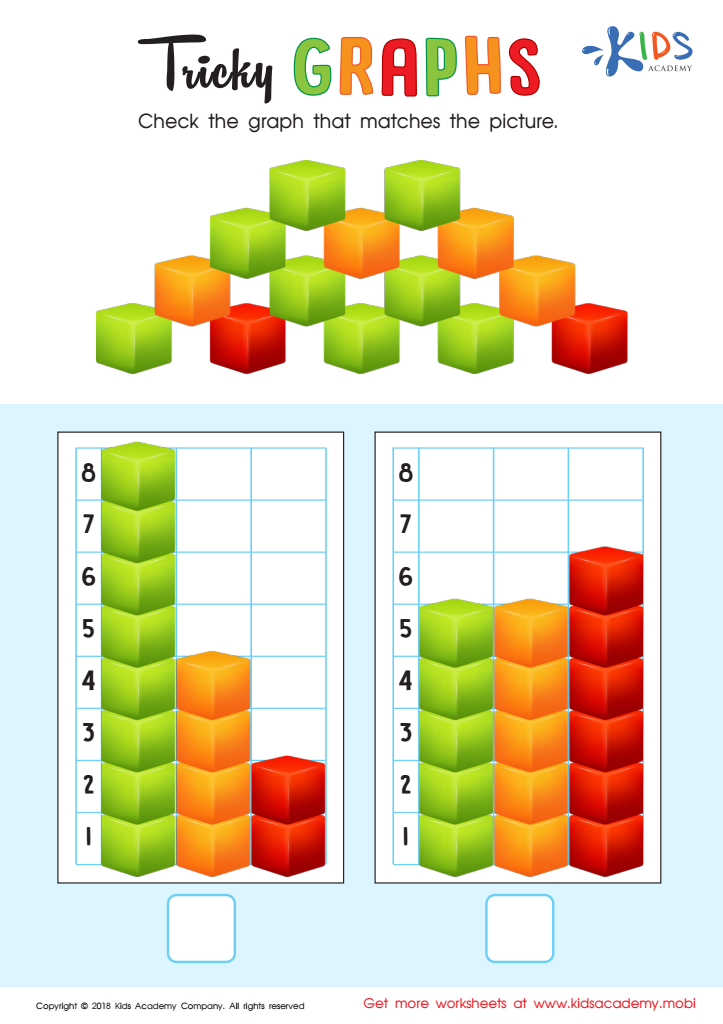
Tricky Graphs Worksheet
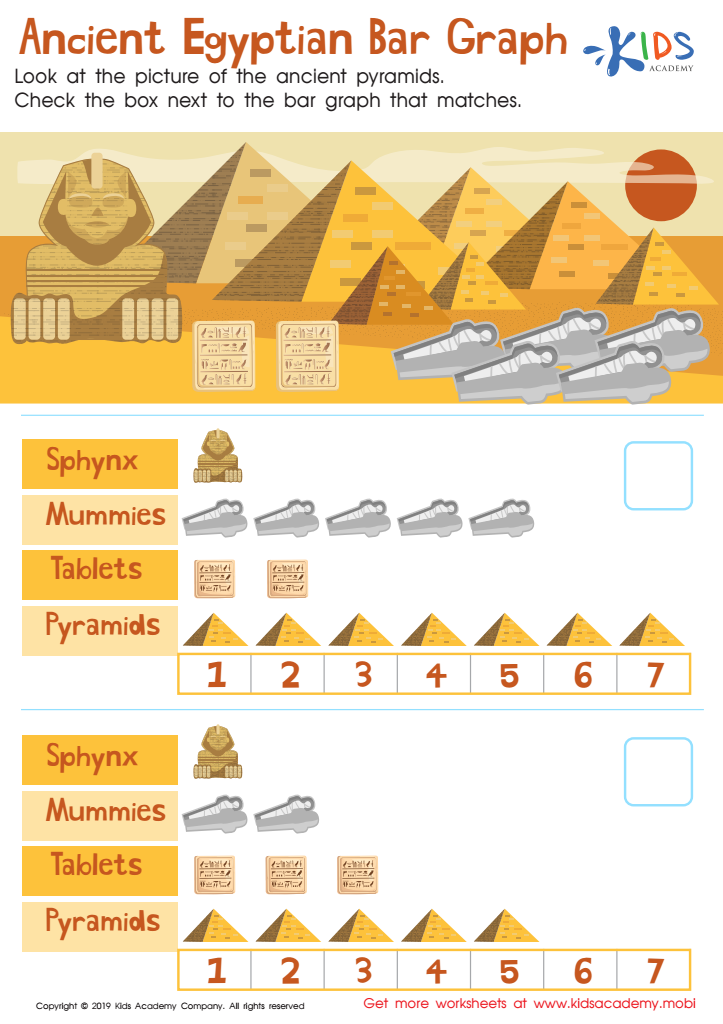
Egyptian Bar Graph Worksheet


.jpg)





Analyzing data and numbers is a foundational skill for children ages 4-8, and it is essential for parents and teachers to prioritize this learning. Early exposure to data analysis helps develop critical thinking and problem-solving abilities. By engaging with numbers, children learn to observe patterns, make comparisons, and draw conclusions, which fosters logical reasoning.
Moreover, understanding data enhances literacy and numeracy skills. Children learn to interpret and communicate information effectively, laying the groundwork for advanced mathematical concepts later in life. Through fun and interactive activities—such as sorting objects, categorizing, or working with basic graphs—parents and teachers can encourage a love for learning and exploration in young learners.
Additionally, analyzing data can help children make informed decisions and understand their environment better. For example, they may analyze their daily routines or preferences, reinforcing the idea that their observations have significance. By encouraging data-driven conversations, parents and educators can cultivate a growth mindset, promoting resilience and curiosity.
In a world increasingly driven by data, equipping children with these skills ensures they are prepared for future academic challenges and the complexities of modern life. Therefore, investing in developing data analysis skills at an early age is crucial for their overall development and success.








