Basic addition practice Numbers Worksheets for Ages 4-8
6 filtered results
-
From - To
Boost your child's math skills with our Basic Addition Practice Numbers Worksheets for Ages 4-8! Designed to make learning fun and effective, these engaging worksheets help young mathematicians grasp basic addition concepts effortlessly. Each worksheet features colorful illustrations and simple problem sets, fostering a positive learning environment. Ideal for preschoolers and early elementary students, our worksheets enhance number familiarity and arithmetic confidence. Transform math practice into an enjoyable adventure today with our carefully crafted resources – perfect for home or classroom use. Download now from Kids Academy and watch your child's math skills soar!
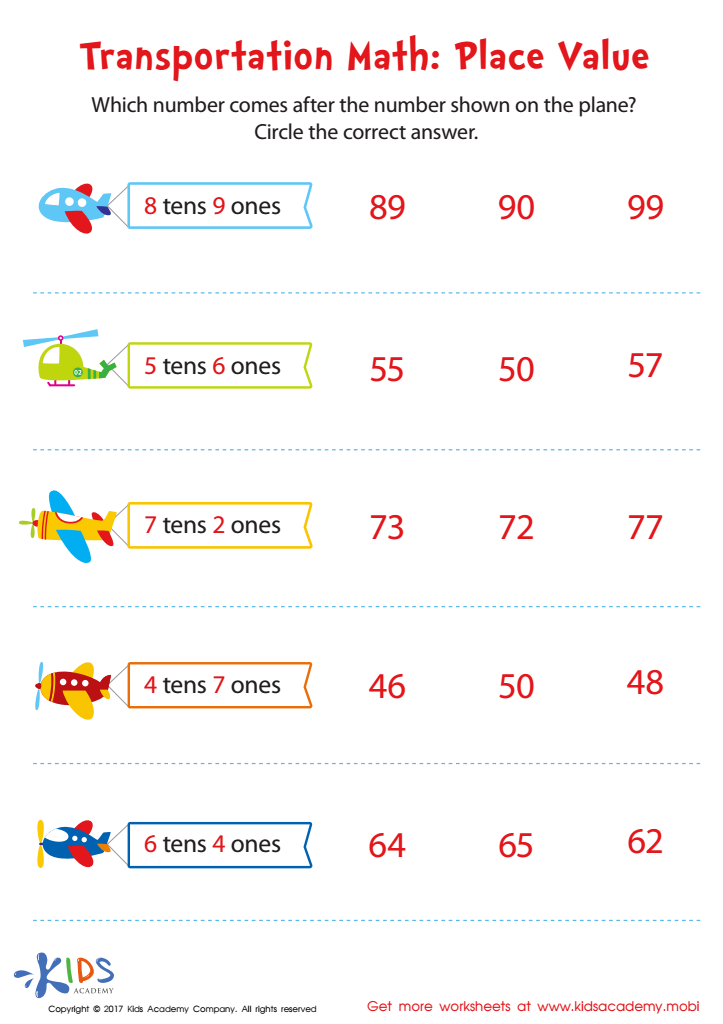
Transportation Math Printable
 Assign to My Students
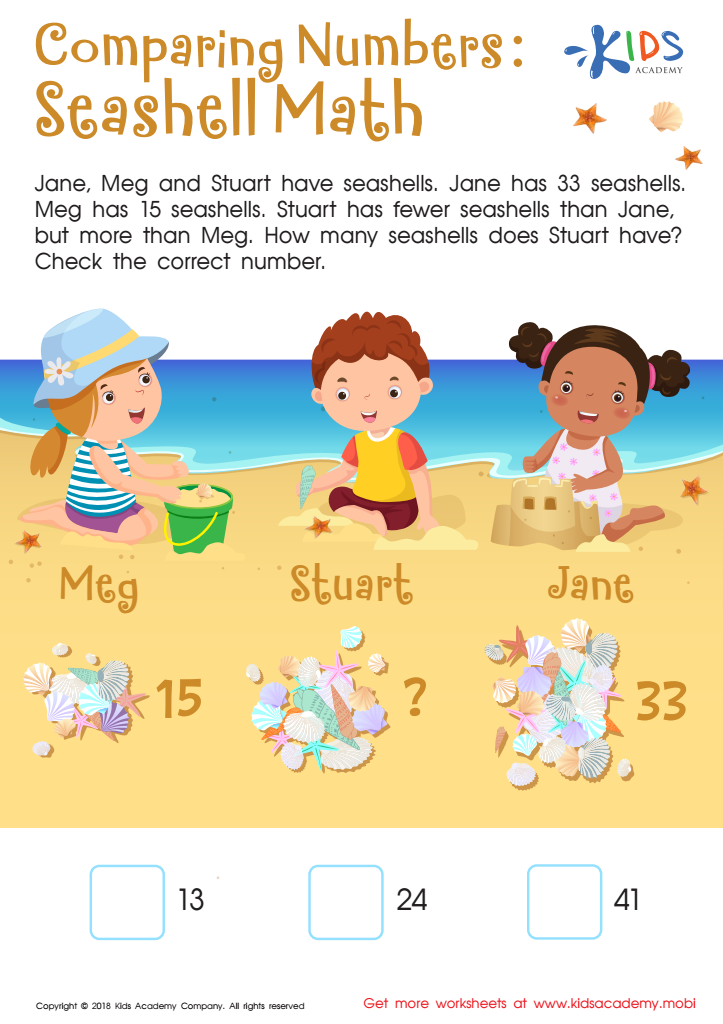
Seashell Collectors Worksheet
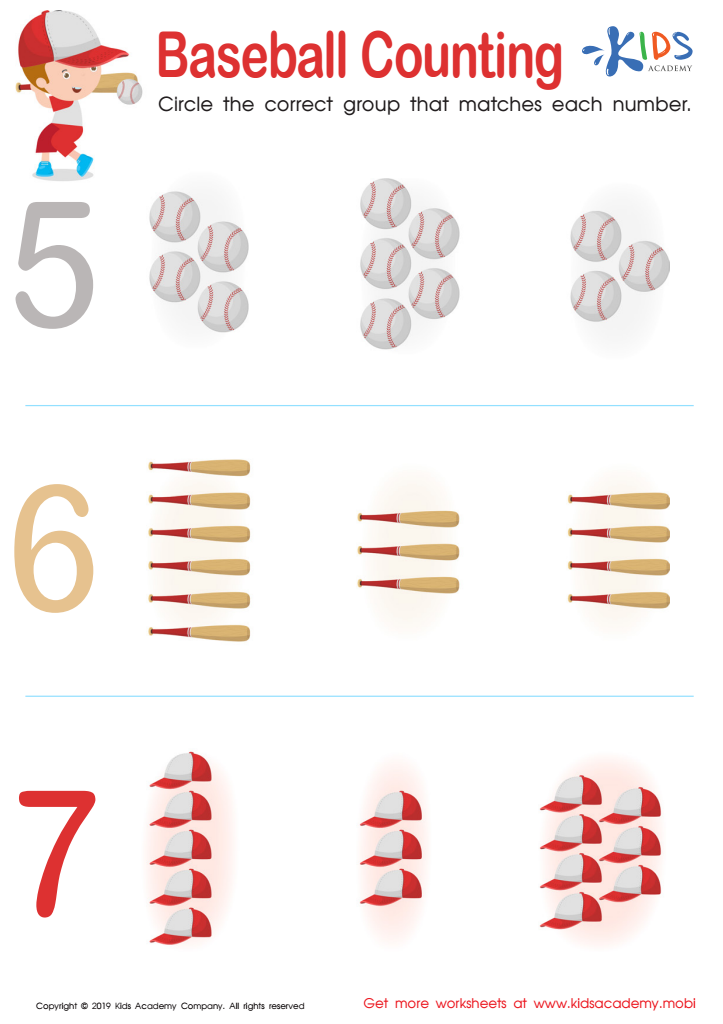
Baseball Counting Worksheet
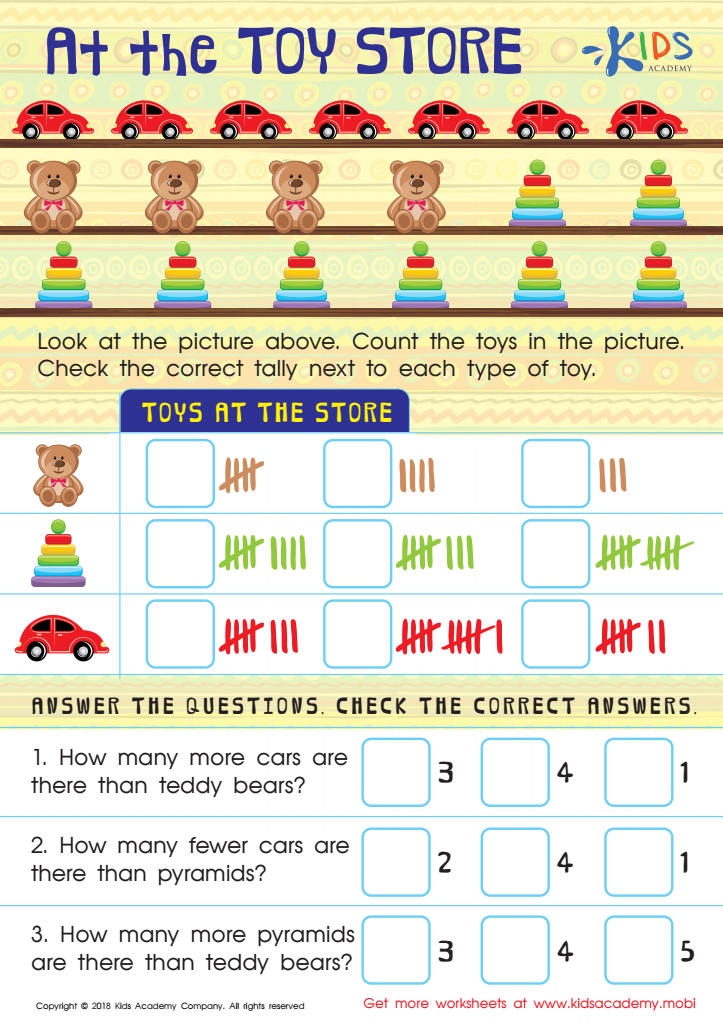
Tally Chart: At the Toy Store Worksheet
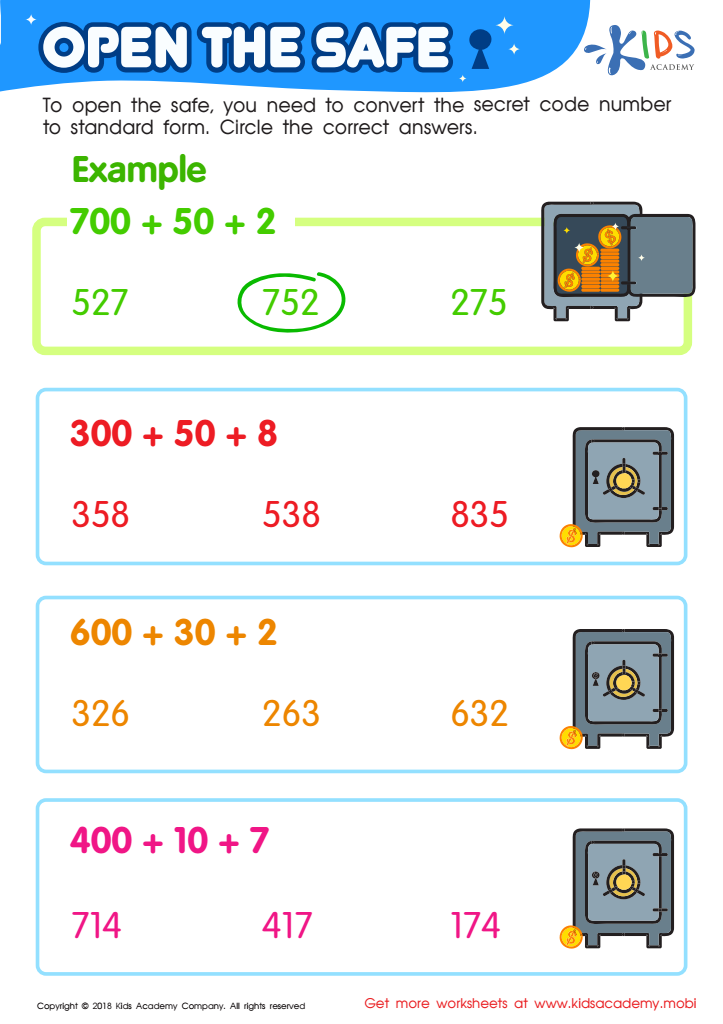
Open the Safe Worksheet
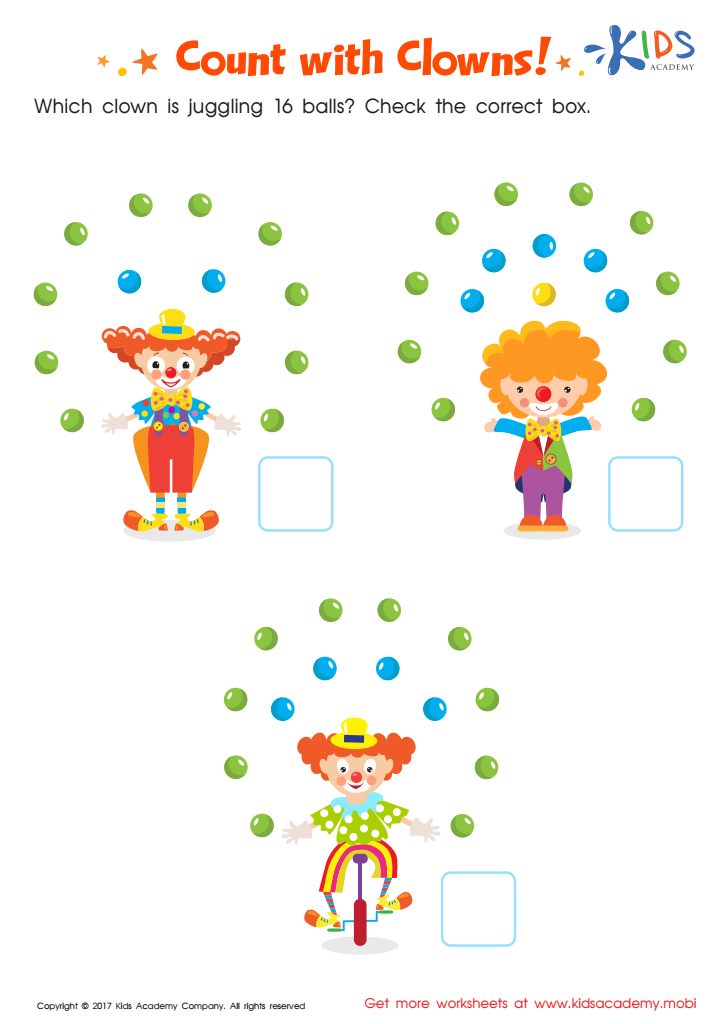
Count with Clowns Worksheet








Basic addition is a fundamental skill for young children, and both parents and teachers should prioritize it for several important reasons. Firstly, mastering basic addition provides a strong mathematical foundation crucial for understanding more advanced concepts such as subtraction, multiplication, and division. Early confidence in math fosters a positive attitude towards the subject, which is important for sustained academic success.
Secondly, practicing addition helps develop essential cognitive skills. It enhances a child's problem-solving ability, memory, and logical thinking. Additionally, basic math skills are part of daily life, from counting money to telling time, making them practical beyond the classroom.
For ages 4-8, engaging in basic addition exercises also nurtures fine motor skills and hand-eye coordination, especially when using manipulatives like counters or interactive math games. This age range is a critical period for cognitive development, and consistent practice ensures children are on track.
Finally, parents and teachers should recognize that math proficiency is closely linked to academic achievement in other subjects. Skills such as pattern recognition and systematic thinking spurred by early math practice benefit literacy and science learning as well.
In summary, focusing on basic addition practice at an early age sets the stage for academic success and overall cognitive development, making it an essential part of early education.








