Basic Counting Numbers Worksheets for Ages 4-8
3 filtered results
-
From - To
Discover our engaging Basic Counting Numbers Worksheets designed for children aged 4-8! These printable resources make learning to count both fun and interactive, helping young learners master essential numeracy skills. Our thoughtfully crafted worksheets feature a variety of activities like number tracing, counting objects, and simple math exercises to reinforce understanding. Perfect for kindergarten and early primary-aged students, these worksheets support cognitive development and promote confidence in math. Encourage your child’s love for numbers and set them on the path to success with our collection of colorful worksheets. Start counting and learning today with Kids Academy’s resources!
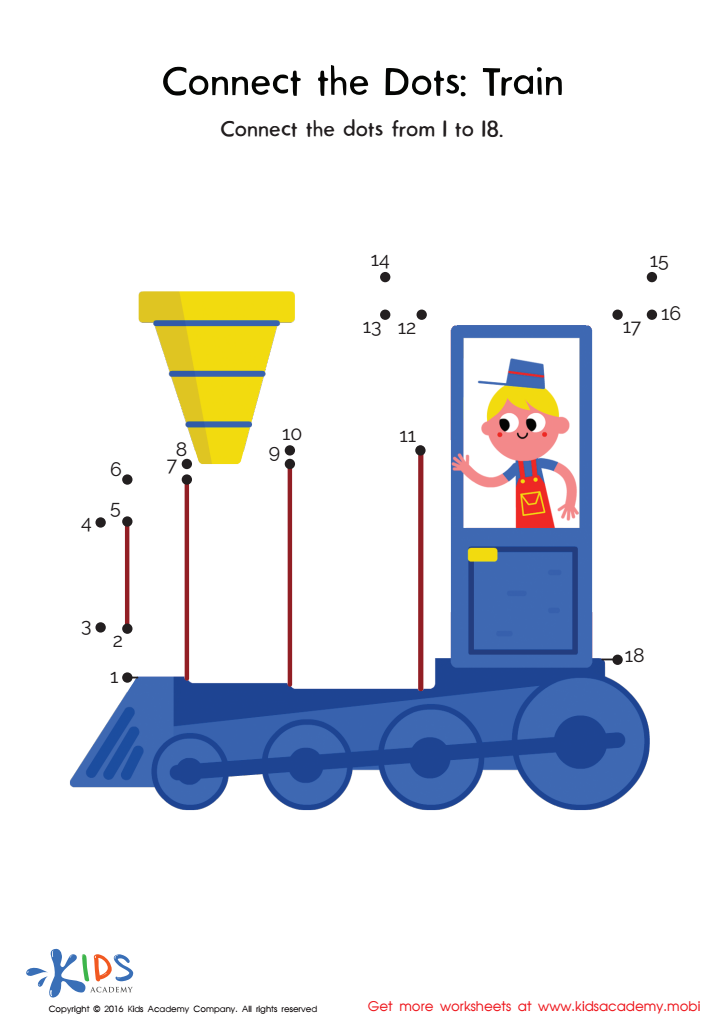
 Assign to My Students
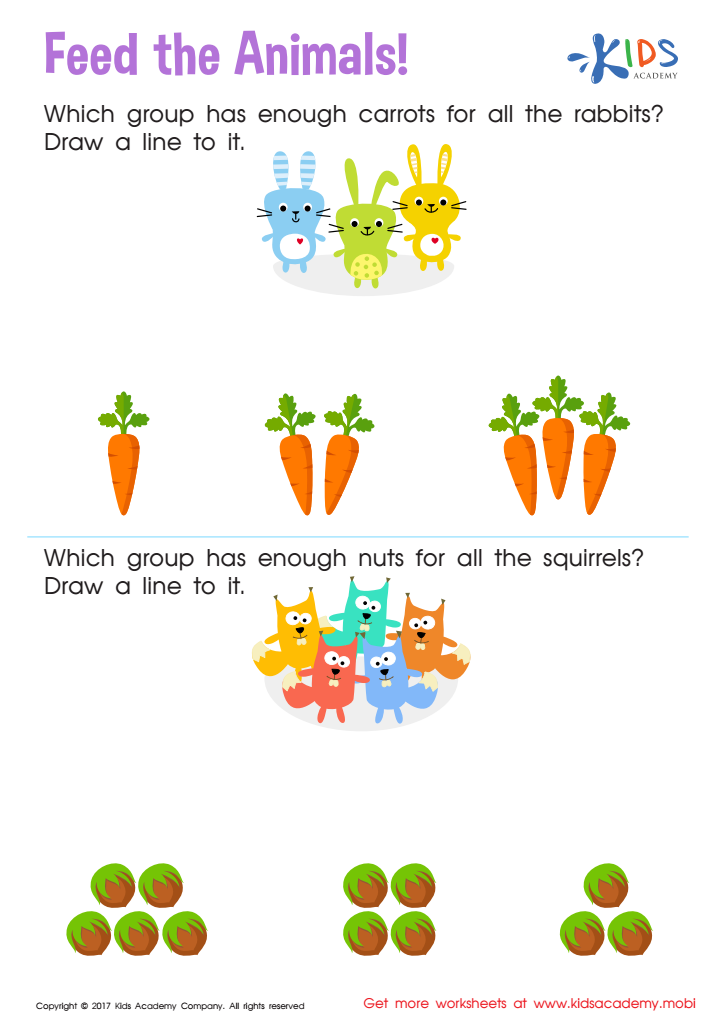
Count and Match: Feed the Animals Worksheet
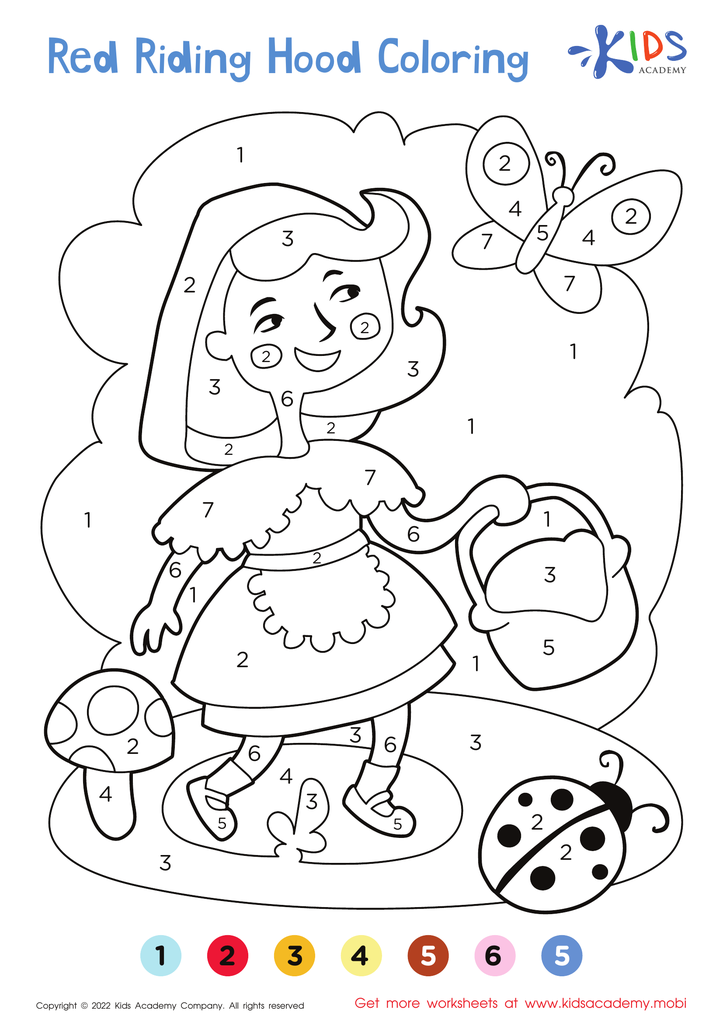
Little Red Riding Hood – Coloring by Numbers








Basic counting numbers, or numeracy, are foundational skills crucial for children aged 4-8. Parents and teachers should prioritize this essential learning for several reasons. Firstly, counting develops cognitive skills that underpin math reasoning. Children who grasp counting early are better equipped for advanced mathematical concepts later in school.
Moreover, the ability to count fosters confidence in children as they successfully navigate activities that involve numbers, such as games, shopping, or measuring. This confidence lays the groundwork for a positive attitude towards learning, enhancing their motivation and engagement.
Additionally, counting connects to everyday life, helping children understand the world around them. Whether measuring ingredients for cooking or counting toys, these skills integrate seamlessly into day-to-day tasks, making learning practical and relatable.
Furthermore, early numerical skills support social development. Children often engage in counting games or activities with peers, fostering teamwork and communication skills.
Ultimately, investing in basic counting numbers equips children with critical foundational knowledge and nurtures their overall development, ensuring that they are well-prepared for future educational challenges. By prioritizing this skill, parents and educators enable children to establish a solid base for lifelong learning and problem-solving.








