Categorization skills Numbers Worksheets for Ages 4-8
5 filtered results
-
From - To
Discover engaging Categorization Skills Numbers Worksheets designed for children ages 4-8! Our fun and interactive resources help young learners develop essential math skills through enjoyable activities. These worksheets focus on sorting and organizing numbers, enhancing critical thinking and cognitive abilities. With colorful designs and relatable themes, your child will stay motivated while mastering the concept of categorization. Perfect for both home and classroom use, these worksheets provide targeted practice in a structured way. Support your child's learning journey with our comprehensive collection of categorized number activities that ensure a solid foundation in mathematics. Explore our worksheets and watch your child thrive!
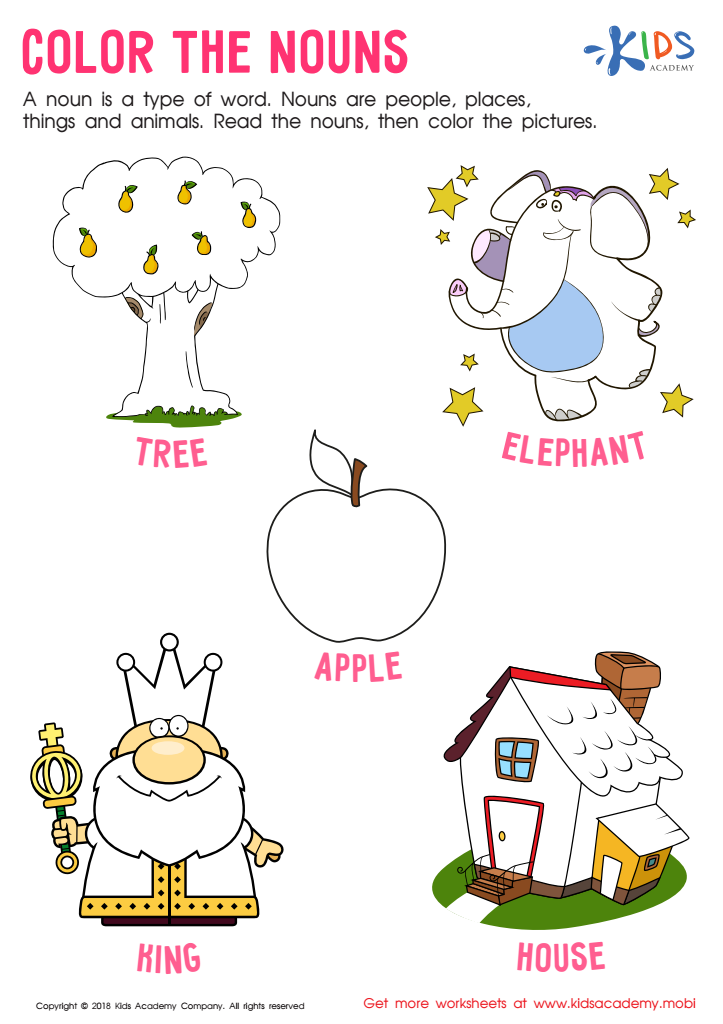
Color the Nouns Worksheet
 Assign to My Students
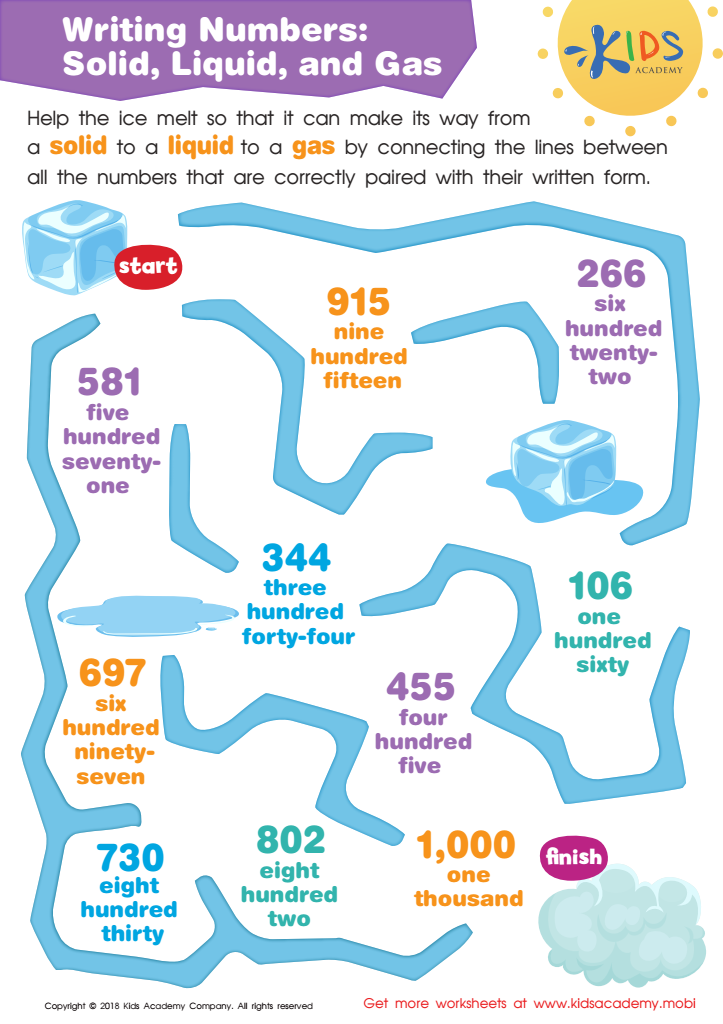
Solid, Liquid, and Gas Writing Numbers Worksheet
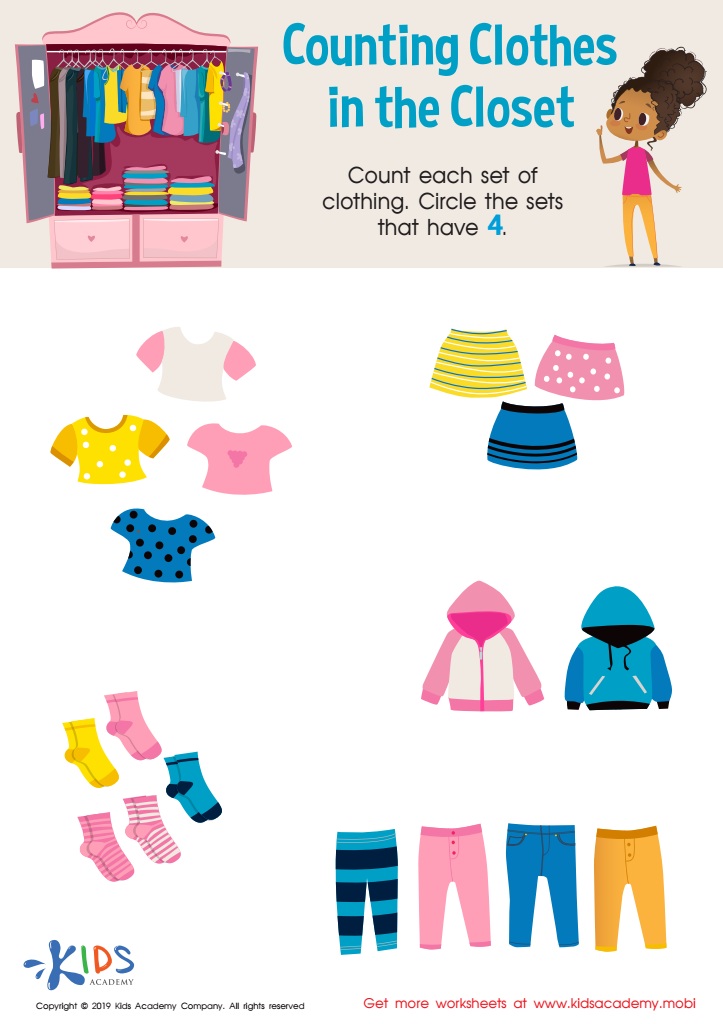
Counting Clothes Worksheet
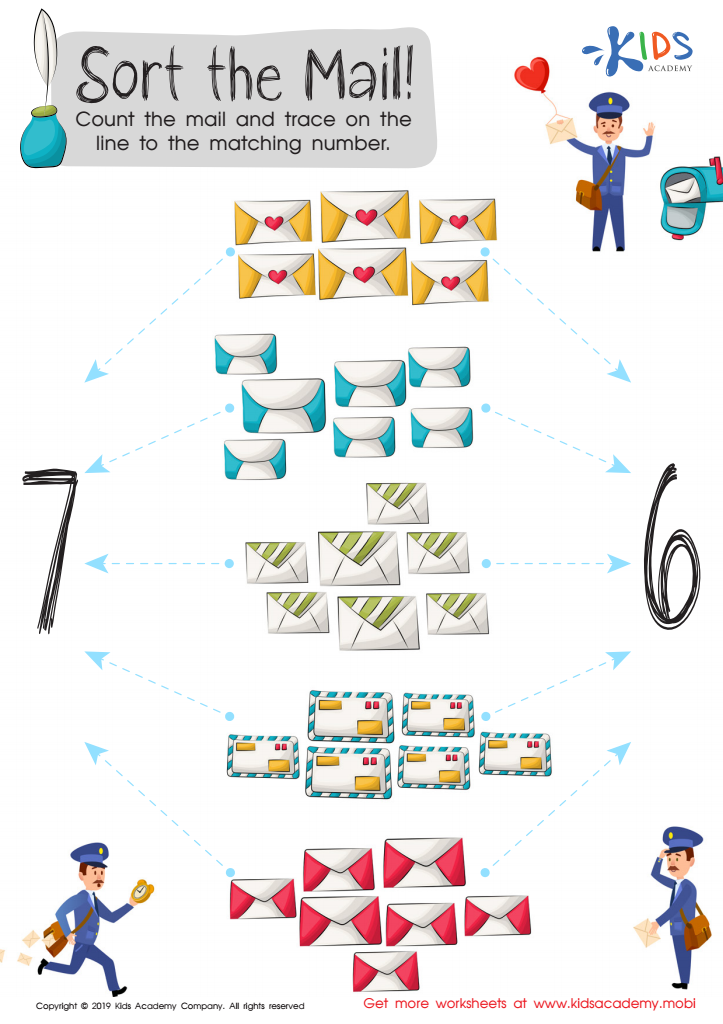
Sort the Mail Worksheet
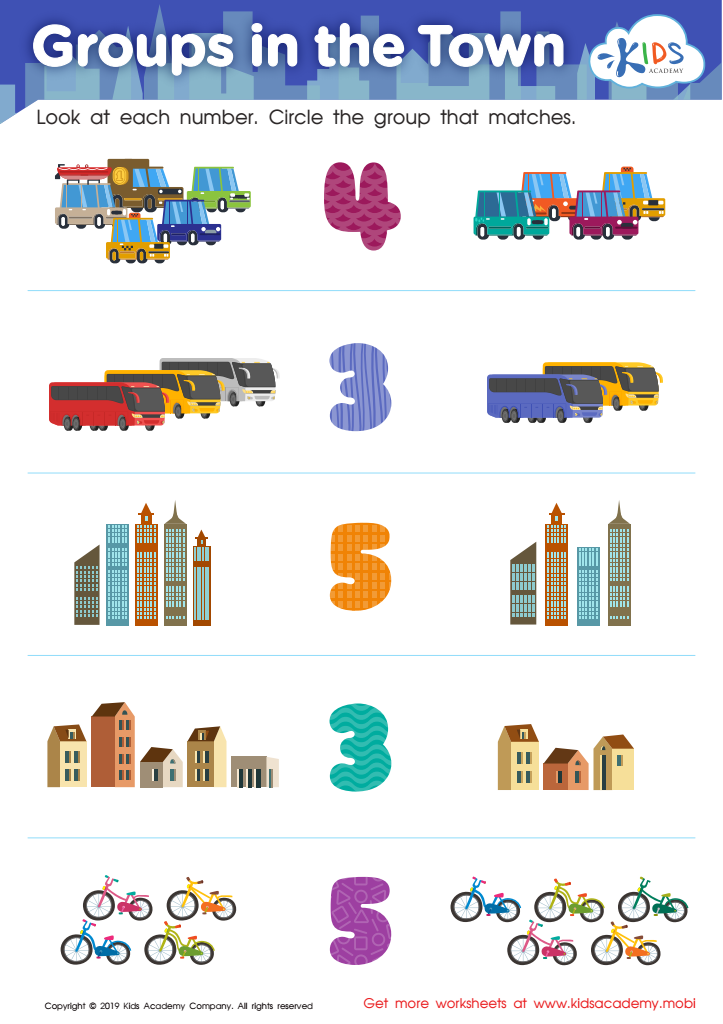
Groups in the Town Worksheet








Categorization skills are vital for children aged 4-8 as they lay the foundation for critical thinking and problem-solving abilities. During this developmental stage, children learn to sort and group objects based on various attributes such as shape, size, color, and function. This skill is crucial for their mathematical understanding, particularly in the realm of number comprehension.
When children categorize numbers, they begin to recognize patterns and relationships, which are essential for grasping concepts such as addition, subtraction, and even more complex operations later on. Additionally, categorization enhances cognitive skills by encouraging kids to analyze and make decisions based on specific criteria.
For parents and teachers, supporting categorization skills can lead to more significant outcomes in a child’s academic journey. Engaging children in categorization activities – such as sorting toys, grouping similar objects, or organizing books – enhances their engagement and promotes active learning. Furthermore, these skills foster independence, as children learn to navigate their environments by recognizing similarities and differences.
Ultimately, prioritizing categorization skills equips children with essential tools they will use throughout their education and life, making it a crucial focus for parents and educators alike.








