Concentration improvement Numbers Worksheets for Ages 4-8
3 filtered results
-
From - To
Boost your child's focus and numerical skills with our Concentration Improvement Numbers Worksheets for Ages 4-8. Carefully designed by educational experts, these engaging activities help young learners enhance their concentration while mastering number recognition and basic math concepts. The worksheets include fun puzzles, matching games, and counting exercises that captivate kids' attention, making learning an enjoyable journey. Perfect for at-home practice or classroom use, these printables are an excellent resource for teachers and parents aiming to improve children's focus and foundational math skills simultaneously. Explore our collection today and watch your child's concentration and confidence soar!
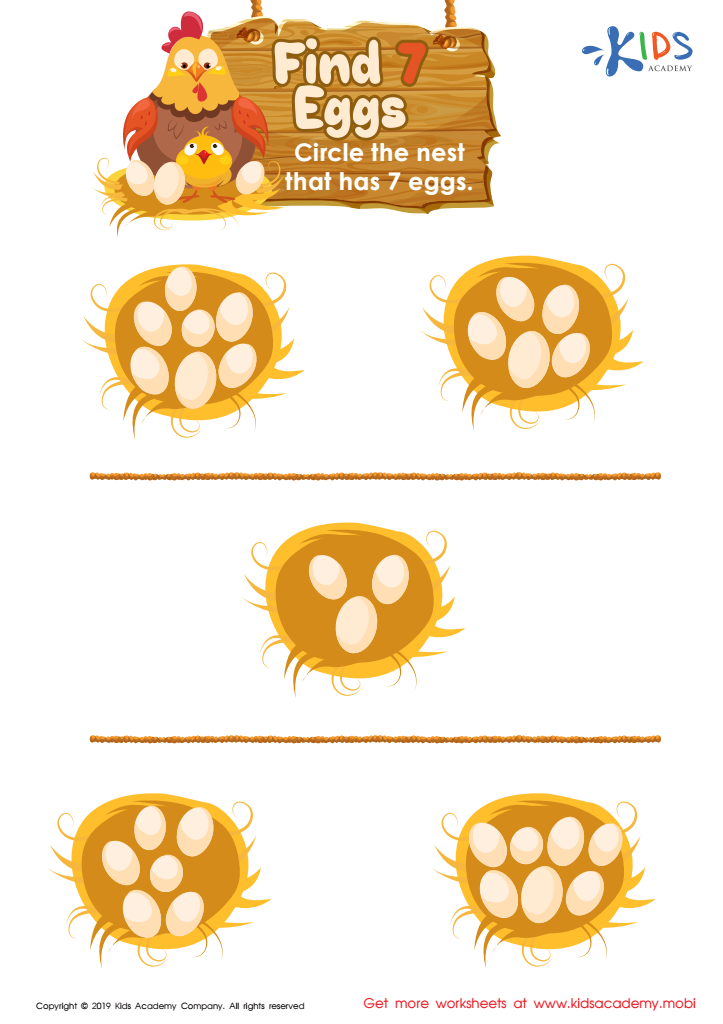
Find 7 Eggs Worksheet
 Assign to My Students
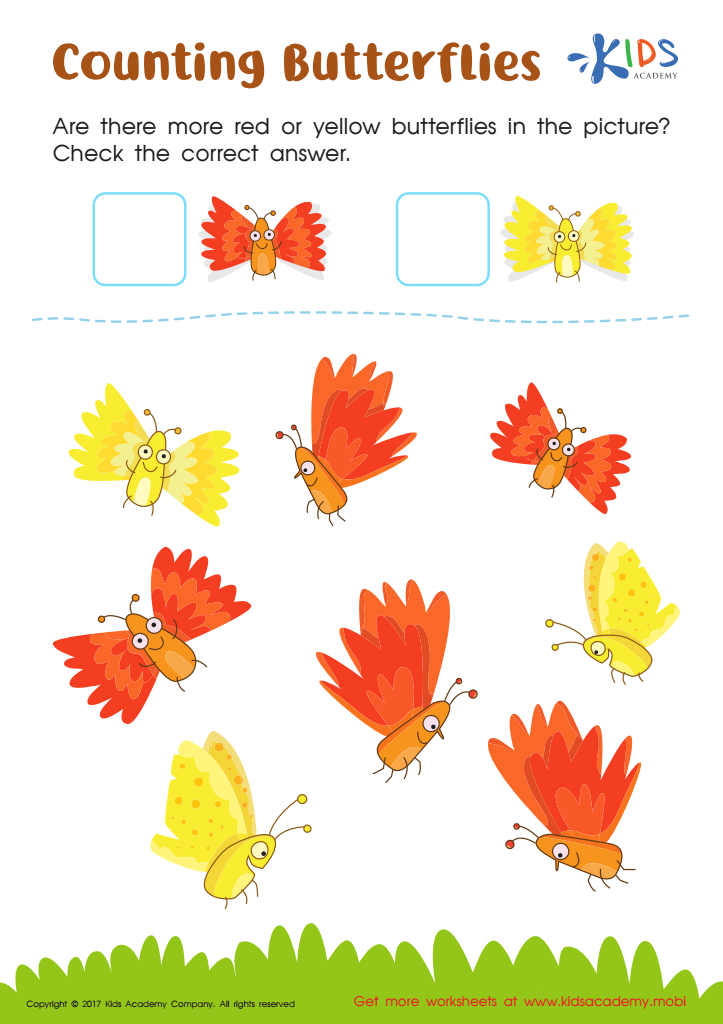
Counting Butterflies Worksheet
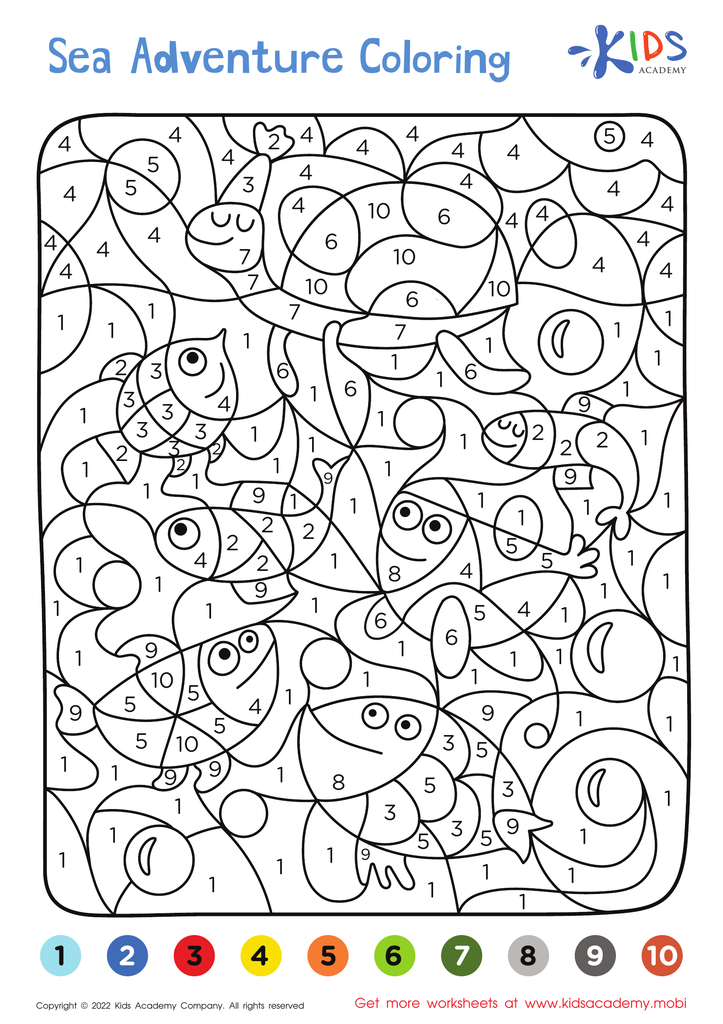
Sea Adventure – Coloring by Numbers








Concentration plays a pivotal role in the cognitive and academic development of children aged 4-8, a crucial period for foundational learning. Improved concentration allows young learners to better engage with educational activities, enhancing their ability to absorb, process, and retain information. This forms a strong basis for lifelong learning and problem-solving skills.
When parents and teachers actively foster concentration, children develop greater self-regulation and attentional control, which are essential for success in both academic and social settings. Activities that enhance concentration also contribute to increased patience, persistence, and the ability to complete tasks, all of which are critical attributes for future challenges in school and life.
Furthermore, improved concentration has a direct impact on a child's emotional well-being. Children who can focus effectively often exhibit higher confidence and lower levels of frustration, leading to a more positive attitude toward learning. For parents and teachers, tools and strategies that support concentration improvement, such as structured routines, engaging educational games, and regular breaks, can significantly aid in nurturing well-rounded, attentive, and enthusiastic learners.
In essence, concentration is the cornerstone of effective learning and personal growth, making its improvement a paramount concern for those guiding children during these formative years.








