Pattern recognition Numbers Worksheets for Ages 4-8
5 filtered results
-
From - To
Unlock the joy of learning numbers with our "Pattern Recognition Numbers Worksheets" designed for ages 4-8! These engaging and thoughtfully crafted worksheets help young learners to recognize and predict number patterns, fostering their mathematical thinking and problem-solving skills. Our vibrant printables make learning fun and interactive, allowing kids to explore sequences through colorful exercises. Perfect for home or classroom use, these worksheets support early numeracy development and build a strong foundation for future math success. Download now from Kids Academy to boost your child’s confidence and excitement in mastering number patterns!
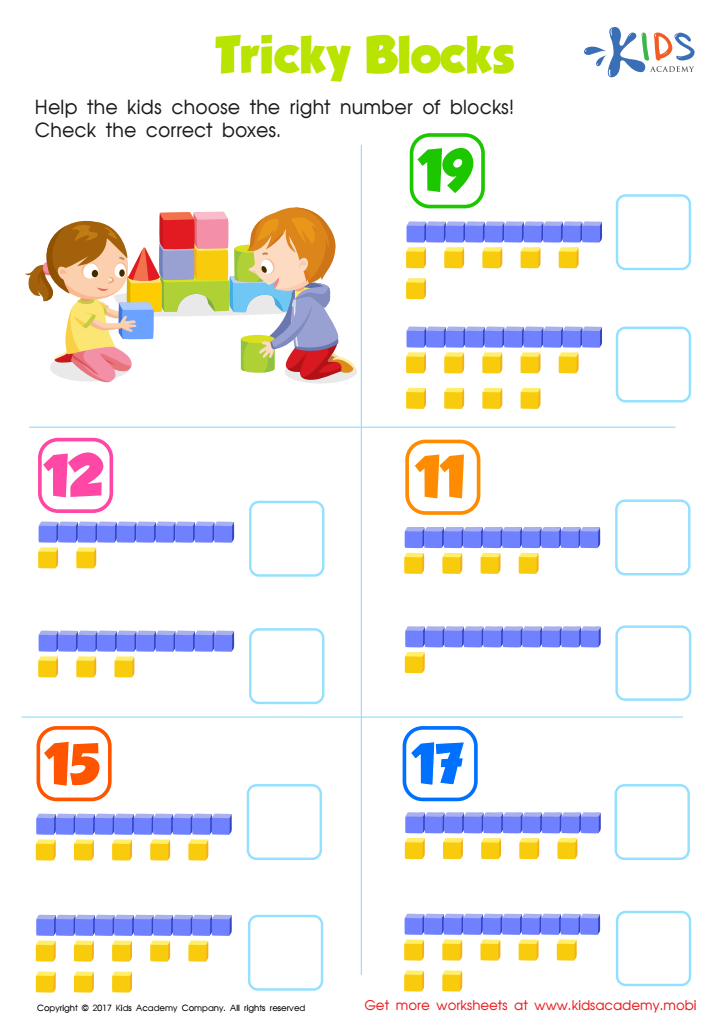
Tricky Blocks Worksheet
 Assign to My Students
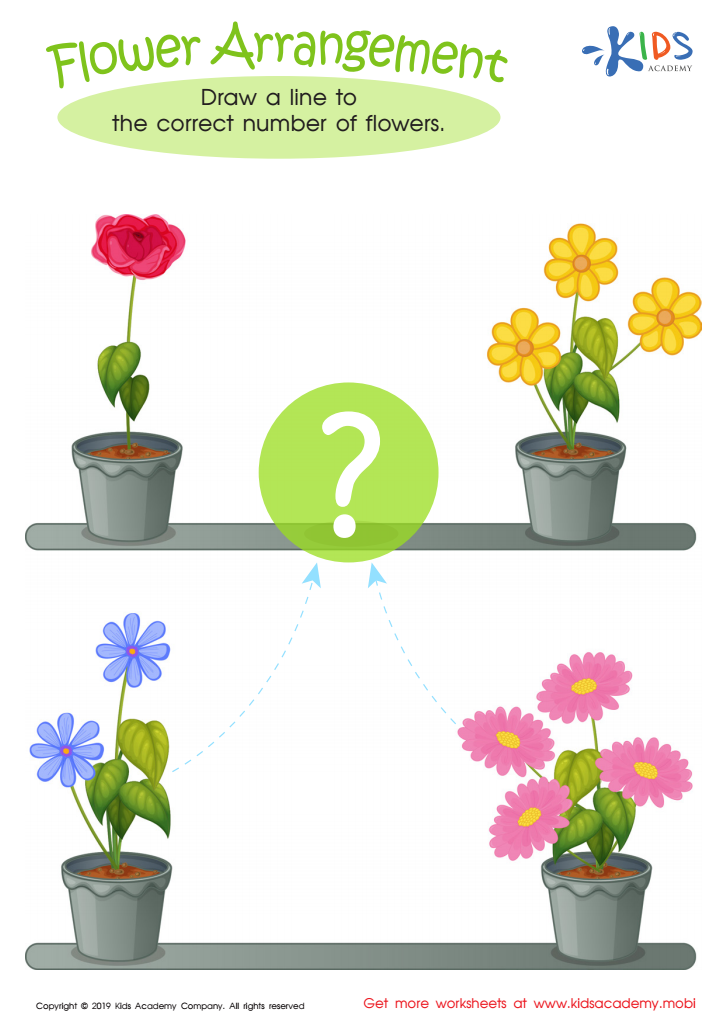
Flower Arrangement Worksheet
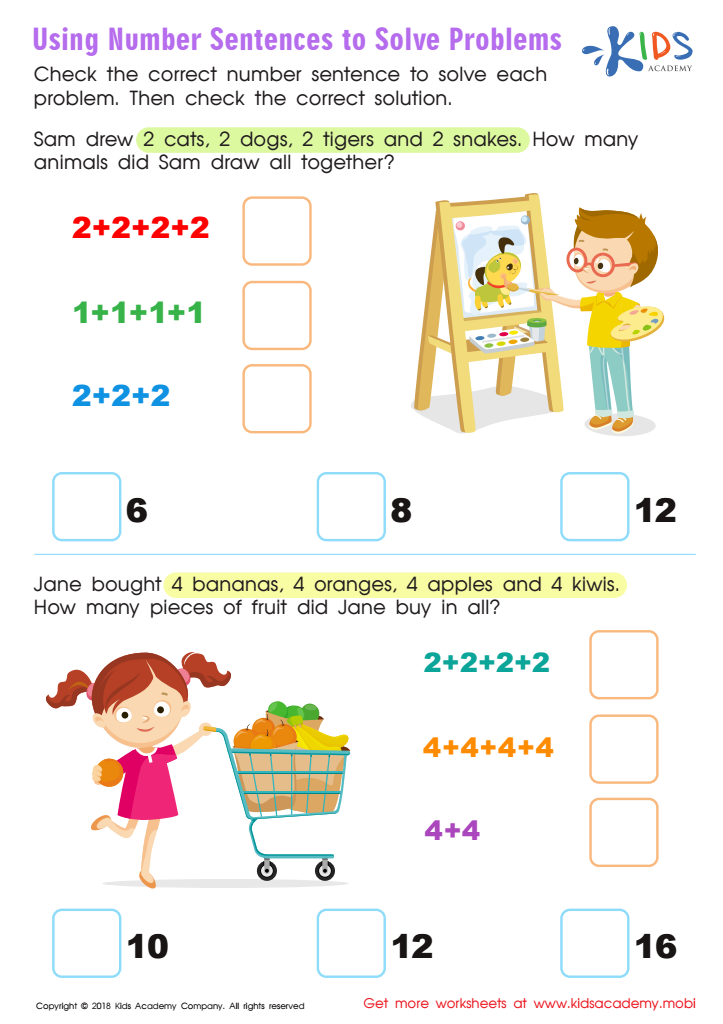
Using Number Sentences to Solve Problems Worksheet
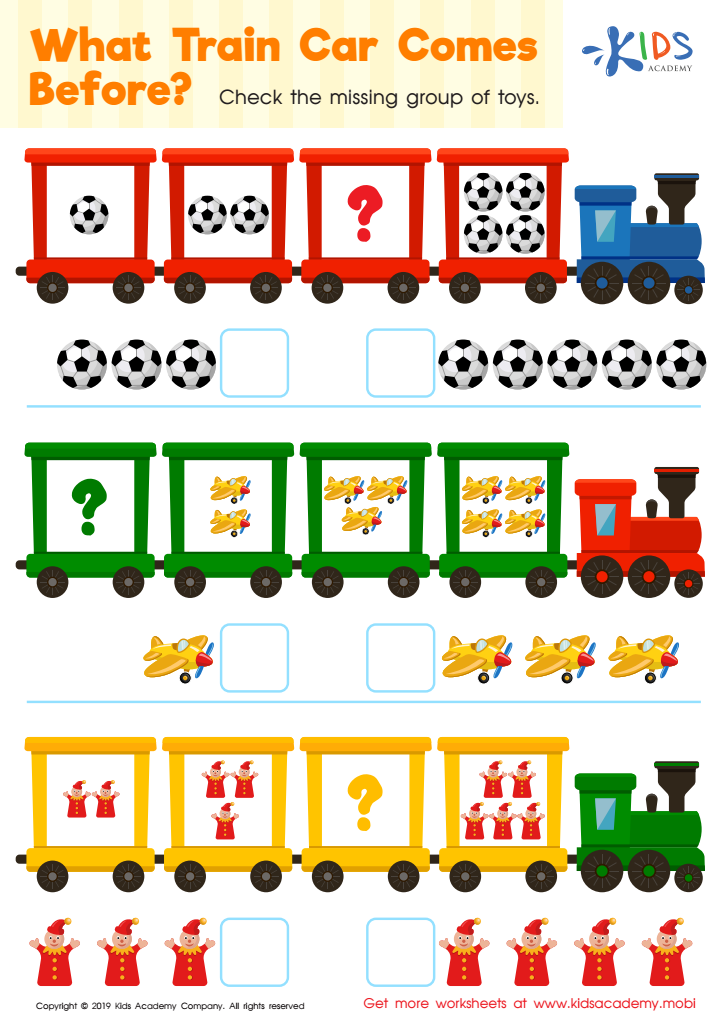
What Train Car Comes Before? Worksheet
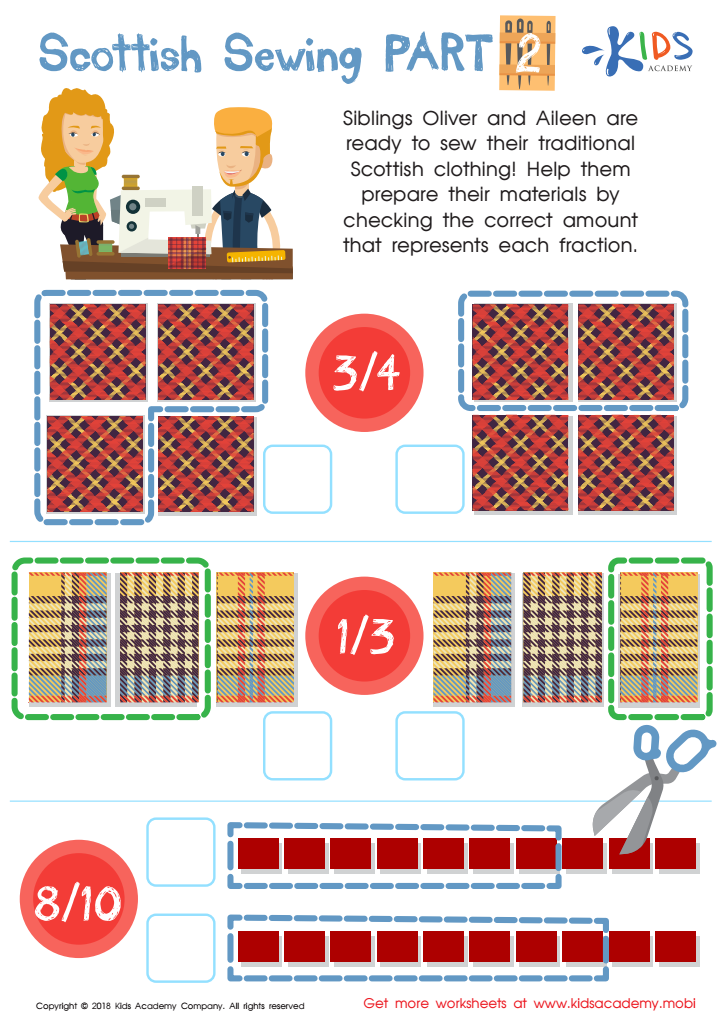
Scottish Sewing Part 2 Worksheet








Pattern recognition in numbers is a crucial skill for young children because it serves as a foundation for more advanced mathematical concepts. At ages 4-8, children are at a developmental stage where their cognitive abilities are rapidly expanding, making it the ideal time to introduce these concepts.
Understanding patterns helps children recognize order and predictability in the world around them, enhancing their problem-solving skills. For example, recognizing that 2, 4, 6, 8, and 10 are part of a repeating pattern helps children internalize the concept of even numbers. This basic recognition can evolve into understanding more complex mathematical patterns like skip counting, addition, and even early multiplication.
Moreover, pattern recognition extends beyond math; it plays a vital role in language development and reading. Recognizing letter patterns and word structures can make learning to read smoother and more intuitive.
Teachers and parents can make learning engaging by using everyday objects, like blocks and toys, to teach these patterns, thereby making abstract concepts tangible. Encouraging pattern recognition lays a solid groundwork for future academic success and promotes a love for learning. By fostering these skills, adults help children develop critical thinking, enhance their ability to make connections, and better prepare them for future educational challenges.








