Shape Recognition Numbers Worksheets for Ages 4-8
7 filtered results
-
From - To
Discover our engaging Shape Recognition Numbers Worksheets designed for children aged 4-8! These interactive worksheets seamlessly combine shape recognition and number learning, establishing a solid foundation for your child's math skills. Kids can explore various shapes while associating them with corresponding numbers, making learning fun and effective. Each worksheet features colorful illustrations and age-appropriate activities that hold children's interest and motivate them to practice. Perfect for both classroom settings and home education, these resources help young learners develop their cognitive abilities and improve fine motor skills. Start your child's journey toward early math proficiency today with our Shape Recognition Numbers Worksheets!
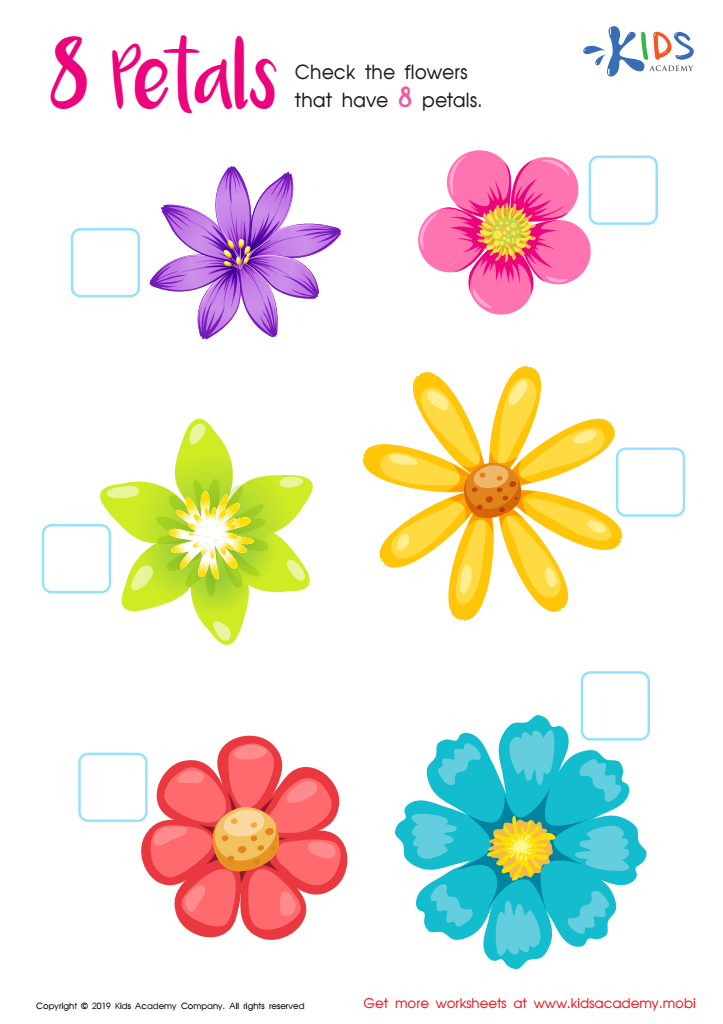
8 Petals Worksheet
 Assign to My Students
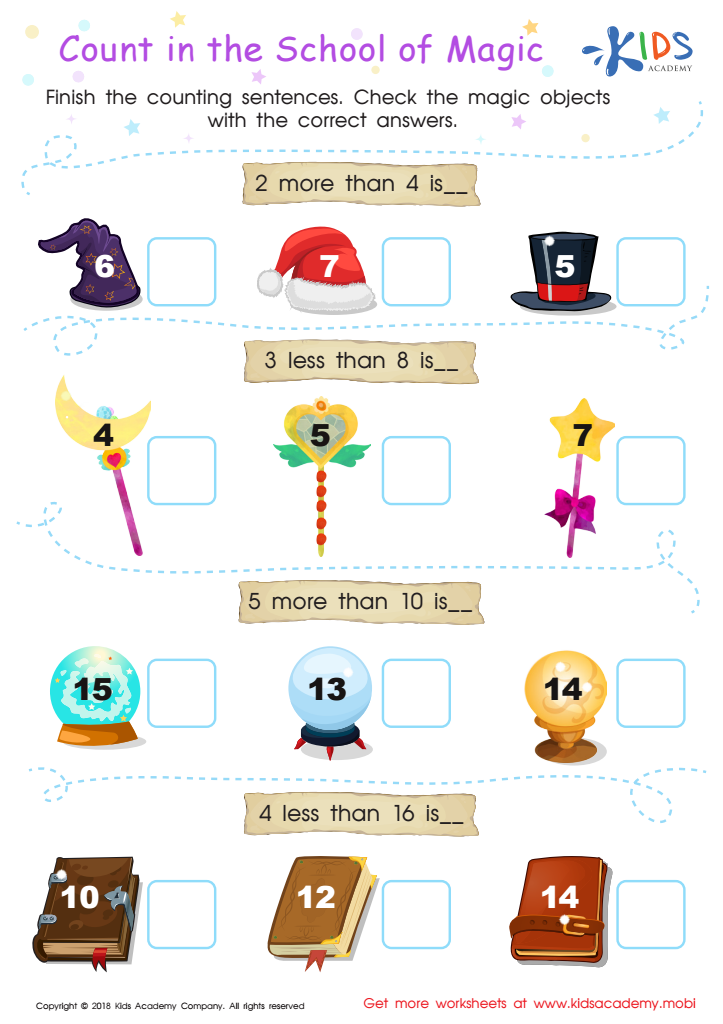
Count in the School of Magic Worksheet
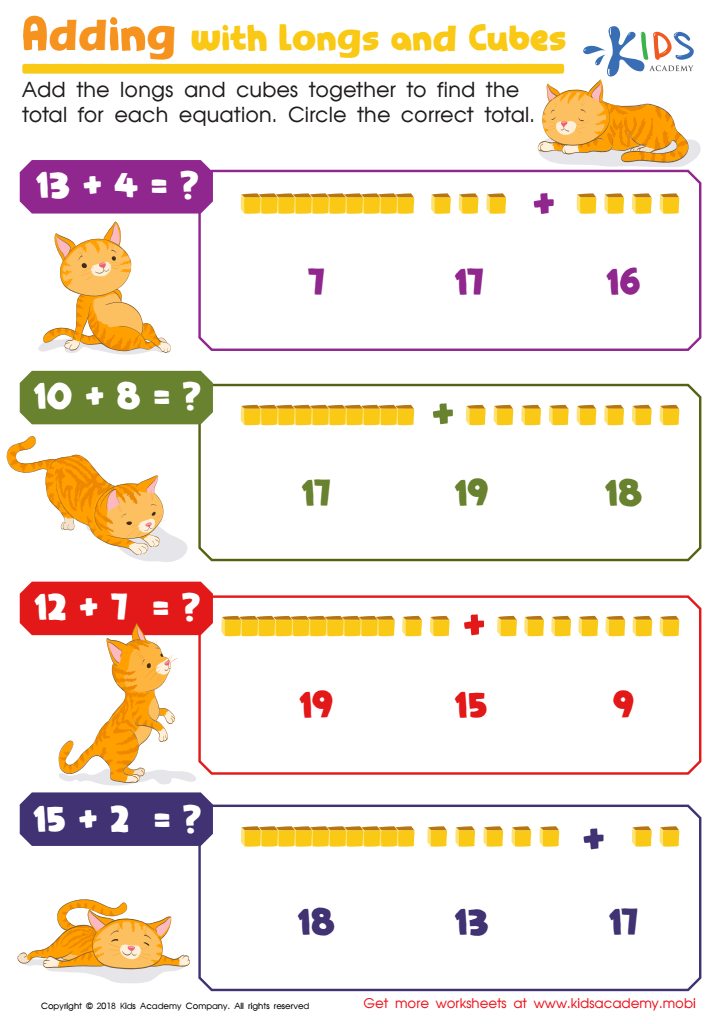
Adding With Longs and Cubes Worksheet
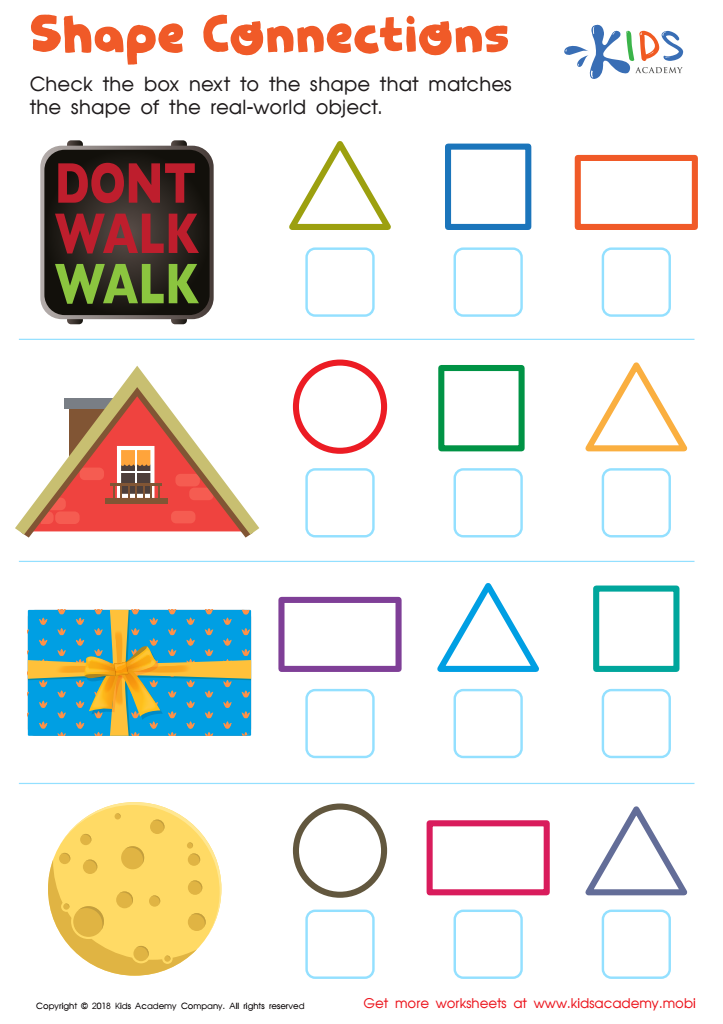
Shape Connections Worksheet
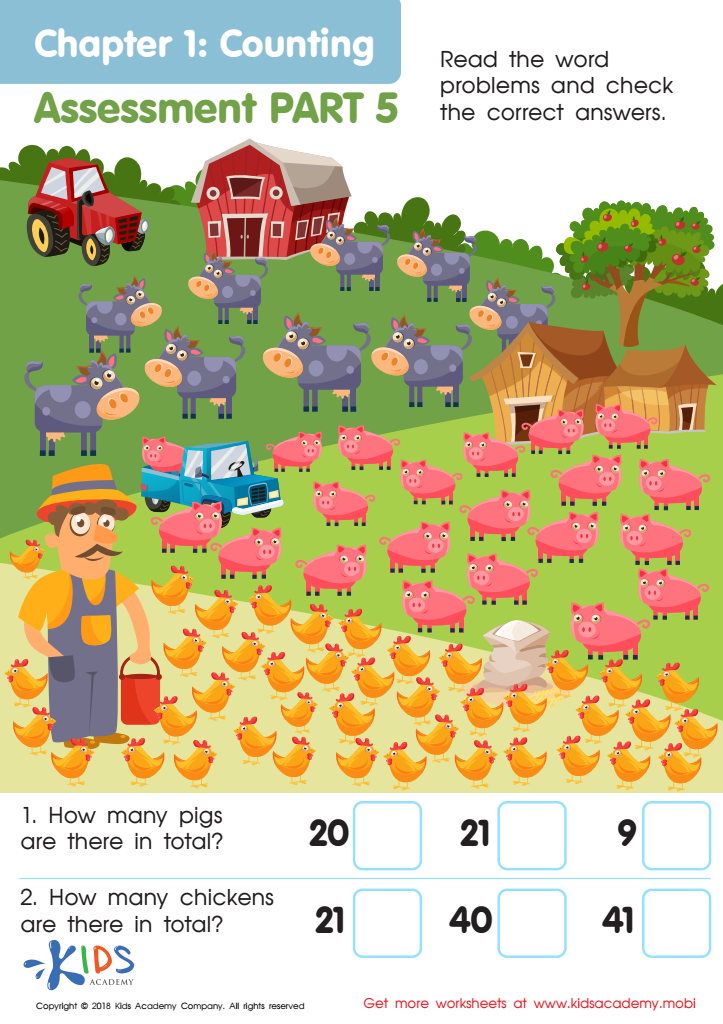
Counting: Assessment 5 Worksheet
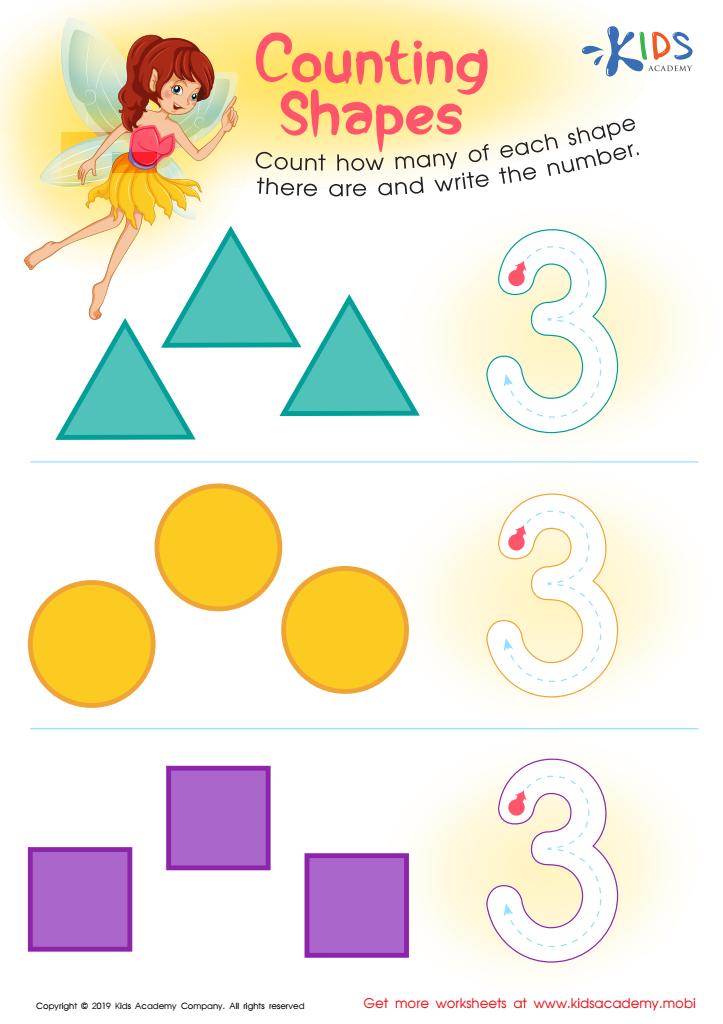
Counting Shapes Worksheet
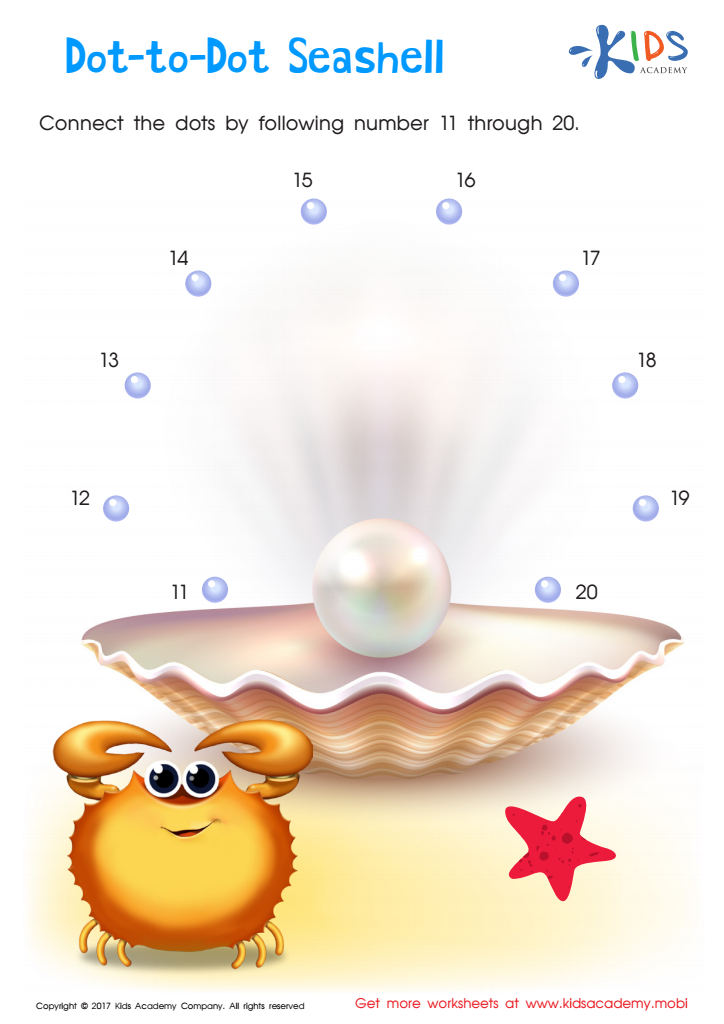
Ordering 11–20: Dot–to–dot Seashell Printable








Shape recognition is a foundational skill in early childhood education, particularly for children aged 4 to 8. Parents and teachers should prioritize this skill for several reasons. First, shape recognition enhances spatial awareness, helping young learners understand their environment by recognizing and categorizing different objects. This foundational knowledge is crucial as it contributes to critical thinking and problem-solving abilities.
Moreover, shape recognition plays a significant role in mathematics development. Recognizing shapes is often the first step toward understanding complex mathematical concepts, such as geometry. This ability also aids in developing early counting skills, as many shapes can be associated with numerical values, enhancing children’s literacy in both mathematics and visual learning.
Fostering shape recognition encourages creativity and expressive skills, as children often engage in activities like drawing, building, and painting using various shapes. These creative experiences not only solidify their understanding of shapes but also promote confidence and self-expression.
Finally, by instilling a strong grasp of shapes early on, parents and teachers lay the groundwork for future academic success, demonstrating that learning can be fun and engaging. Thus, prioritizing shape recognition is essential for robust cognitive, social, and academic development in young learners.








