Animal recognition Math Worksheets for Ages 4-8
111 filtered results
-
From - To
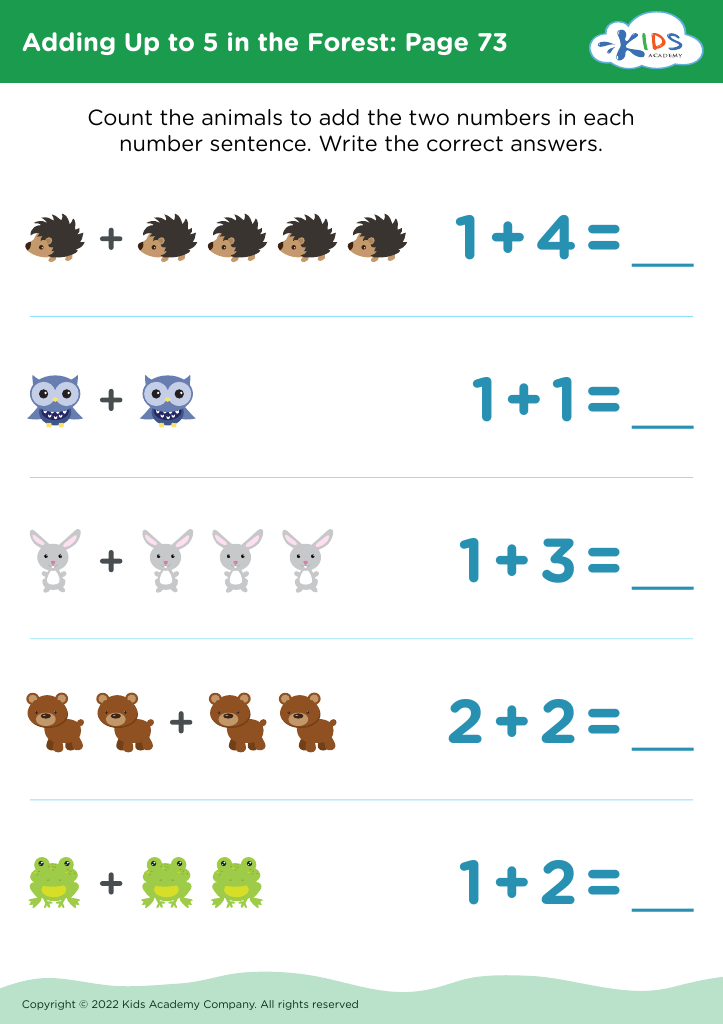
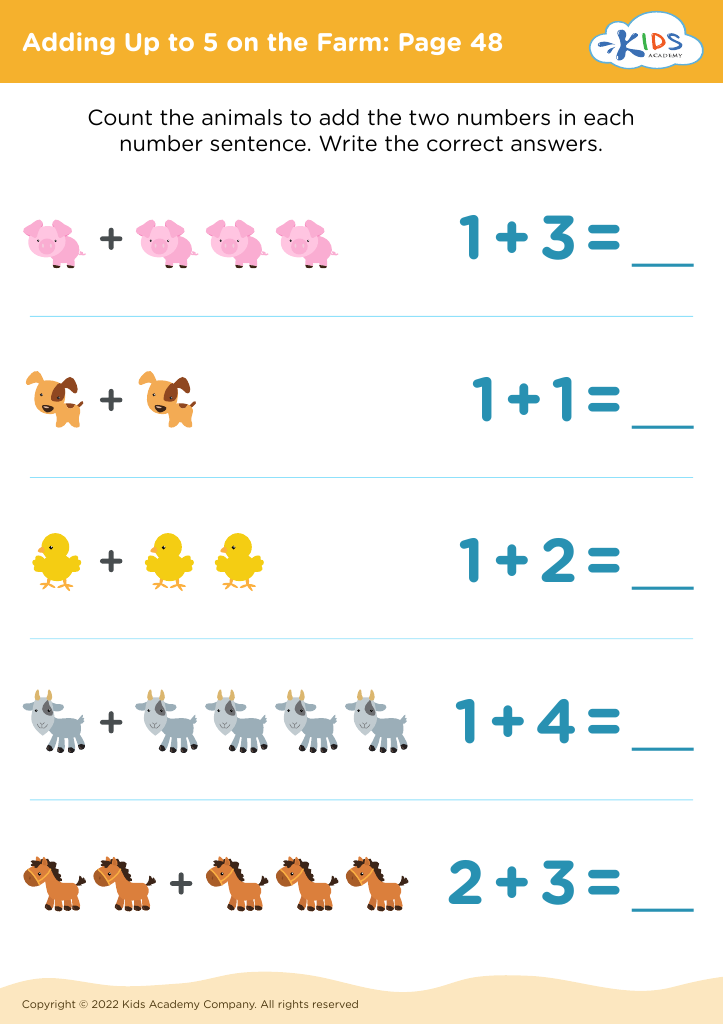
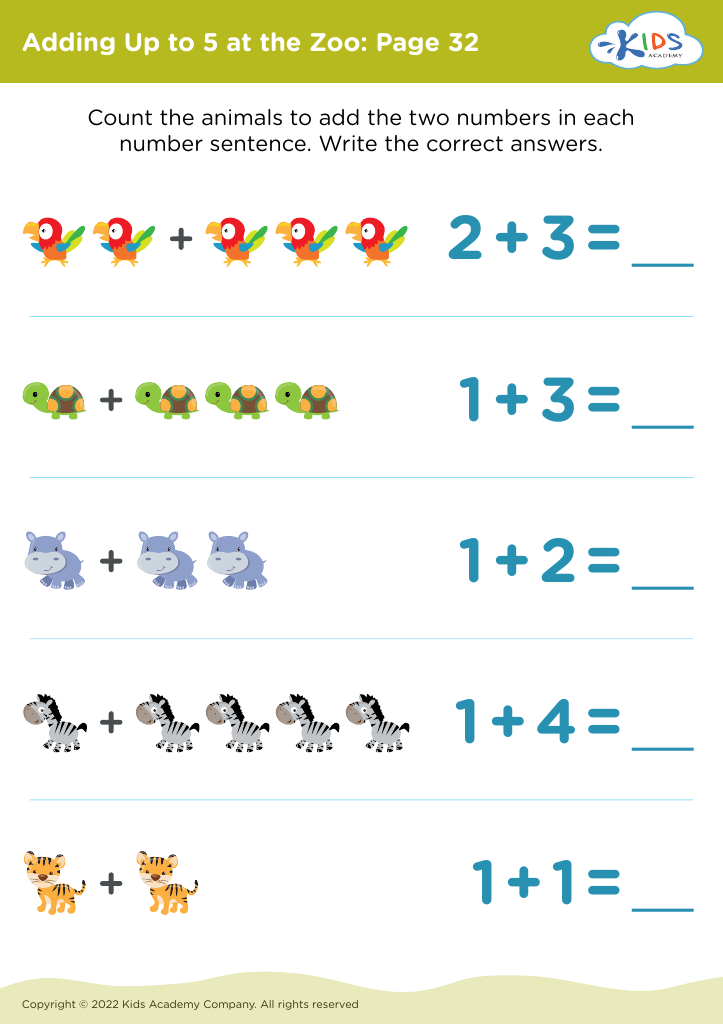
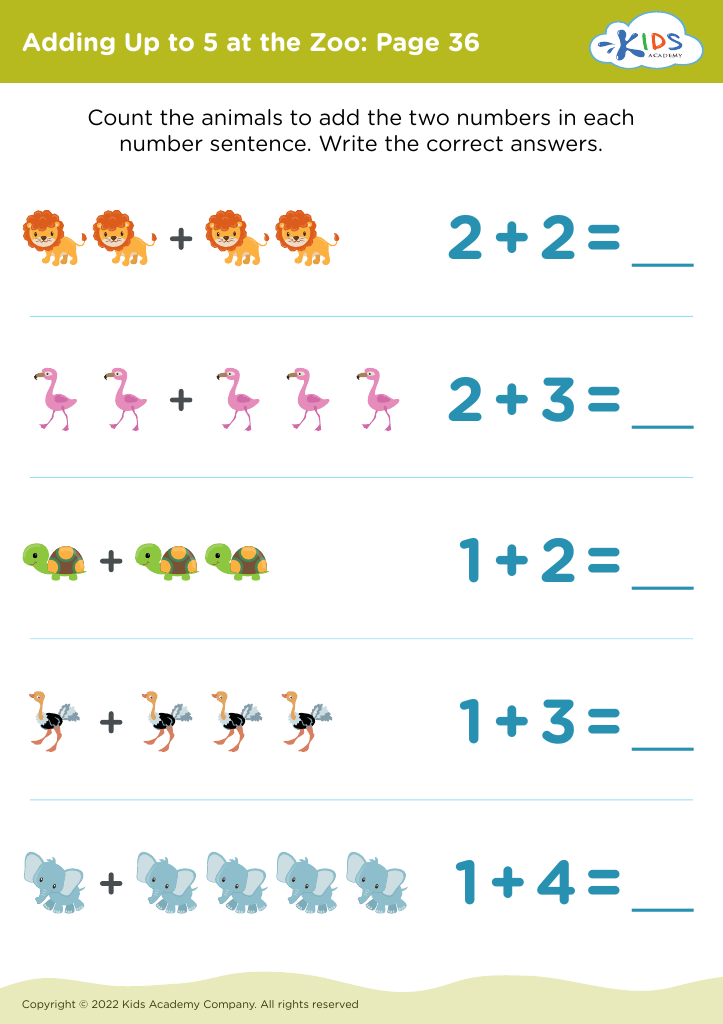
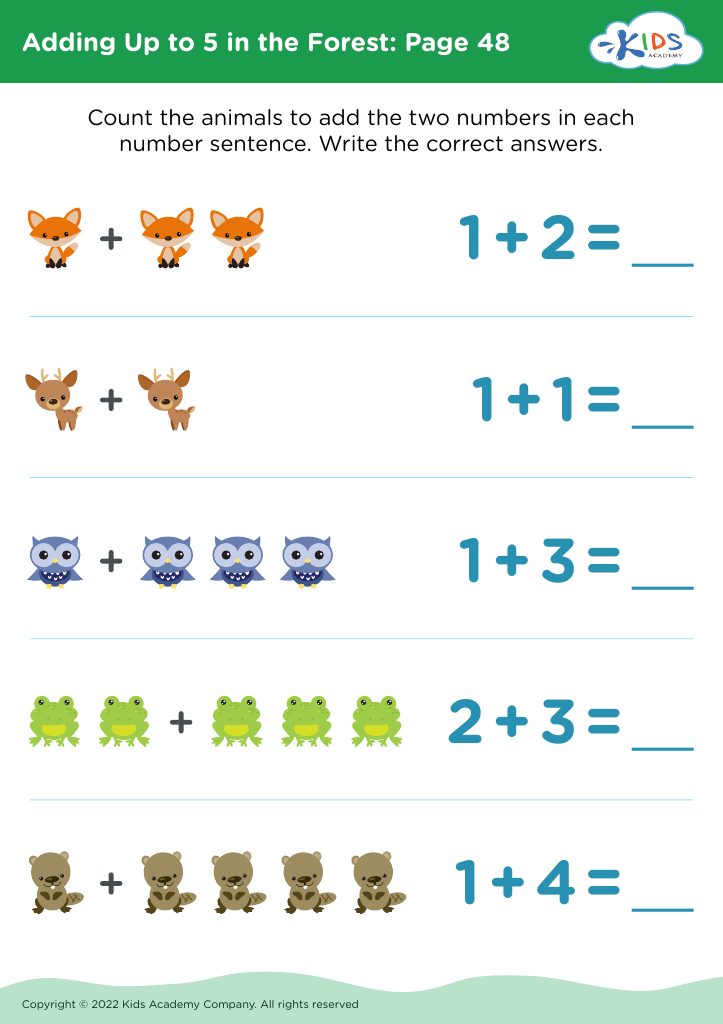
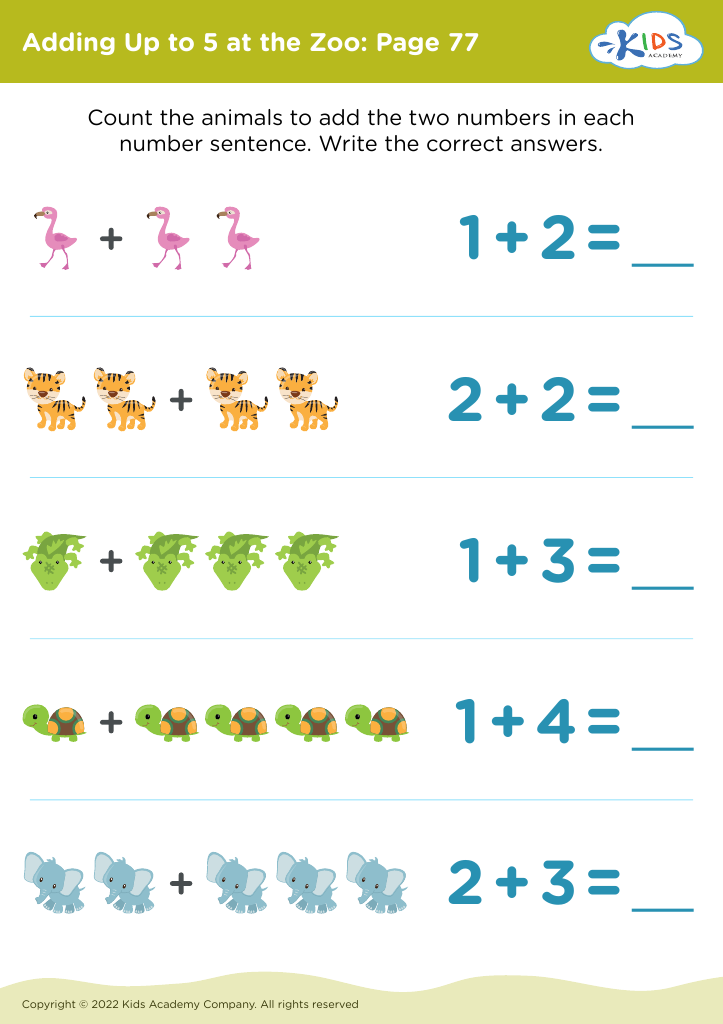
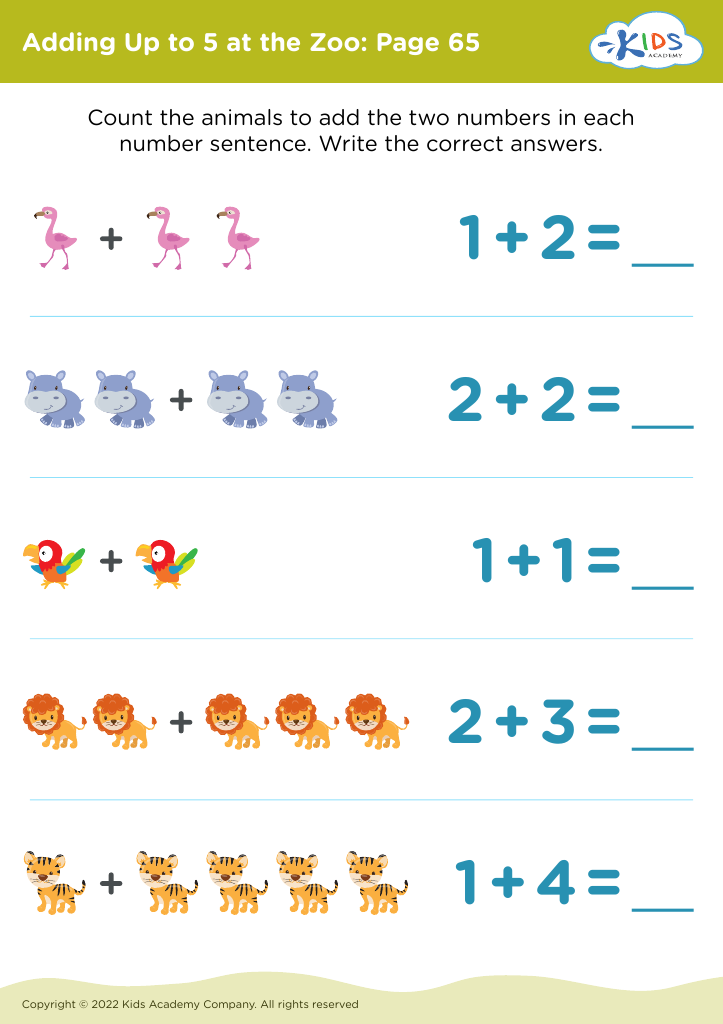
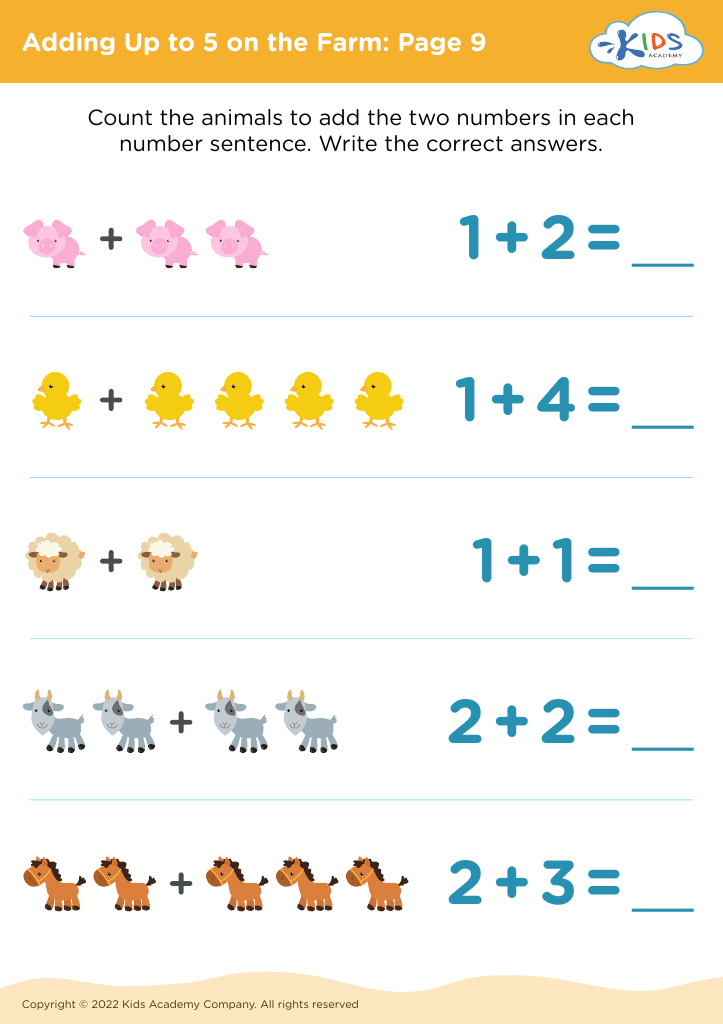
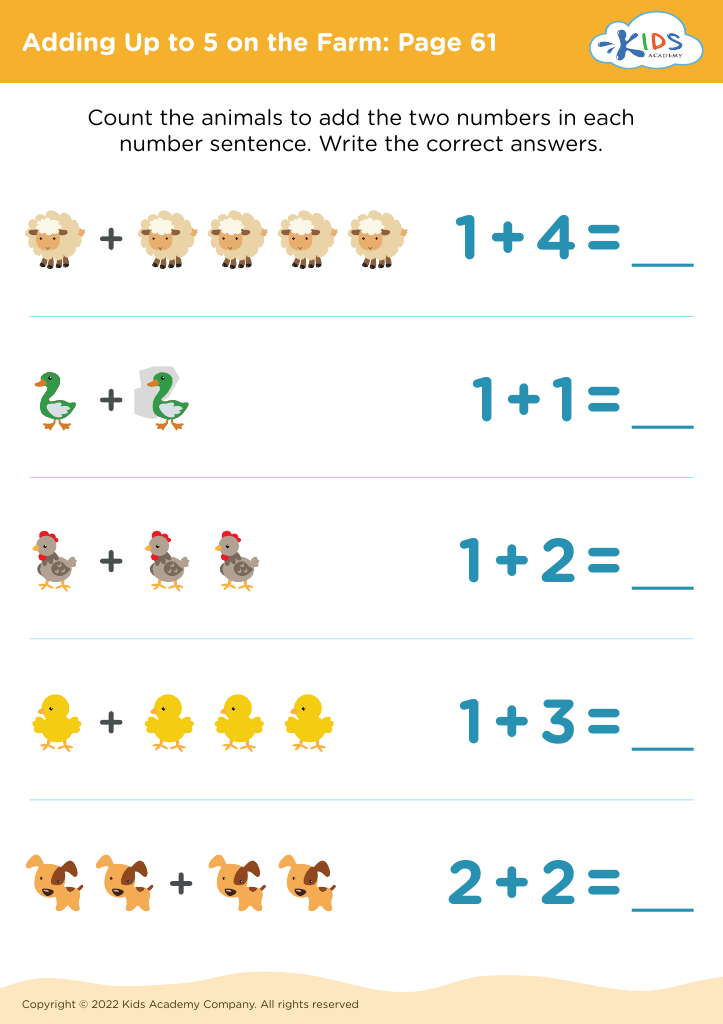
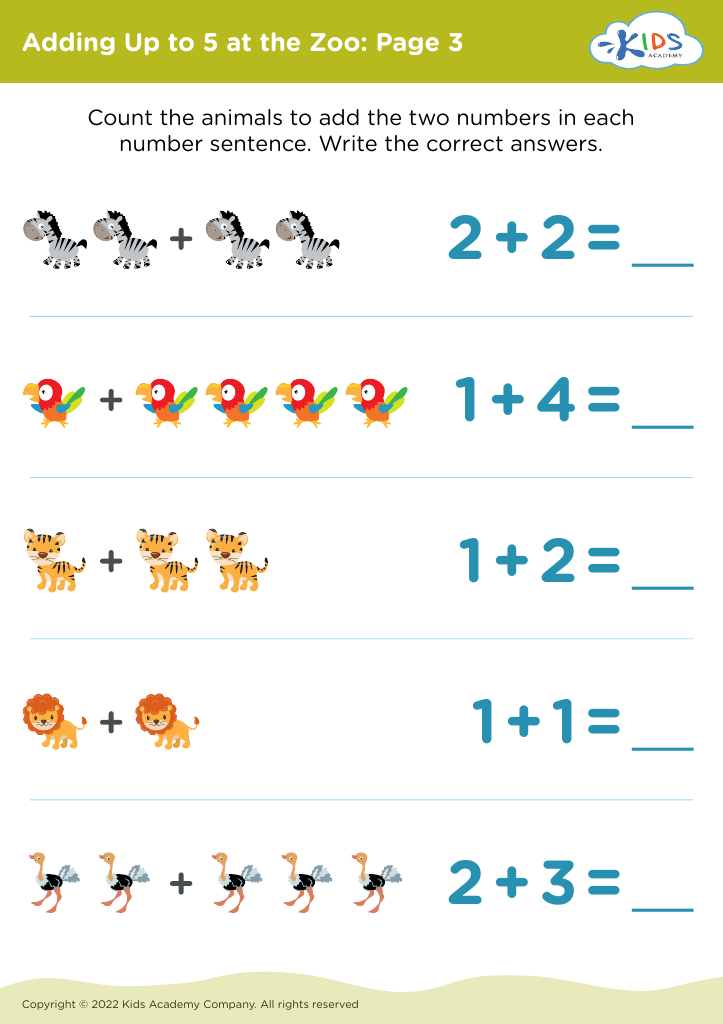
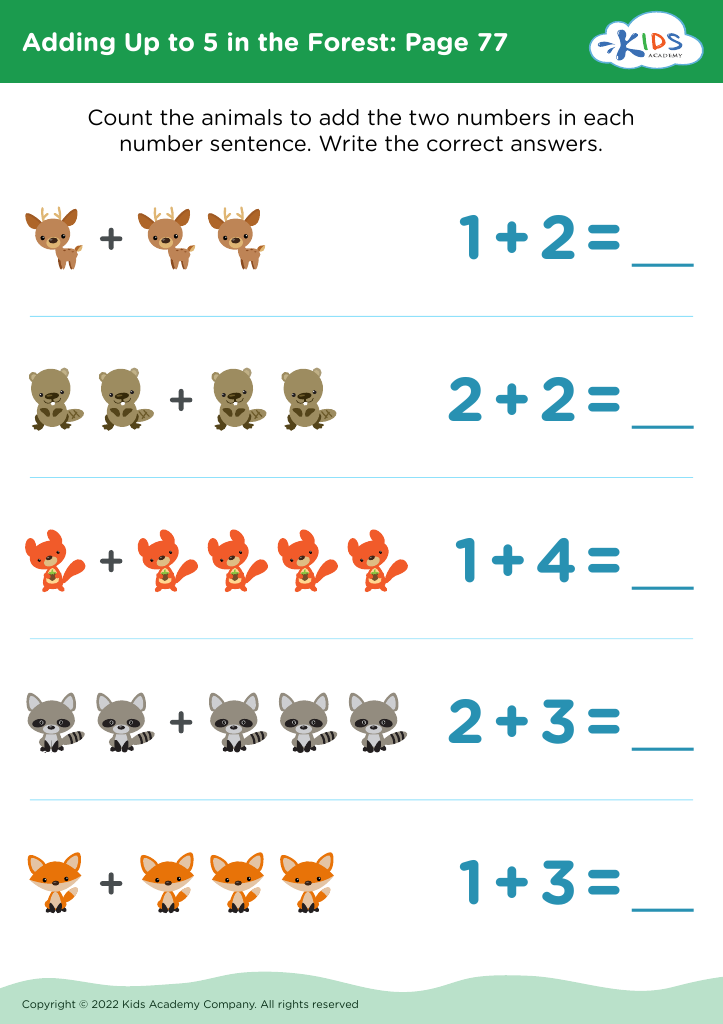
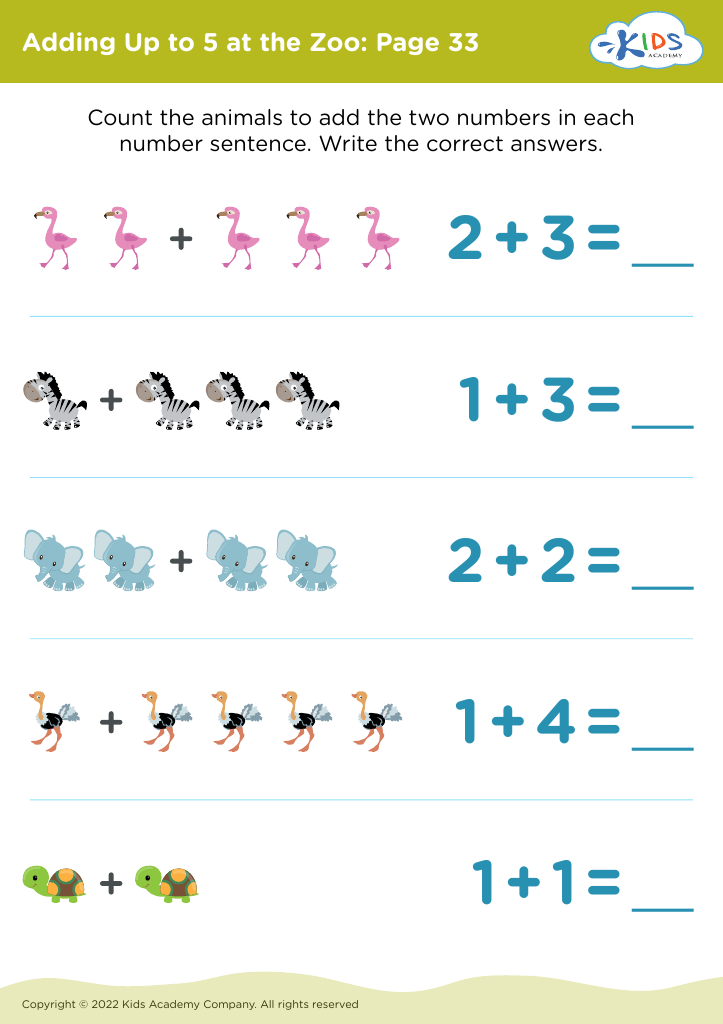
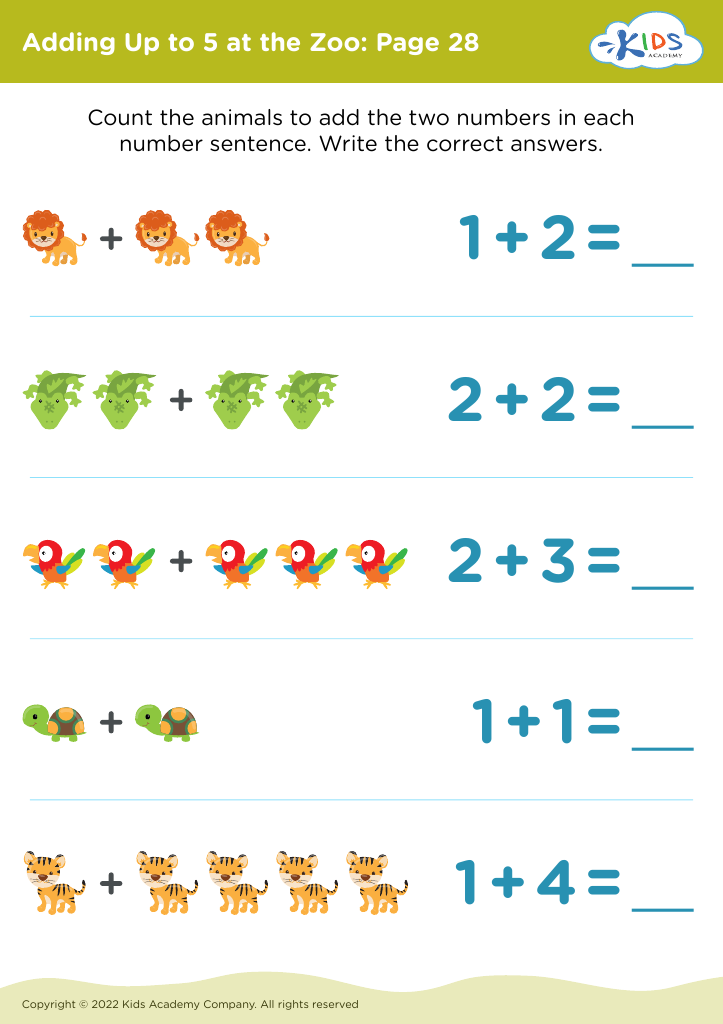
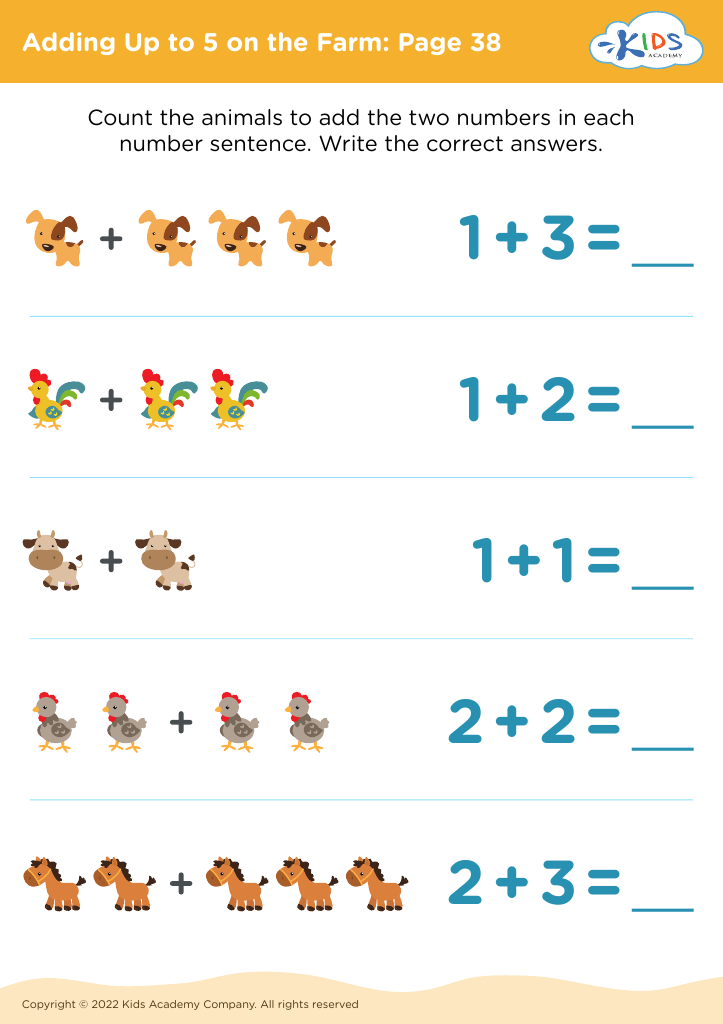
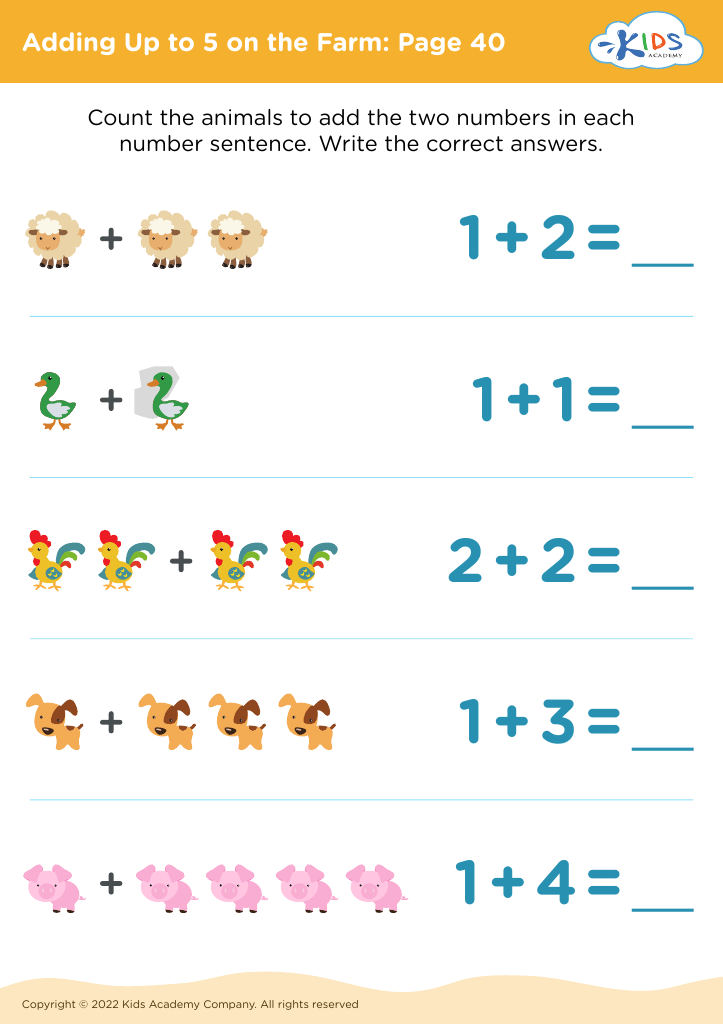
Explore our engaging Animal Recognition Math Worksheets designed specifically for children aged 4 to 8! These interactive worksheets combine fundamental math skills with the exciting world of animals, making learning fun and memorable. Kids will develop essential skills such as counting, addition, and pattern recognition while identifying their favorite animals. Our visually appealing activities promote cognitive development and encourage a love for learning. Perfect for home or classroom use, these worksheets cater to various learning styles and aim to enhance not only math skills but also fine motor skills. Let the adventure begin with our delightful animal-themed math activities!
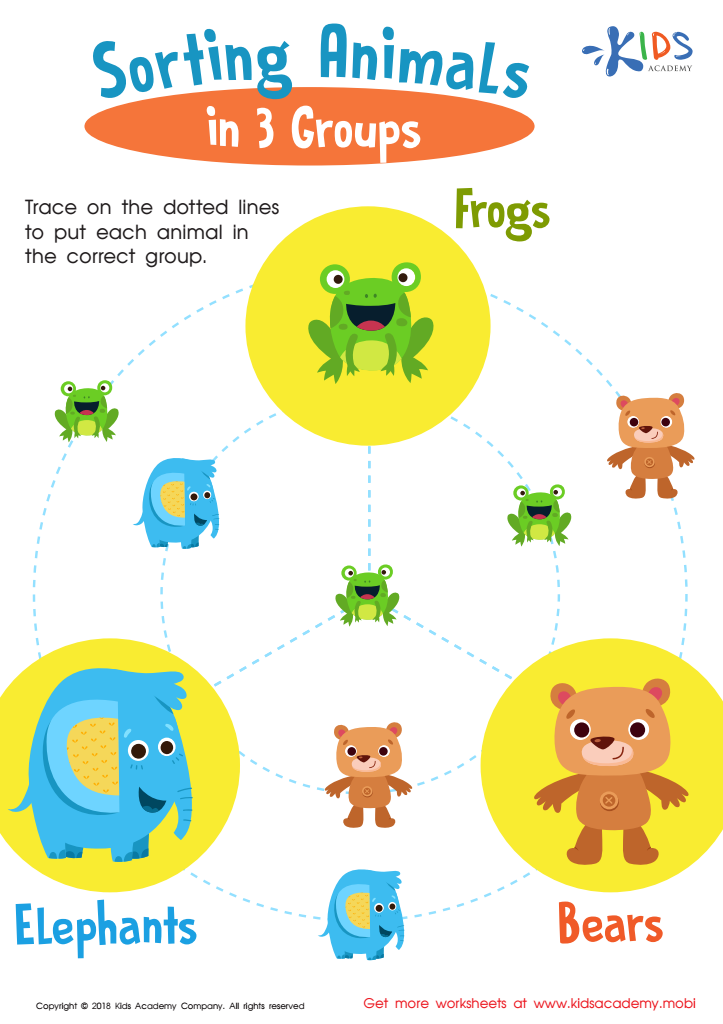
Sorting Animals in 3 Groups Worksheet
 Assign to My Students
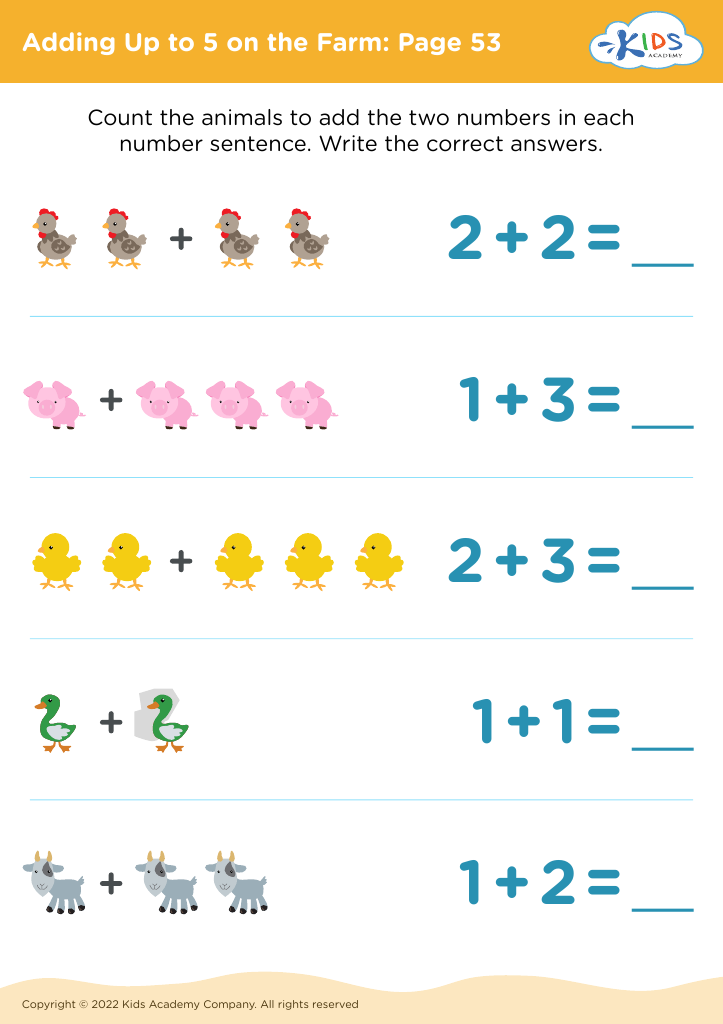
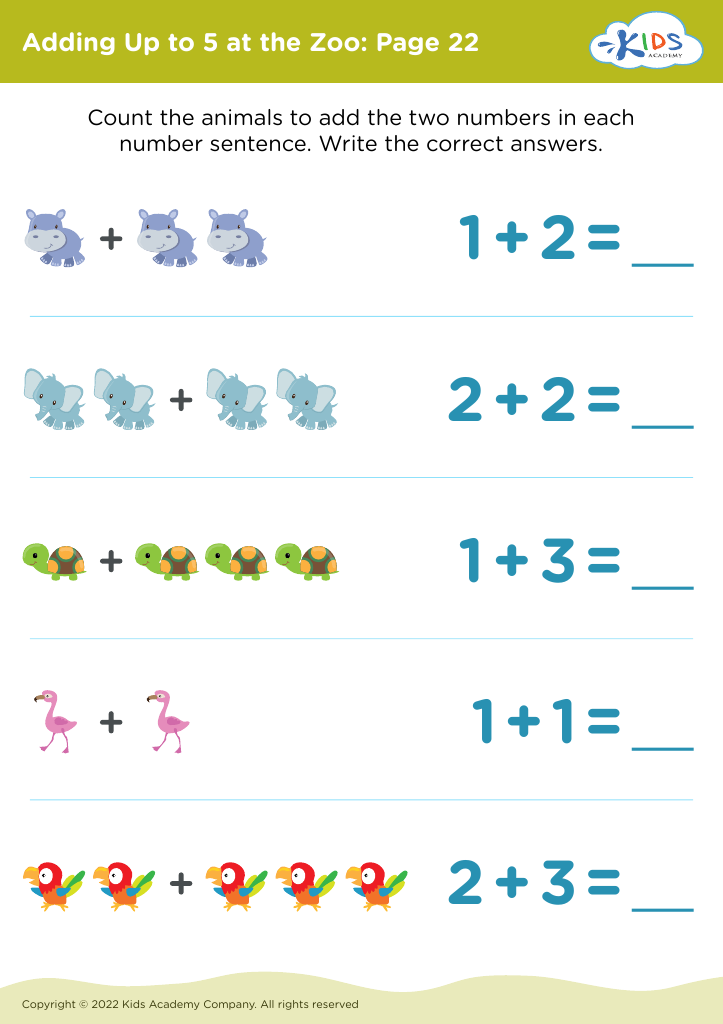
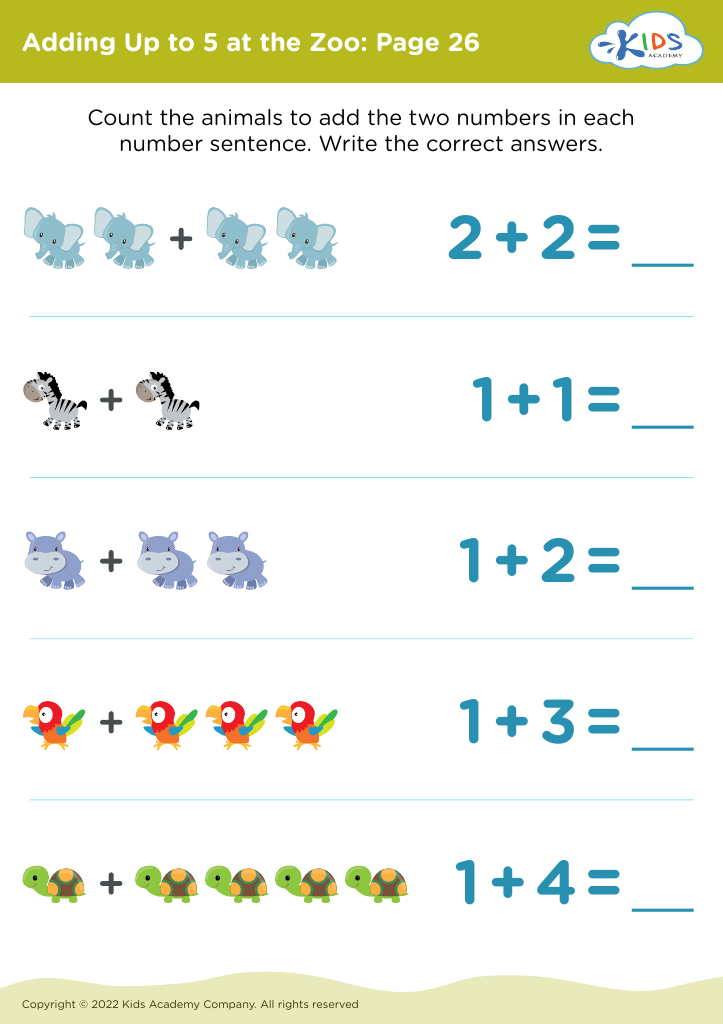
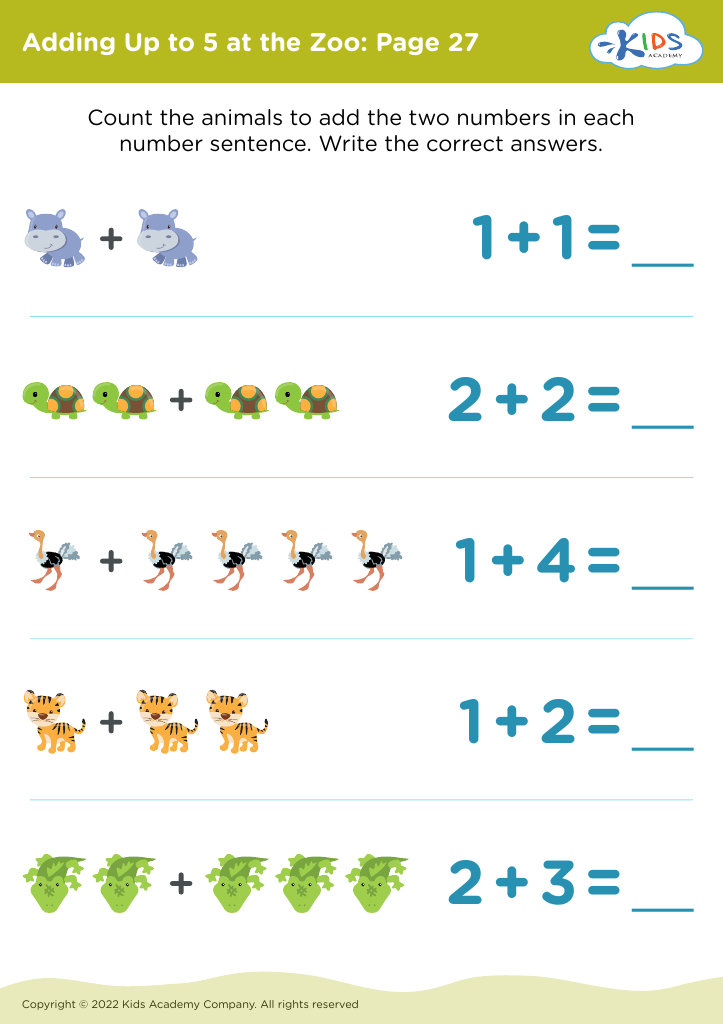
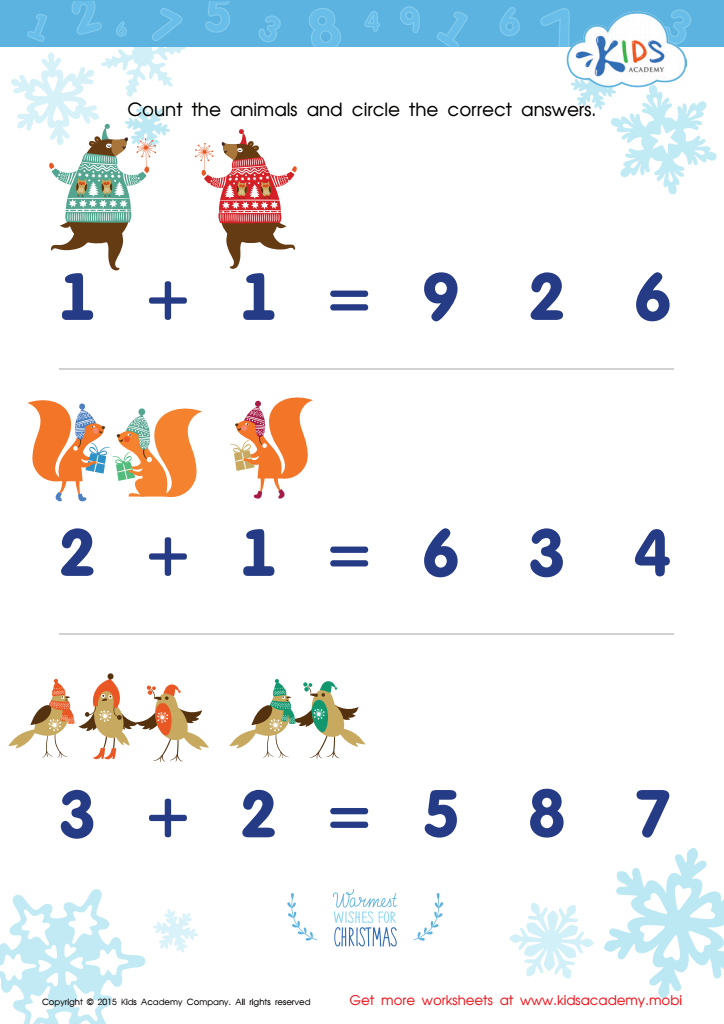
Count Funny Animals Worksheet
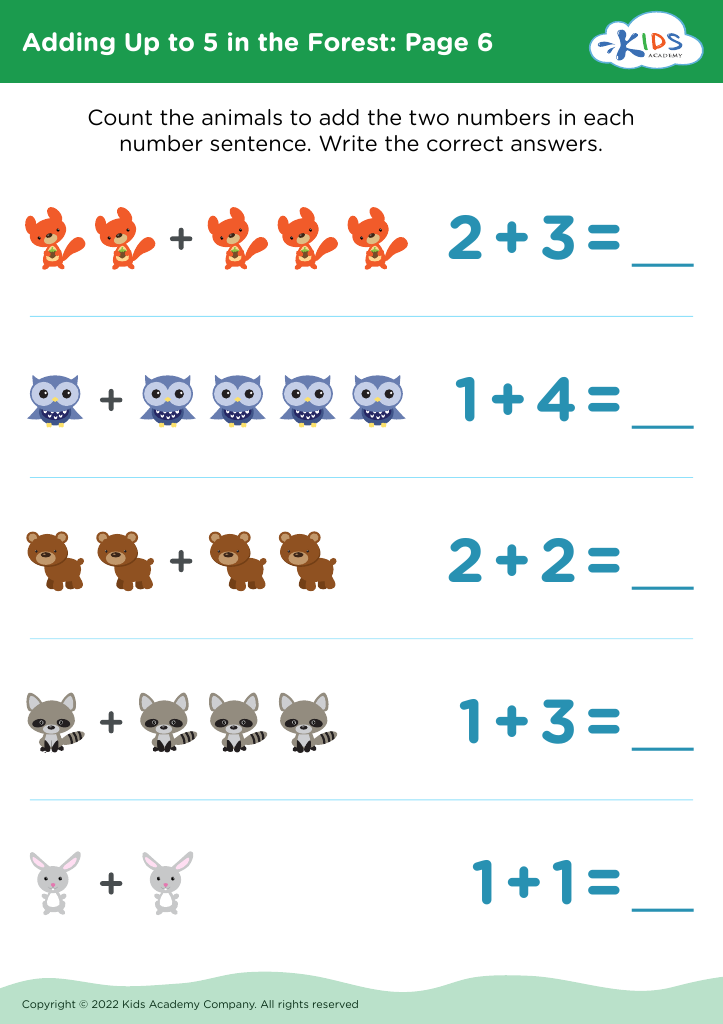
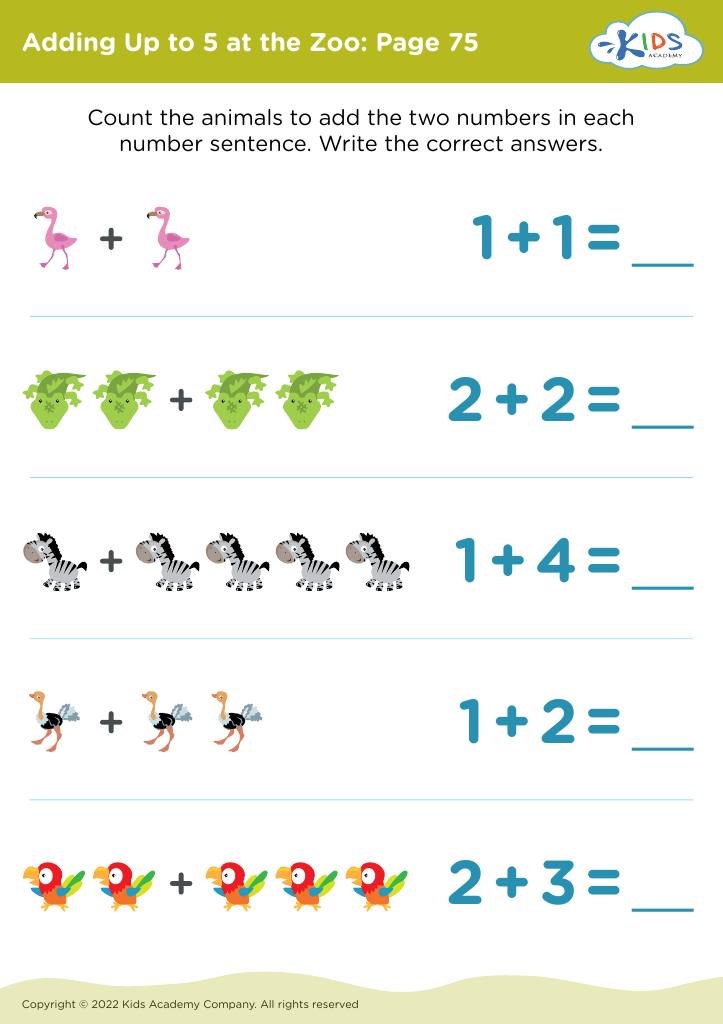
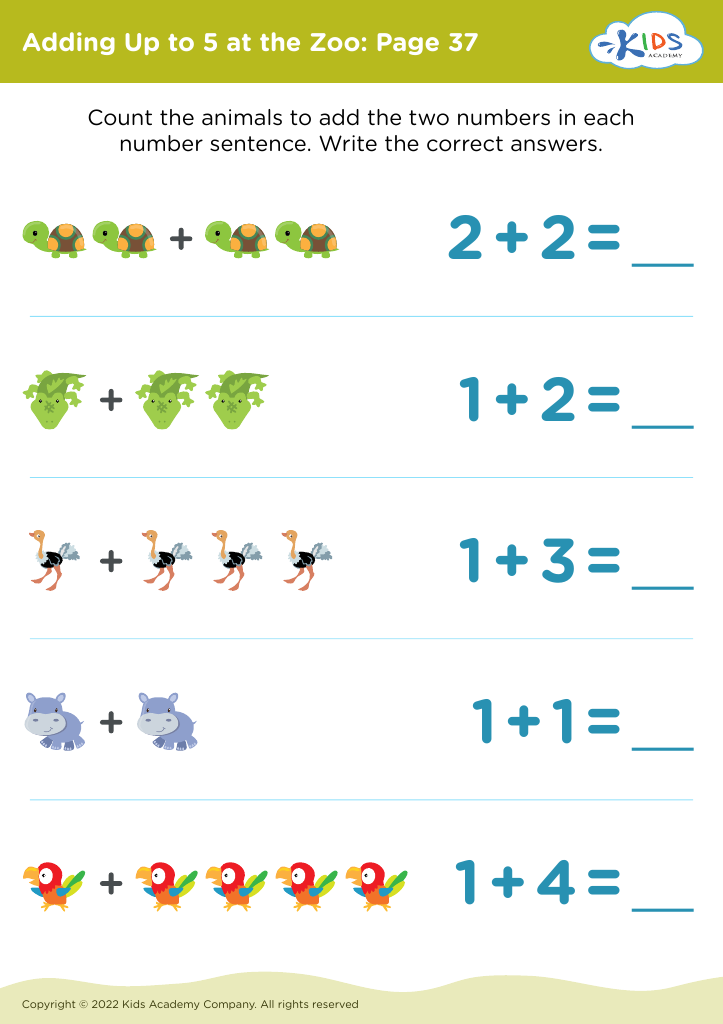








Animal recognition math is an engaging way to develop essential mathematical skills in children aged 4-8 while fostering a deep appreciation for the natural world. By integrating animals into early math education, teachers and parents can enhance children's learning experiences in several key ways.
Firstly, animal recognition provides a relatable and motivating context for kids. When children learn about familiar animals, their interest piques, making math concepts such as counting, sorting, and basic addition and subtraction more enjoyable. This approach taps into real-world experiences and encourages active participation.
Additionally, using animals in math activities supports cognitive development, promoting skills like critical thinking and problem-solving. For example, when students classify animals by size, color, or habitat, they practice categorization and logical reasoning.
Moreover, this method promotes social and emotional learning. Discussions about animals can spark conversations about empathy, respect, and environmental stewardship. Encouraging children to see the relevance of their math skills in everyday scenarios fosters a lifelong enthusiasm for learning.
Lastly, animal recognition math can bridge home and school learning, allowing parents and teachers to collaborate in nurturing both math skills and a love for nature. Overall, embracing this innovative approach benefits children’s holistic development.








