Basic Arithmetic Math Worksheets for Ages 4-8 - Page 2
56 filtered results
-
From - To
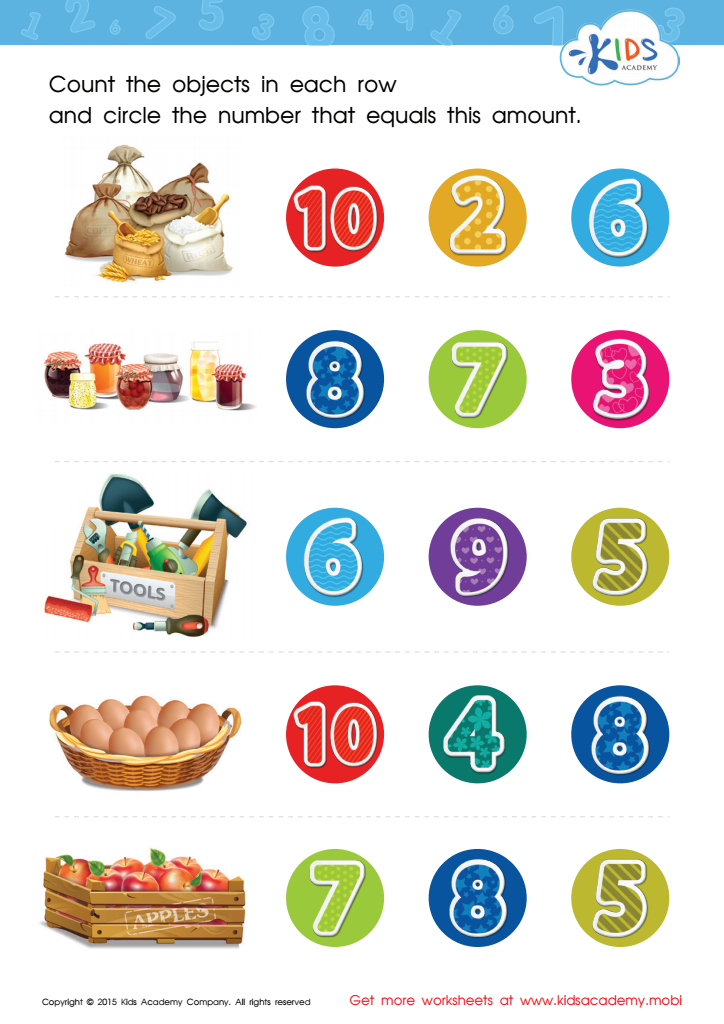
Count and Match 6 – 10 Math Worksheet
 Assign to My Students
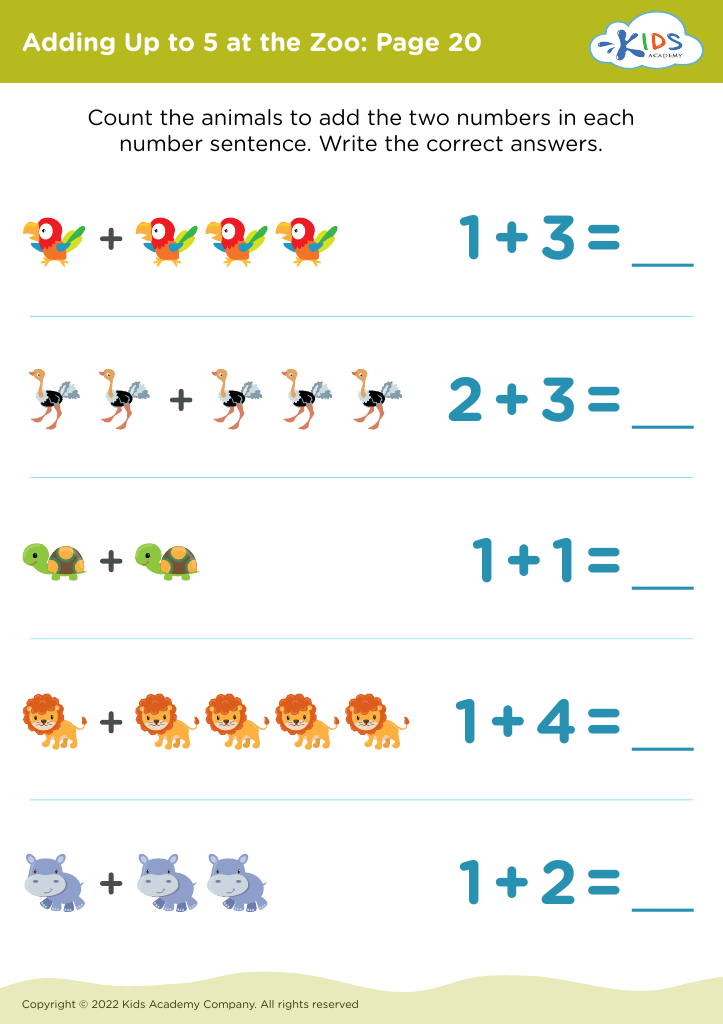
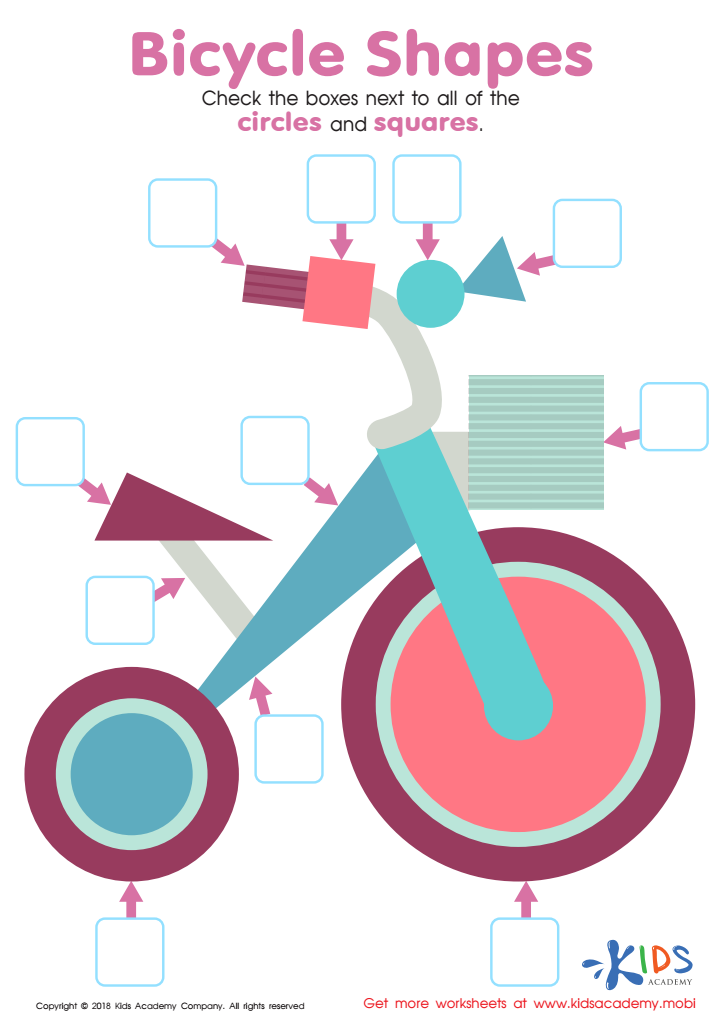
Bicycle Shapes Worksheet
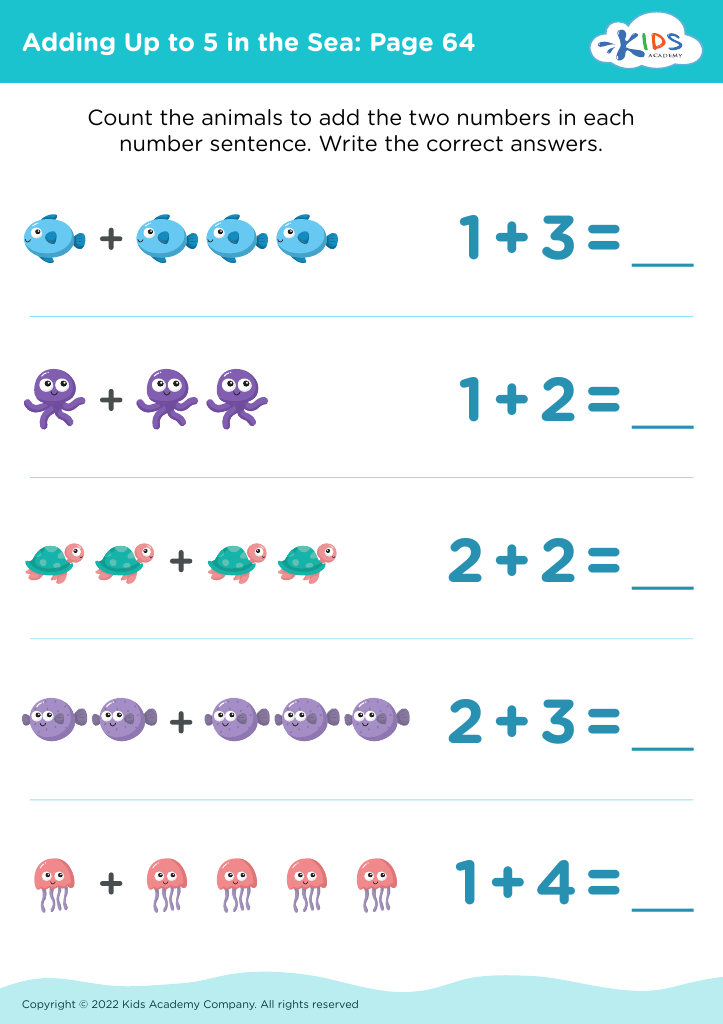
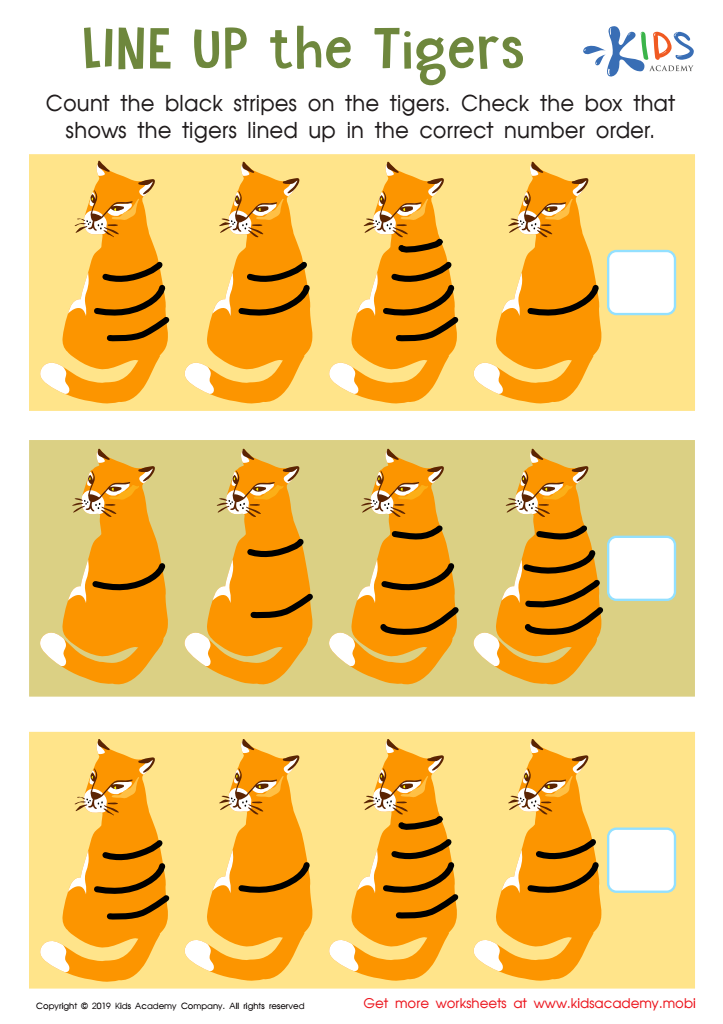
Line up the Tigers Worksheet
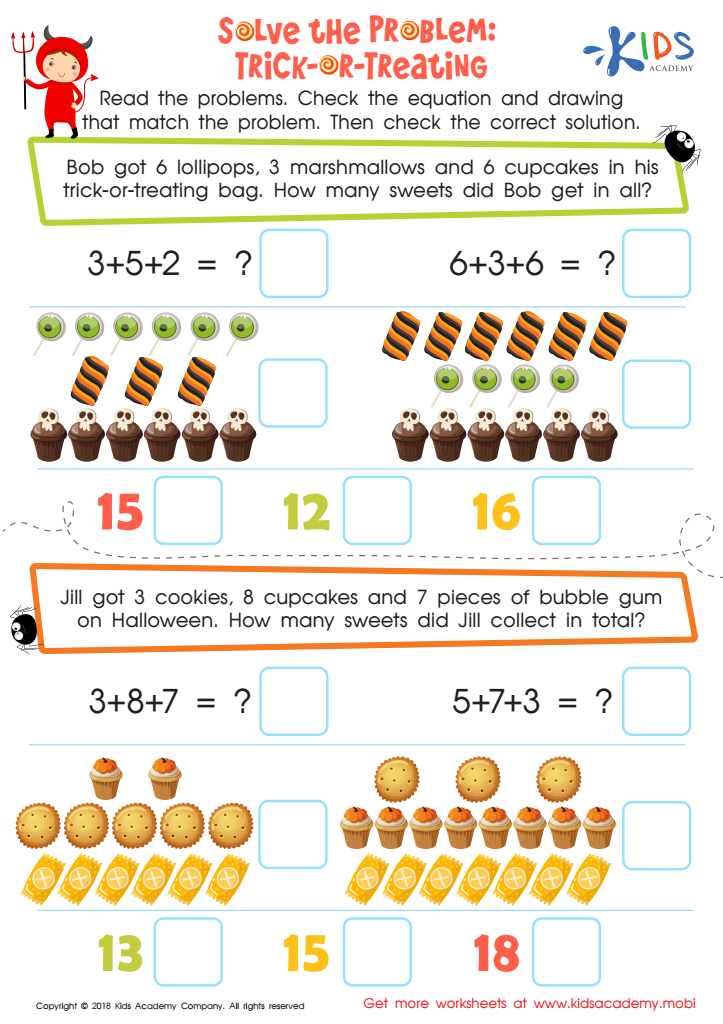
Solve the Problem: Trick–or–treating Worksheet
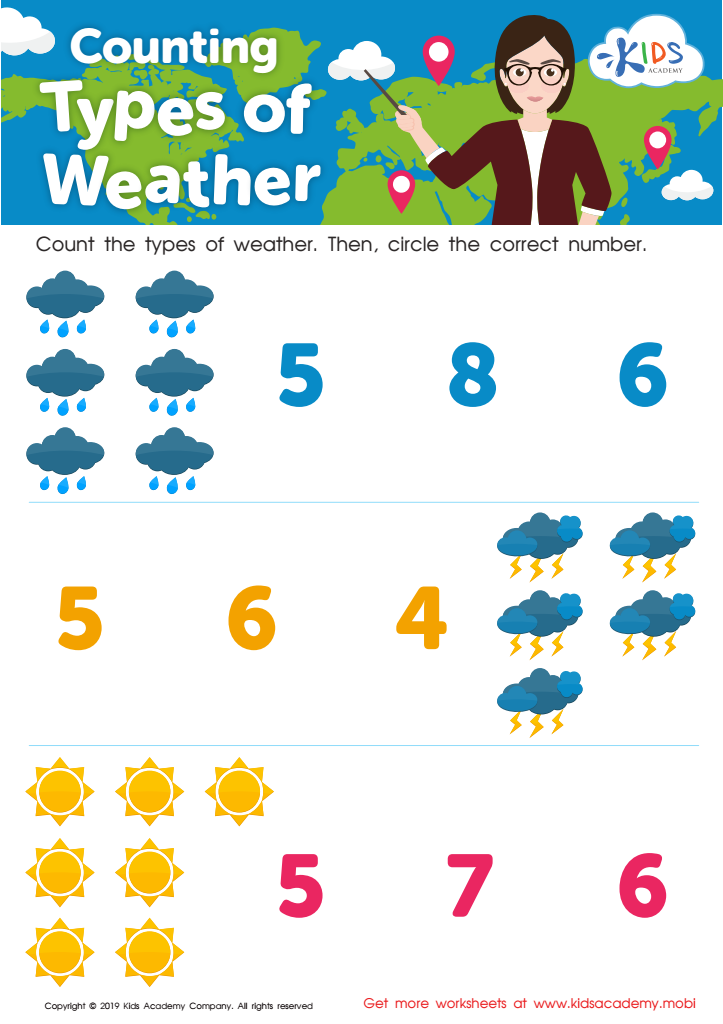
Counting Types of Weather Worksheet
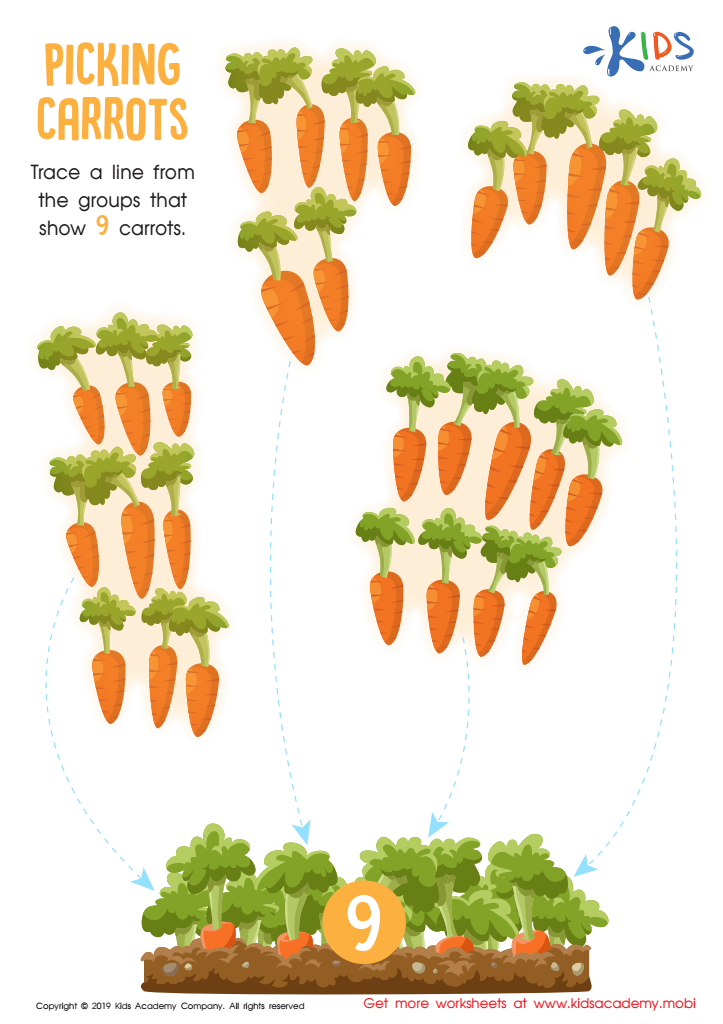
Picking Carrots Worksheet
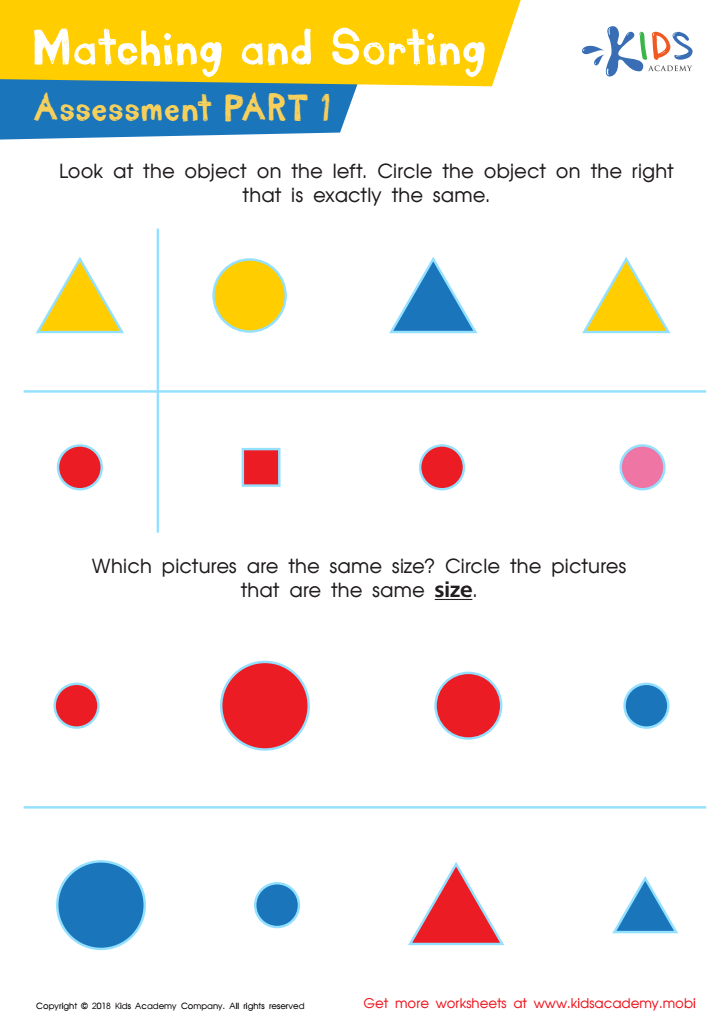
Matching and Sorting for Kindergarten: Assessment 1 Worksheet
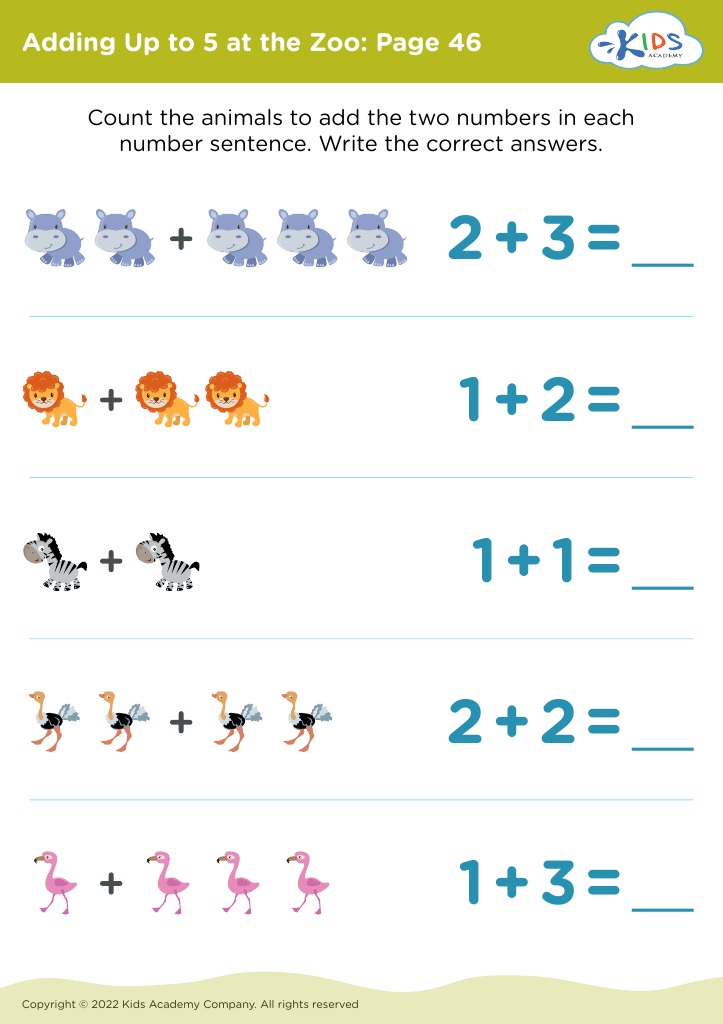
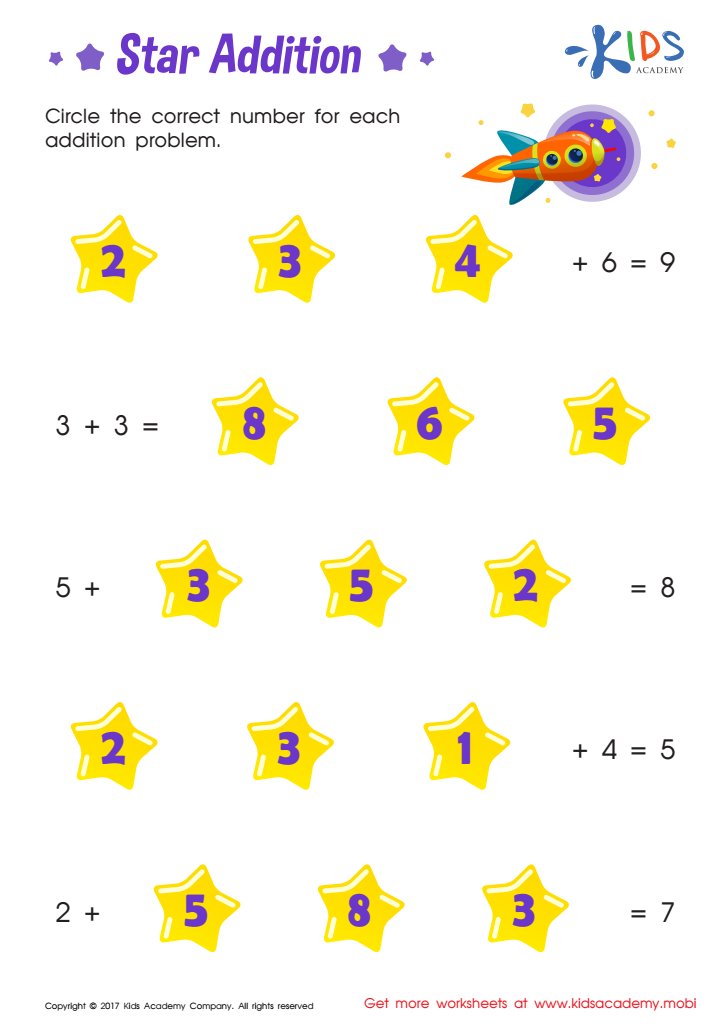
Star Addition Printable
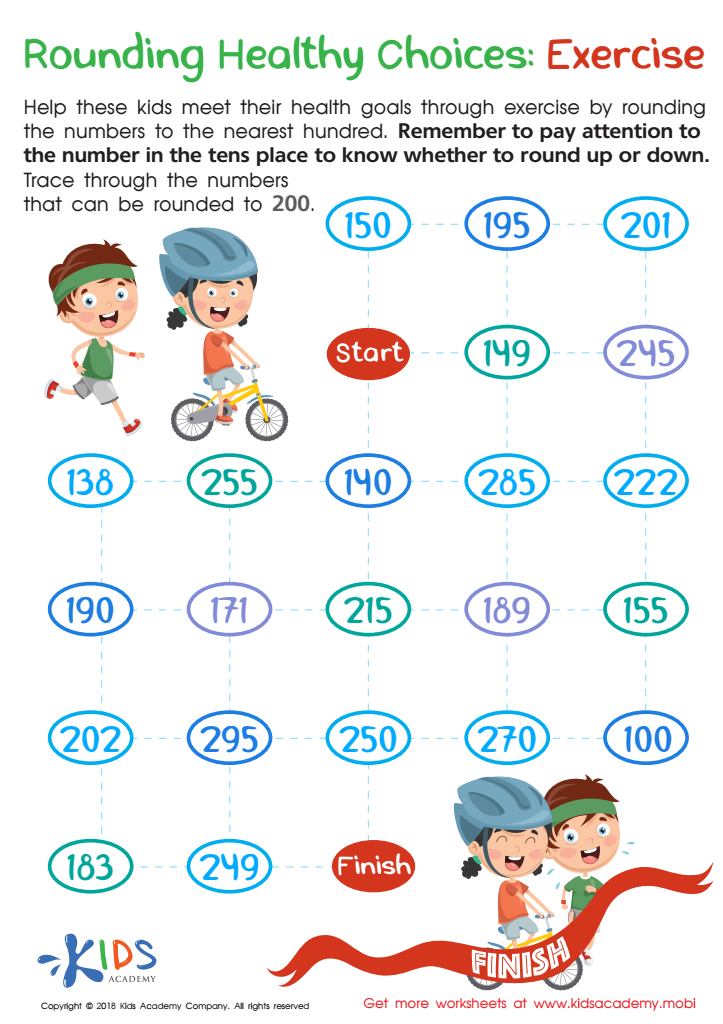
Rounding Healthy Choices Exercise Worksheet
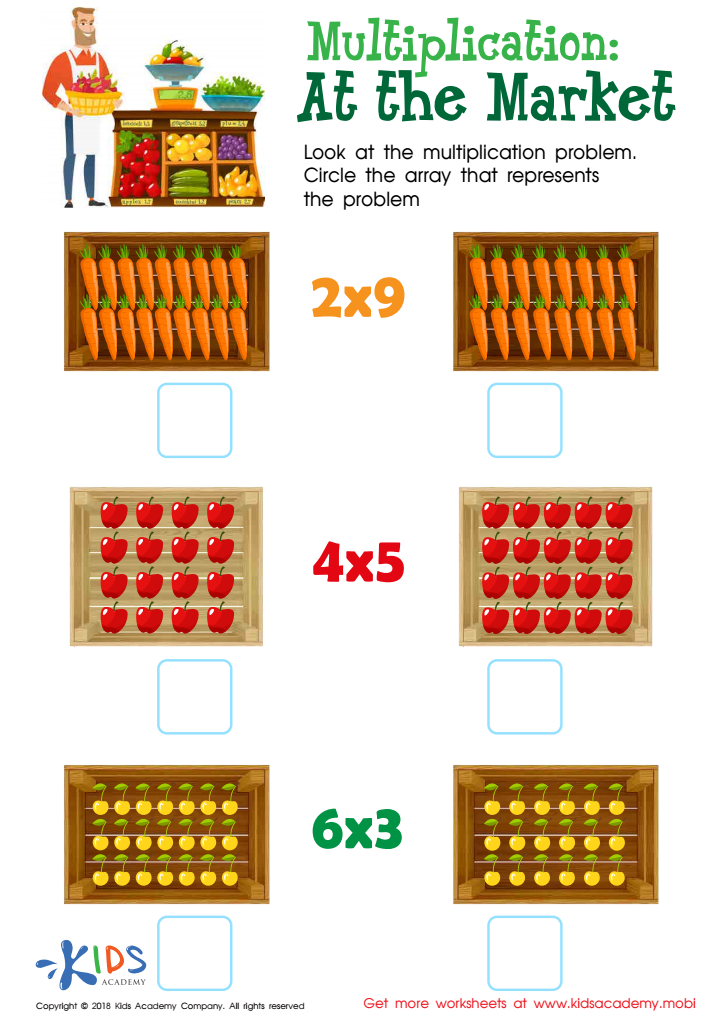
At the Market Worksheet
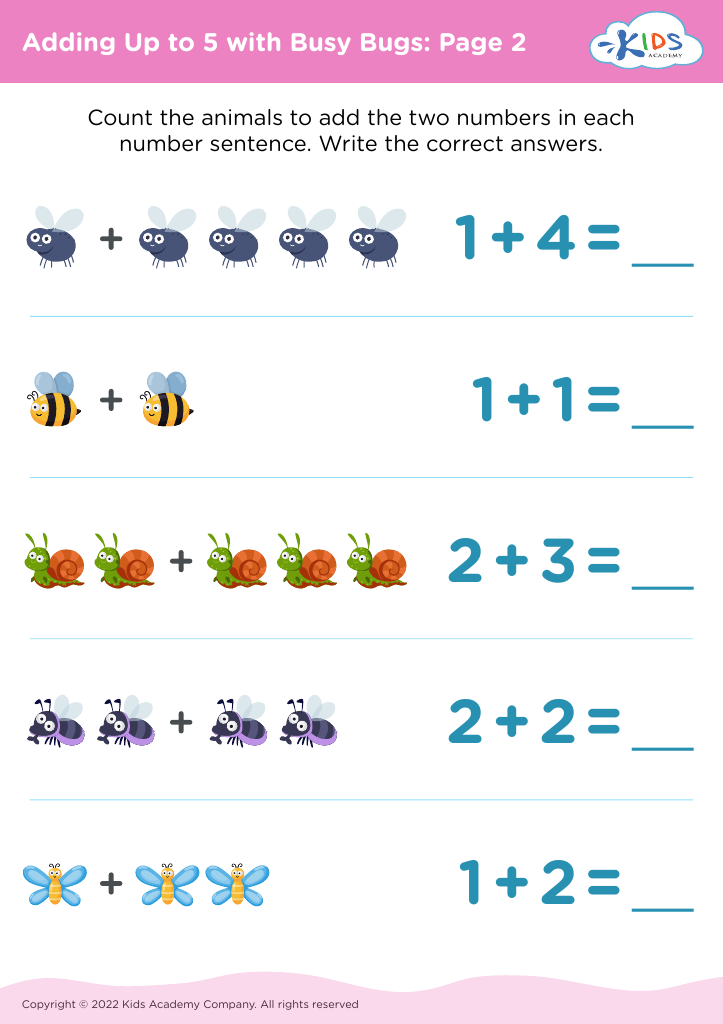
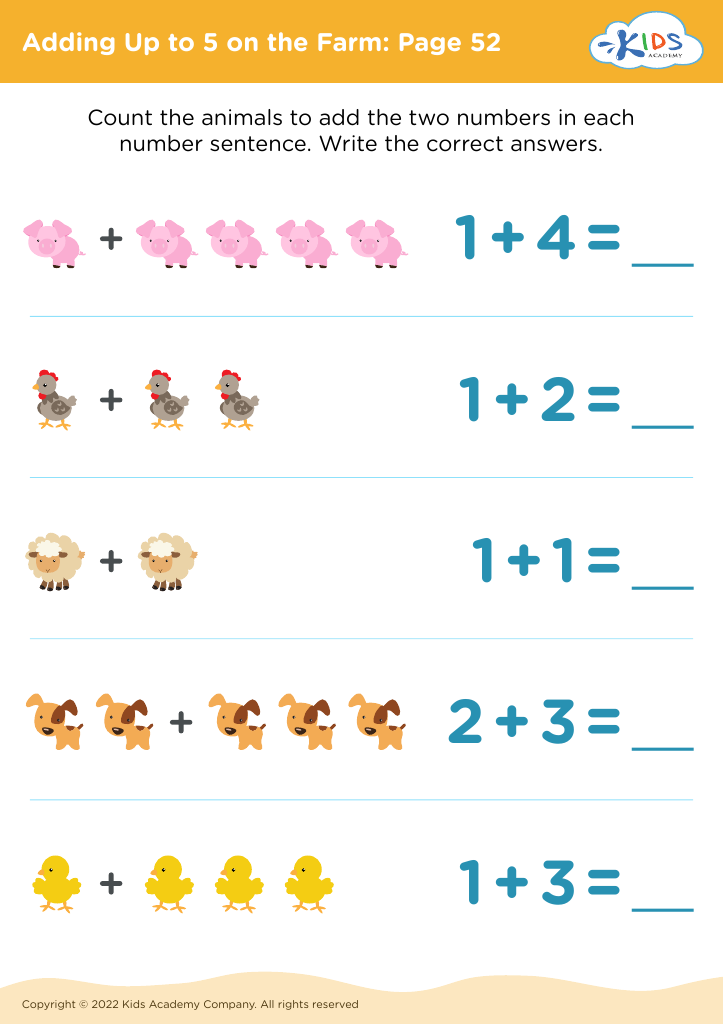
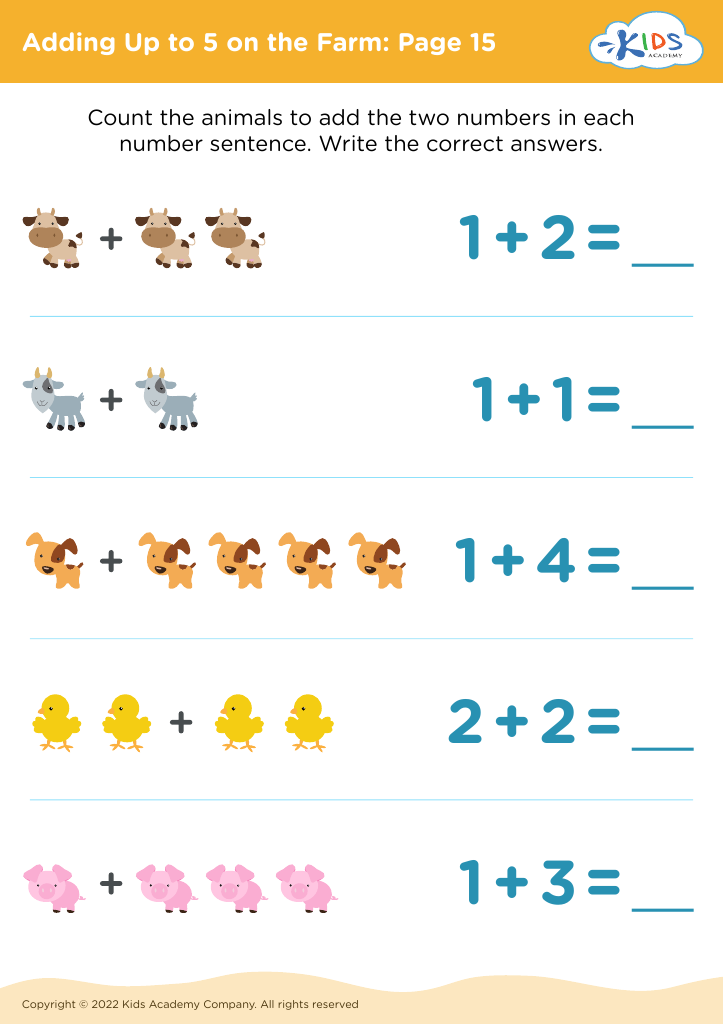
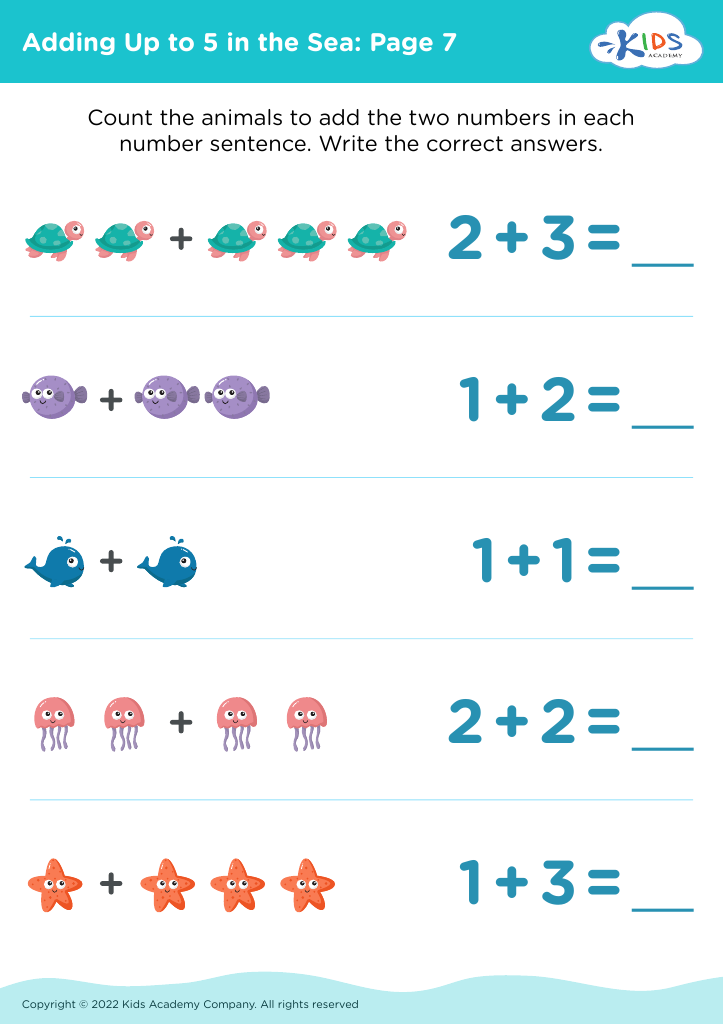
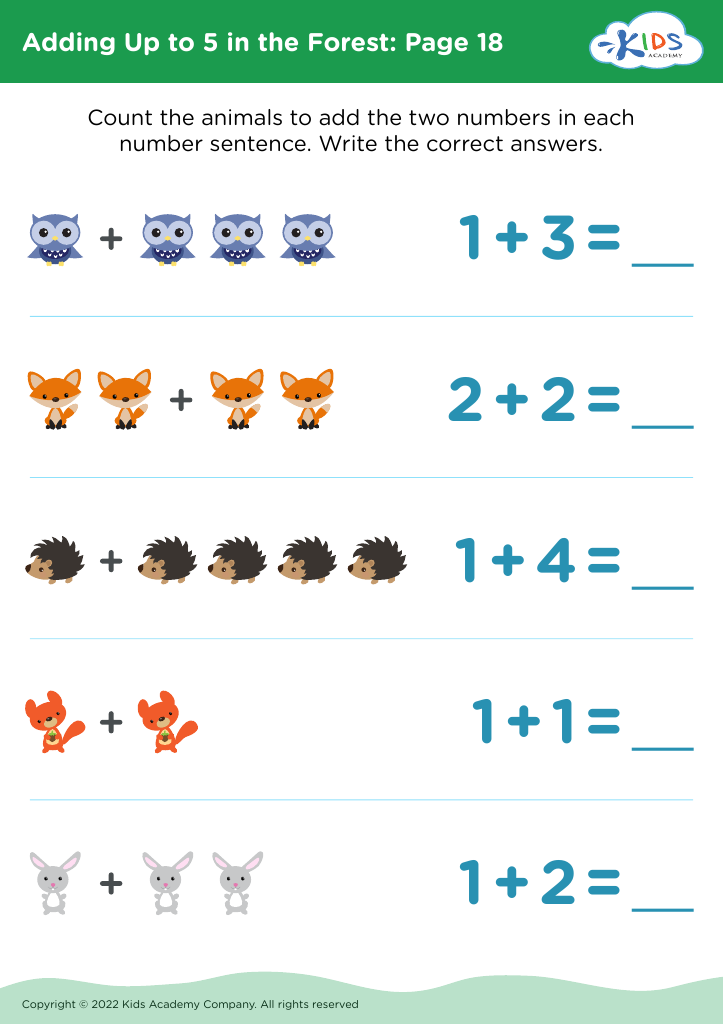
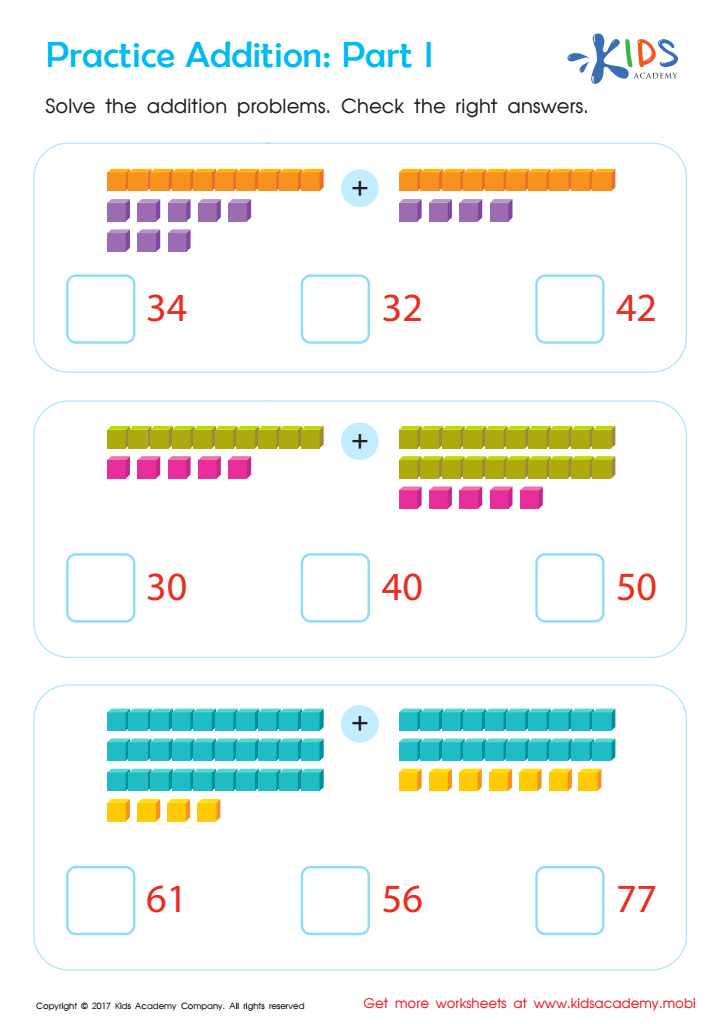
Practice Addition: Part 1 Worksheet
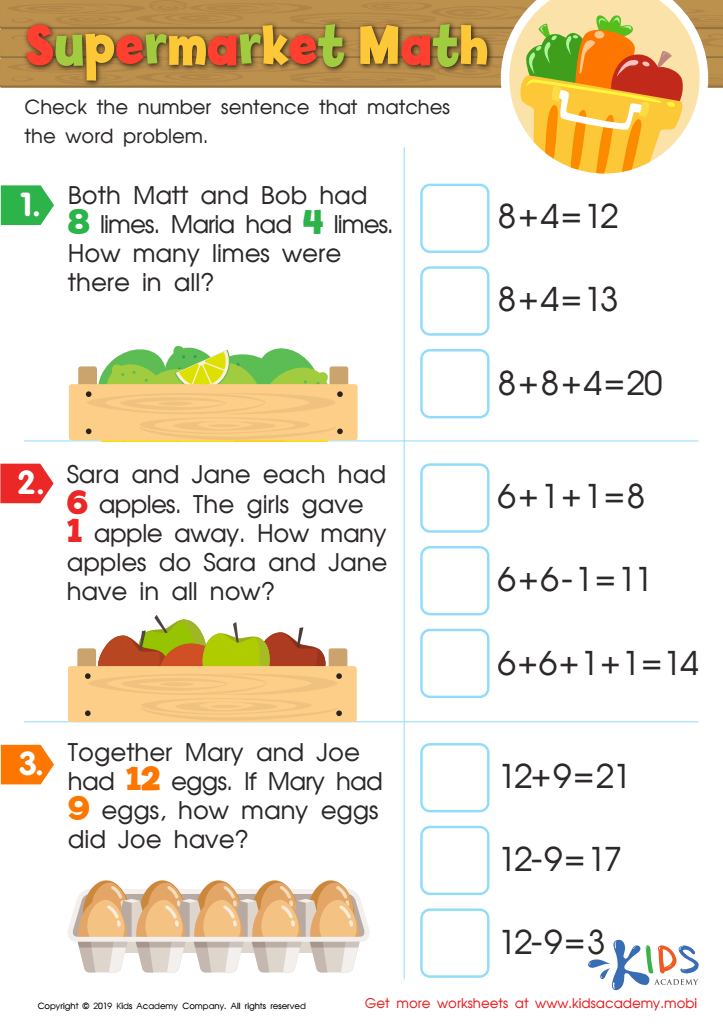
Supermarket Math Worksheet






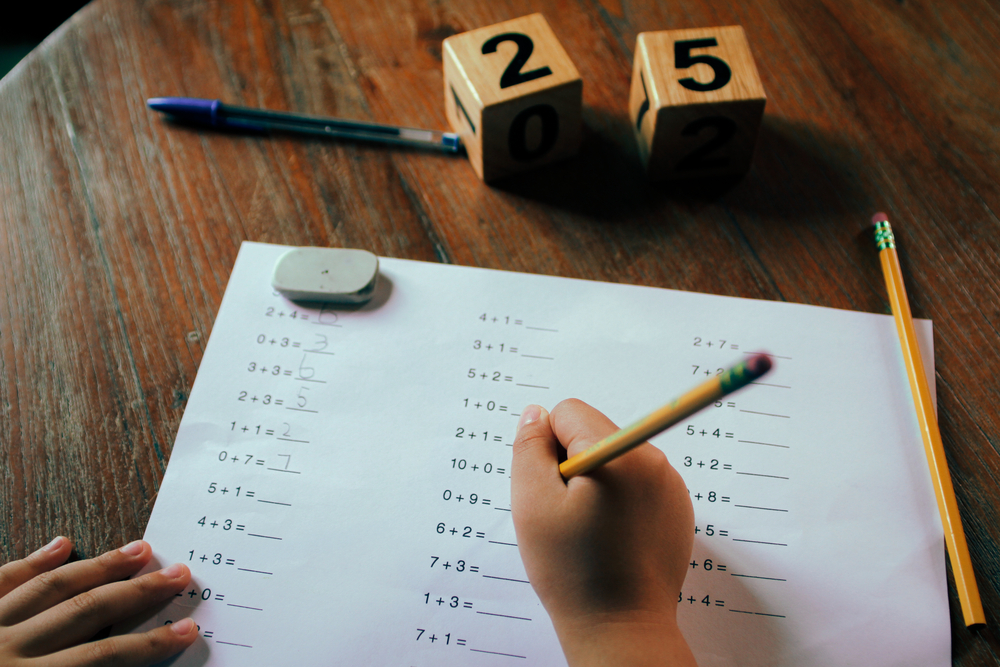

Basic arithmetic math lays the foundation for a child's future academic success and everyday life skills. For children ages 4-8, mastering basic arithmetic concepts like addition, subtraction, multiplication, and division is crucial. This early exposure to math improves their problem-solving abilities and enhances logical thinking, which are necessary competencies for academic subjects beyond mathematics, such as science and engineering.
Moreover, early math proficiency correlates with improved literacy and better overall academic performance. By developing number sense and arithmetic skills early on, children become more confident learners. This confidence fosters a positive attitude toward learning and can decrease anxiety around more complex subjects encountered in later grades.
Beyond academics, basic arithmetic is essential for practical life skills. It helps children understand time, manage money, and develop spatial awareness, which are indispensable for everyday activities. From counting apples at the grocery store to understanding the concept of time needed for daily routines, math becomes a grounded, useful part of their lives.
Therefore, parents and teachers play an instrumental role in shaping a child's relationship with math through engaging activities, games, and consistent practice. Fostering a strong mathematical foundation during these early years equips children with the skills they need for a successful and independent future.








