Basic geometry knowledge Math Worksheets for Ages 4-8
4 filtered results
-
From - To
Discover our Basic Geometry Knowledge Math Worksheets for ages 4-8! These engaging and colorful worksheets are designed to introduce young learners to fundamental geometry concepts, including shapes, patterns, symmetry, and spatial relationships. Each activity is thoughtfully crafted to make learning fun and interactive, helping children develop critical thinking and problem-solving skills. Perfect for both classroom use and home practice, our worksheets cater to different learning paces, ensuring every child can grasp the basics of geometry. Start building a solid foundation in math for your child with our expertly designed worksheets!
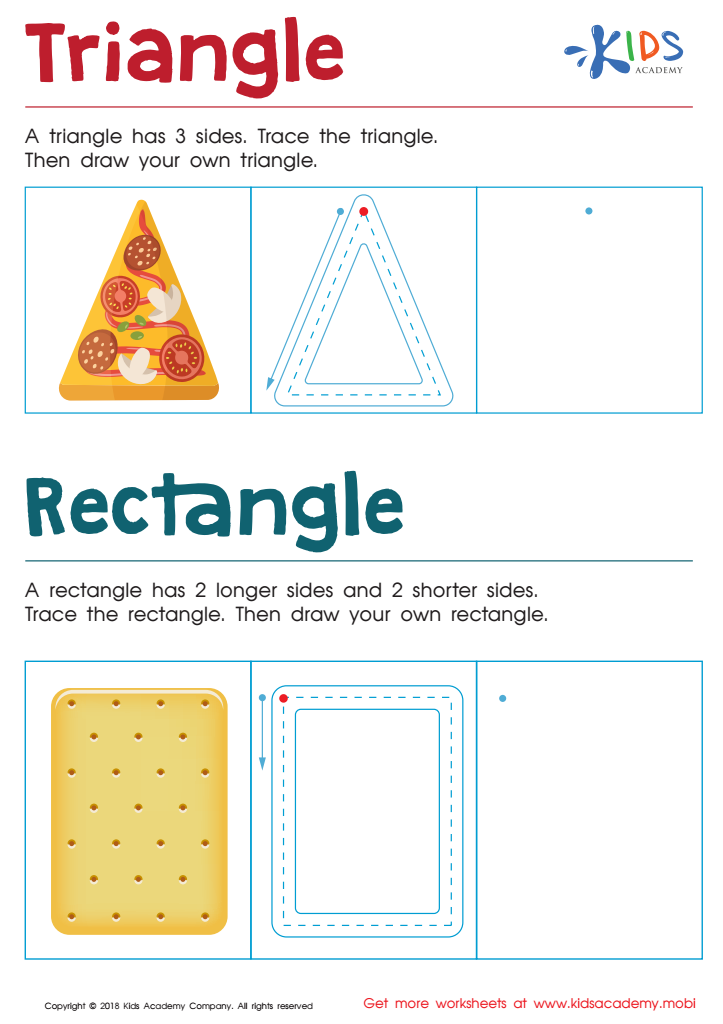
Triangle Rectangle Worksheet
 Assign to My Students
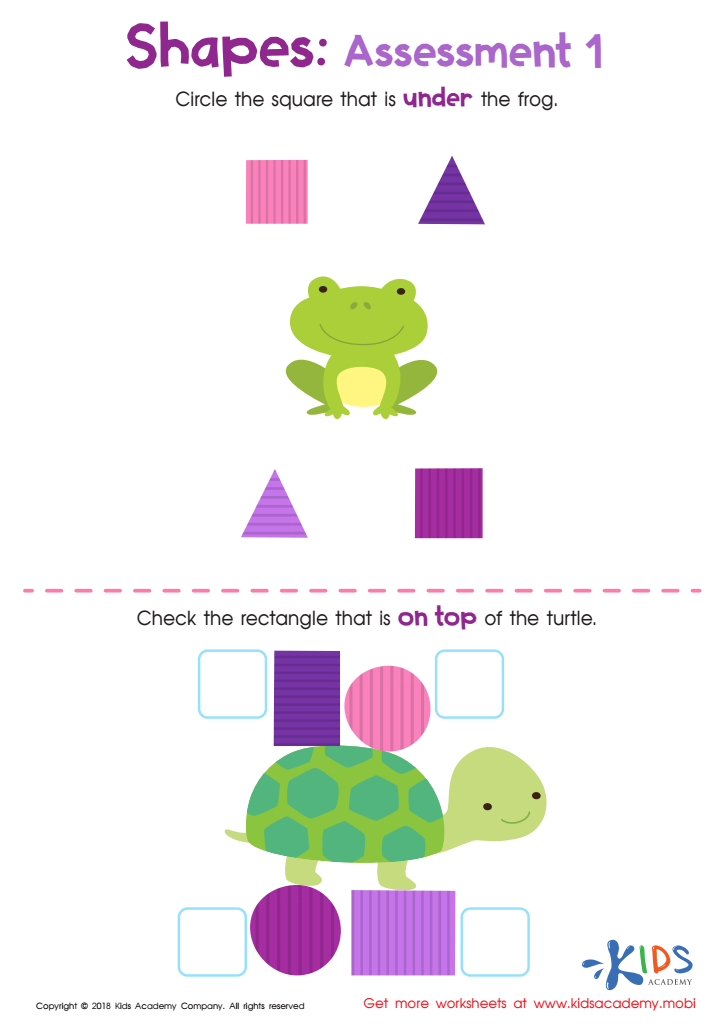
Geometry – Assessment 1 Worksheet
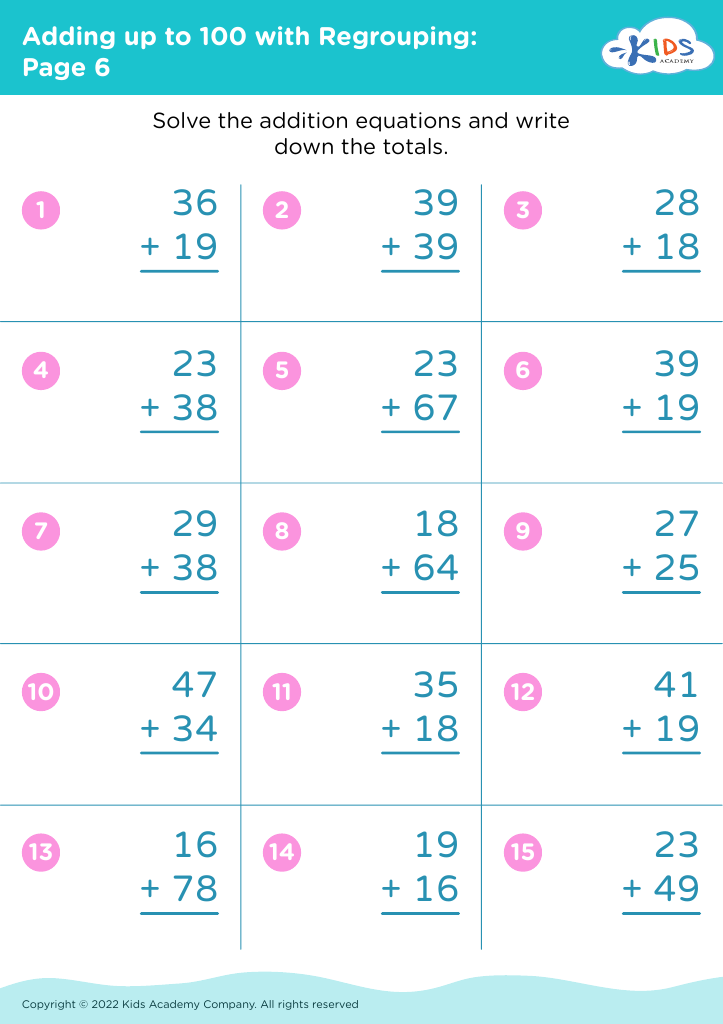
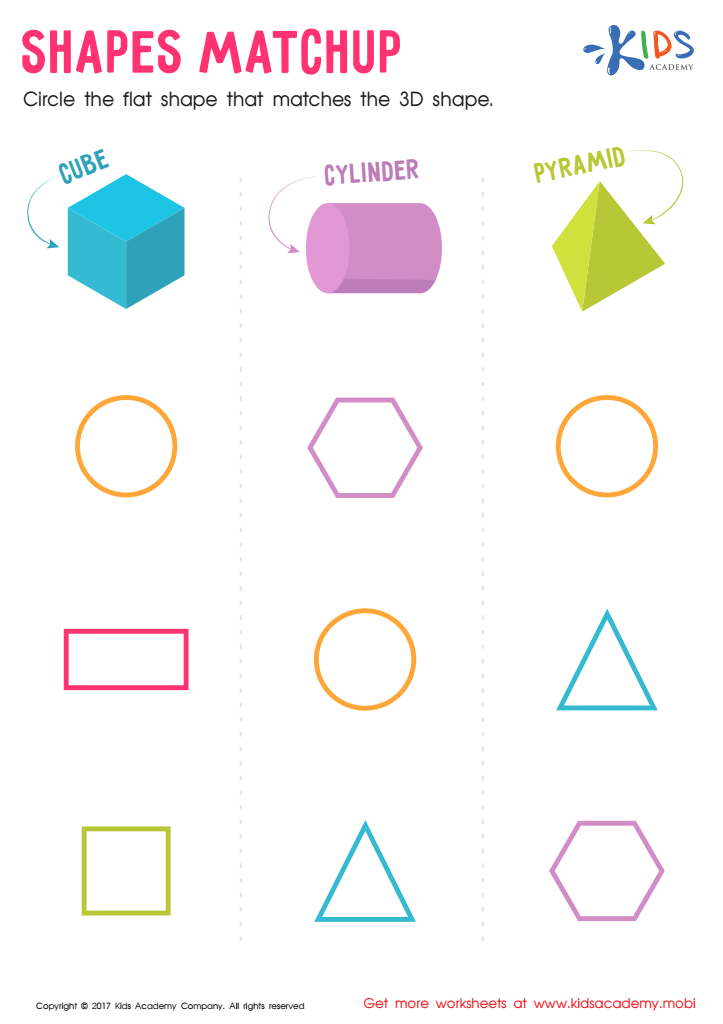
Shapes Matchup Worksheet





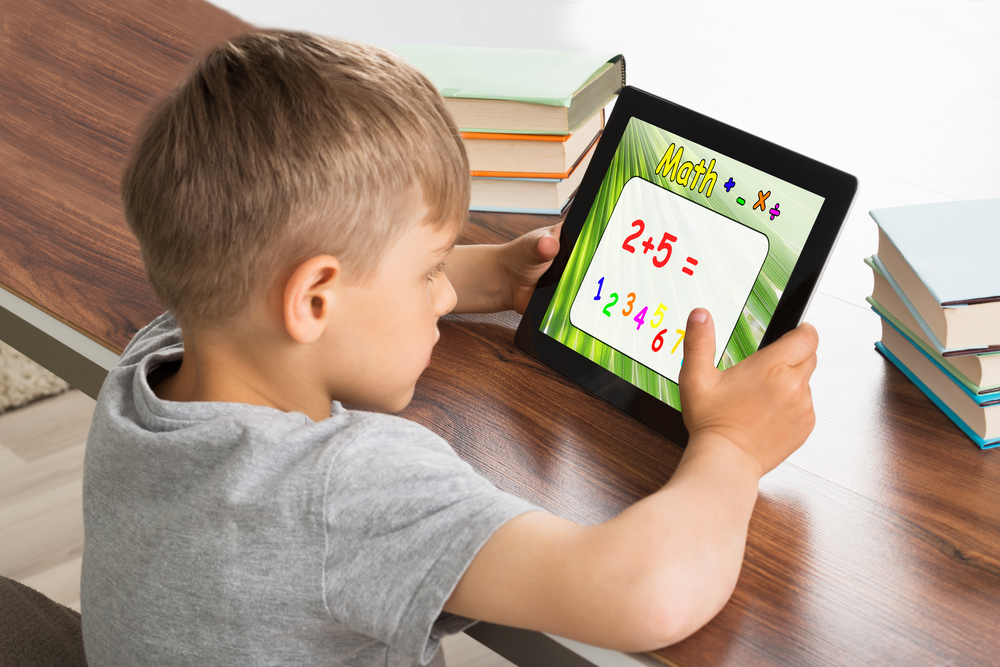


Parents and teachers should care about basic geometry knowledge for ages 4-8 because it is foundational for cognitive development and practical life skills. During these formative years, children are exceptionally receptive to learning new concepts, and geometry helps enhance their spatial reasoning and critical thinking abilities. Recognizing shapes and their properties, understanding spatial relationships, and learning to manipulate objects in space are vital skills that extend beyond mathematics.
Geometry introduces young learners to concepts of symmetry, comparison, and measurement, establishing a basis for more advanced mathematical concepts later on. Moreover, these skills are not limited to math; they are used in science, technology, engineering, and art—helping to solve problems, create plans, and understand the world around them.
In daily life, basic geometry helps children make sense of their environment. They begin to see patterns, optimize space, understand directions, and integrate abstract ideas into real-world contexts. Furthermore, early exposure to geometry fosters a positive attitude towards math, as interactive and visually stimulating activities can make learning more engaging and enjoyable.
By investing in basic geometry knowledge during ages 4-8, parents and teachers set children up for long-term academic success and practical competence, making them better equipped for the challenges of future education and everyday life.








