Boost critical thinking Math Worksheets for Ages 4-8
4 filtered results
-
From - To
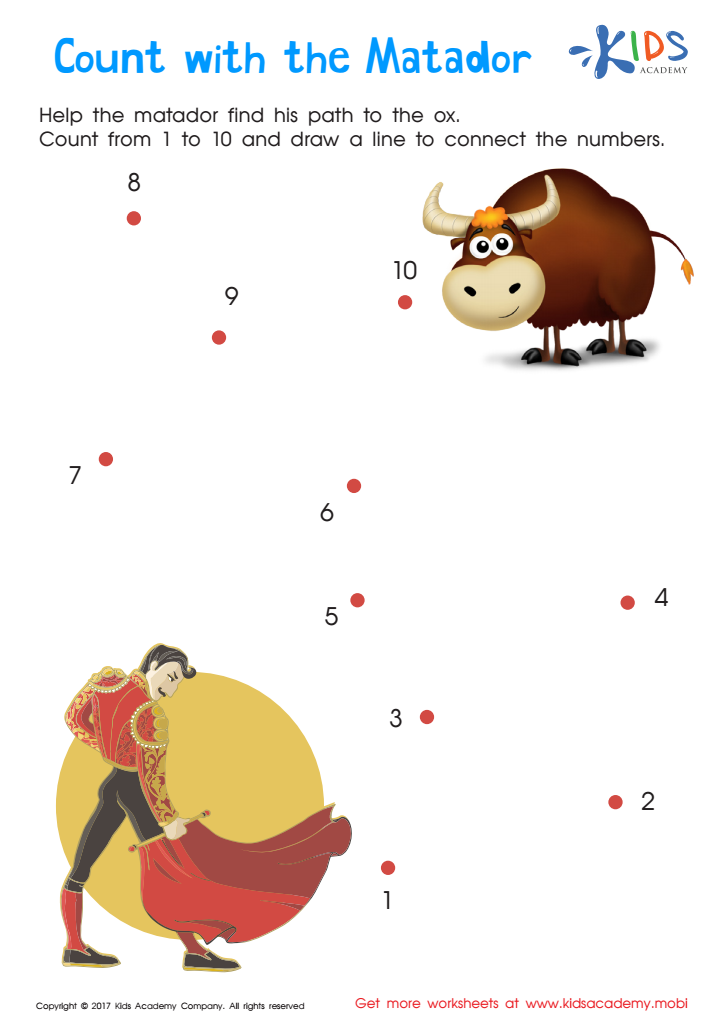
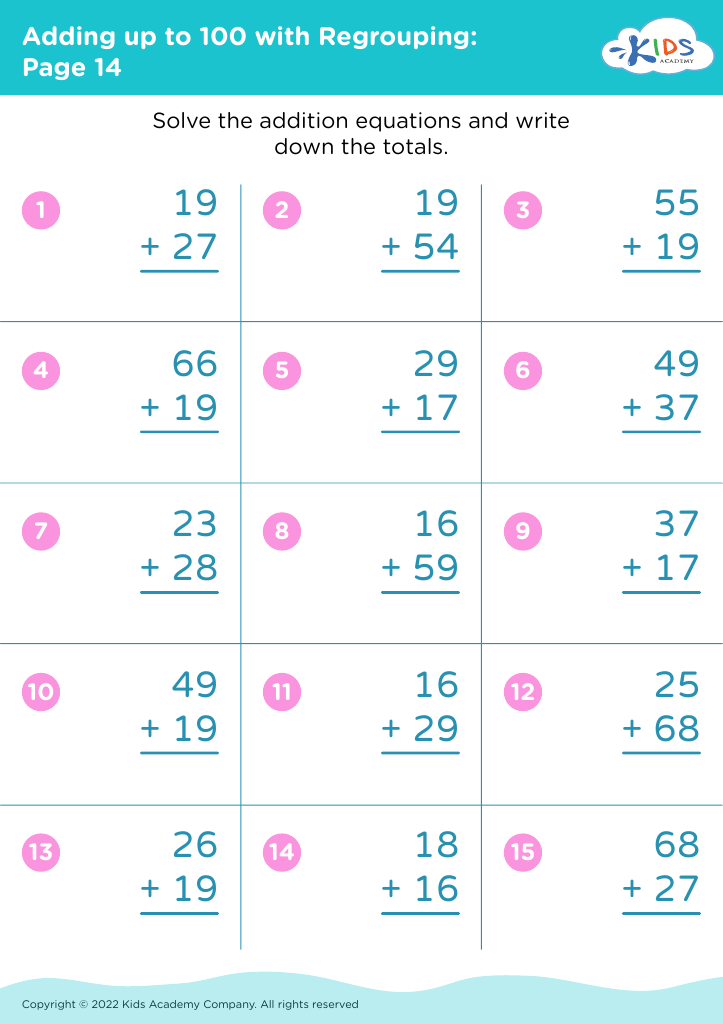
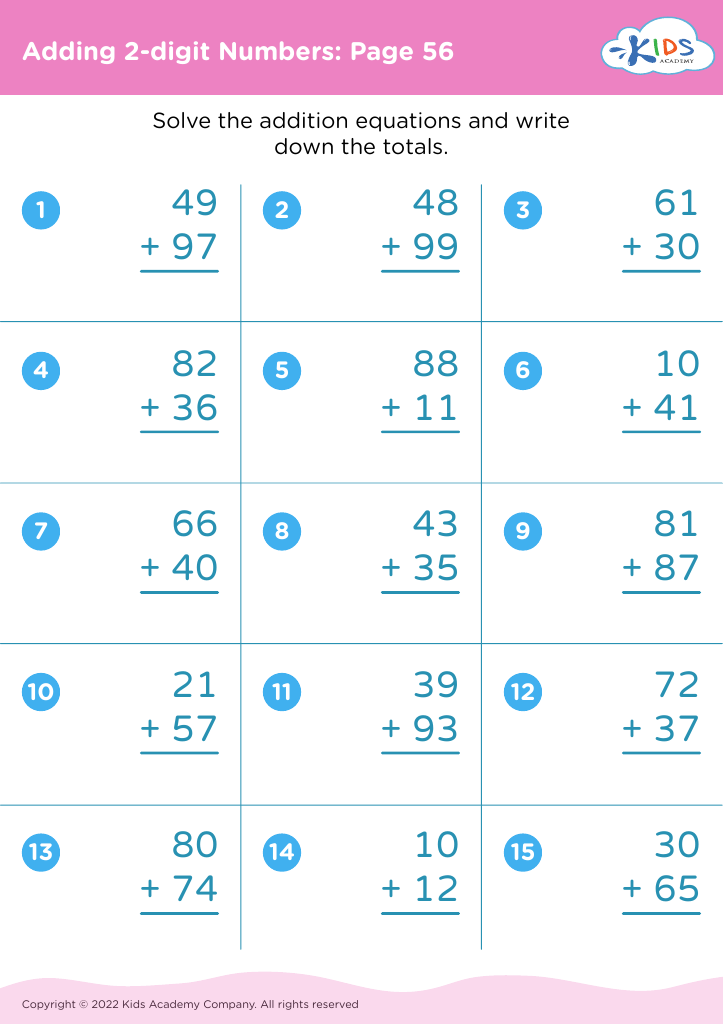
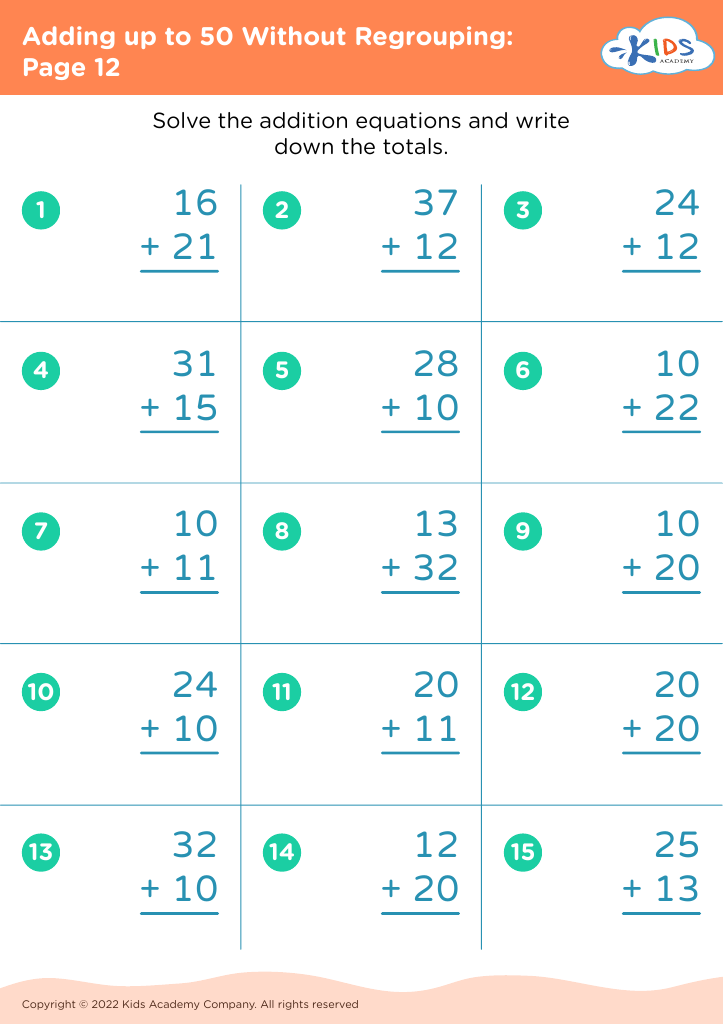
Discover our Boost Critical Thinking Math Worksheets designed especially for children ages 4-8. Our engaging activities nurture essential analytical skills through fun, challenging problems. Each worksheet is crafted to stimulate young minds while reinforcing foundational math concepts. By incorporating puzzles, patterns, and logical reasoning tasks, we ensure math learning remains enjoyable and dynamic. Perfect for classroom use or at-home practice, these worksheets help kids develop a strong math foundation and boost their confidence. Foster a love for math and critical thinking in your child today with our expertly designed resources! Download now and watch learning come alive.
 Assign to My Students








Fostering critical thinking skills in math for ages 4-8 is paramount because the early years of a child's development set the foundation for lifelong learning. The abilities to reason, analyze, and solve problems are at the heart of critical thinking, and embedding these skills in math education transforms simple arithmetic into a richer, more comprehensive exploration of the subject. Research shows that early introduction to critical thinking enhances cognitive abilities and academic readiness, paving the way for children to grasp more complex concepts as they progress through higher grades.
When children are encouraged to think critically, they become better problem solvers. This skill transcends math, aiding in everyday life decisions and challenges. For instance, a child who understands how to approach a math problem from various angles can apply similar strategies to tasks like organizing their day or understanding rules in games.
Furthermore, early exposure to critical thinking in math encourages a growth mindset. Children learn that making mistakes is a valuable part of the learning process, reducing math anxiety and building resilience. When parents and teachers invest in developing these analytical skills early on, they equip children with the tools necessary for academic success and life readiness, fostering confident, independent, and innovative thinkers.








