Enhancing creativity Math Worksheets for Ages 4-8
8 filtered results
-
From - To
Unlock the world of creativity with our "Enhancing Creativity Math Worksheets" designed specifically for kids aged 4-8! These engaging and vibrant worksheets blend mathematical concepts with imaginative activities, fostering critical thinking and problem-solving skills. Each page encourages young learners to explore numbers, shapes, and patterns through fun, hands-on challenges that spark their creativity. Perfect for parents and educators, these resources promote a love for math while allowing children to express their unique ideas. Whether at home or in the classroom, our worksheets inspire endless possibilities, making learning math an enjoyable and inventive journey! Explore our collection today and ignite your child's imagination!
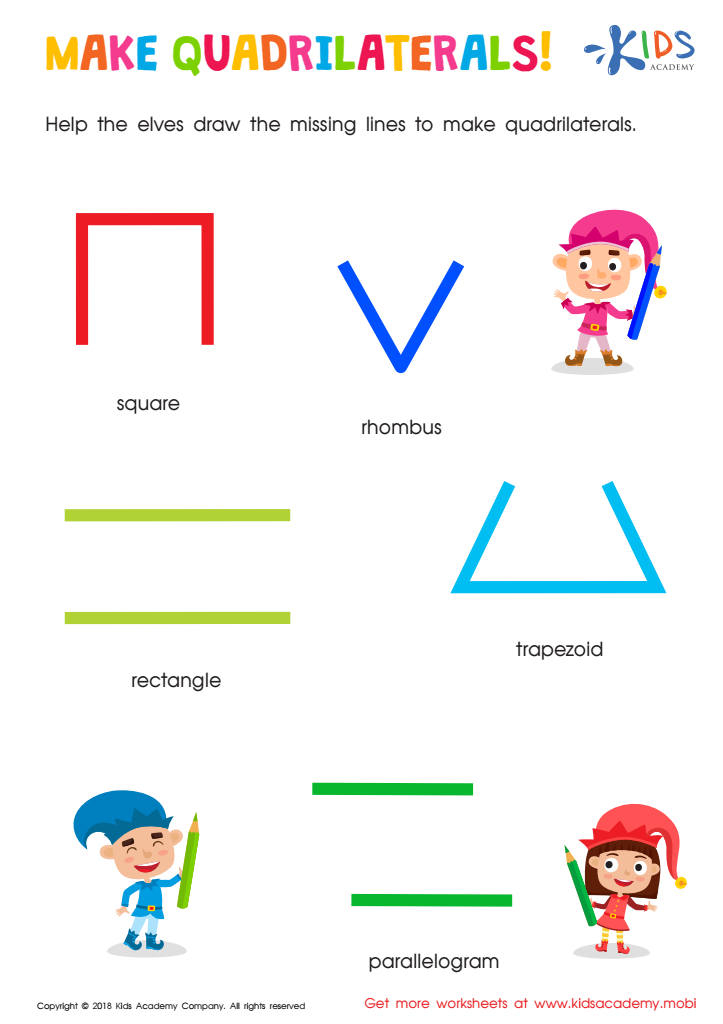
Make Quadrilaterals Worksheet
 Assign to My Students
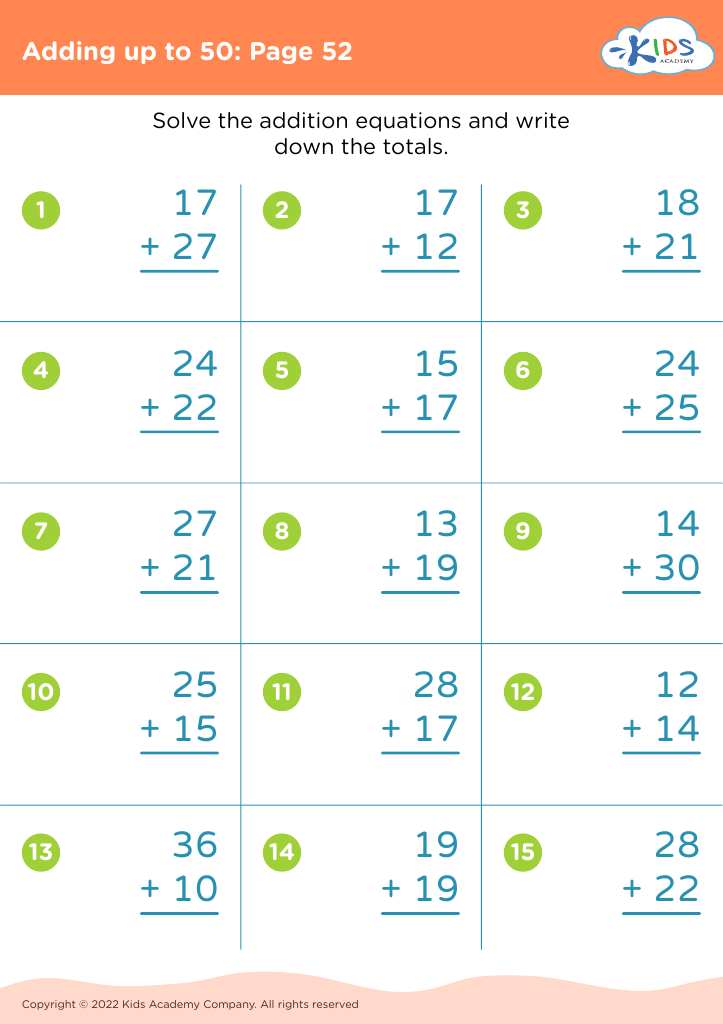
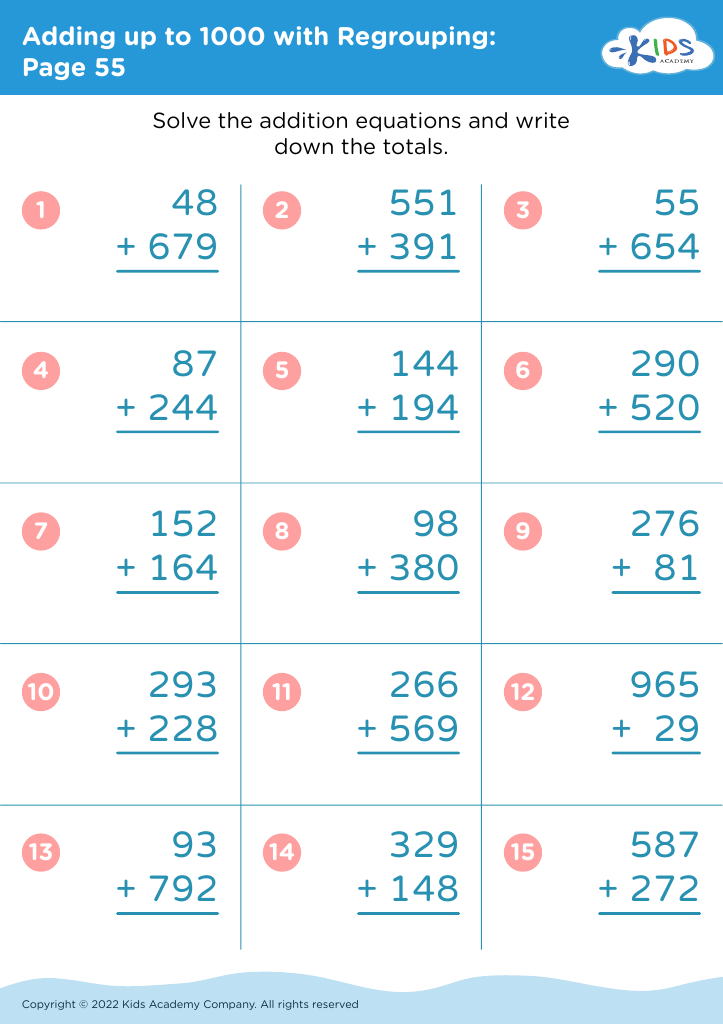
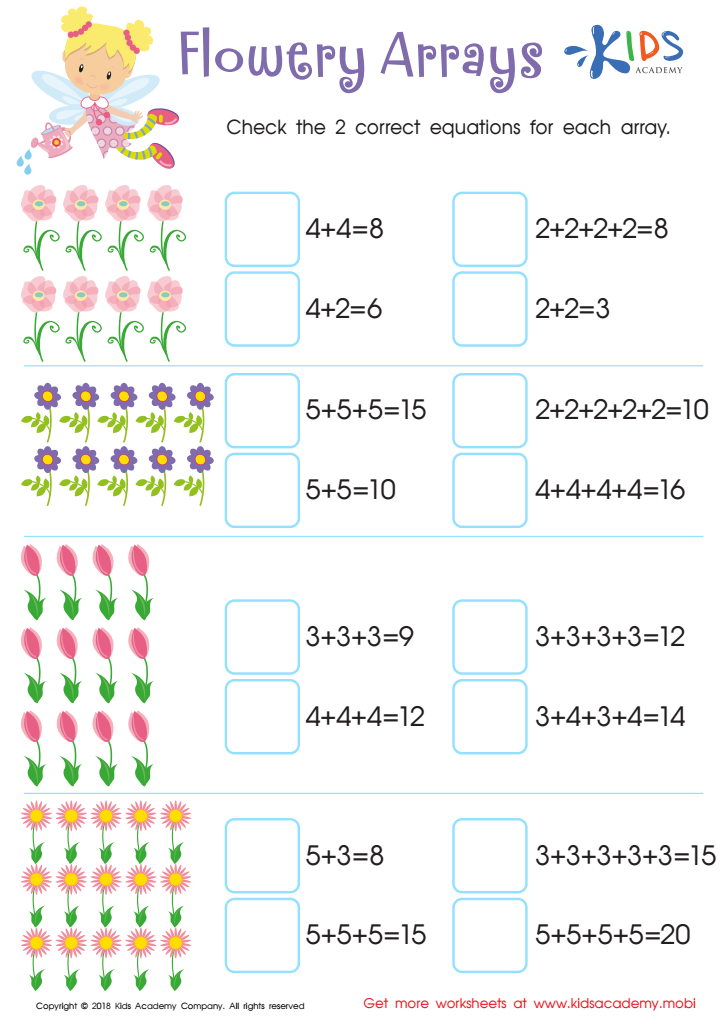
Flowery Arrays Worksheet
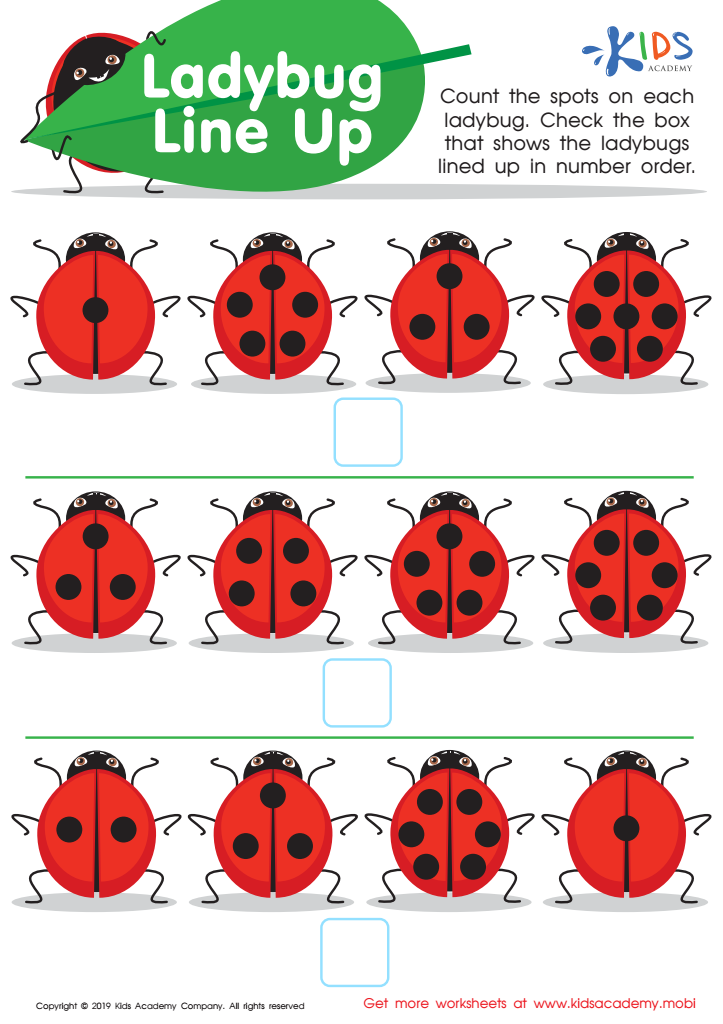
Ladybug Line Up Worksheet
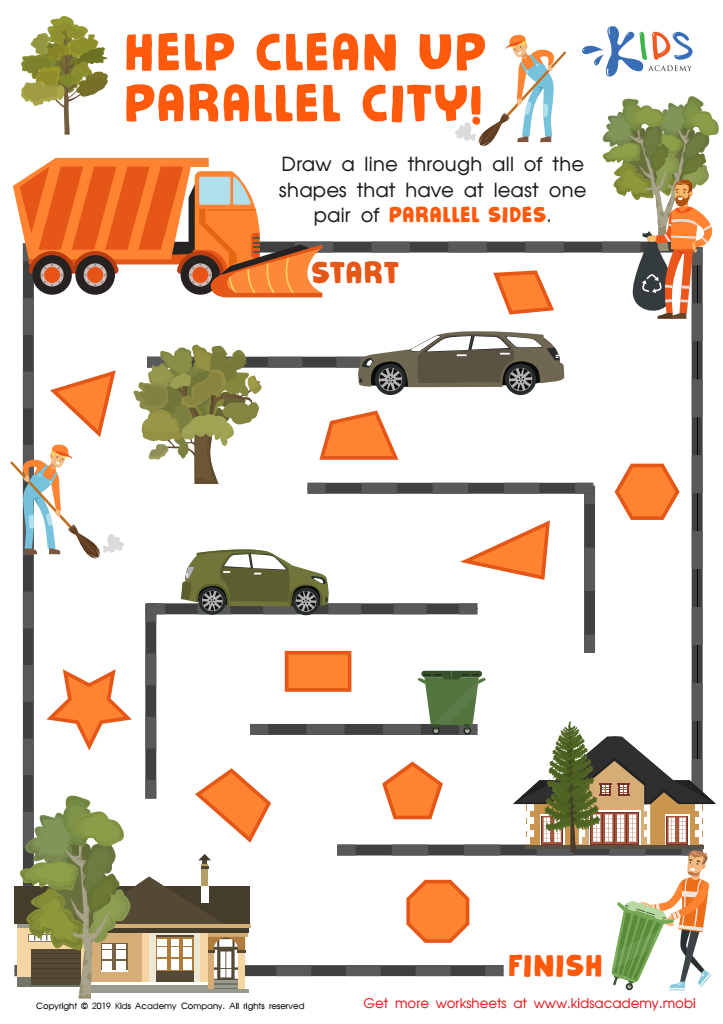
Help Clean Up Parallel City Worksheet





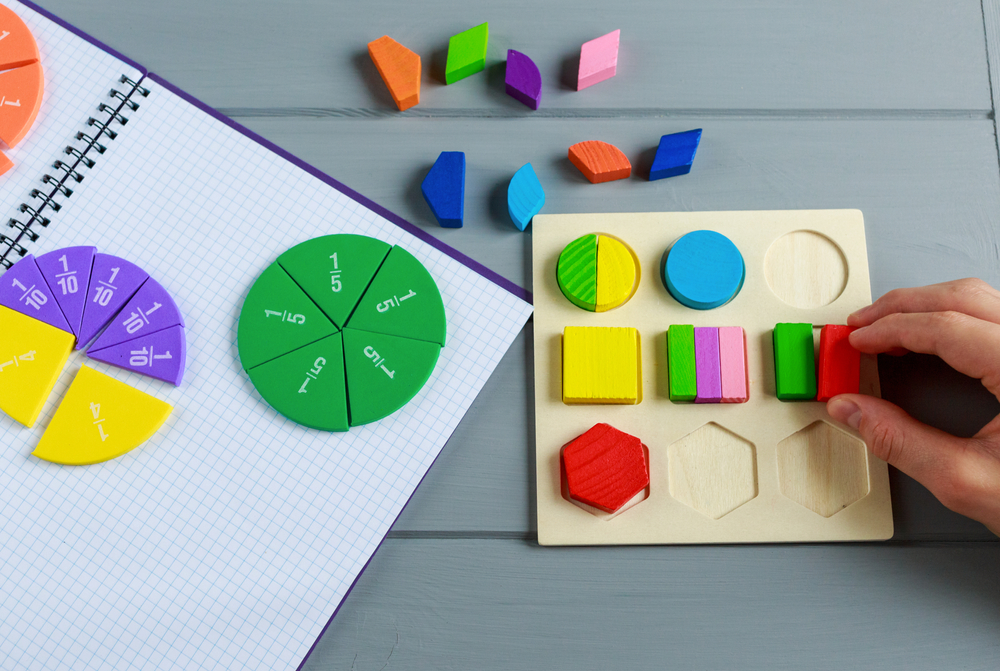
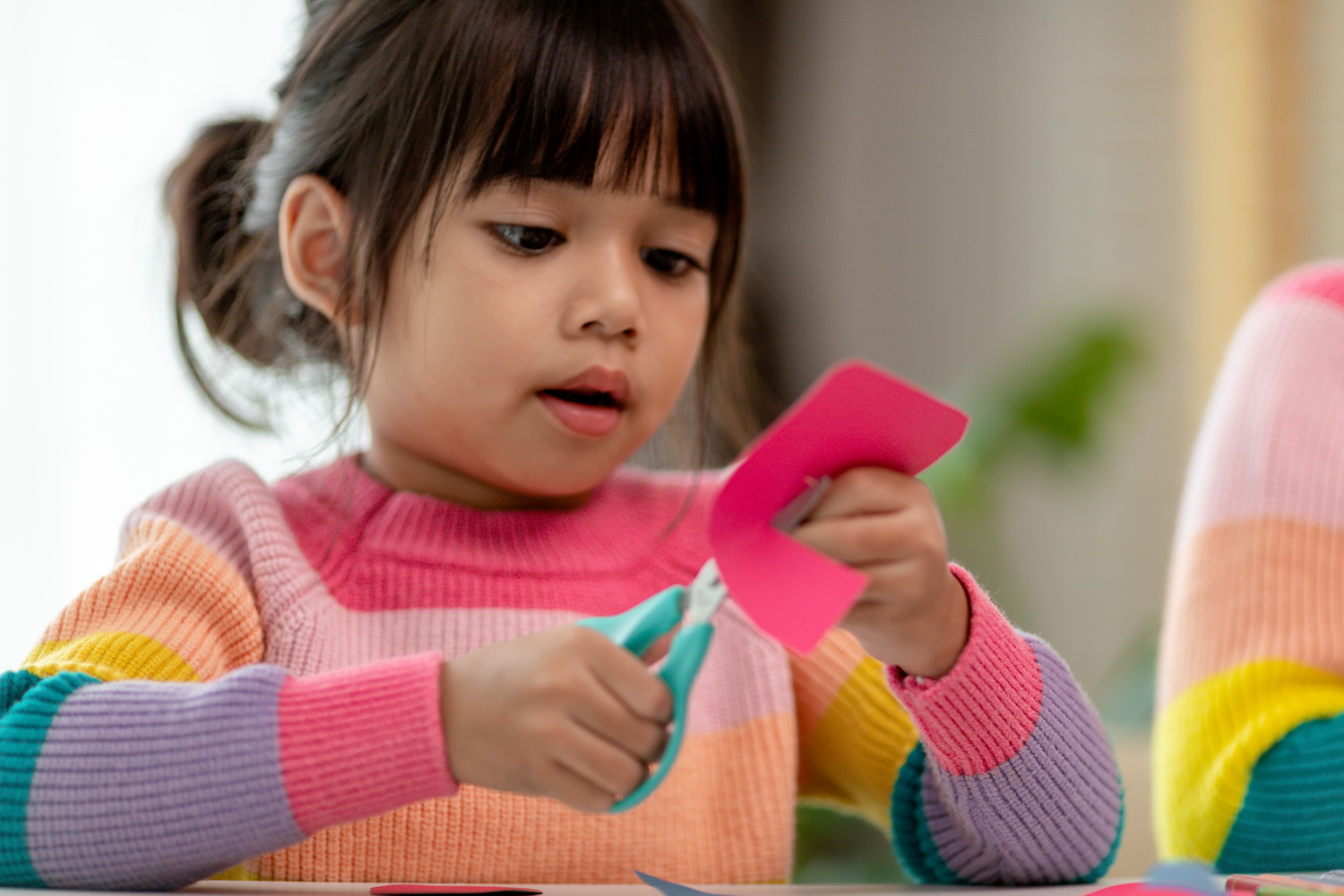

Enhancing creativity in math for ages 4-8 is crucial for several reasons that significantly impact children's development. First, fostering creativity in mathematical thinking helps children develop problem-solving skills. When young learners engage with math creatively, they explore multiple approaches to a single problem, encouraging flexible thinking. This adaptability is essential as they encounter more complex concepts later in their education.
Second, enhancing creativity in math can cultivate a positive attitude towards the subject. Many children develop aversions to math early on due to rigid teaching methods. By incorporating creative activities, such as hands-on games or math-related art projects, children can see math as a source of exploration and fun rather than a chore.
Moreover, creativity in math supports the development of critical thinking and cognitive skills. Children learn to analyze patterns, spatial recognition, and logical reasoning while engaged in creative tasks. Finally, fostering a creative environment encourages collaboration and communication among peers, vital components for social development.
In essence, prioritizing creativity in math education for young children not only enhances their immediate learning experience but also lays a solid foundation for future academic success and lifelong appreciation for mathematics.








