Mathematics skills Math Worksheets for Ages 4-8
3 filtered results
-
From - To
Enhance your child's mathematical abilities with our engaging Math Worksheets designed for ages 4-8! Our worksheets cover essential skills, from counting and number recognition to basic addition, subtraction, and geometry. Each activity is crafted to boost confidence and make learning fun through colorful graphics and age-appropriate challenges. Whether your child is just starting their math journey or looking to strengthen their skills, our printable worksheets provide a solid foundation. Perfect for at-home practice or classroom use, empower young learners to excel in math with these expertly designed resources. Explore and print today!
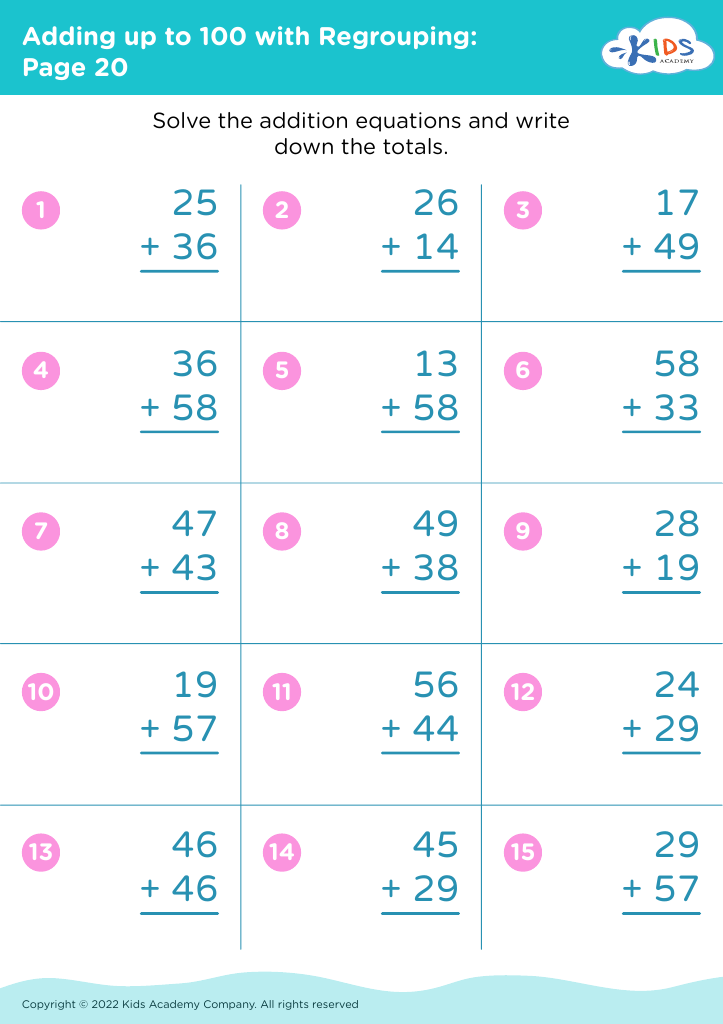
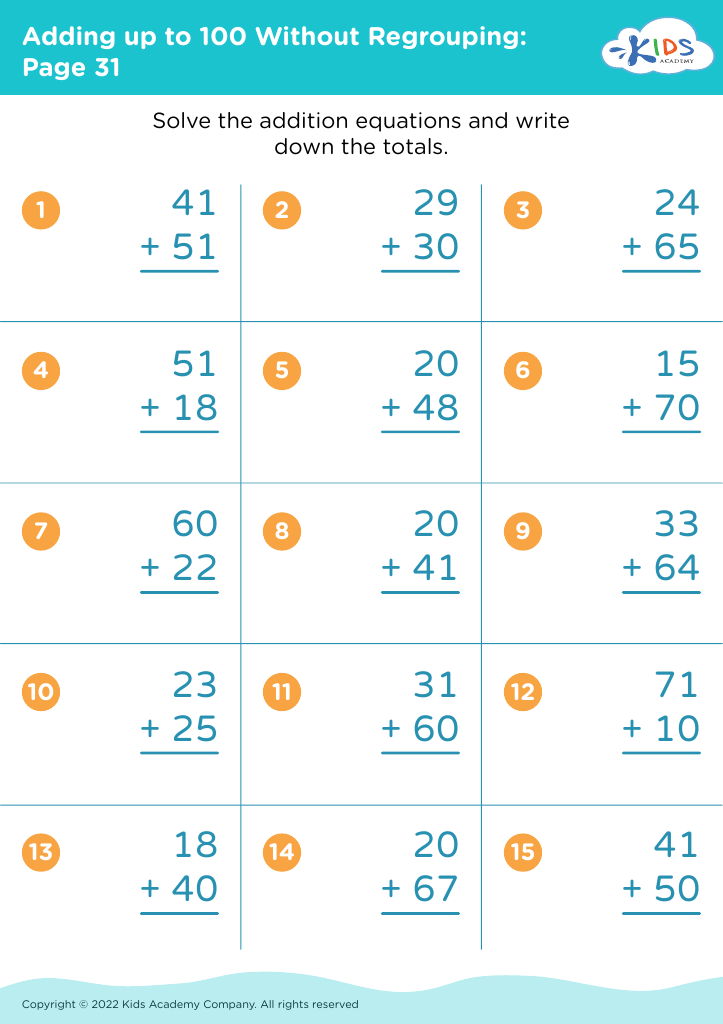
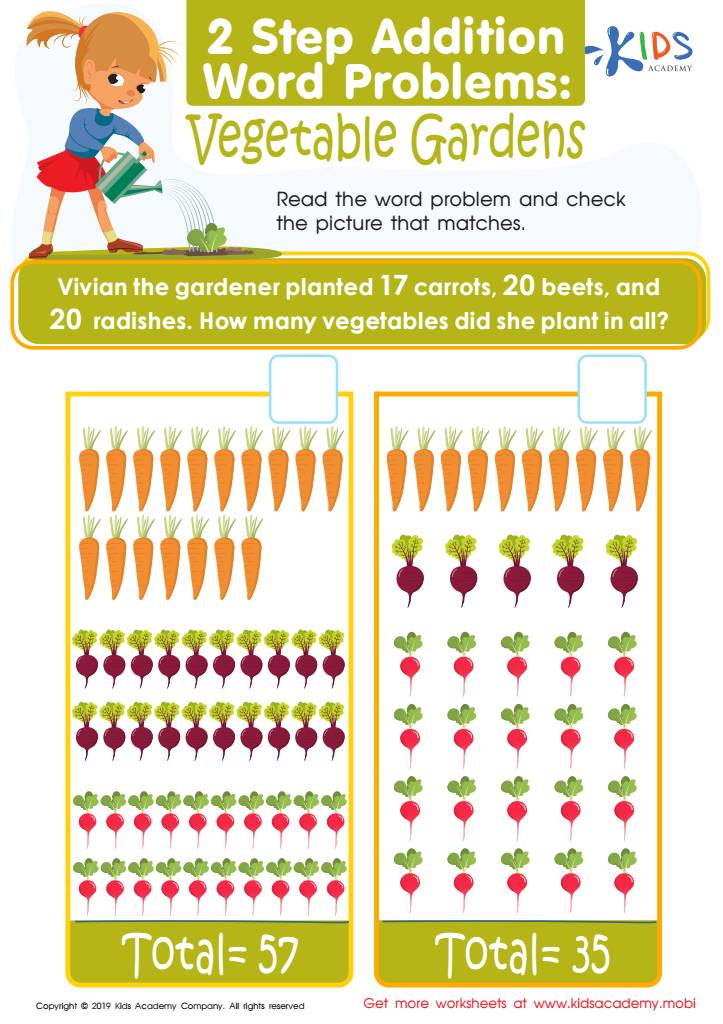
Vegetable Gardens Worksheet
 Assign to My Students


.jpg)



Mathematics skills are vital for children aged 4-8 because they form the foundation for more complex problem-solving and critical thinking abilities later in life. During these formative years, children's brains are rapidly developing, and exposure to math concepts helps in building neural pathways associated with logic, spatial reasoning, and analytical thinking. When parents and teachers introduce math at an early age, they support the development of numeracy, which is as crucial as literacy.
Basic math skills, such as counting, addition, and subtraction, aren't just about numbers but also teach children how to recognize patterns, compare quantities, and understand concepts of time and measurement. Early math competency has been linked to future academic success, impacting skills in not just mathematics, but also in science and technology disciplines. Preschool and early elementary children who have strong math skills tend to perform better in school and are more likely to continue higher education.
Furthermore, making math fun and engaging at an early age can foster a love for the subject, helping children to experience less anxiety and difficulty with math as they grow older. Thus, prioritizing math skills in young children instills confidence, creativity, and a new world of exploration and reasoning, which are essential attributes in both academic and real-life scenarios.








