Numeracy skills Math Worksheets for Ages 4-8
11 filtered results
-
From - To
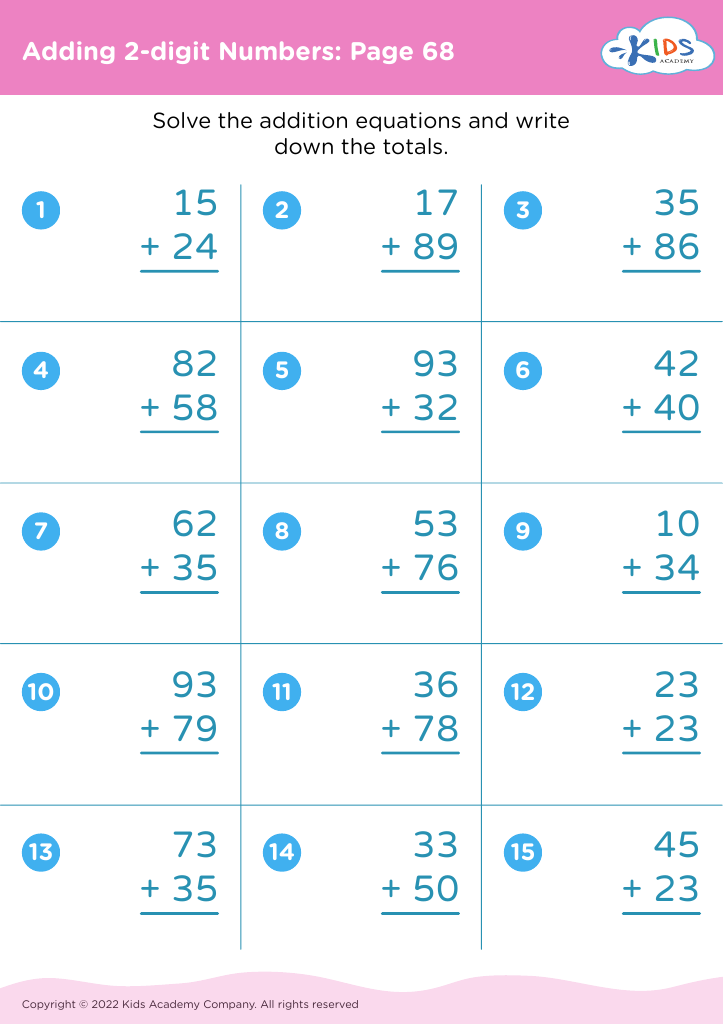
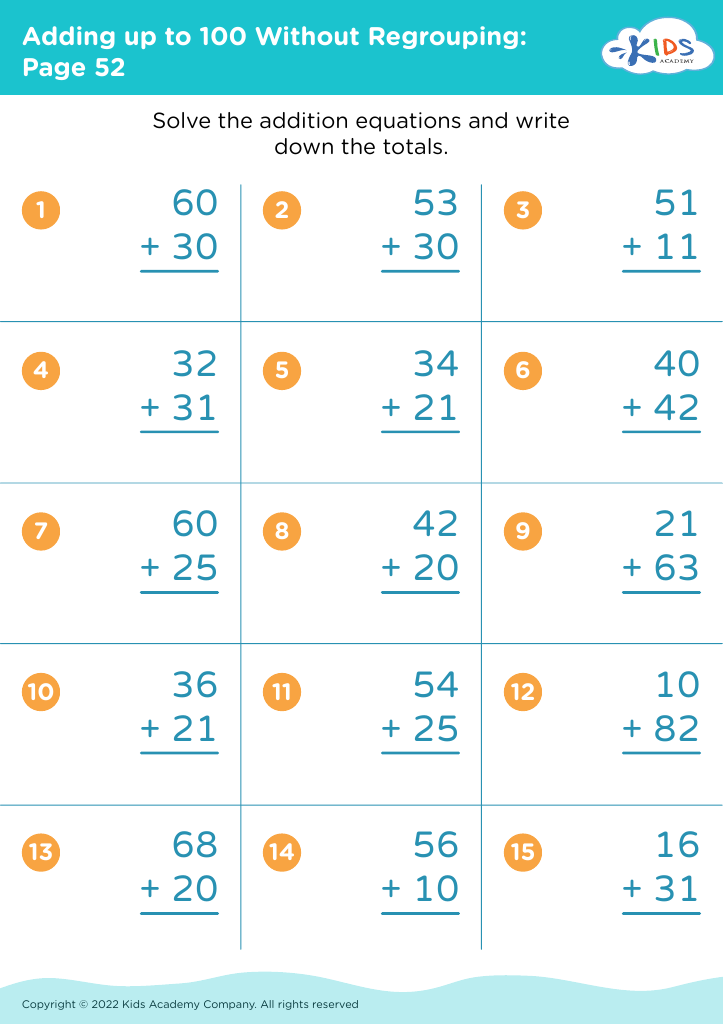
Enhance your child's early math journey with our Numeracy Skills Math Worksheets, designed specifically for ages 4-8. These worksheets blend fun and education, helping young learners develop essential numeracy skills through engaging exercises. From counting and number recognition to basic addition and subtraction, our resources are tailored to build confidence and mathematical understanding. Each worksheet encourages critical thinking and problem-solving, making learning enjoyable. Perfect for homeschoolers or extra practice at home, these printable resources support playful math learning while reinforcing foundational skills. Explore our variety of worksheets that make numeracy exciting and accessible for young minds today!
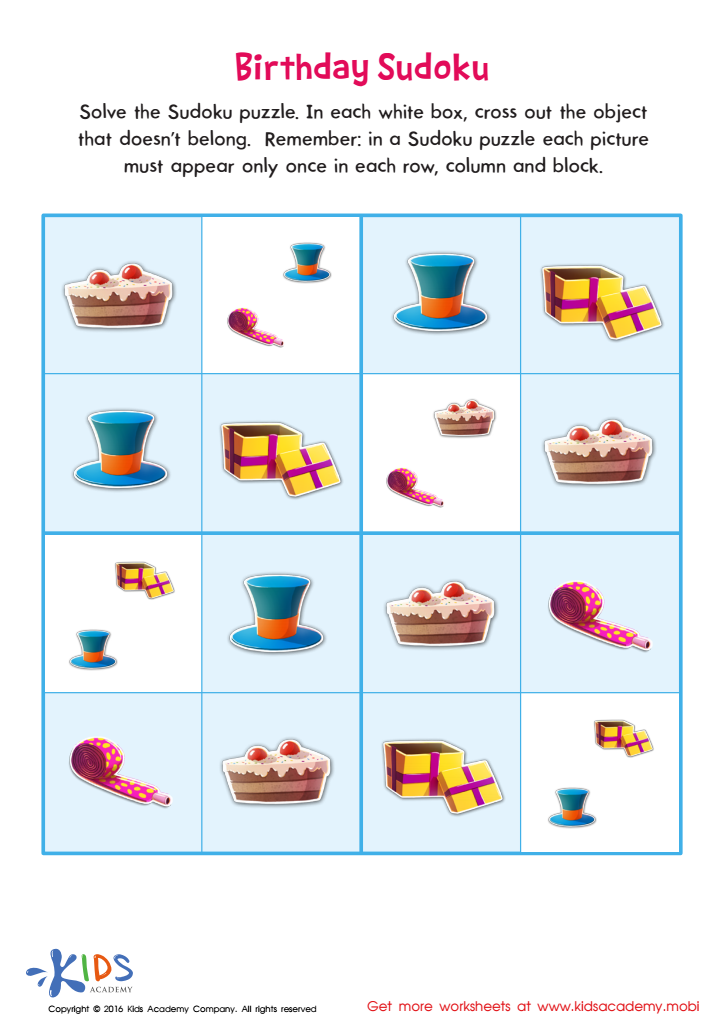
Birthday Sudoku Sorting Worksheet
 Assign to My Students
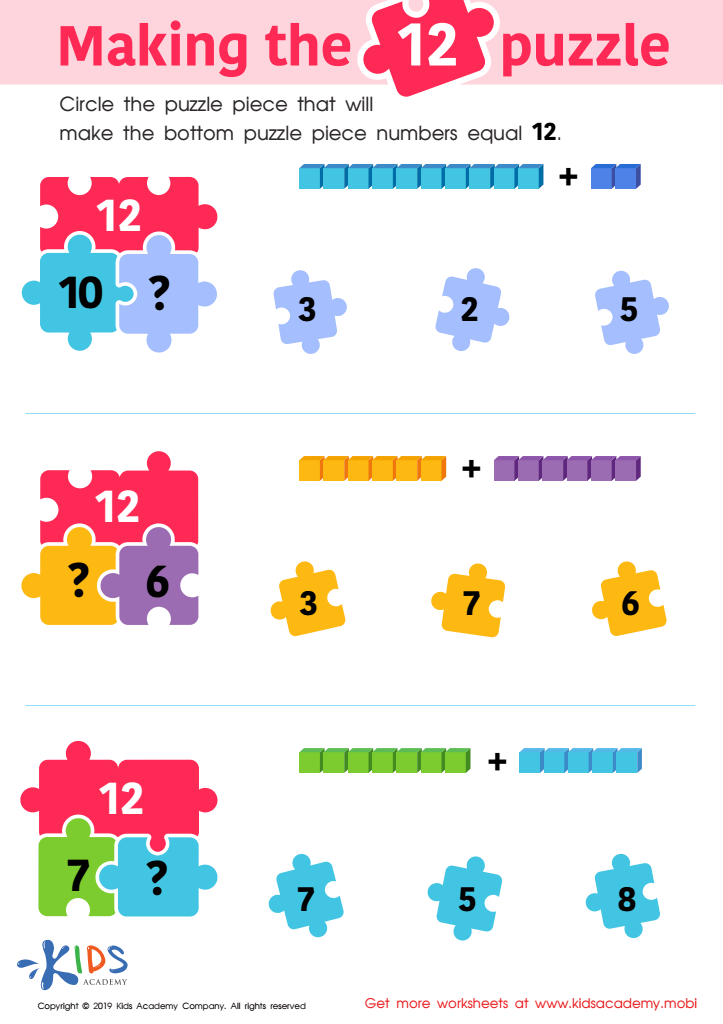
Making the 12 Puzzle Worksheet
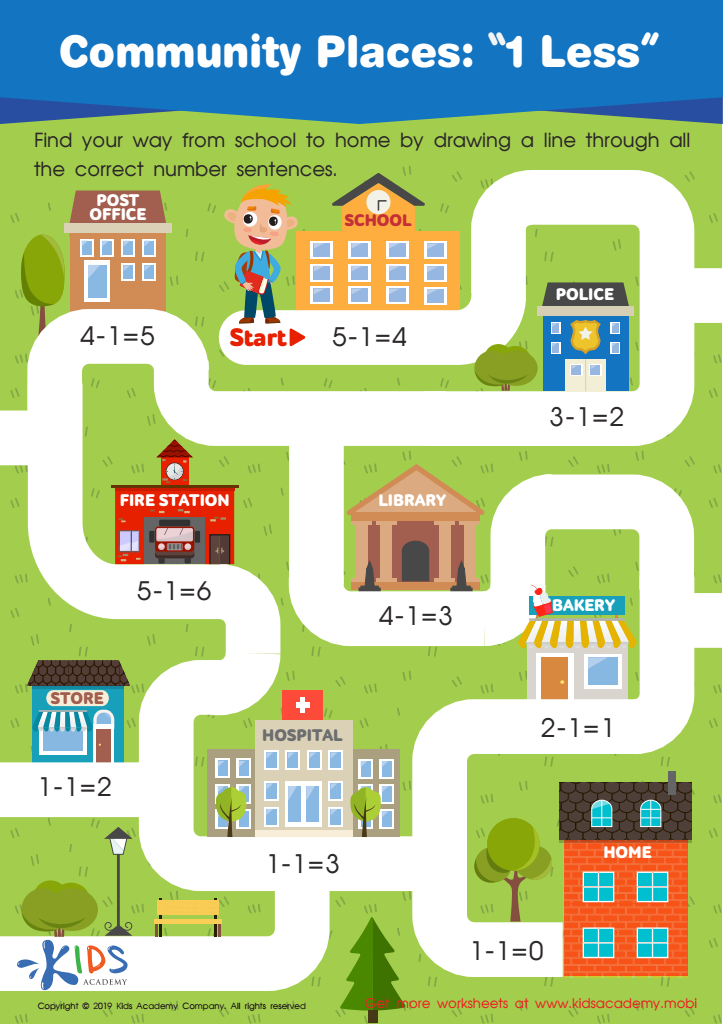
Community Places: 1 Less Worksheet








Numeracy skills are foundational for children's overall academic success and everyday life, particularly for ages 4-8. At this crucial developmental stage, children start to internalize key mathematical concepts, such as number recognition, counting, and basic operations. Mastering these skills enhances logical thinking and problem-solving abilities, which are essential in all subjects and life situations.
When parents and teachers prioritize numeracy, they are investing in a child's cognitive development. Early exposure to math concepts fosters confidence and engagement, reducing the anxiety that can accompany math later in life. Additionally, strong numeracy skills support language development, as children learn to articulate their thinking and share mathematical reasoning.
Moreover, numeracy lays the groundwork for more advanced mathematical skills needed in higher grades and future careers, particularly in science, technology, engineering, and mathematics (STEM) fields. With the world becoming increasingly data-driven, being numerate is crucial for making informed decisions in daily life, from budgeting to evaluating information presented in media.
Ultimately, by nurturing children’s numeracy skills during these formative years, parents and teachers empower them to tackle challenges with resilience and creativity, setting them up for lifelong learning and success.








