Practicing addition Math Worksheets for Ages 4-8
7 filtered results
-
From - To
Welcome to our collection of Practicing Addition Math Worksheets for Ages 4-8! Designed to make learning fun and engaging, these worksheets help young learners develop essential addition skills. With colorful illustrations and age-appropriate exercises, children will practice simple math concepts while boosting their confidence. Each worksheet features a variety of activities that cater to different learning styles, ensuring that every child finds enjoyable ways to improve their math abilities. Whether used at home or in the classroom, our resources are perfect for reinforcing classroom lessons and enhancing early math skills. Start your kid's journey to becoming a math whiz today!
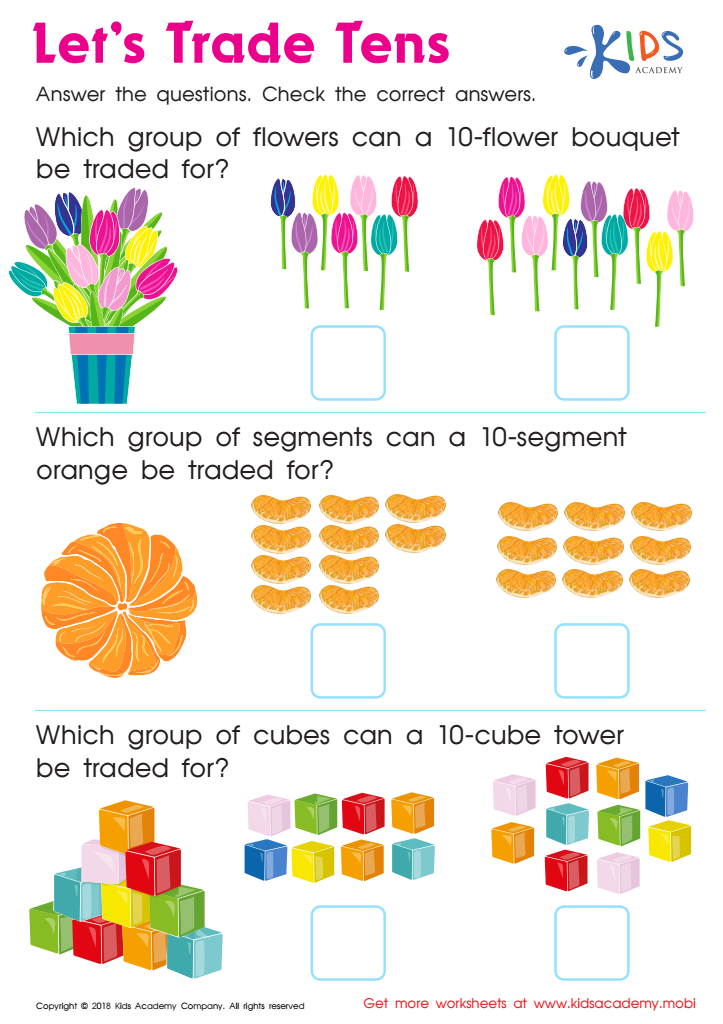
Lets Trade Tens Worksheet
 Assign to My Students
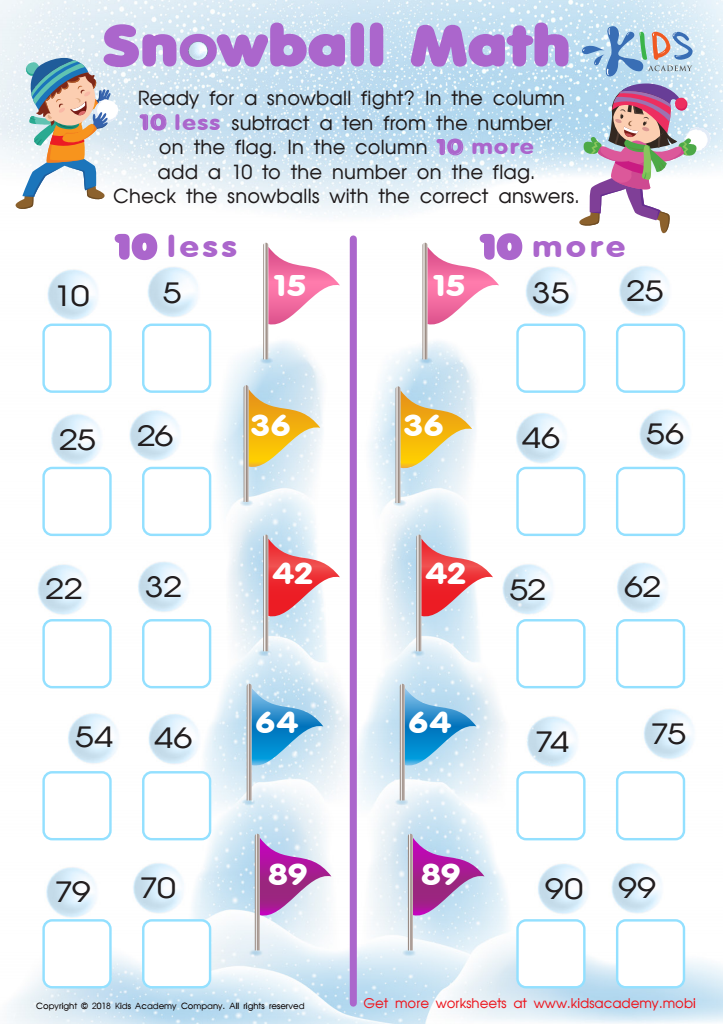
Snowball Math Worksheet
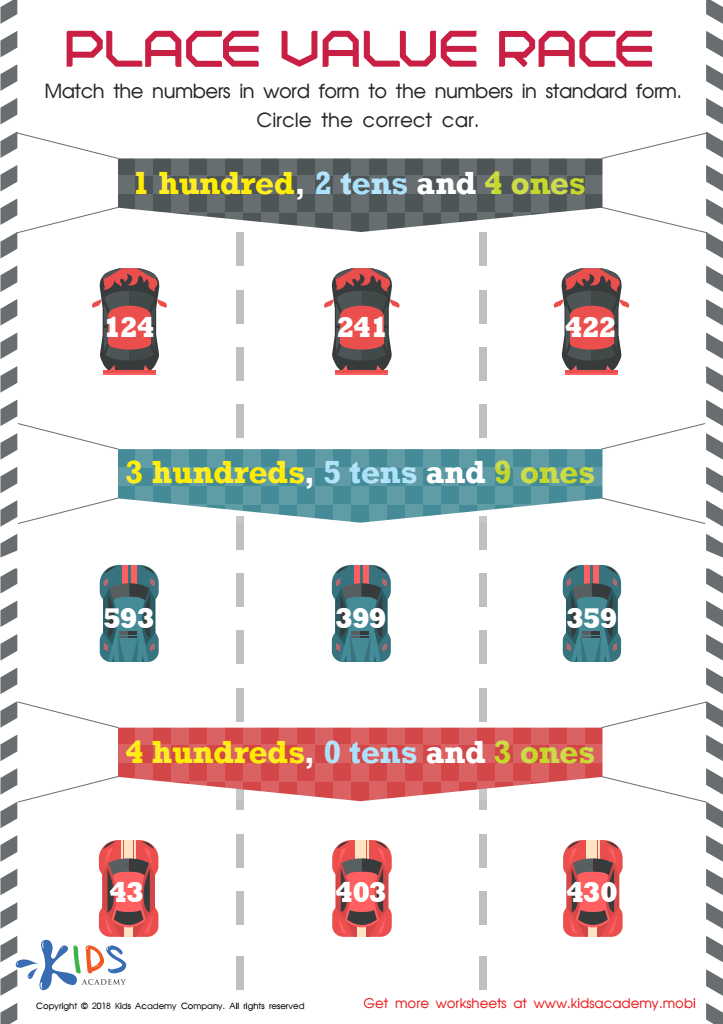
Place Value Race Worksheet
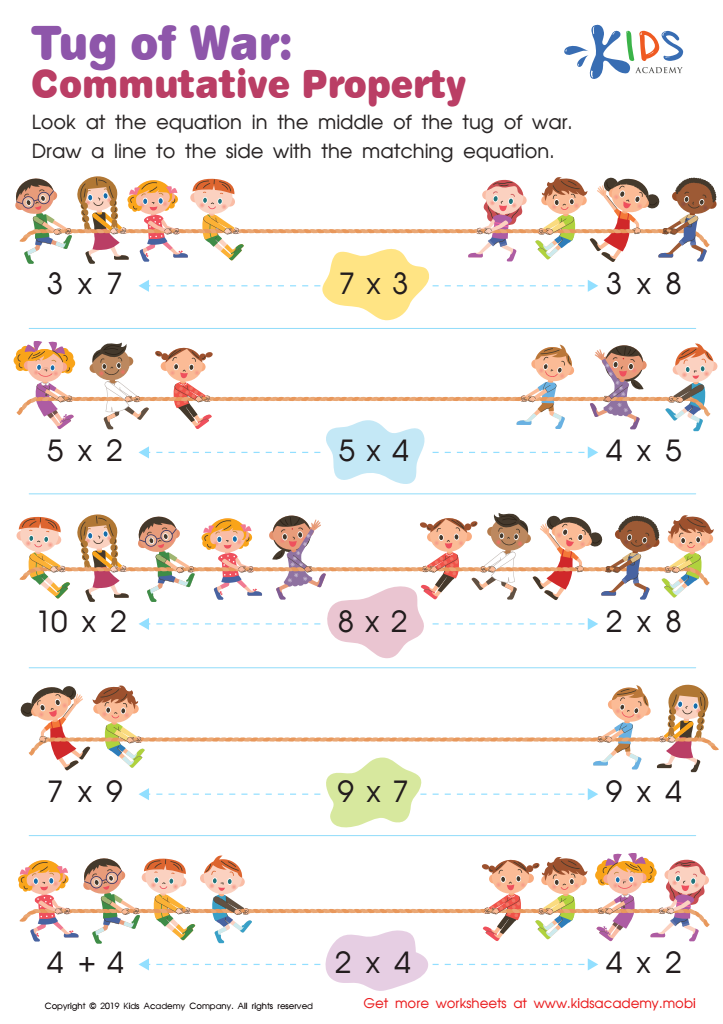
Tug of War: Commutative Property Worksheet
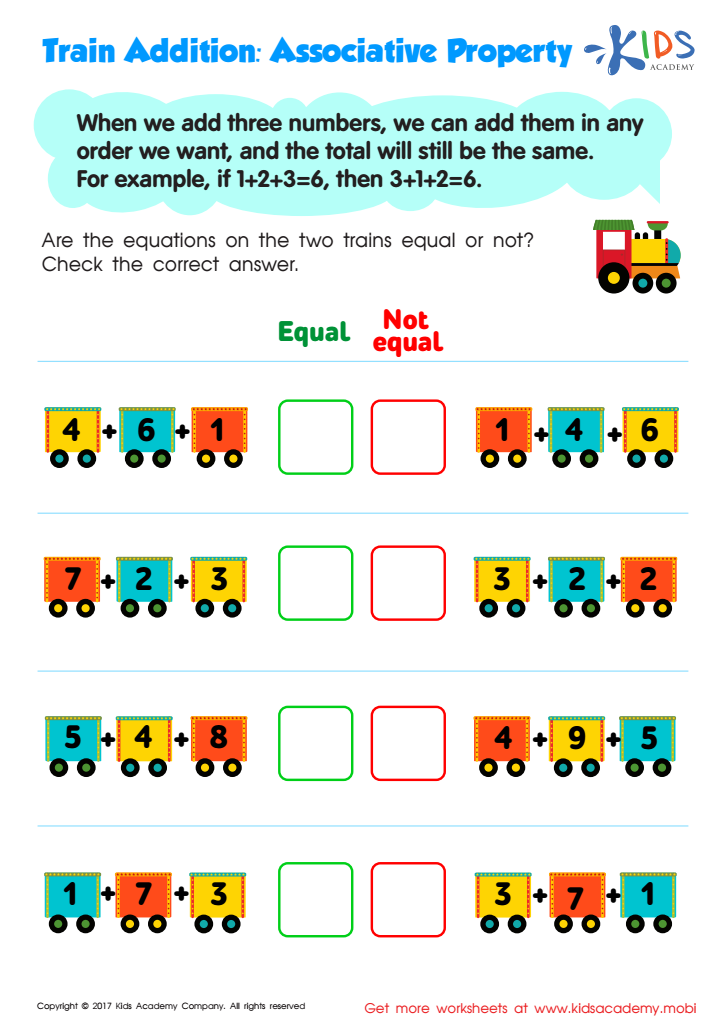
Train Addition: Associative Property Worksheet








Practicing addition math for children aged 4-8 is vital for several reasons. At this developmental stage, children are forming foundational mathematical concepts that will shape their future learning. Mastery of addition not only aids in their understanding of numbers but also builds confidence in their problem-solving skills. Engaging in addition gives children the tools to begin exploring more complex arithmetic concepts, shaping their comprehension of quantity and value.
Parents and teachers play essential roles in nurturing this skill through engaging activities that make learning interactive. Simple games, songs, and everyday scenarios can transform addition practice into enjoyable experiences. This active involvement encourages a positive attitude toward math, reinforcing the idea that math can be fun rather than intimidating.
Moreover, practicing addition can enhance cognitive skills necessary for other subjects. It promotes logical thinking and improves attention and focus, which are crucial for academic success. Additionally, these early experiences with numbers lay the groundwork for understanding future math challenges and financial literacy as children grow. By prioritizing addition practice, parents and teachers contribute significantly to a child's success in school and their lifelong relationship with learning.








