
Recognizing equal parts Math Worksheets for Ages 4-8
3 filtered results
Difficulty Level
Grade
Age
-
From - To
Subject
Activity
Standards
Help your child master early math skills with our "Recognizing Equal Parts Math Worksheets for Ages 4-8" at Kids Academy! Specially designed for young learners, these printable worksheets introduce the concept of equal parts through engaging and age-appropriate activities. By identifying and coloring equal parts, children develop a solid foundation in fractions and geometry, boosting their confidence and preparing them for more advanced math topics. Each worksheet is crafted to make learning fun and interactive, ensuring that kids stay motivated and excited about math. Perfect for home or classroom use, start exploring today!
Favorites
With answer key
Interactive
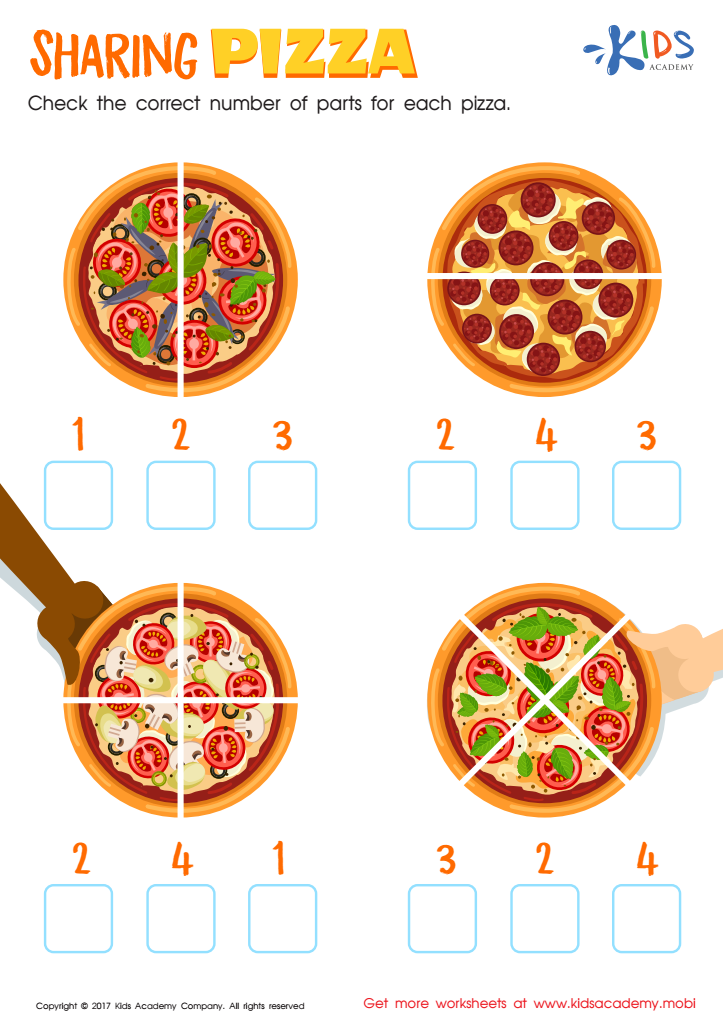
Sharing Pizza Worksheet
Show your child the four pizzas in this worksheet. Ask them to count the number of slices each one has. Help them count and check the answer for the first pizza, then do the same for the rest. Have fun counting the slices and see if they can spot the pizza!
 Assign to My Students
Sharing Pizza Worksheet
Worksheet
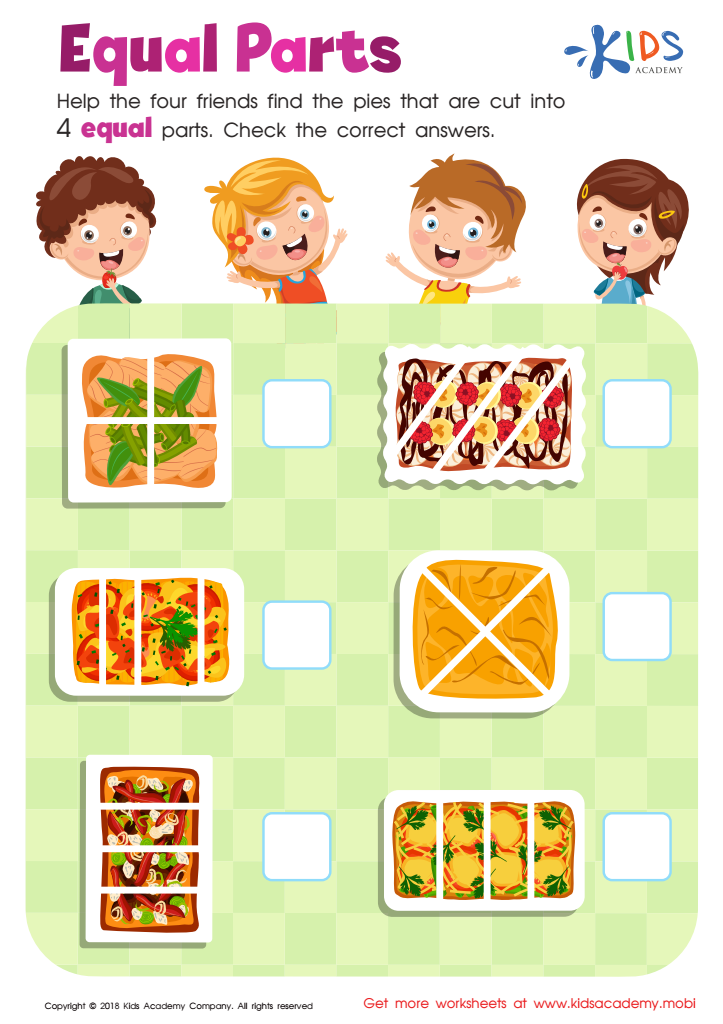
Equal Parts: Food Worksheet
Kids love pies! In this worksheet, they must help four friends share one equally. Six pictures of pies cut in different ways are provided. Your child must choose the one where the pie is divided into four equal parts. That way, each friend gets an equal share.
Equal Parts: Food Worksheet
Worksheet
Join Kids Academy for Free
Who is primarily going to use this learning content?




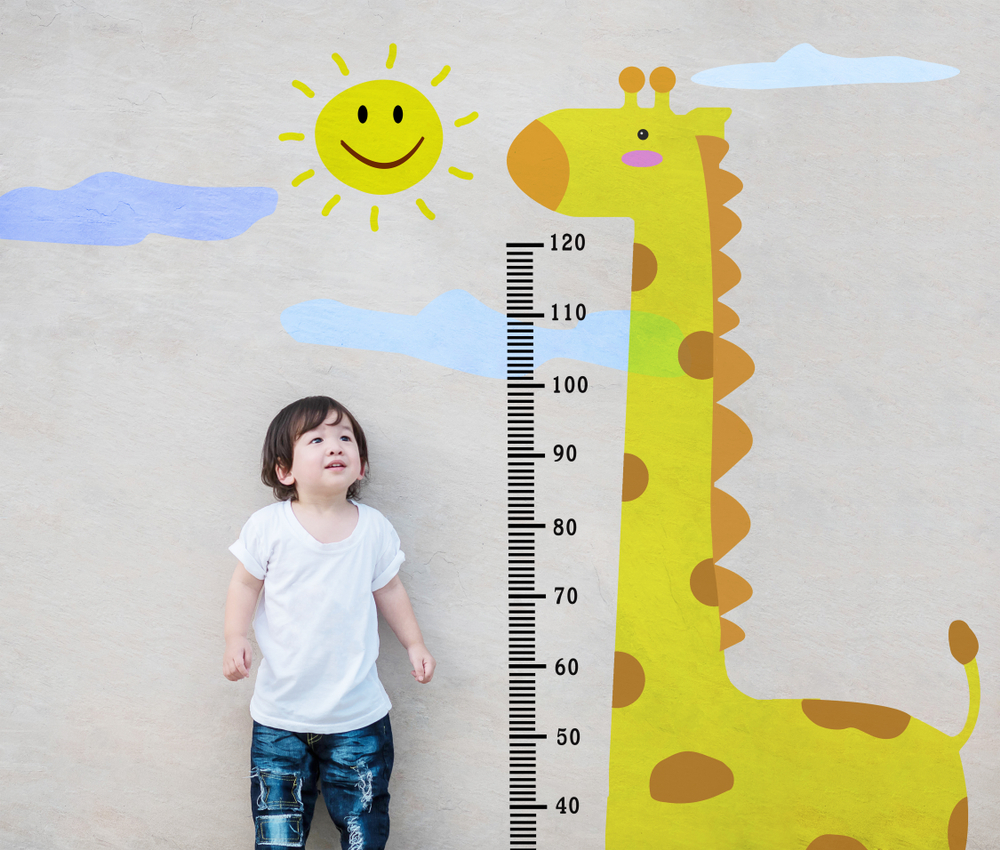



Recognizing equal parts in math is a foundational skill crucial for children aged 4-8. At this stage, children grasp basic concepts that set the groundwork for more complex mathematical ideas. Understanding equal parts ties directly into essential skills like fractions, division, and geometry. When children learn to identify and create equal parts, it boosts their numerical literacy and spatial awareness, helping them recognize patterns and symmetry in various environments—key aspects of everyday problem-solving.
Early exposure to these concepts fosters critical thinking and reasoning skills. It also aids in visual learning, guiding children to see objects divided into halves, thirds, and quarters, enhancing their ability to comprehend how parts integrate into a whole. For example, splitting a pizza equally among friends can spark a child's understanding of fairness and sharing.
In the classroom, recognizing equal parts promotes cooperative learning. Activities like cutting shapes or distributing items ensure that children work together, improving social skills and reinforcing mathematical concepts. Encouraging parents to engage in simple, regular practices like baking, sharing toys, or drawing shapes helps bridge classroom learning with real-world application. By valuing this fundamental skill, parents and teachers can ensure that children build a robust, confident foundation in math, critical for their educational journey.








