Recognizing shapes Math Worksheets for Ages 4-8 - Page 2
35 filtered results
-
From - To
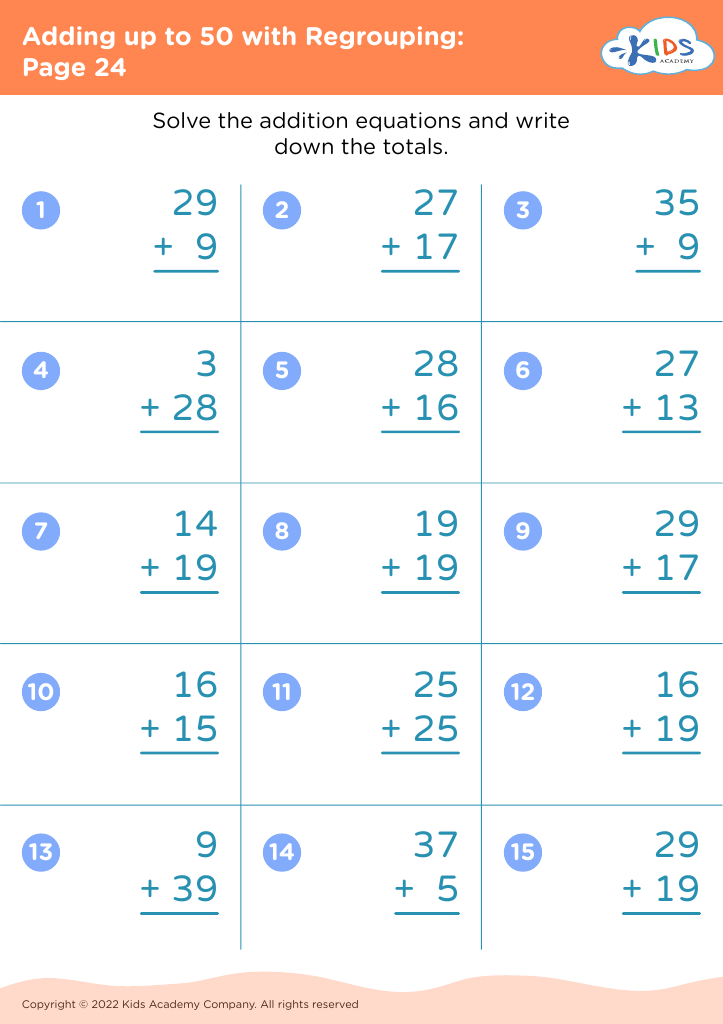
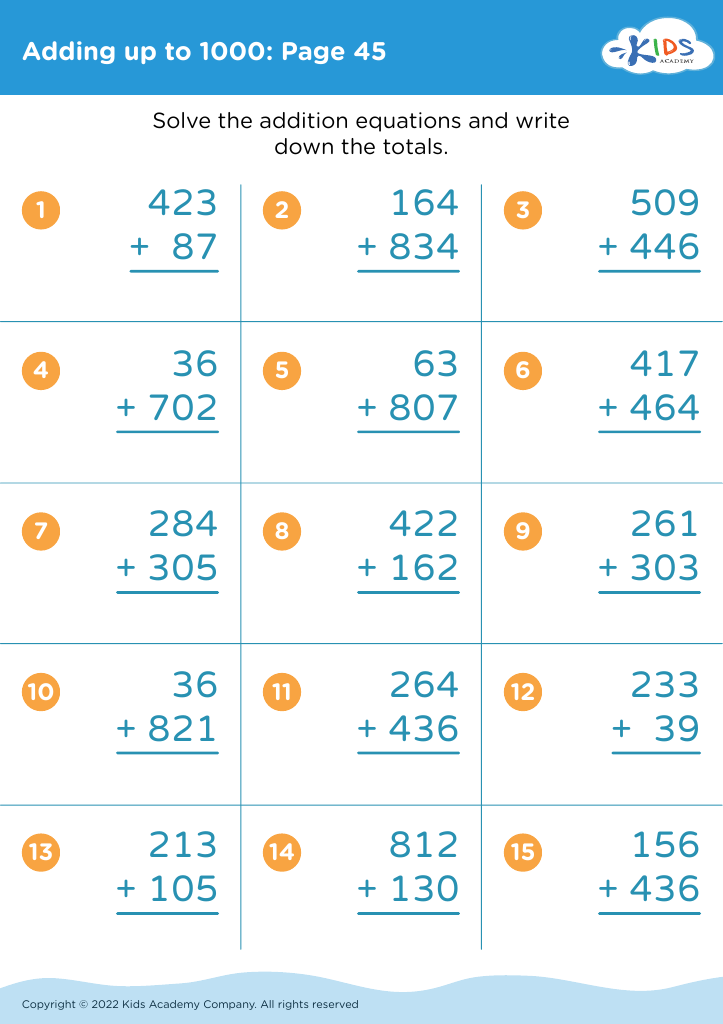
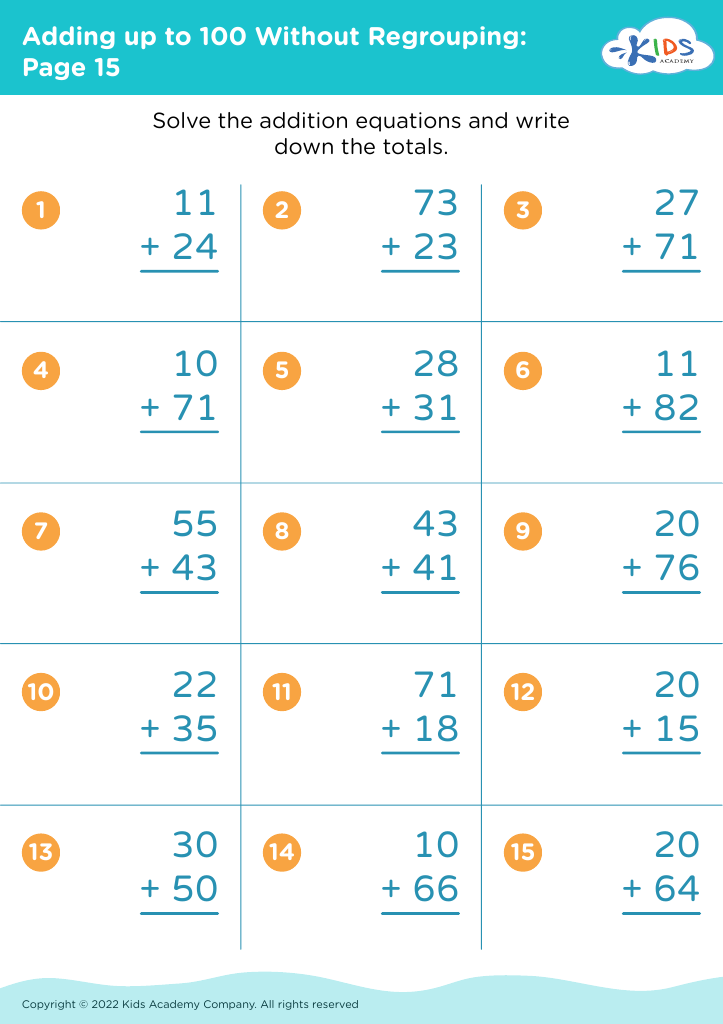
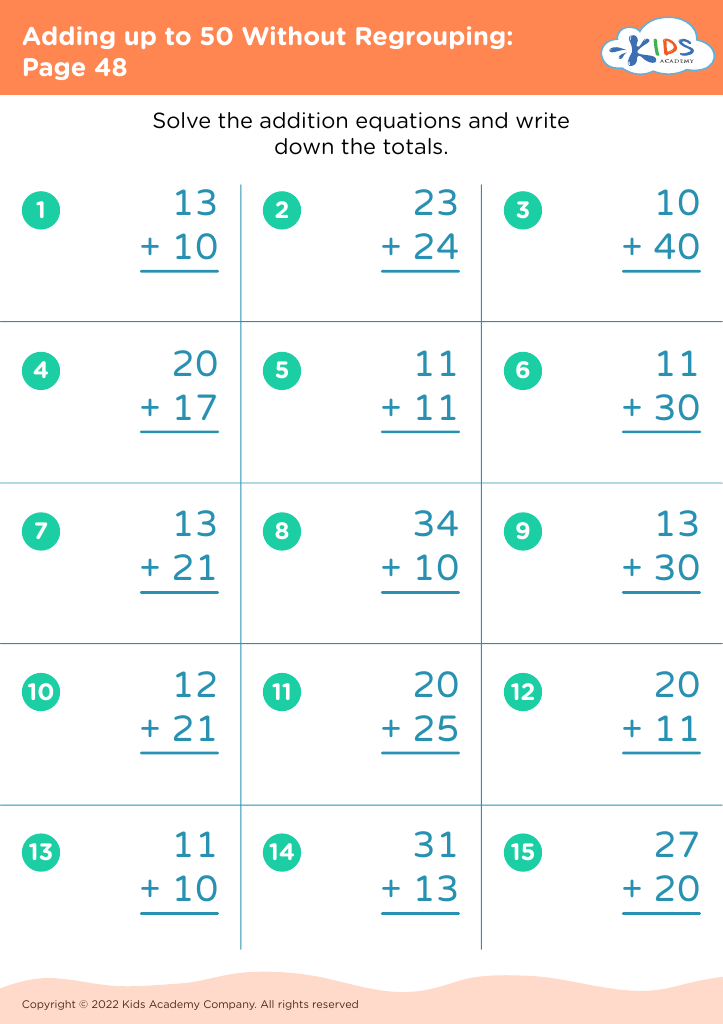
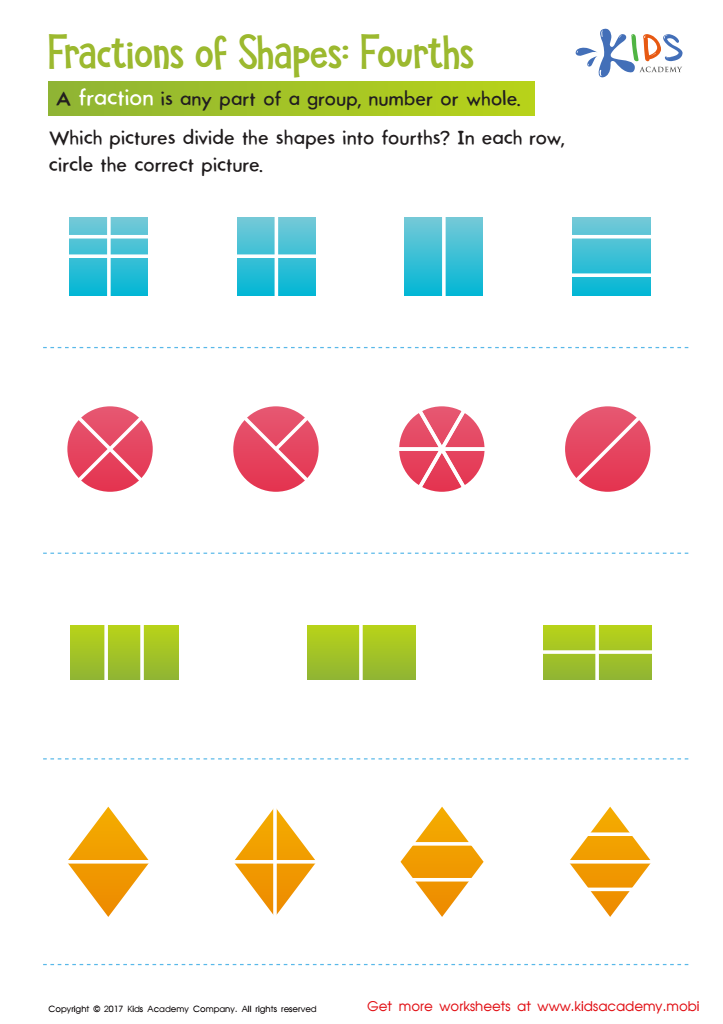
Fractions of Shapes Worksheet
 Assign to My Students
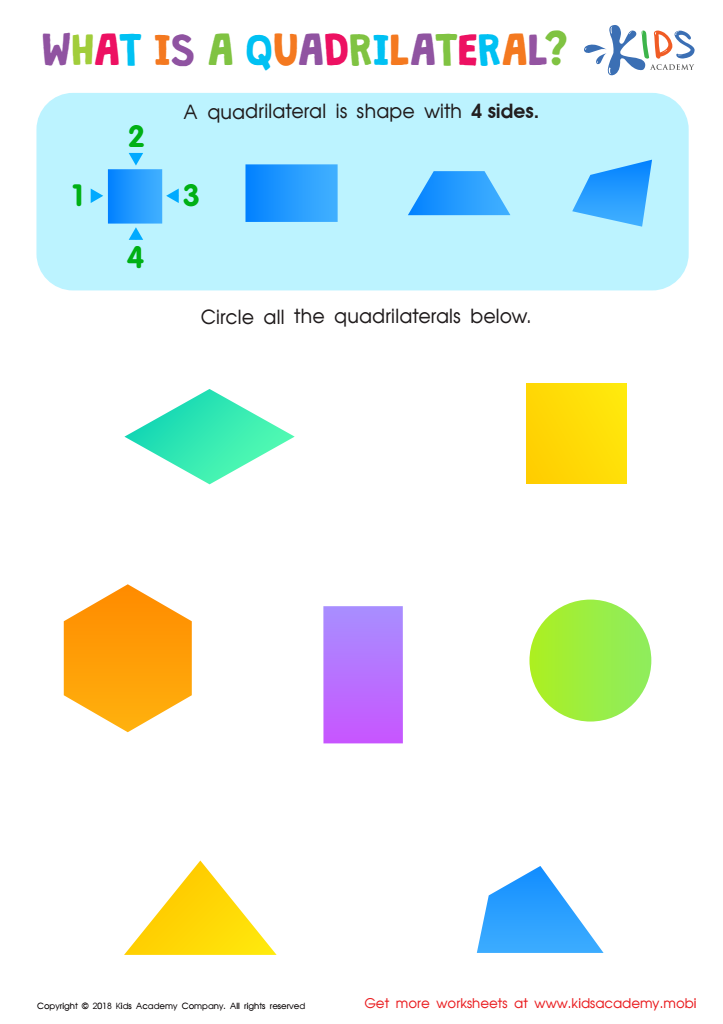
What Is a Quadrilateral? Worksheet








Recognizing shapes is a fundamental skill for children aged 4-8 that lays the groundwork for more complex mathematical concepts later in life. Understanding shapes helps children develop spatial awareness, which is essential for problem-solving and critical thinking. It enhances their ability to comprehend the physical world, enabling them to describe the environment around them more effectively.
Moreover, identifying shapes fosters cognitive development in young learners. As they learn to distinguish between different shapes, children improve their observation skills and attention to detail. This knowledge also supports their understanding of symmetry, patterns, and measurements, which are vital in math and everyday life.
Parents and teachers should prioritize shape recognition because it is not just foundational in mathematics but also supports literacy development through geometric vocabulary. Activities such as sorting, naming, and constructing shapes can be integrated into play, making learning fun and interactive. Lastly, recognizing shapes encourages creativity and imagination, allowing children to explore and innovate in their learning journey. Engaging with shapes helps prepare them for future challenges in math and science, cultivating a lifelong appreciation for learning and exploration.








