Visual Learning Math Worksheets for Ages 4-8 - Page 5
101 filtered results
-
From - To
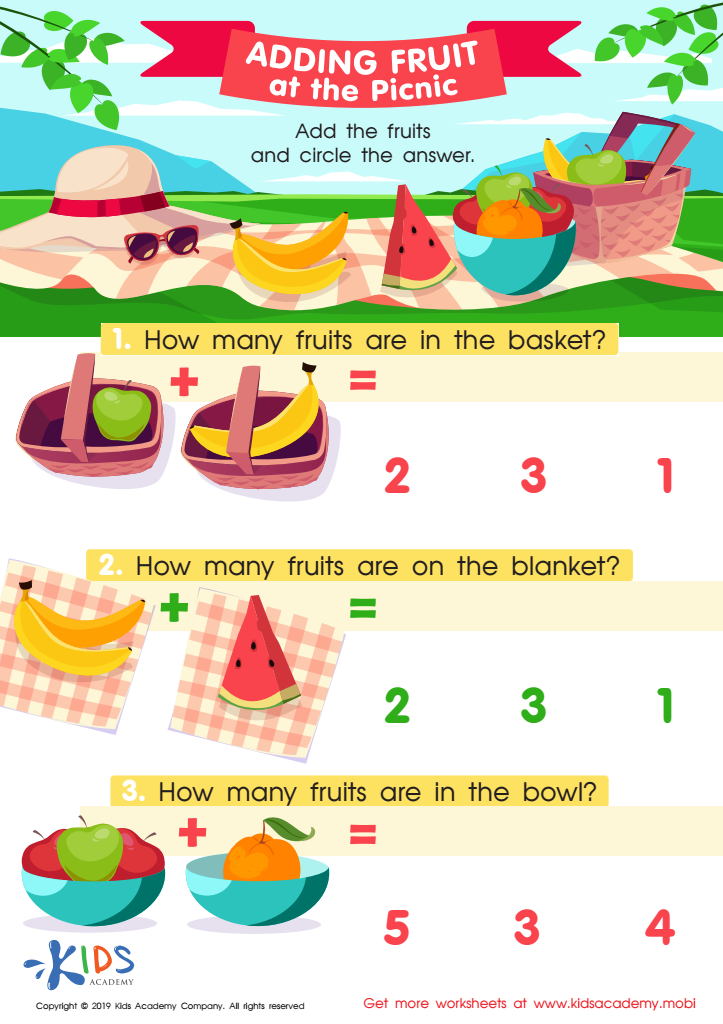
Adding Fruit at the Picnic Worksheet
 Assign to My Students






.jpg)

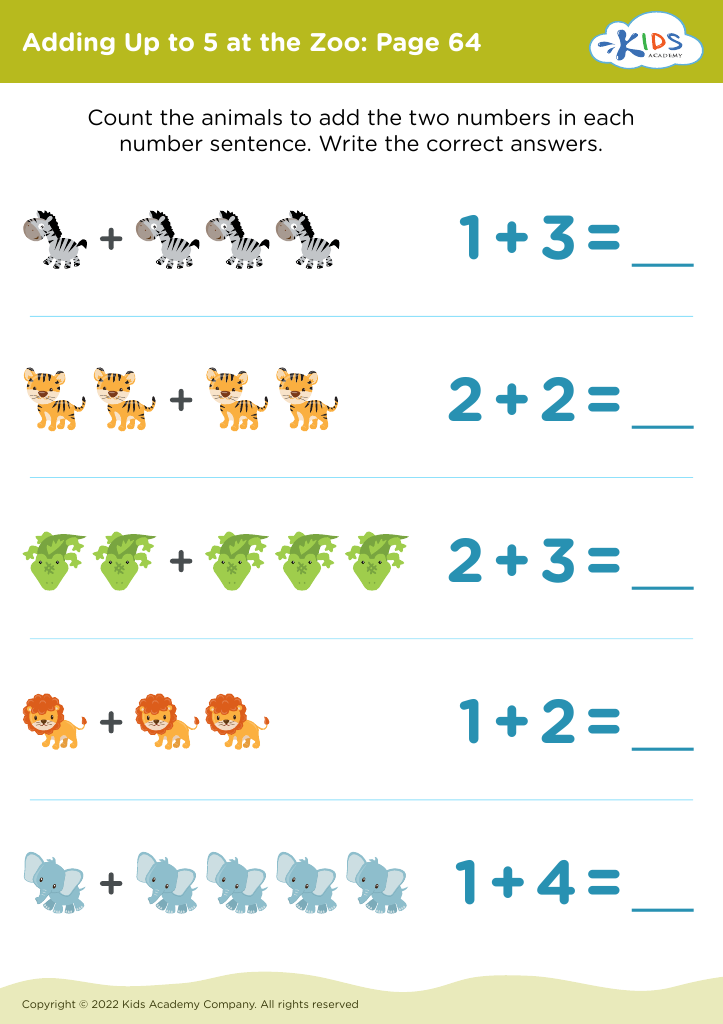
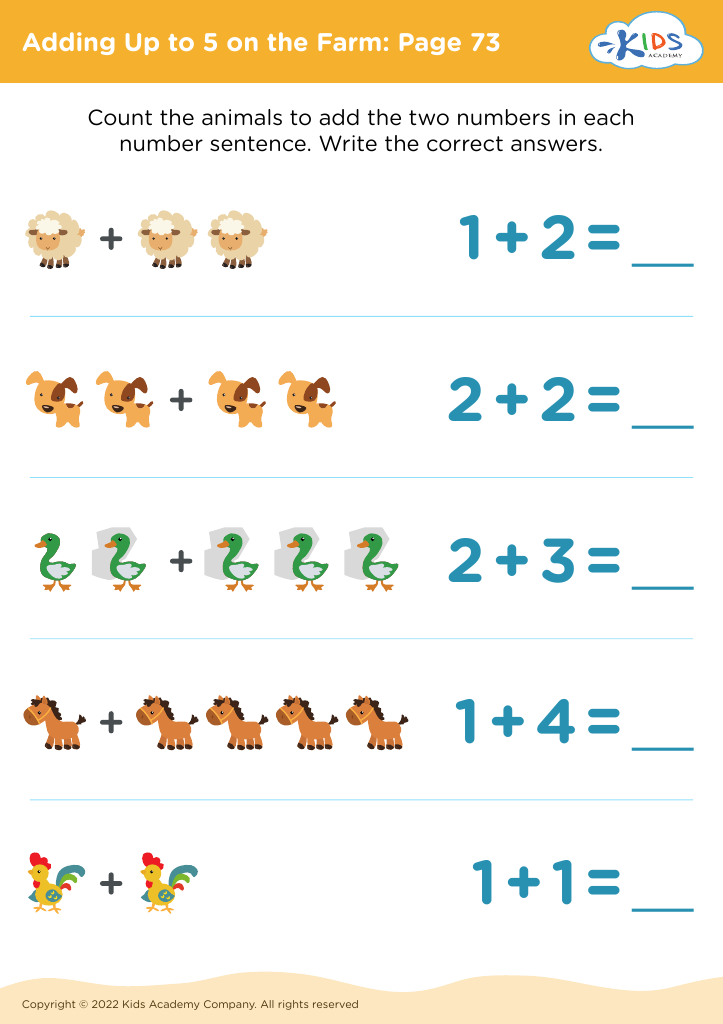
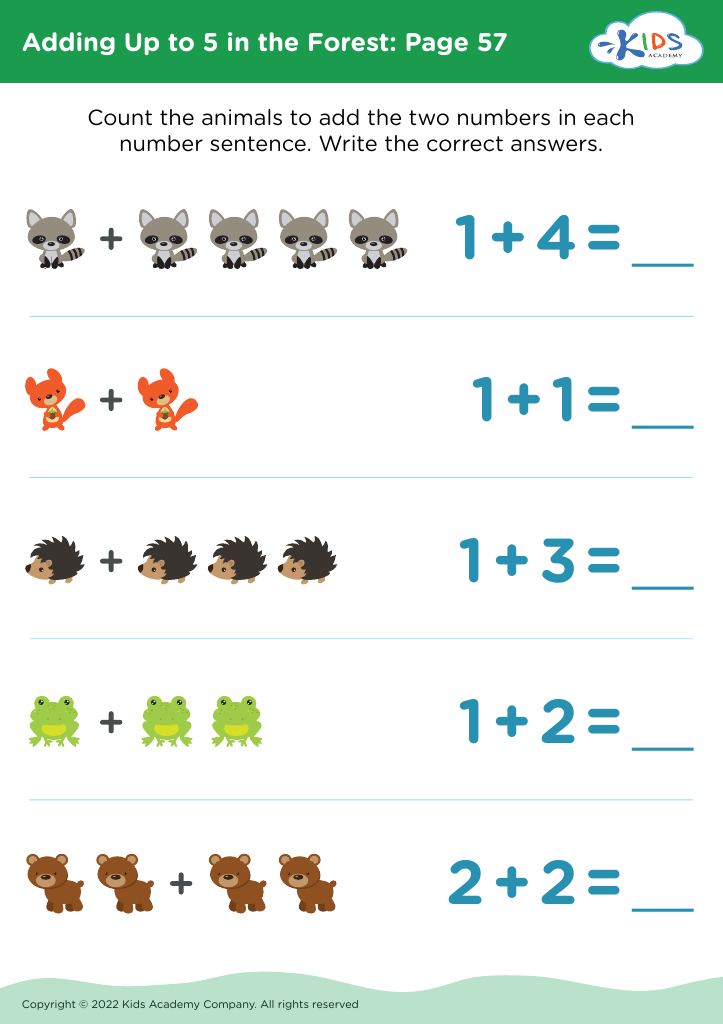
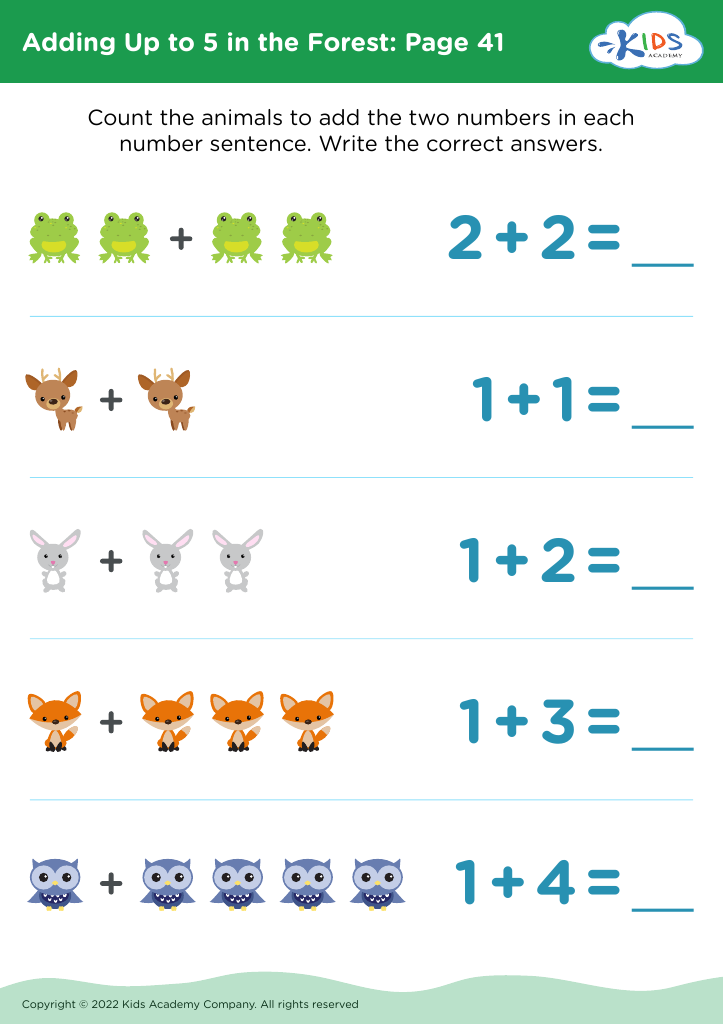
Visual learning in math for children aged 4-8 is crucial as it engages young minds through images, diagrams, and manipulatives, making abstract concepts tangible. This age group is particularly receptive to visual aids, which can enhance their understanding and retention of mathematical ideas. By using visual methods, children can grasp foundational skills such as counting, addition, subtraction, and shapes more effectively.
Parents and teachers should care about visual learning math because it cultivates essential cognitive skills, including problem-solving and critical thinking. Visual strategies facilitate diverse learning styles, allowing children who may struggle with traditional instruction to thrive. When students see math represented visually, they can relate it to real-life, fostering a positive attitude toward the subject.
This approach also encourages engagement and motivation, as interactive visual methods often turn learning into a fun experience. Additionally, building a strong mathematical foundation early on can impact future academic success, instilling confidence and competence in young learners. By prioritizing visual learning, parents and teachers can support a child’s holistic development, ensuring they are better prepared for more complex mathematical concepts as they progress through their education.








