Visual discrimination Matching Worksheets for Ages 4-8
3 filtered results
-
From - To
Enhance your child's cognitive development with our Visual Discrimination Matching Worksheets for Ages 4-8. These engaging worksheets are designed to bolster visual perception skills vital for reading and mathematics. Through fun and colorful exercises, children develop the ability to notice differences in shapes, patterns, and objects, aiding in their overall learning process. Perfect for preschoolers and early elementary students, our worksheets make learning enjoyable. By matching items, kids sharpen their attention to detail, critical thinking, and problem-solving abilities. Support your child’s educational journey with activities that are both educational and entertaining. Download now to see the difference!
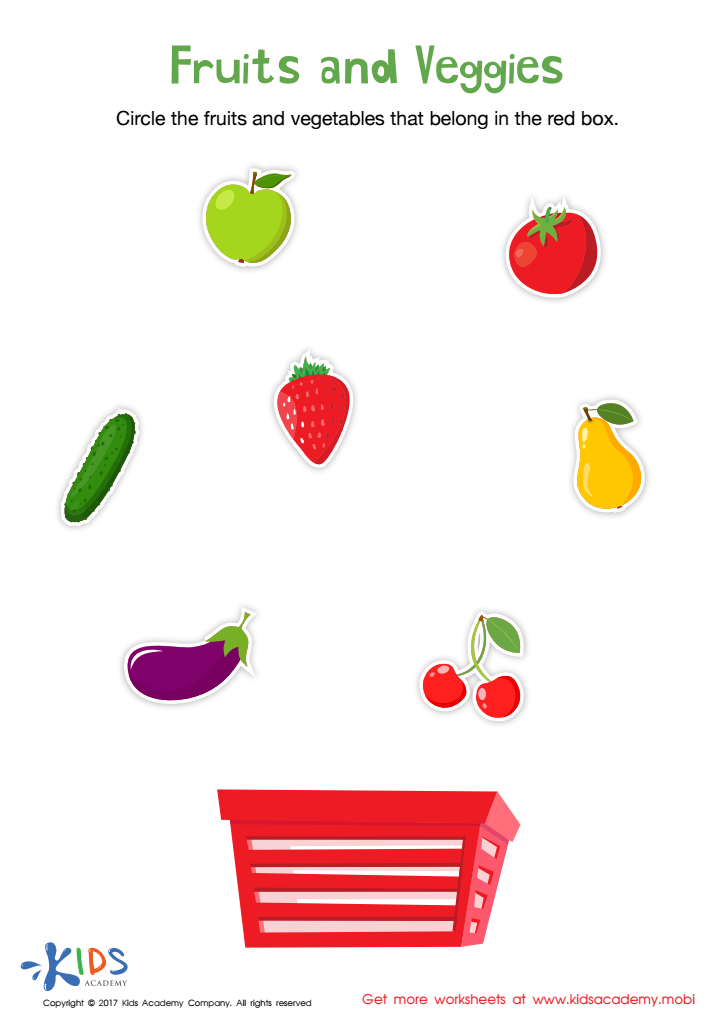
 Assign to My Students
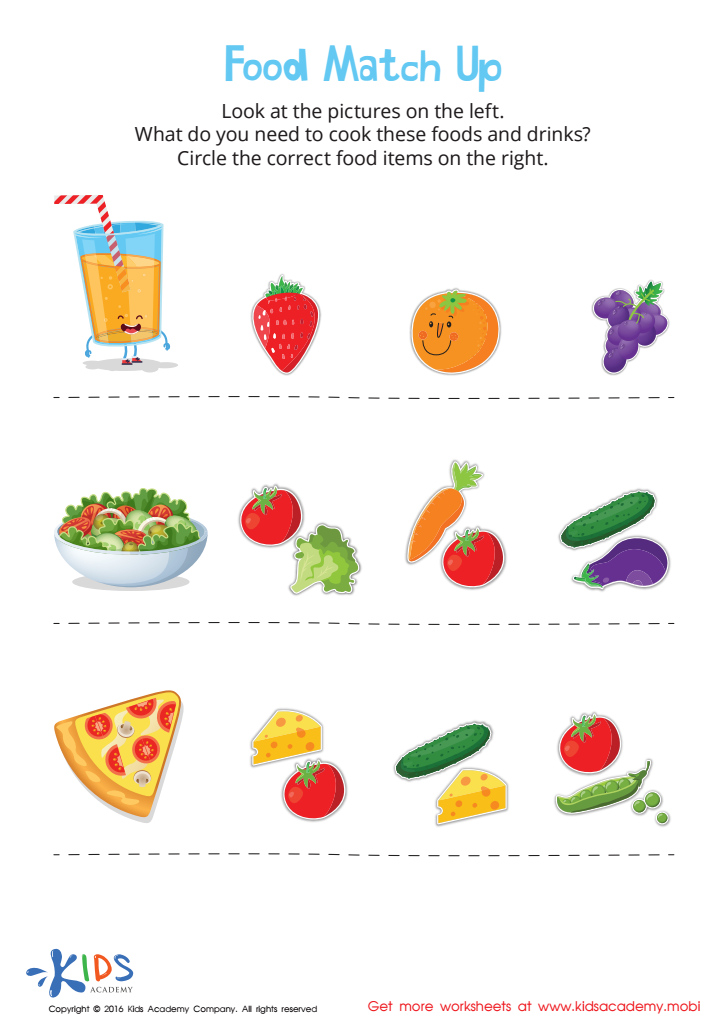
Food Match Up Worksheet
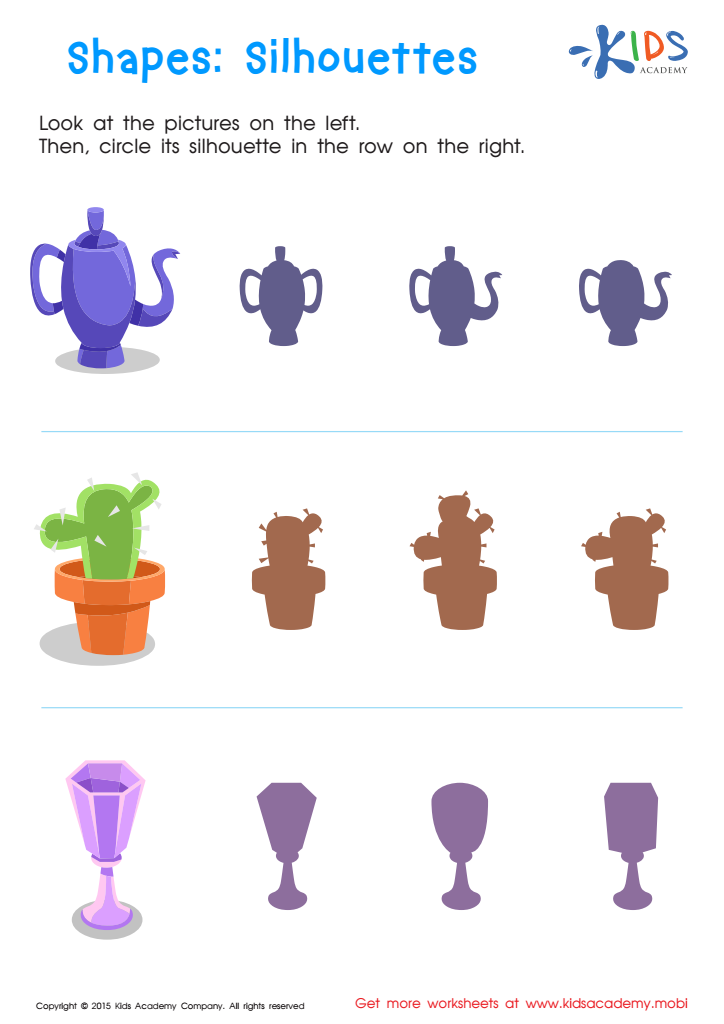
Silhouettes – Shapes Worksheet



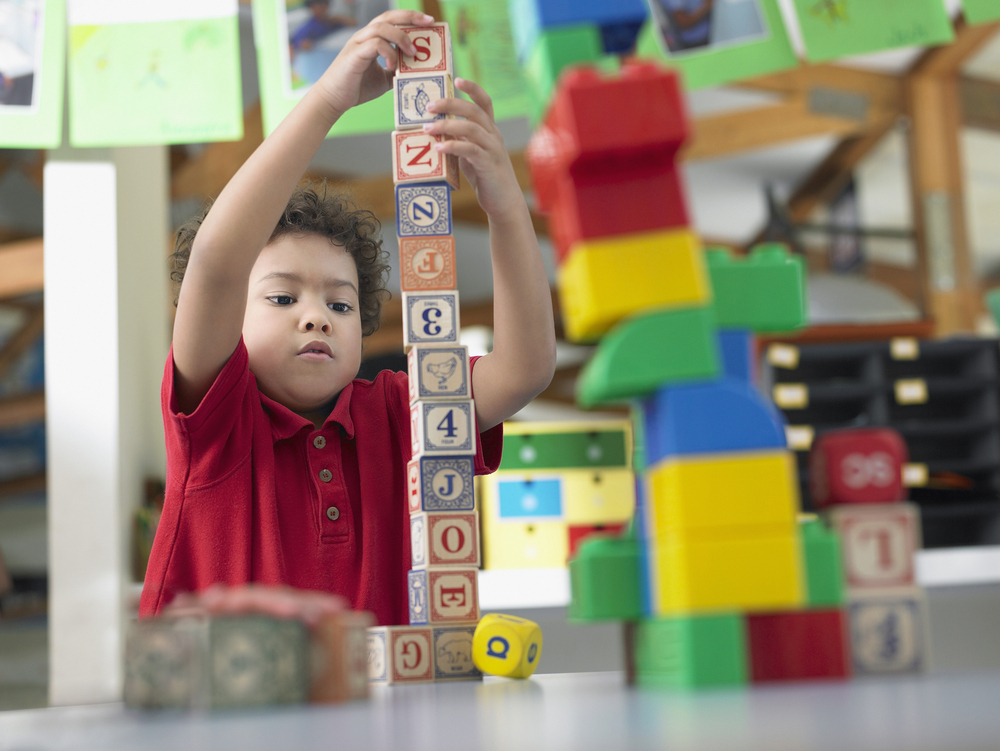




Visual discrimination is a critical skill for young children, particularly between the ages of 4-8, as it significantly impacts their learning and development. Visual discrimination matching activities help children differentiate between similarities and differences in shapes, patterns, letters, and numbers. This ability is essential for reading and writing, as it enables children to distinguish between similar-looking letters such as 'b' and 'd' or 'p' and 'q,' which are fundamental for decoding words and comprehension.
Moreover, visual discrimination skills are foundational for mathematical abilities, helping children recognize patterns, sort objects, and differentiate between numerical symbols. These early experiences lay the groundwork for more complex mathematical concepts they will encounter later.
Engaging in visual discrimination activities also enhances a child's attention to detail, critical thinking skills, and ability to make connections between different concepts. For example, recognizing differences in animal shapes or colors can foster better memory and observation skills.
By incorporating visual discrimination games and activities, parents and teachers can support a child's cognitive development, making learning more interactive and fun. Ultimately, strengthening these skills provides children with the tools they need for academic success and day-to-day problem-solving, setting a strong foundation for lifelong learning.








