Visual perception Matching Worksheets for Ages 4-8
5 filtered results
-
From - To
Discover our engaging Visual Perception Matching Worksheets designed specifically for children aged 4-8! These worksheets help enhance essential visual skills by encouraging kids to identify similarities and differences through fun matching activities. By practicing with these engaging exercises, young learners will improve their attention to detail, observation, and cognitive skills—key components for academic success. Each worksheet is colorful and interactive, making learning enjoyable. Tailored for preschool and early elementary students, our resources provide an excellent way to build foundational visual perception skills. Explore our collection today and support your child's development in a fun and stimulating way!
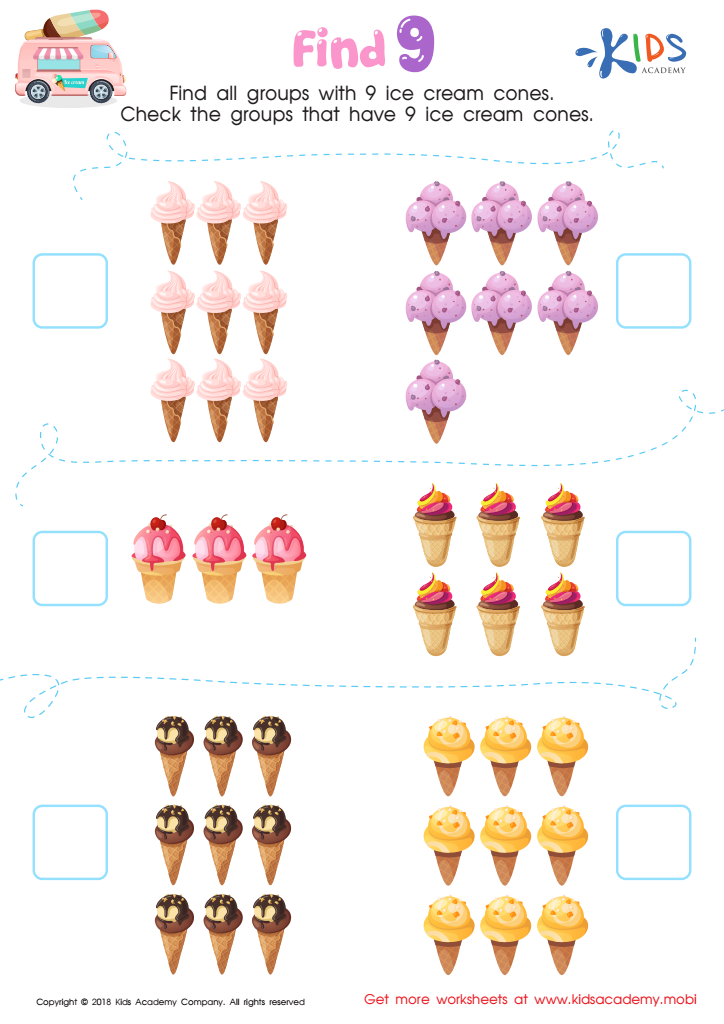
Find 9 Worksheet
 Assign to My Students
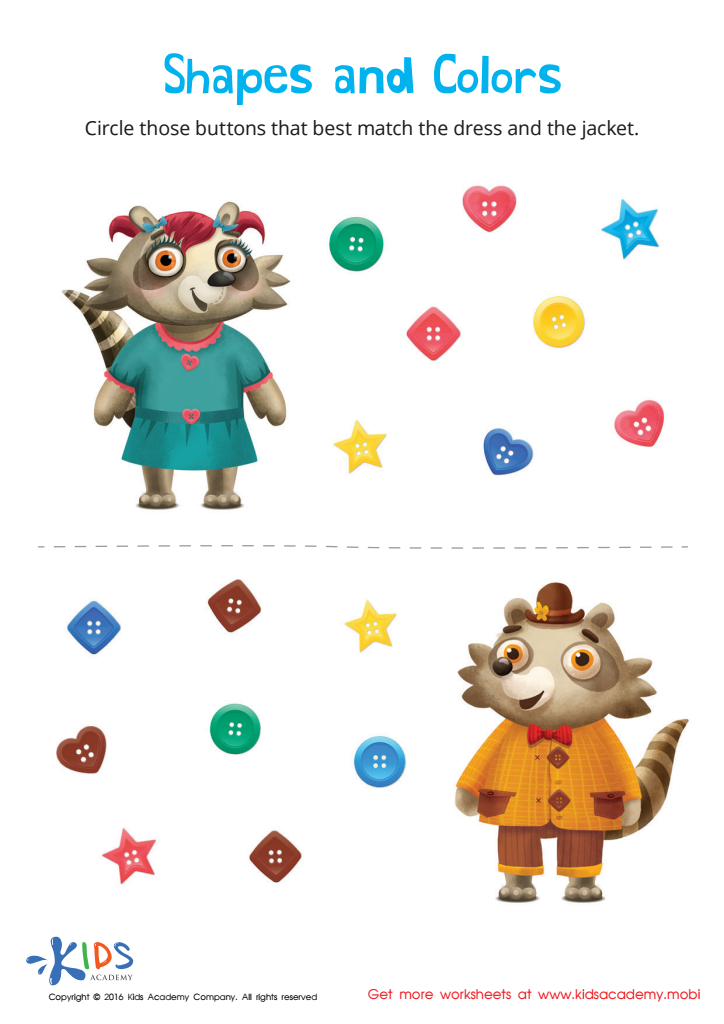
Matching: Shapes and Colors Worksheet
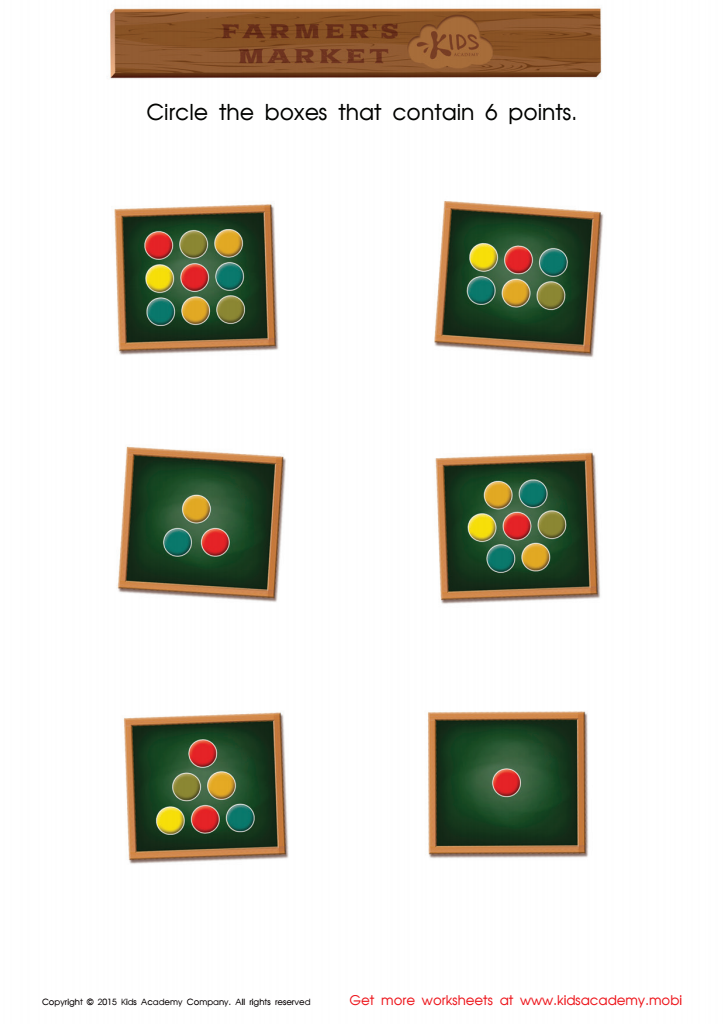
Count and Match Points 6 Math Worksheet
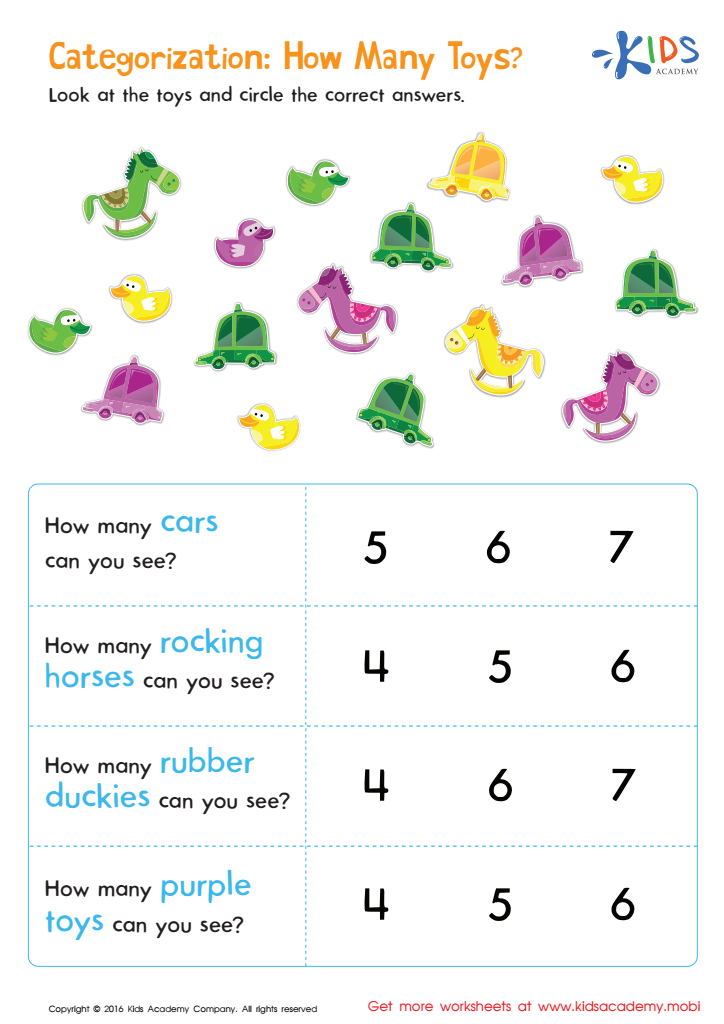
Classifying Toys by Type and Color Sorting Worksheet
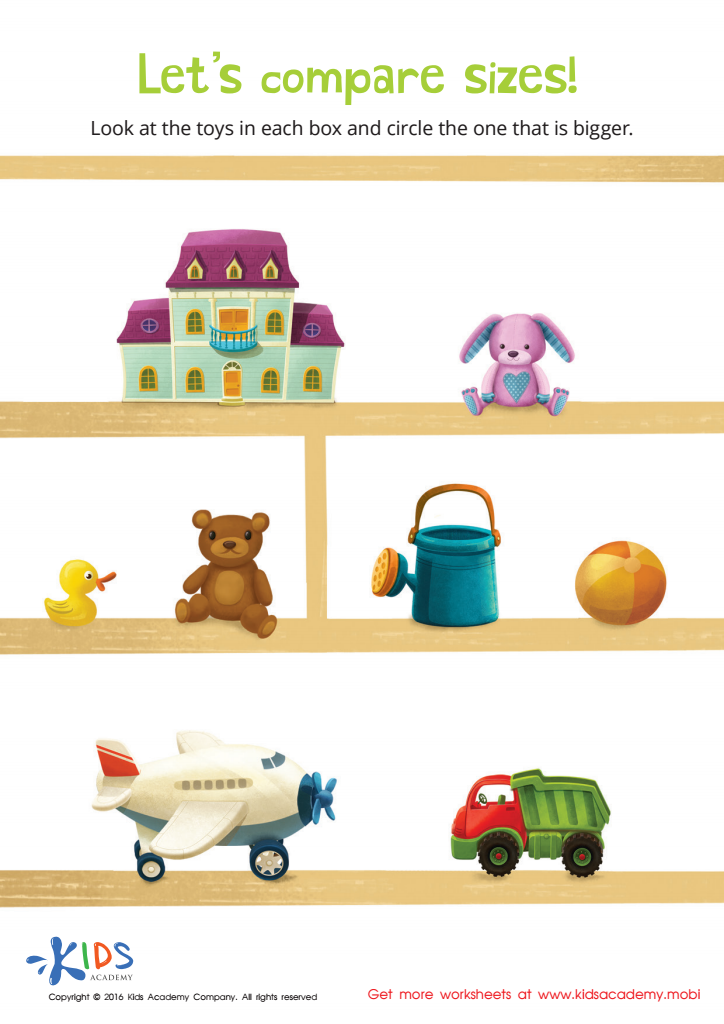
Classifying by Size Sorting Worksheet







Visual perception matching is a crucial skill for children aged 4-8, serving as a foundation for their overall cognitive development. This skill encompasses the ability to recognize, compare, and identify similarities and differences between various images or objects. Parents and teachers should prioritize visual perception matching because it plays a significant role in a child's academic success, particularly in subjects like reading and math.
Strong visual perception helps young learners with essential activities such as letter and number recognition, understanding shapes, and developing spatial awareness. These abilities enhance their problem-solving skills, boost their creativity, and promote critical thinking from an early age.
Moreover, engaging children in visual perception matching activities fosters concentration and attention to detail, essential elements for both learning and daily tasks. By participating in such activities, children develop fine motor skills and hand-eye coordination, which are vital for tasks like writing and drawing.
Incorporating games, puzzles, and matching activities into learning routines can make the process enjoyable. Parents and teachers who invest time in developing these skills not only support academic progress but also nurture a child’s confidence and independence, laying the groundwork for lifelong learning.








