Critical Thinking Measurement Worksheets for Ages 4-8
4 filtered results
-
From - To
Unlock your child's potential with our Critical Thinking Measurement Worksheets designed for ages 4-8. These engaging exercises develop crucial problem-solving and analytical skills through interactive math activities tailored to young learners. Perfect for enhancing your child's cognitive abilities, these worksheets include fun and challenging tasks that teach them how to measure, compare, and analyze various objects and scenarios. With our expertly crafted materials, boost your child's confidence and help them excel in both math and critical thinking. Join thousands of parents and educators who are making learning fun and impactful with our top-tier educational resources.
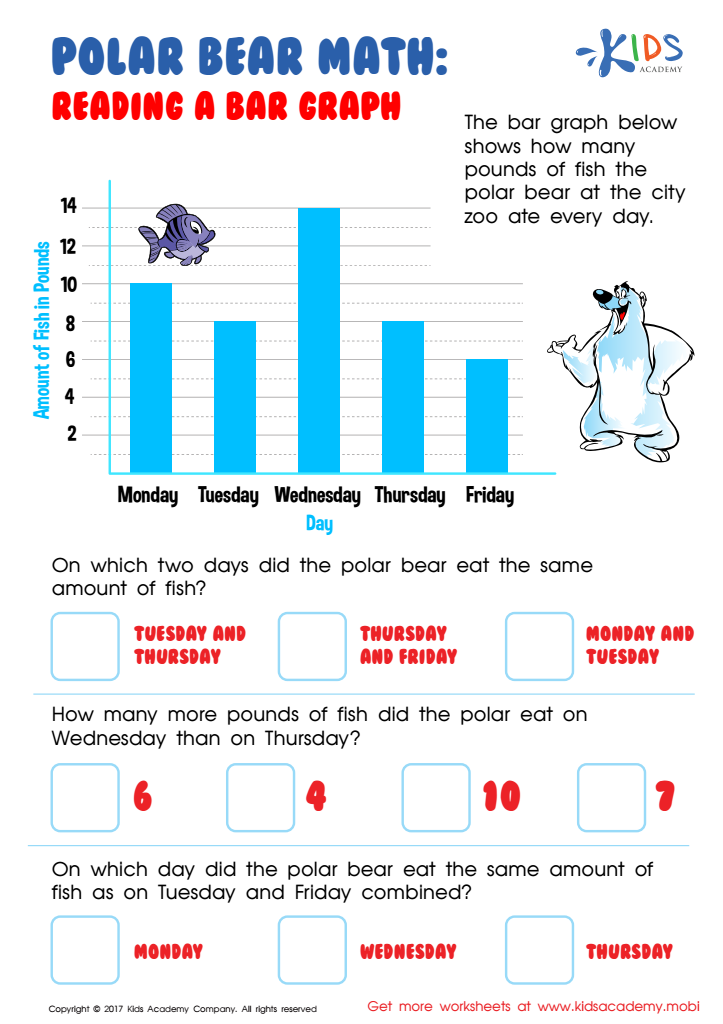
Reading Bar Graph Worksheet
 Assign to My Students
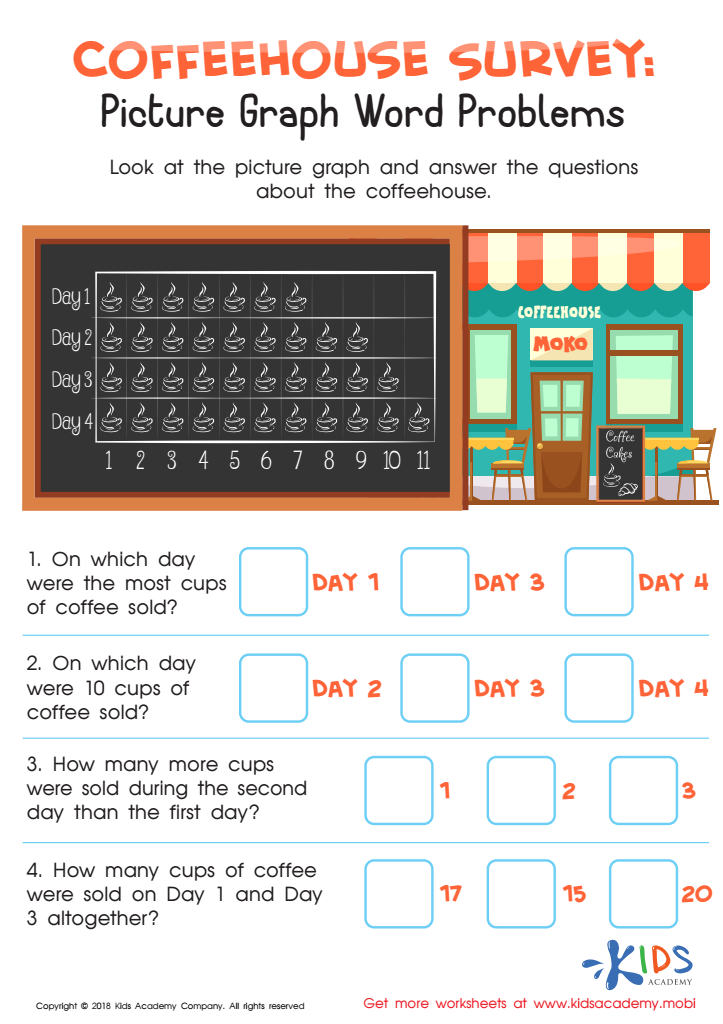
Coffeehouse Survey: Picture Graph Word Problems Worksheet
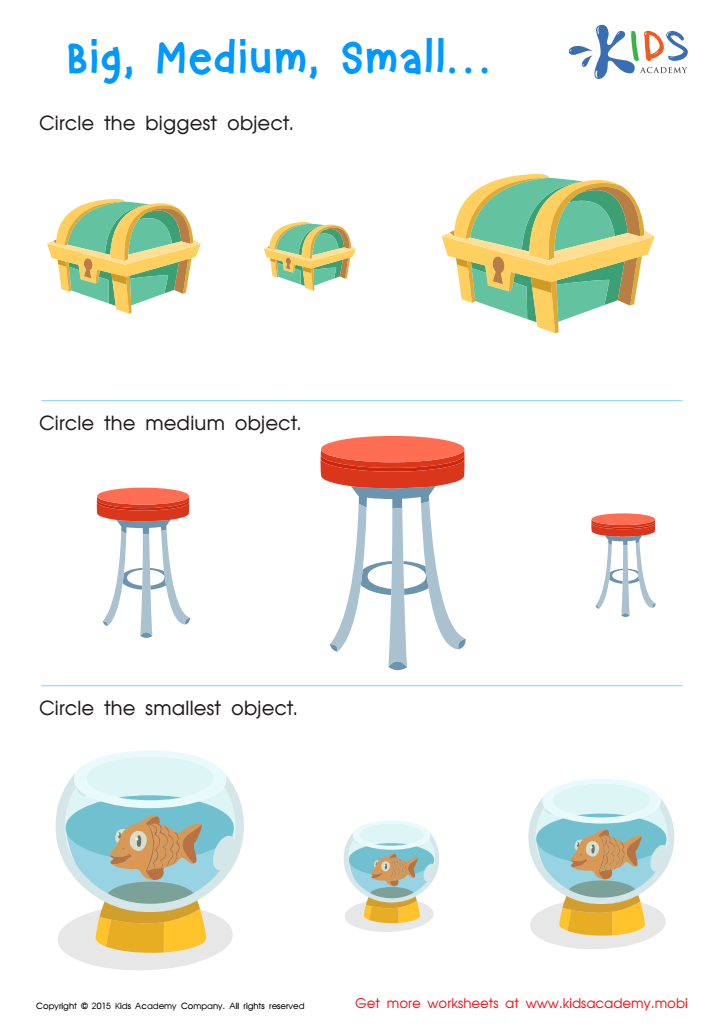
Big Medium Small Worksheet
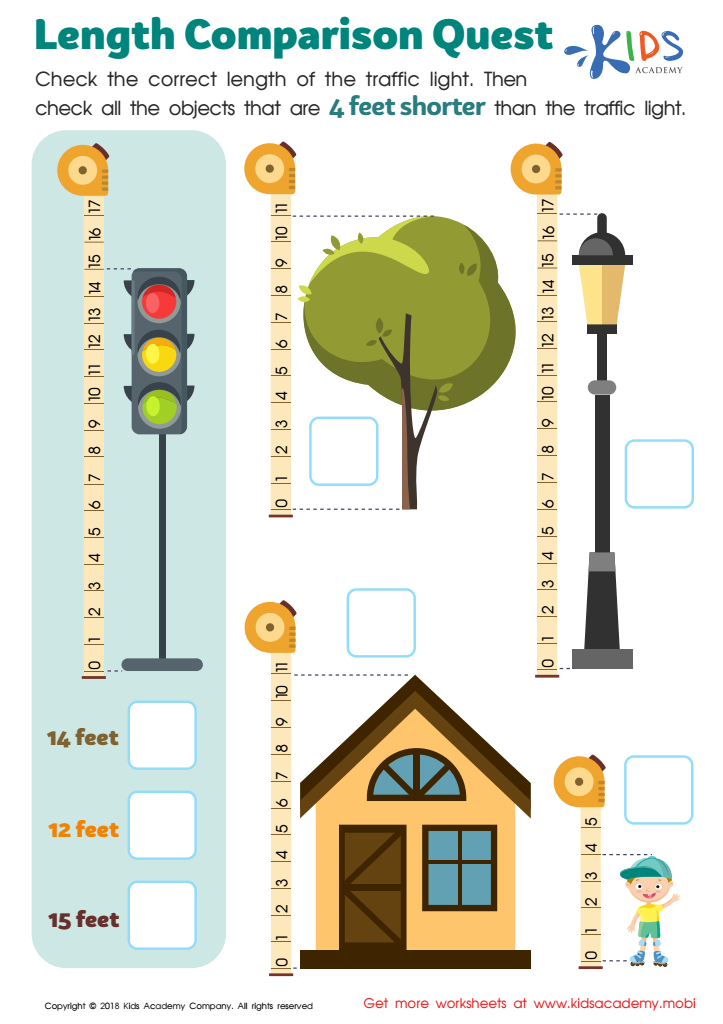
Length Comparison Quest Worksheet








Critical Thinking Measurement for ages 4-8 is crucial because early childhood is a foundational period for cognitive development. This stage lays the groundwork for future learning and problem-solving skills. By focusing on critical thinking at this age, parents and teachers can identify how well children analyze, evaluate, and synthesize information.
For parents, understanding their child's critical thinking abilities can guide them in providing appropriate challenges to stimulate cognitive growth. It can also alert them to potential learning difficulties early on, allowing for timely interventions. Activities that promote critical thinking, like puzzles and open-ended questions, engage children's minds in meaningful ways, enhancing their curiosity and enthusiasm for learning.
Teachers benefit from this measurement by gaining insights into each student's unique thought processes and learning styles. This allows for differentiated instruction tailored to individual needs, maximizing classroom effectiveness. Encouraging critical thinking in early education fosters independence and resilience, equipping children to navigate complex situations confidently.
Furthermore, strong critical thinking skills are linked to better academic performance and social interactions, as children learn to reason, reflect, and argue constructively. Early measurement sets the stage for a lifetime of inquisitive thinking and informed decision-making, underscoring its importance for long-term academic and personal success.








