Building Vocabulary Worksheets for Ages 4-8 - Page 17
478 filtered results
-
From - To











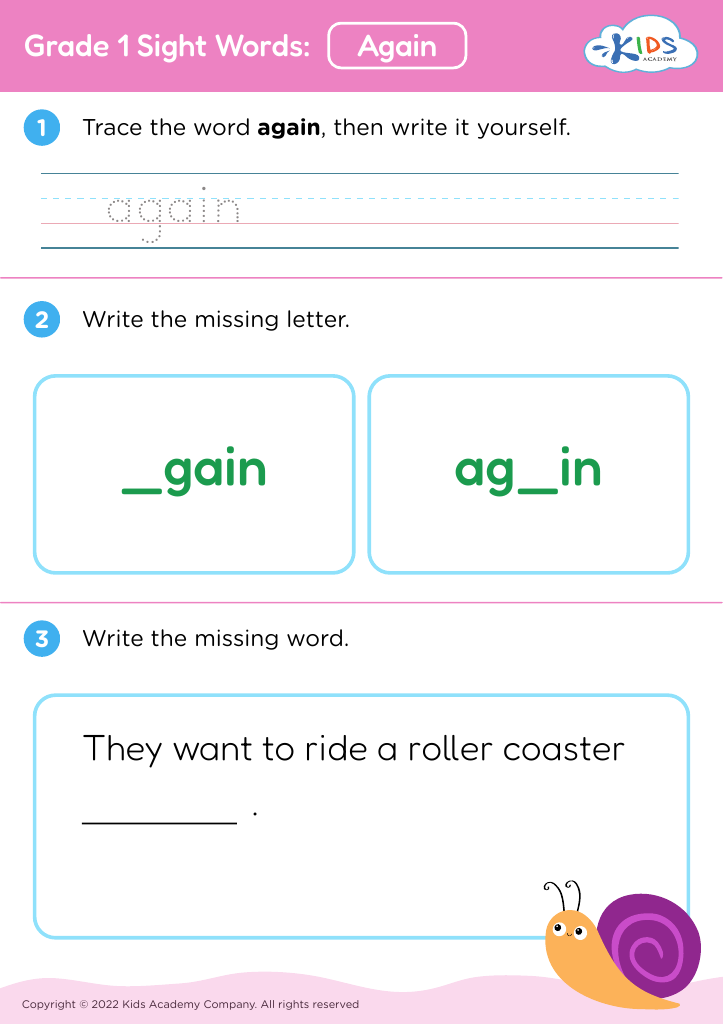
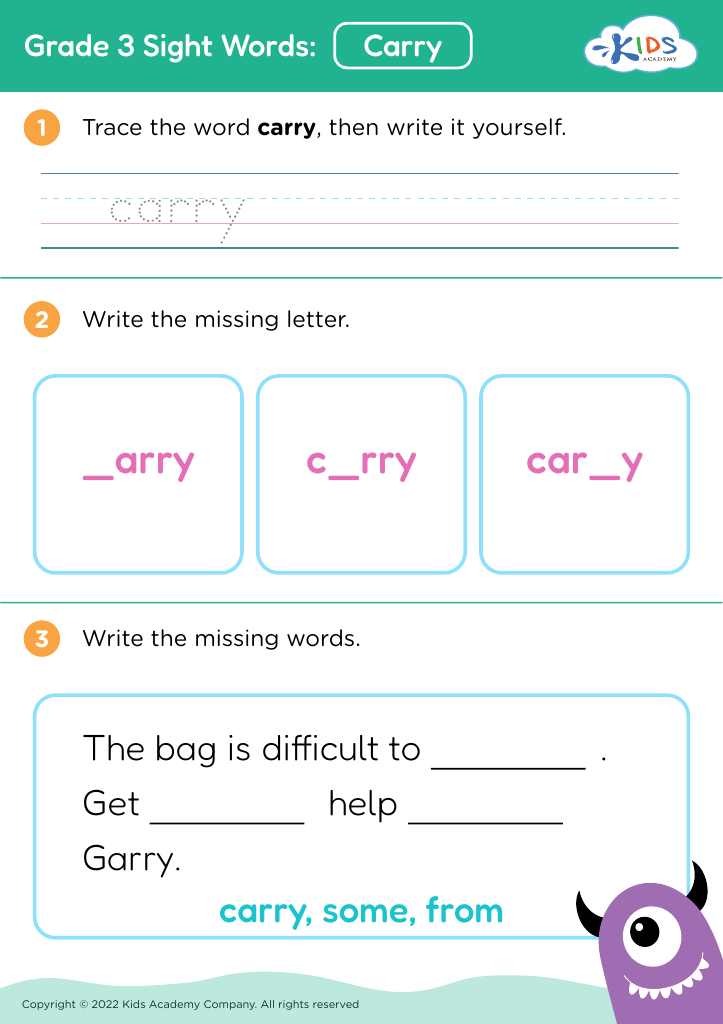
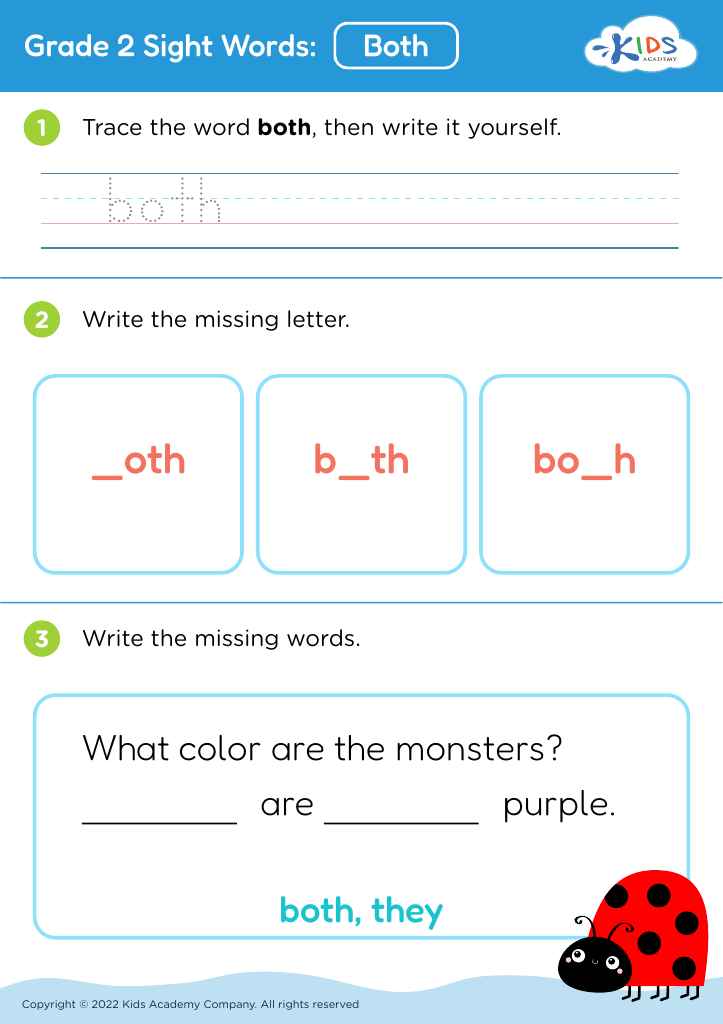
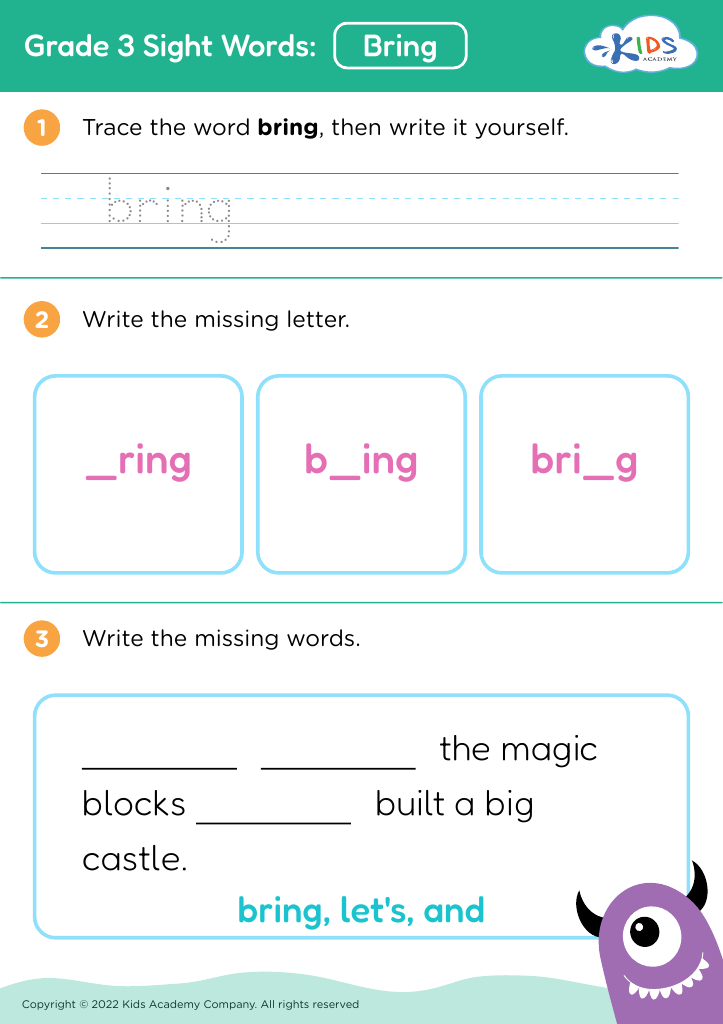
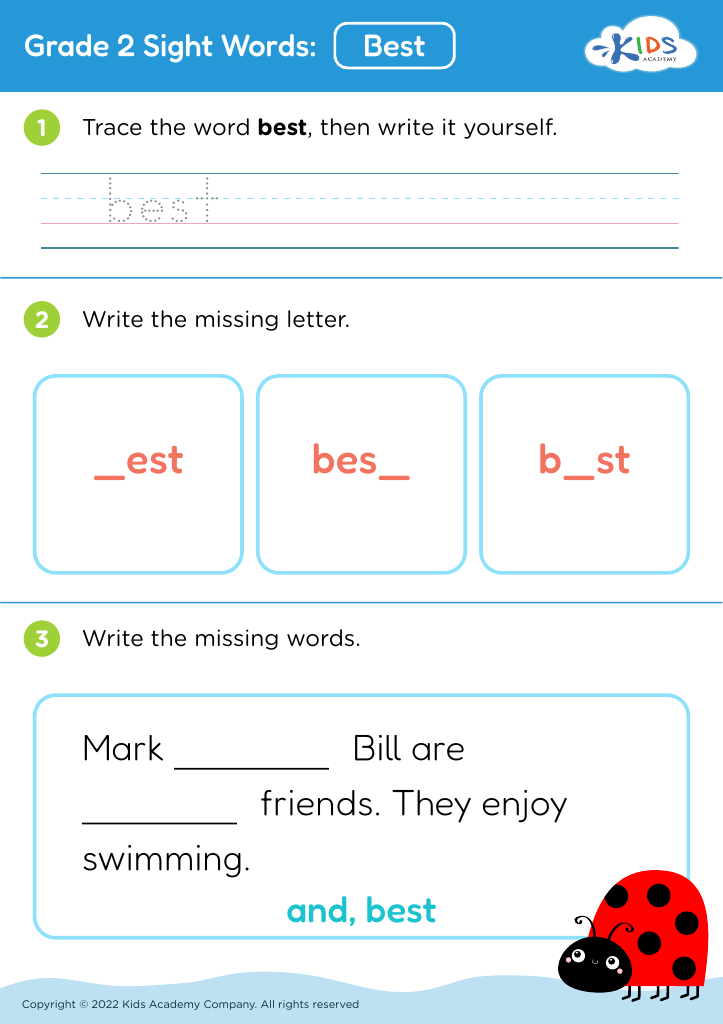
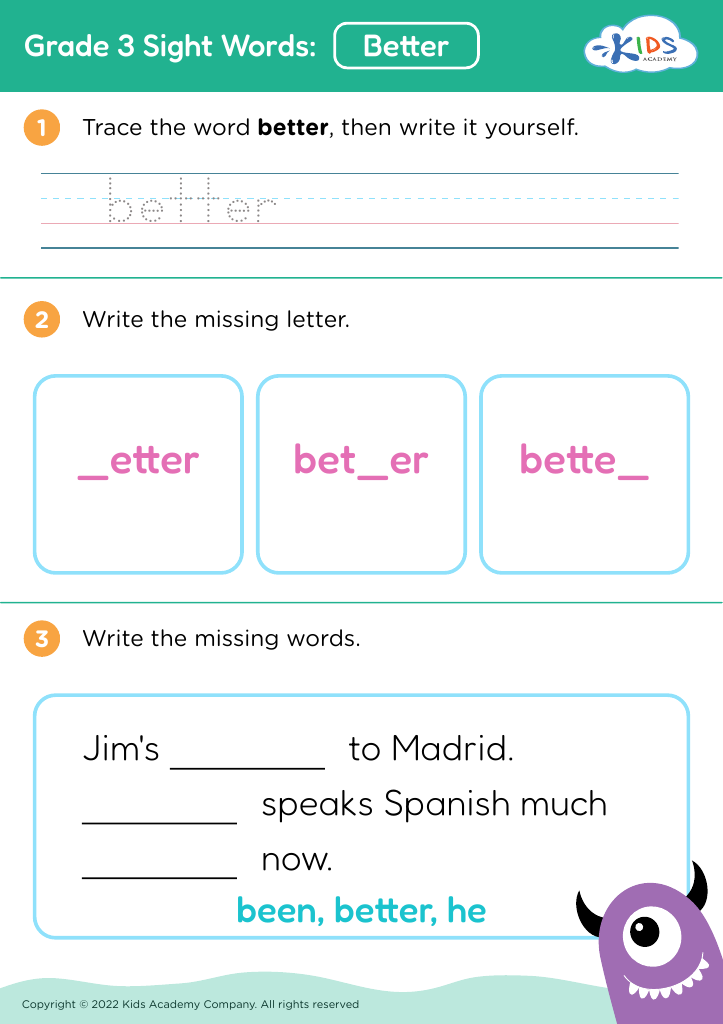
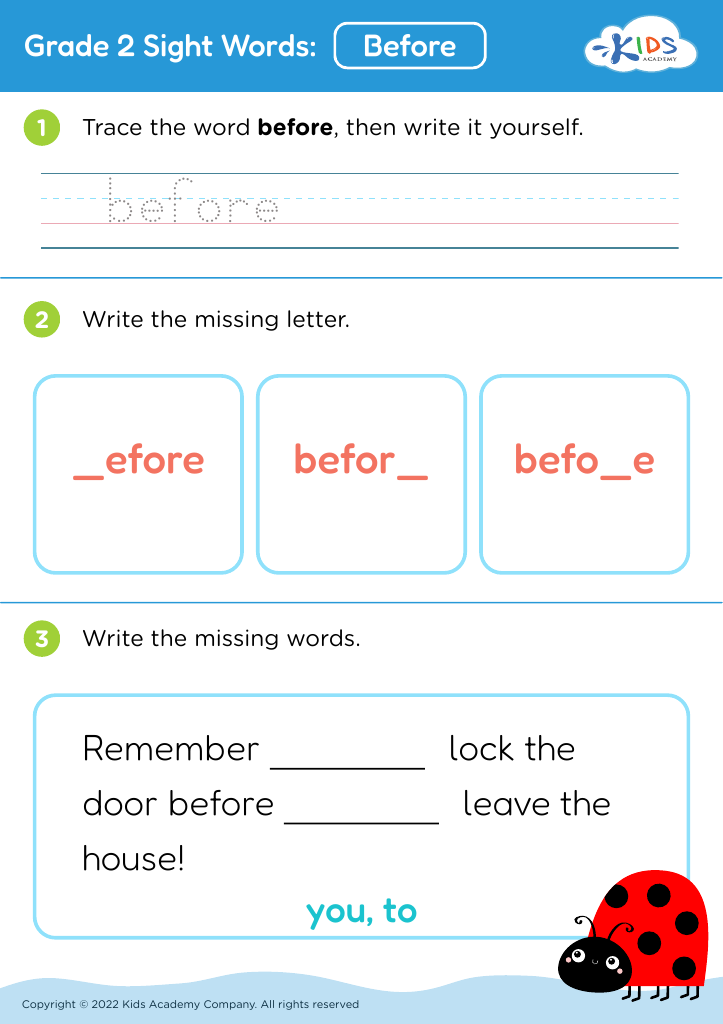
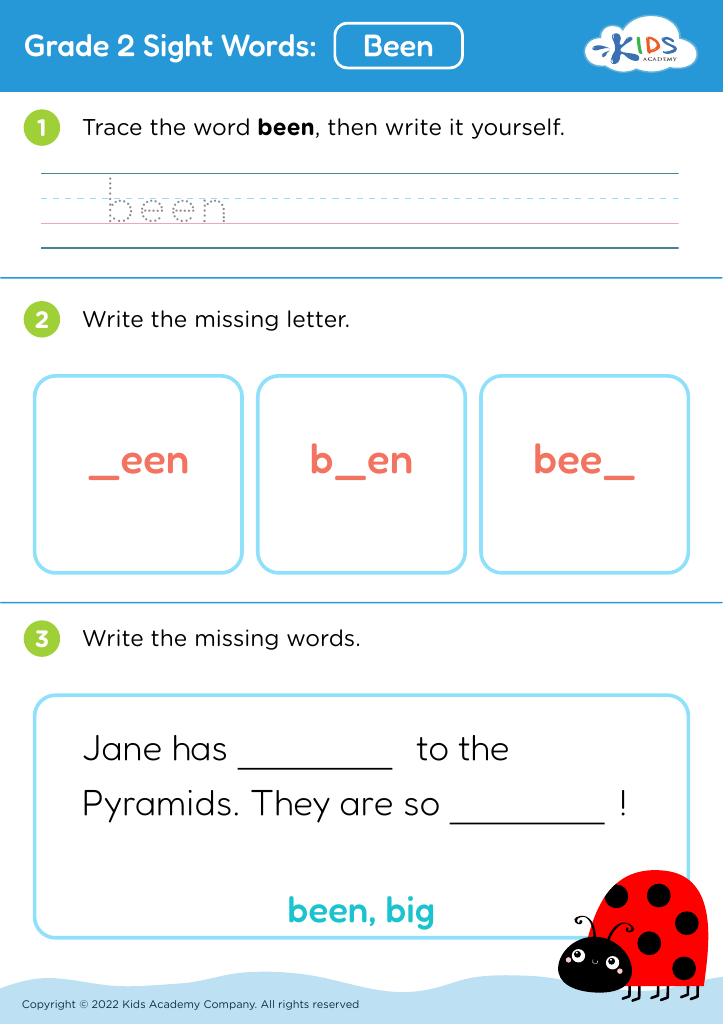





.jpg)

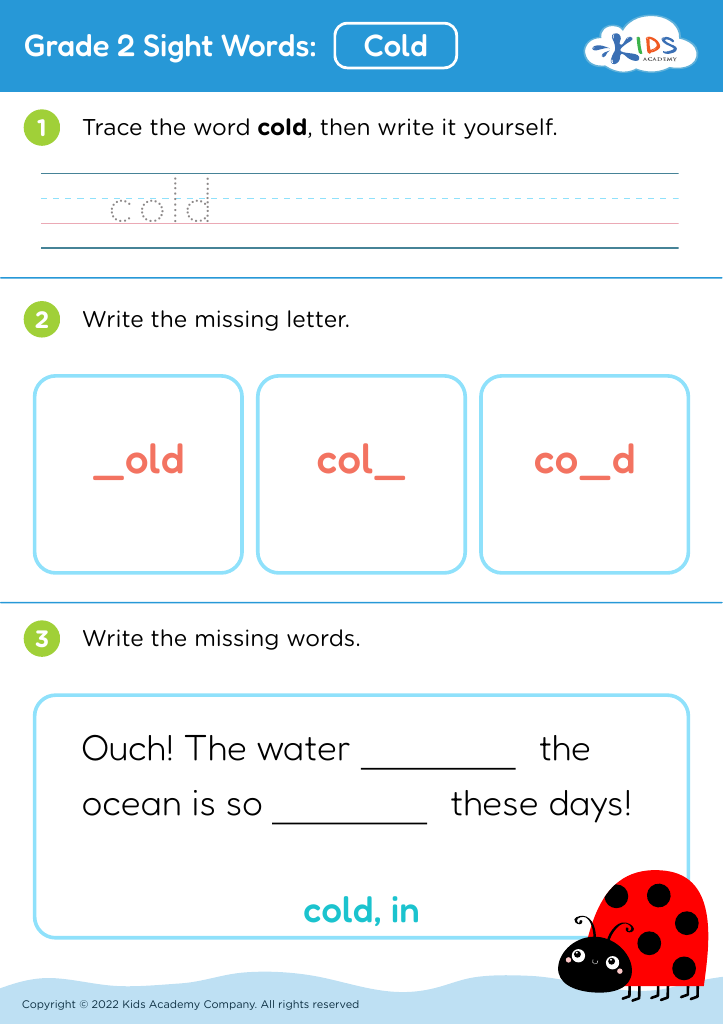
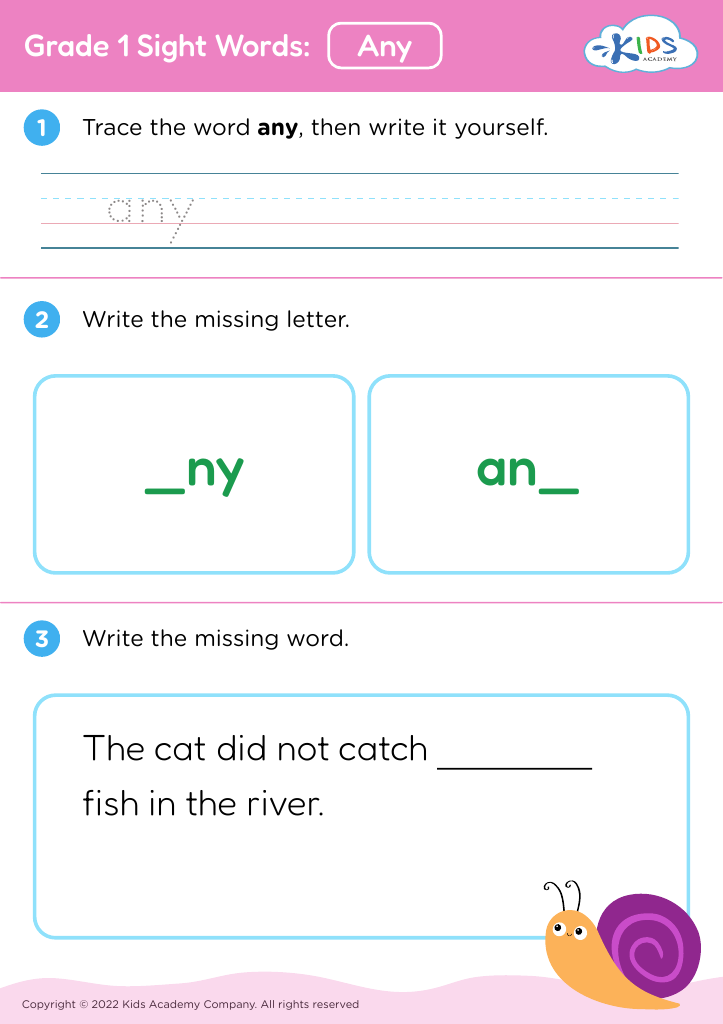
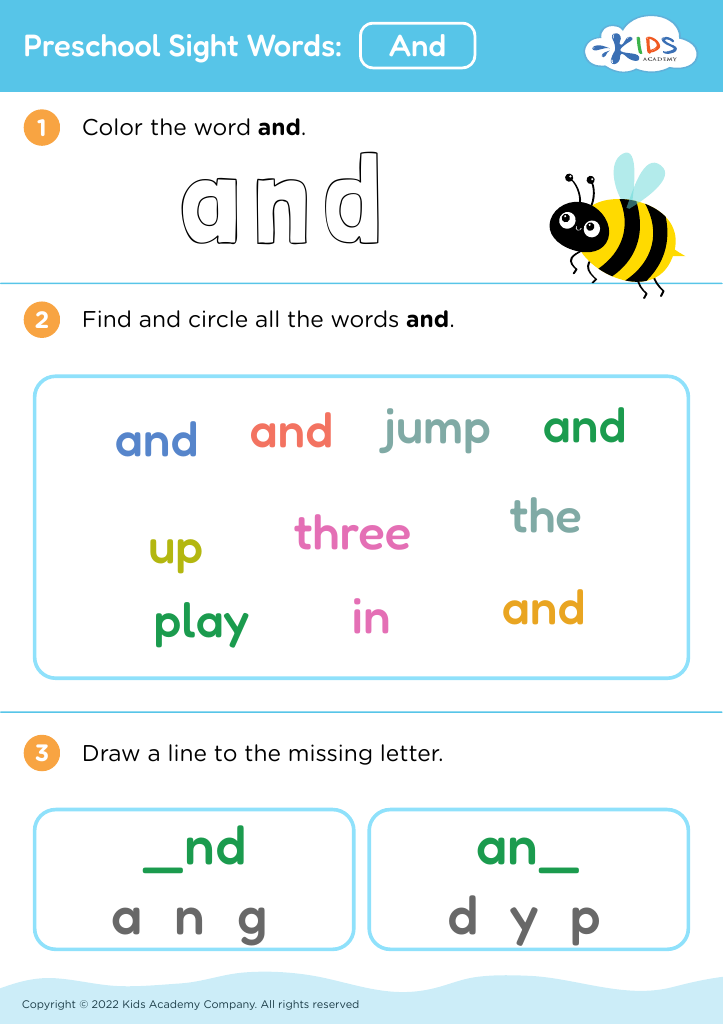
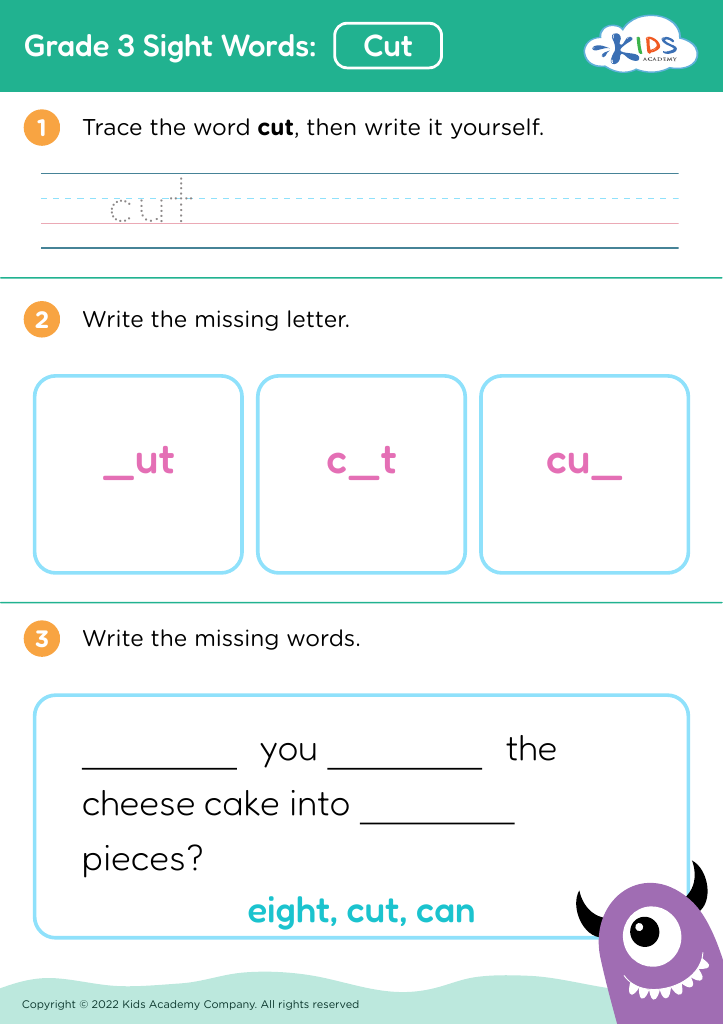
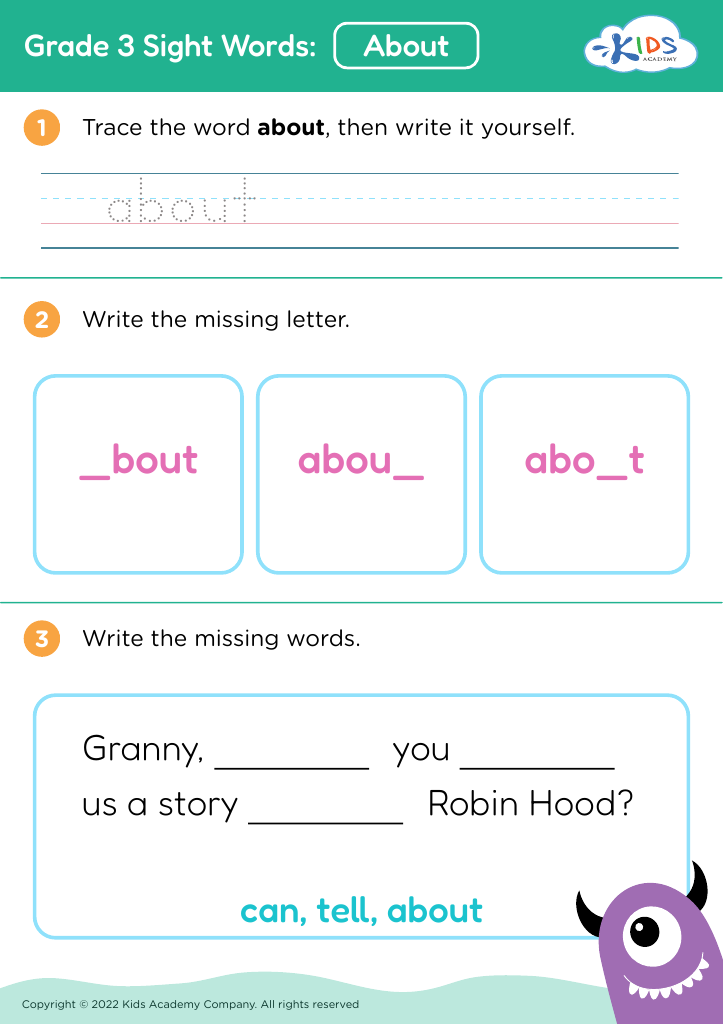
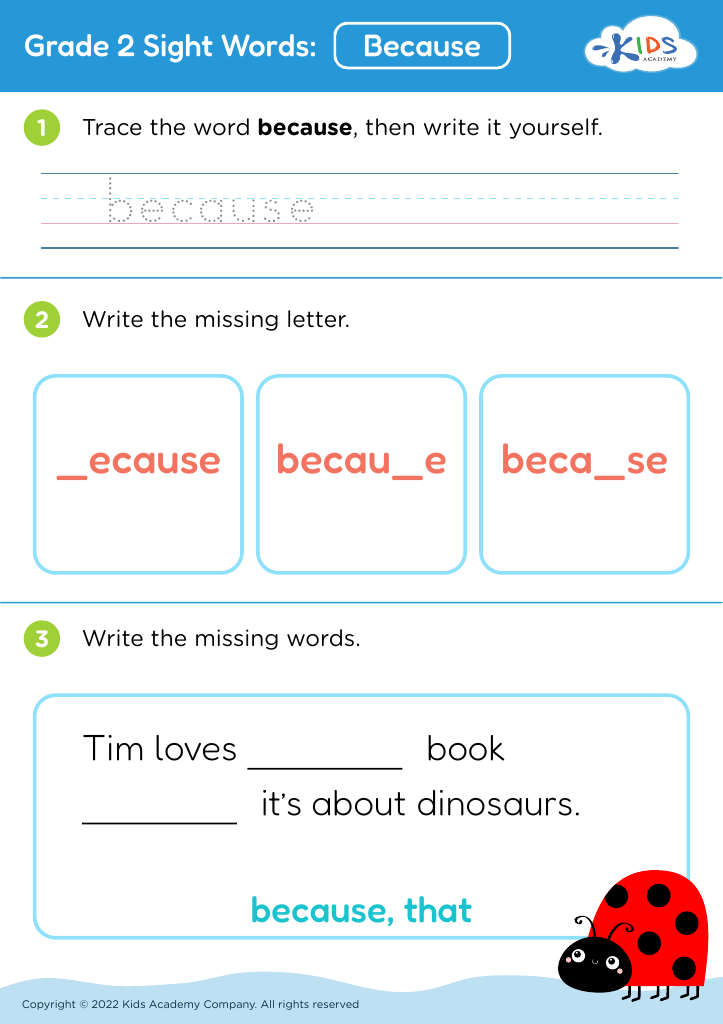
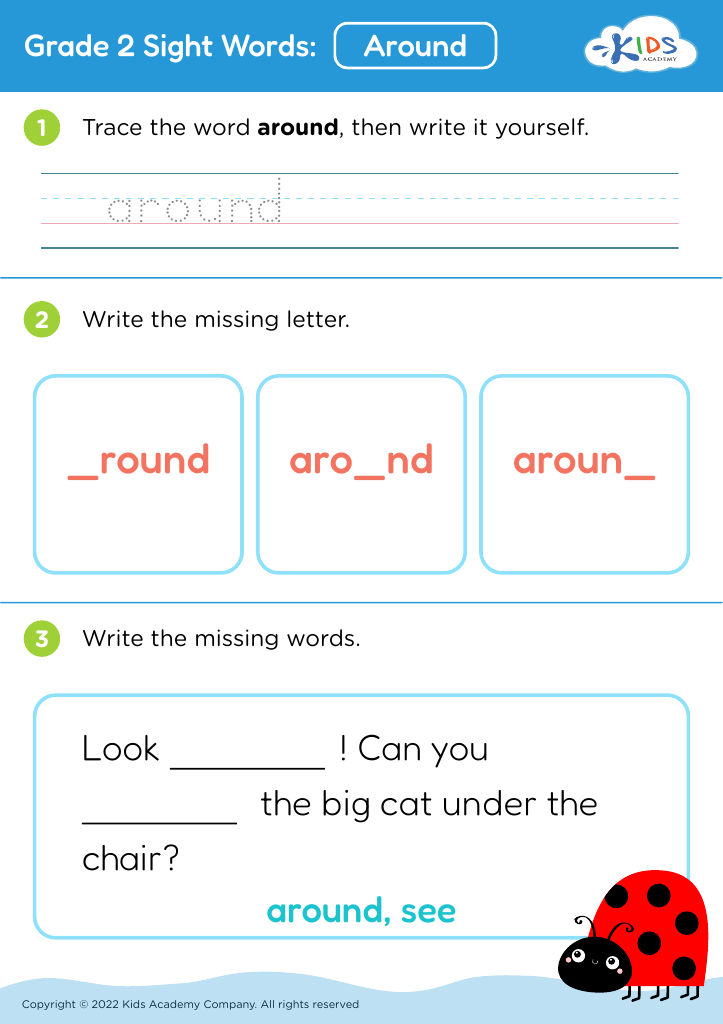
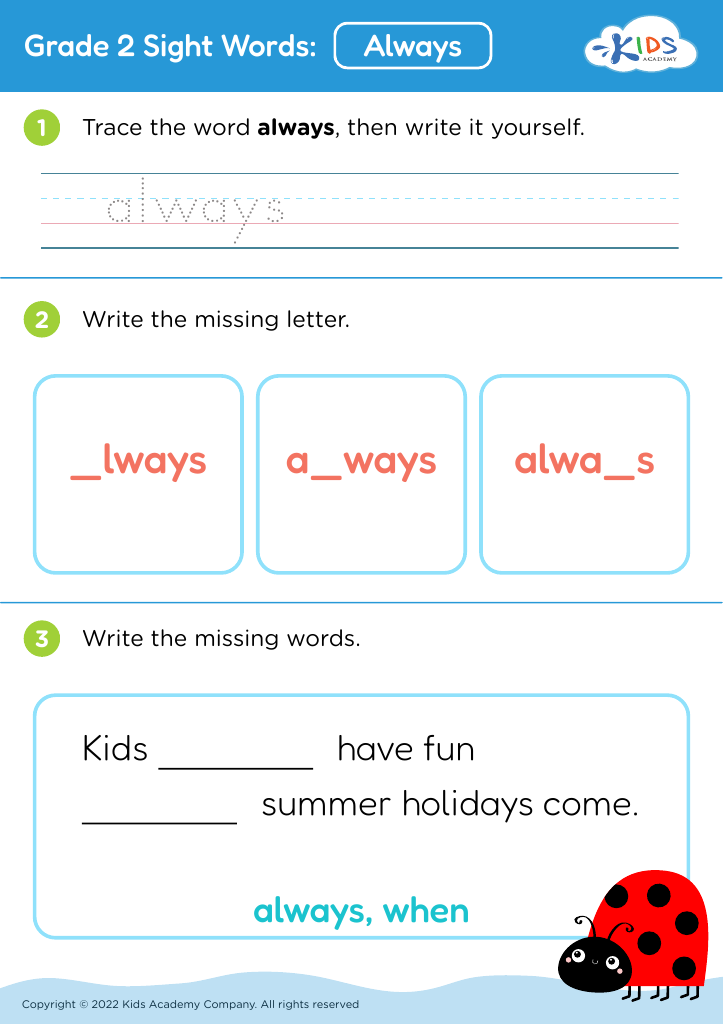
Building vocabulary for children ages 4-8 is crucial for several reasons. First and foremost, a robust vocabulary lays the foundation for successful reading and writing skills. Research shows that children with larger vocabularies tend to perform better in school. This age group is in a critical period of language development, and enriching their vocabulary not only enhances their communication abilities but also boosts their confidence in expressing themselves.
Additionally, vocabulary acquisition stems from meaningful interactions and experiences. When parents and teachers engage children in conversations, read together, and introduce them to diverse words through play and storytelling, they help to expand their understanding of language. This exposure encourages cognitive development and fosters critical thinking skills as children learn to categorize, define, and apply new words in various contexts.
Moreover, a strong vocabulary enhances comprehension abilities, enabling children to understand and enjoy stories and academic materials. It also facilitates social interactions, allowing kids to navigate relationships and communicate their thoughts, feelings, and needs more effectively.
Overall, investing time and effort into vocabulary building in early childhood can lead to lifelong academic and social benefits, making it a vital focus for both parents and teachers.








