Addition Practice Building Vocabulary Worksheets for Ages 4-8
8 filtered results
-
From - To
Discover an engaging way to blend math and literacy with our Addition Practice Building Vocabulary Worksheets for Ages 4-8. Designed to develop early math skills while enhancing vocabulary, these innovative worksheets are perfect for young learners. Your children will practice essential addition skills using fun themes and word problems, boosting both their arithmetic and language proficiency. Ideal for home or classroom use, our worksheets foster a love of learning through colorful images, interactive activities, and age-appropriate challenges. Help your child succeed in math, expand their vocabulary, and build a strong educational foundation with our expertly crafted materials.
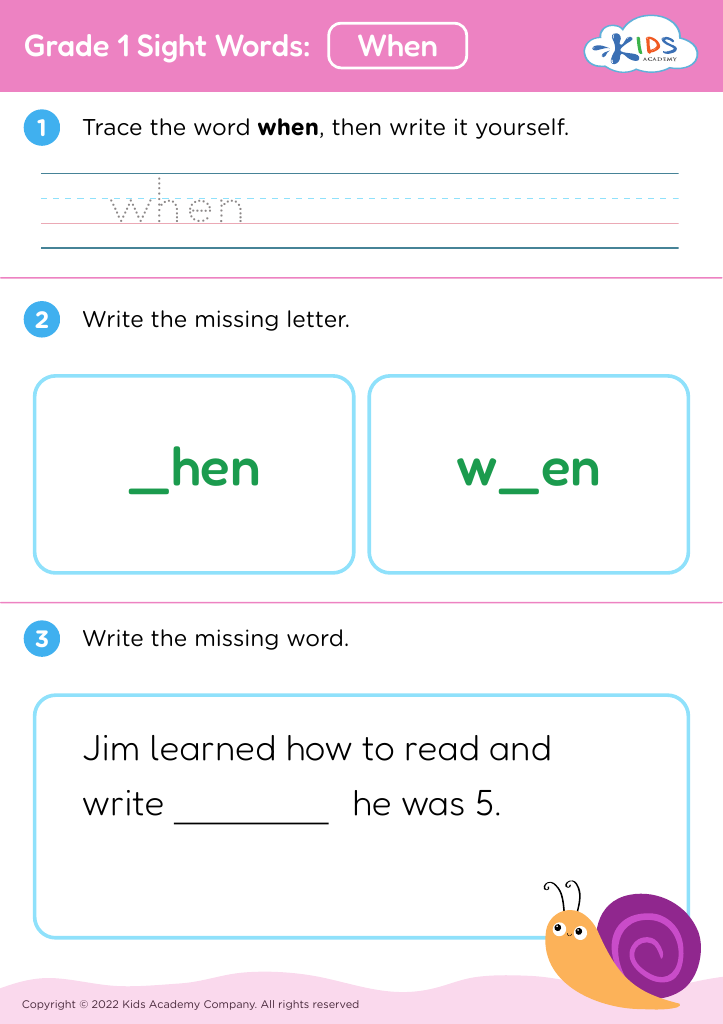











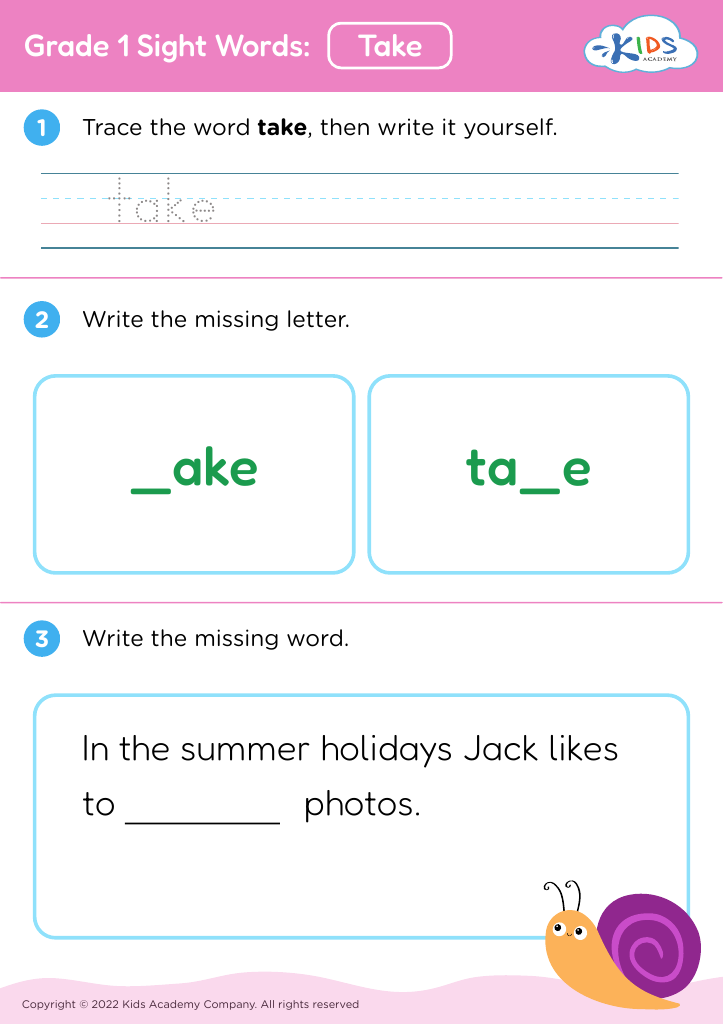
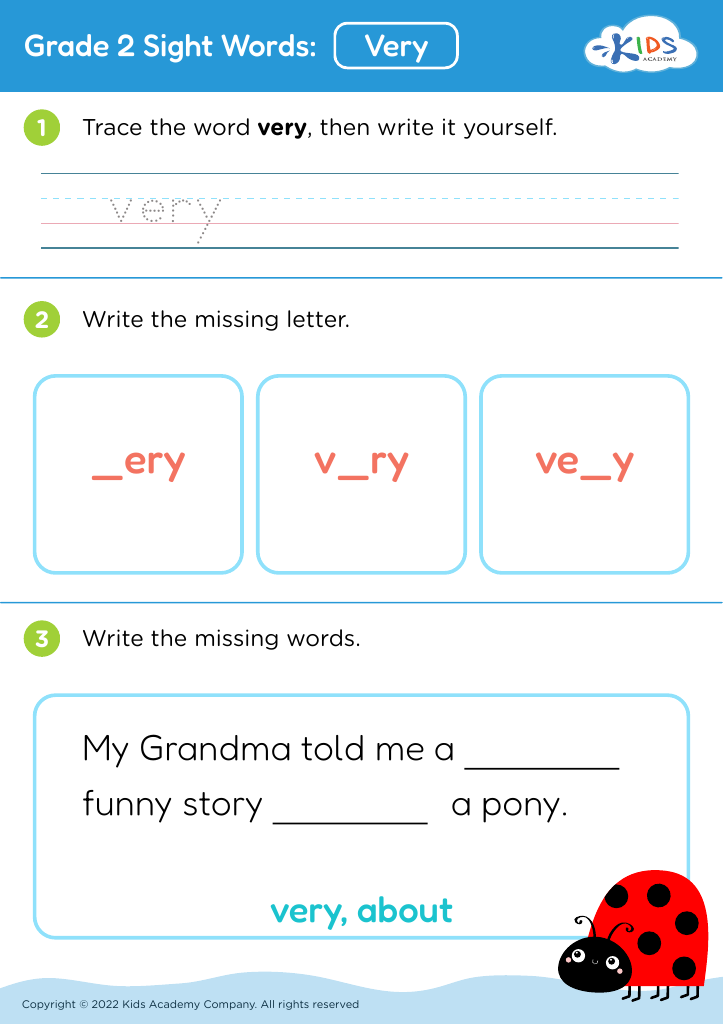
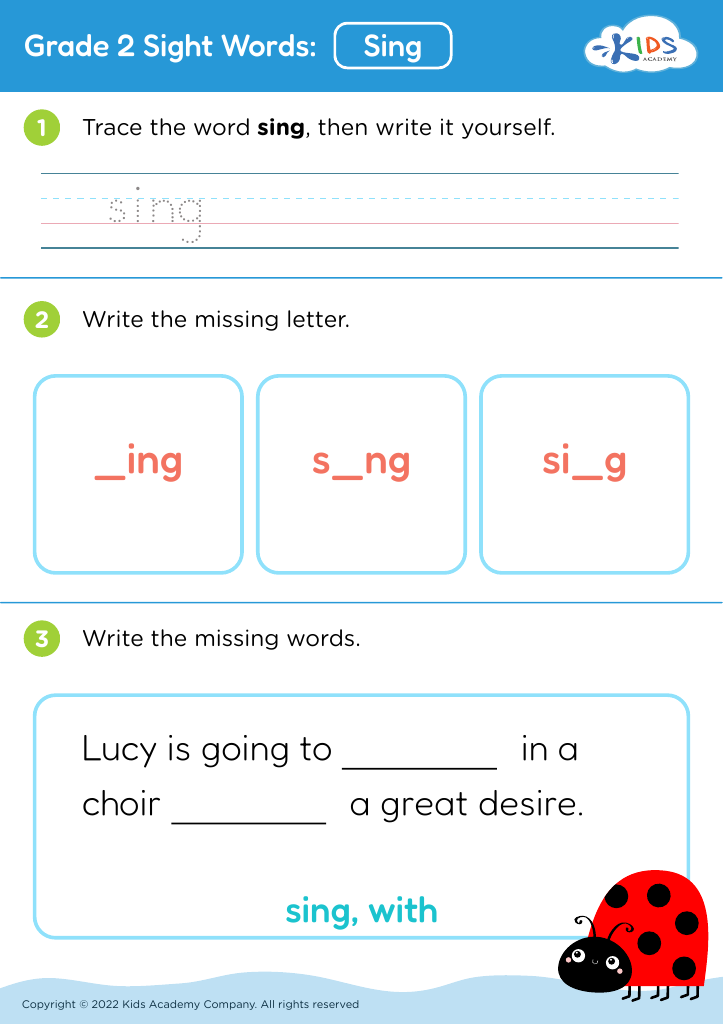
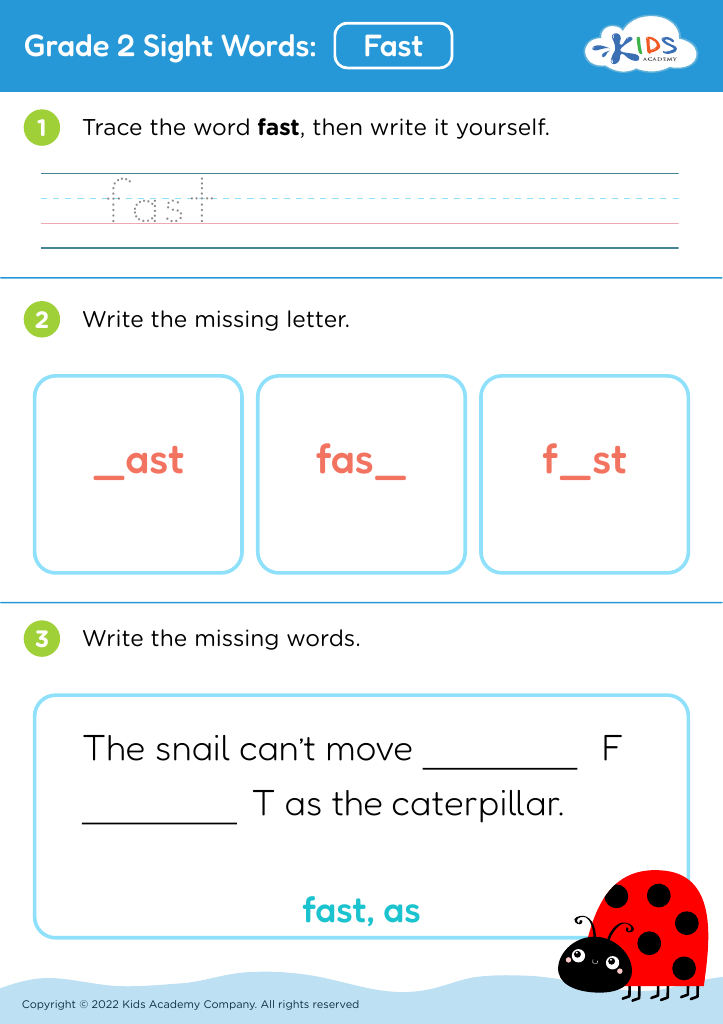
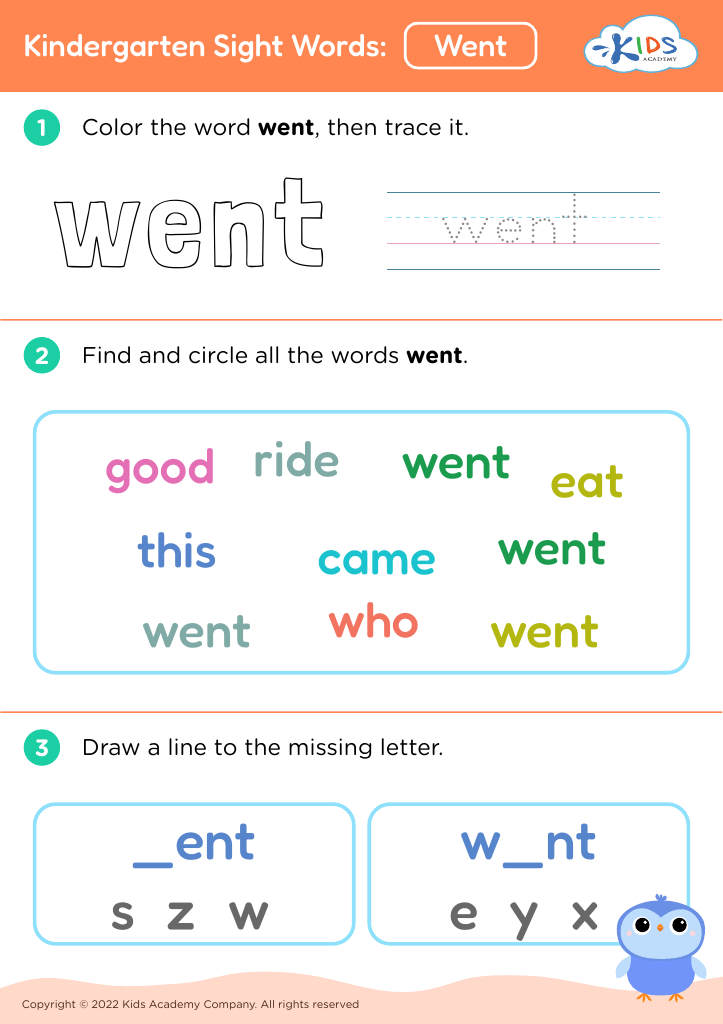
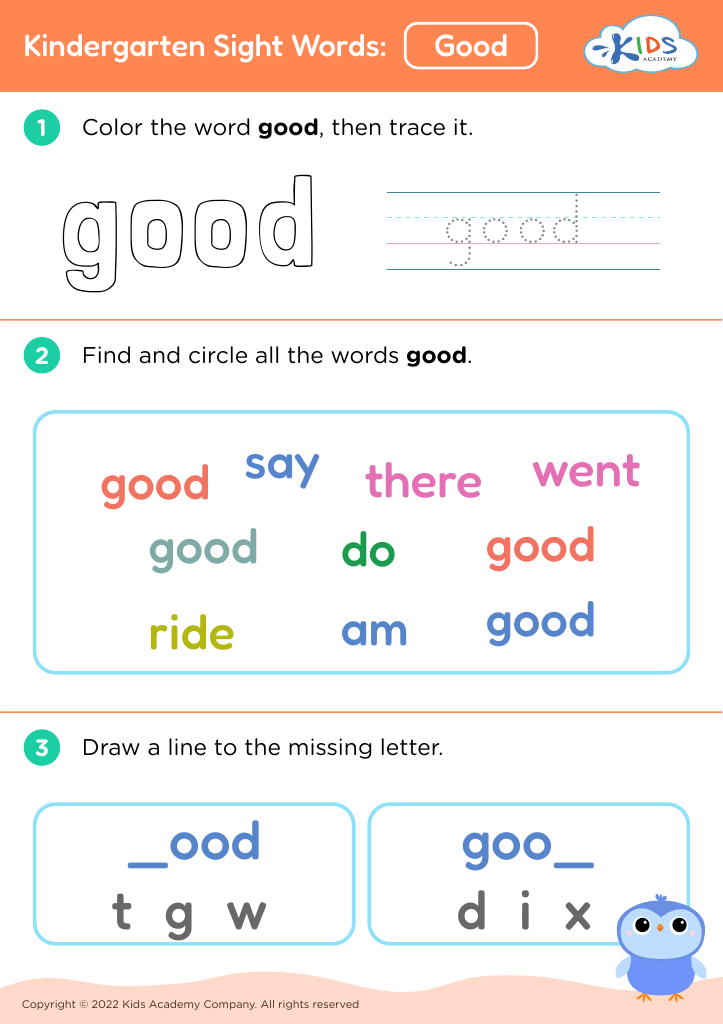
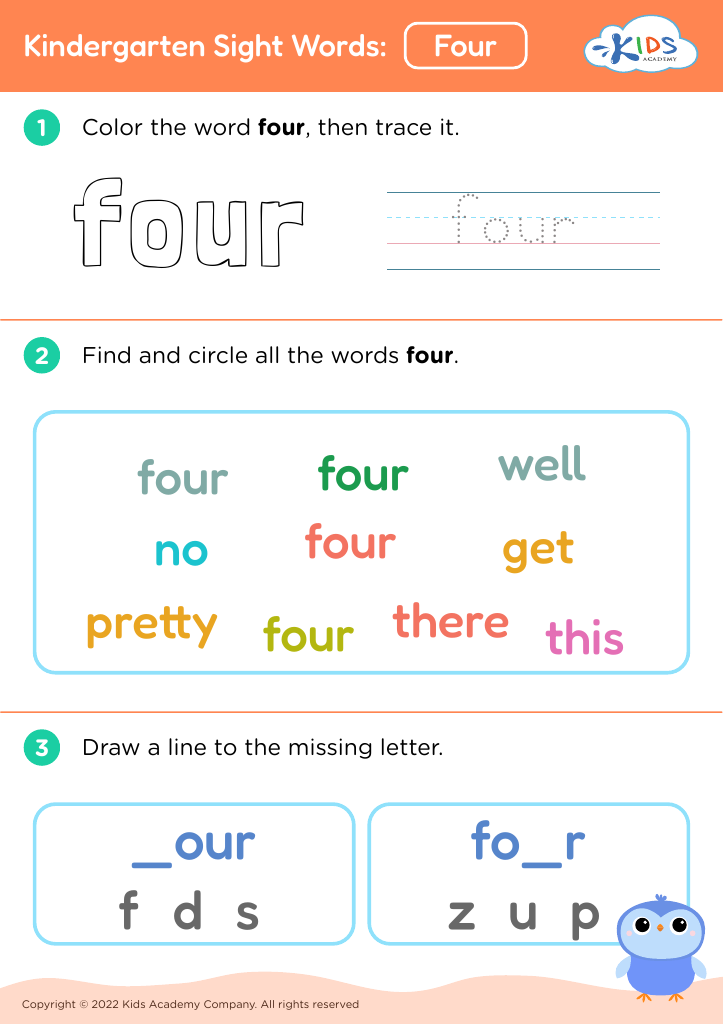








Parents and teachers should place importance on Addition Practice Building Vocabulary for children aged 4-8 due to several compelling reasons. At this age, children are in a crucial developmental stage where cognitive and language skills are rapidly expanding. Engaging in addition practice not only helps solidify foundational mathematics concepts but also enhances children's numerical vocabulary, an essential component of math literacy. This dual approach encourages early math confidence which can have lasting academic benefits.
Moreover, incorporating vocabulary in addition practice supports language development. As children learn terms like "sum," "add," "equals," and "total," they develop the ability to articulate mathematical ideas more clearly. This reinforces their understanding and improves communication skills, which are foundational for all subject areas.
Additionally, early engagement with addition vocabulary fosters problem-solving skills and logical thinking. When children can verbally describe math problems, they are better equipped to break them down and understand underlying principles, fostering critical thinking from a young age.
In summary, focusing on both addition practice and vocabulary building can create a robust learning environment, establishing a strong foundation for future academic success and helping children develop a love for math and language, nurturing holistic education.








