Comparing Fractions Building Vocabulary Worksheets for Ages 4-8
36 filtered results
-
From - To
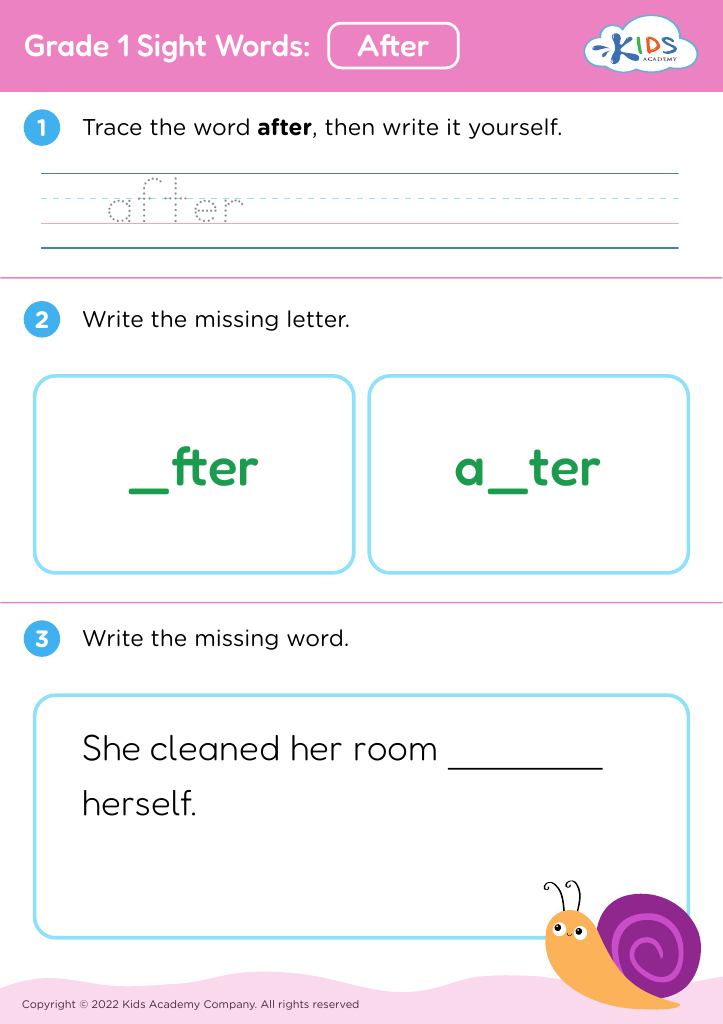
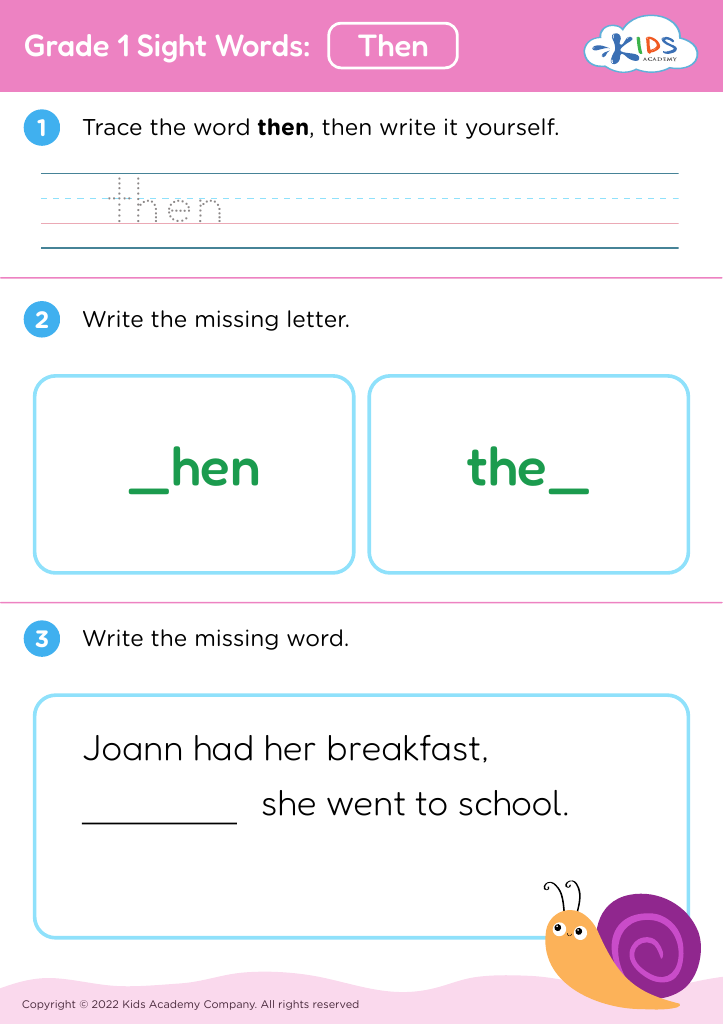
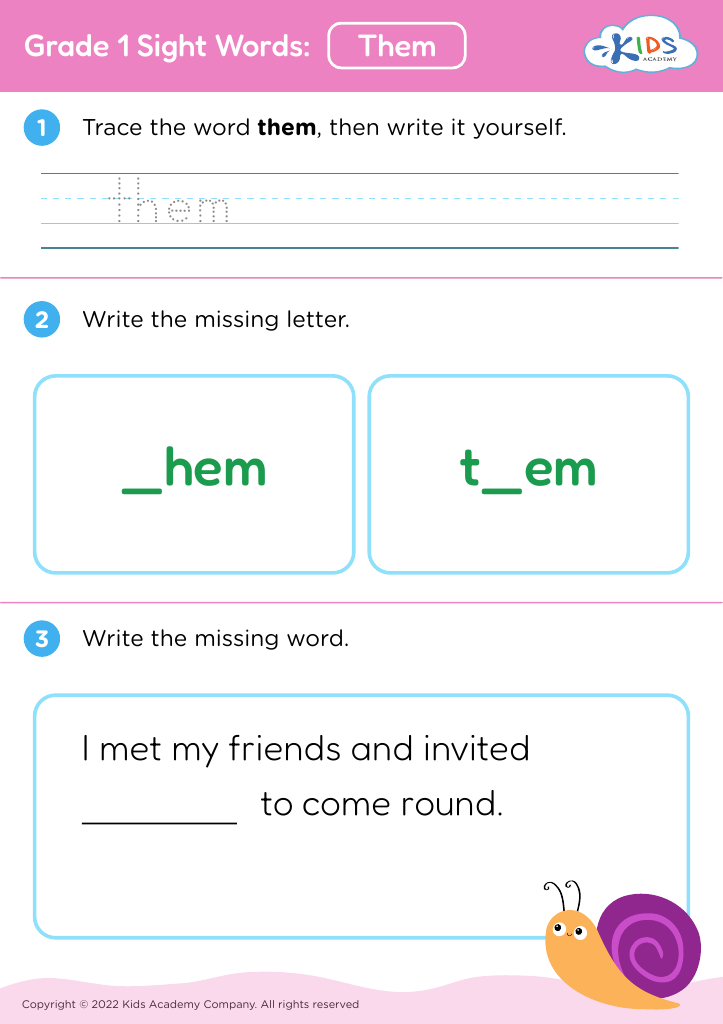
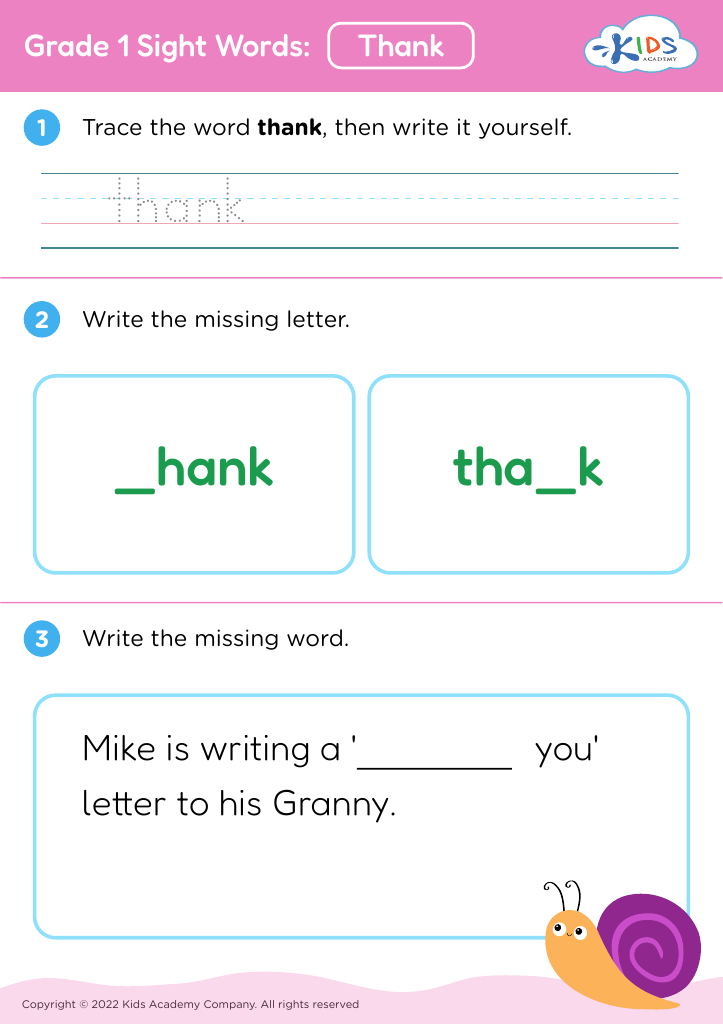
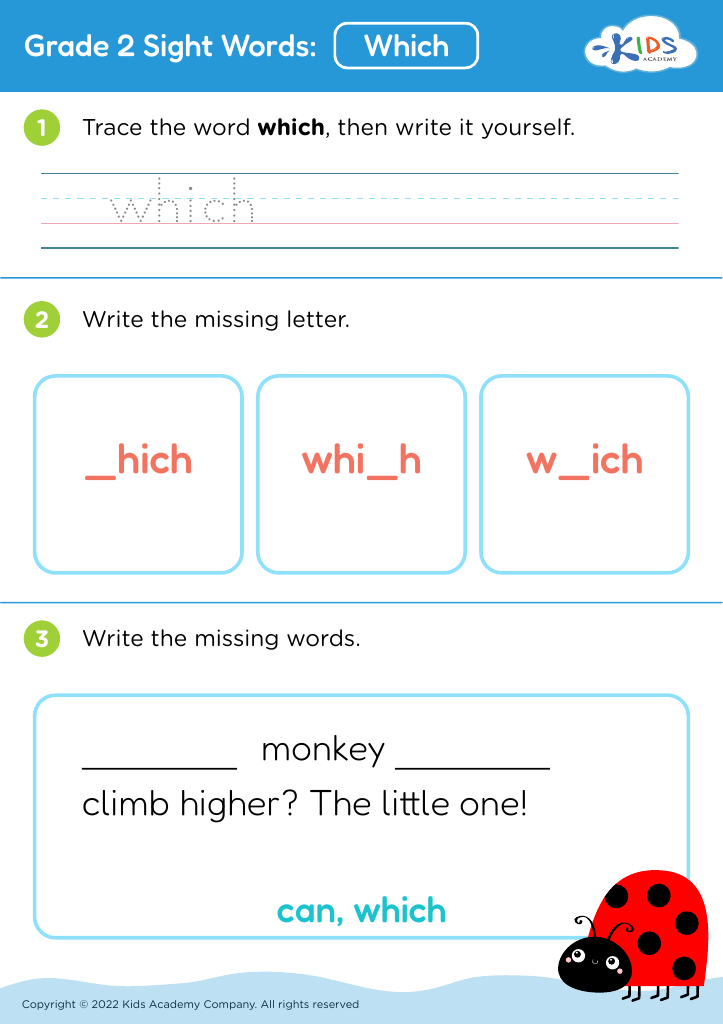
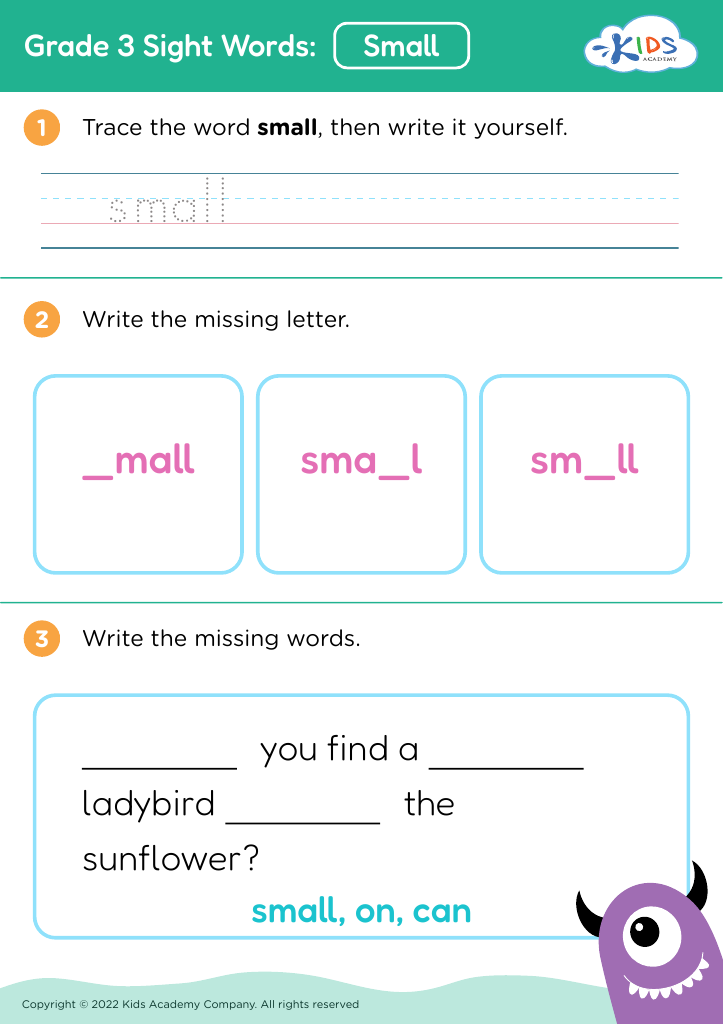
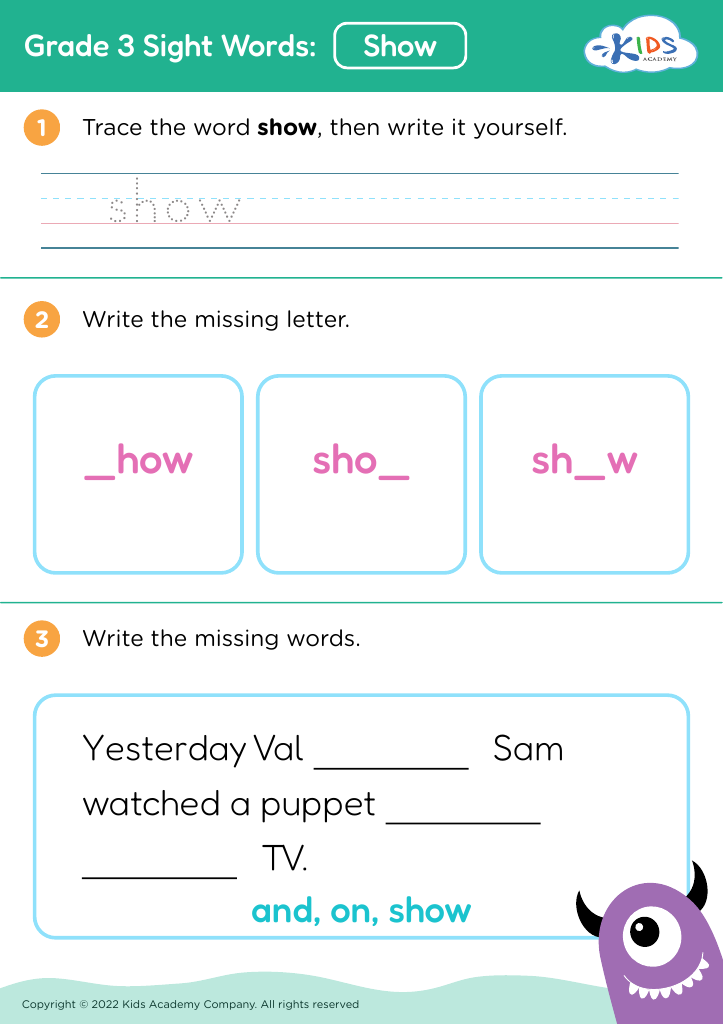
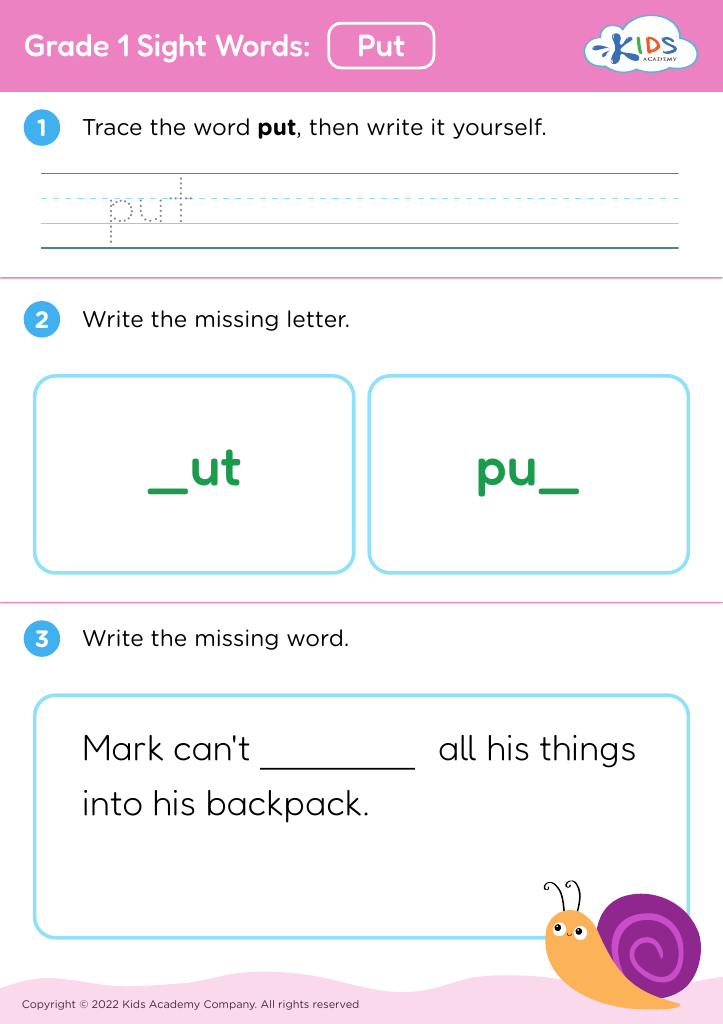
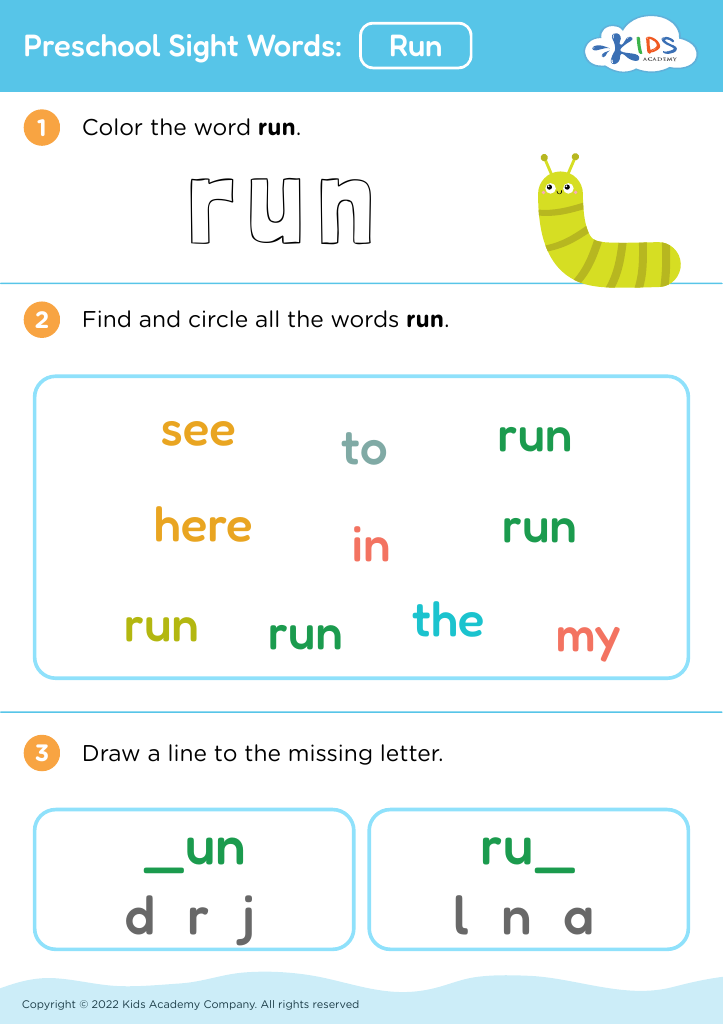
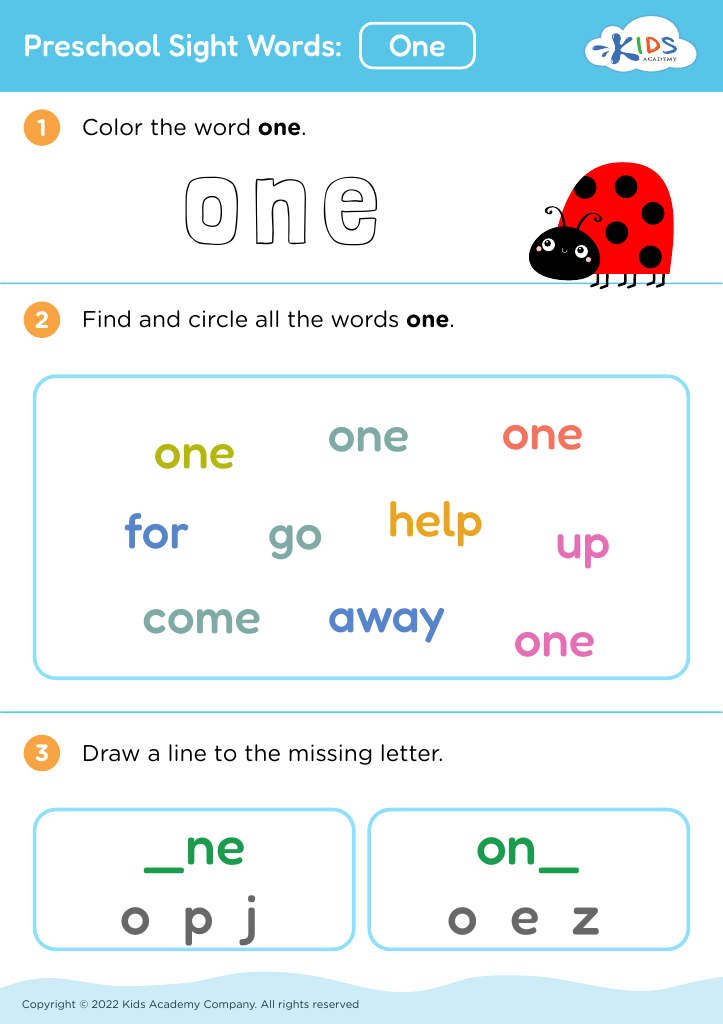
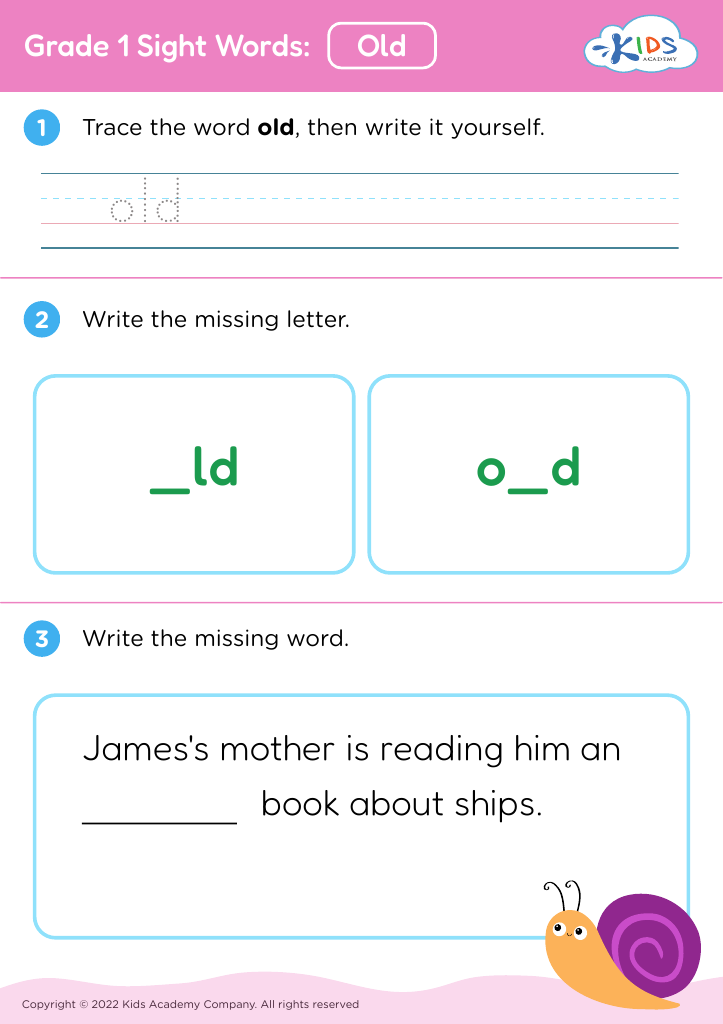
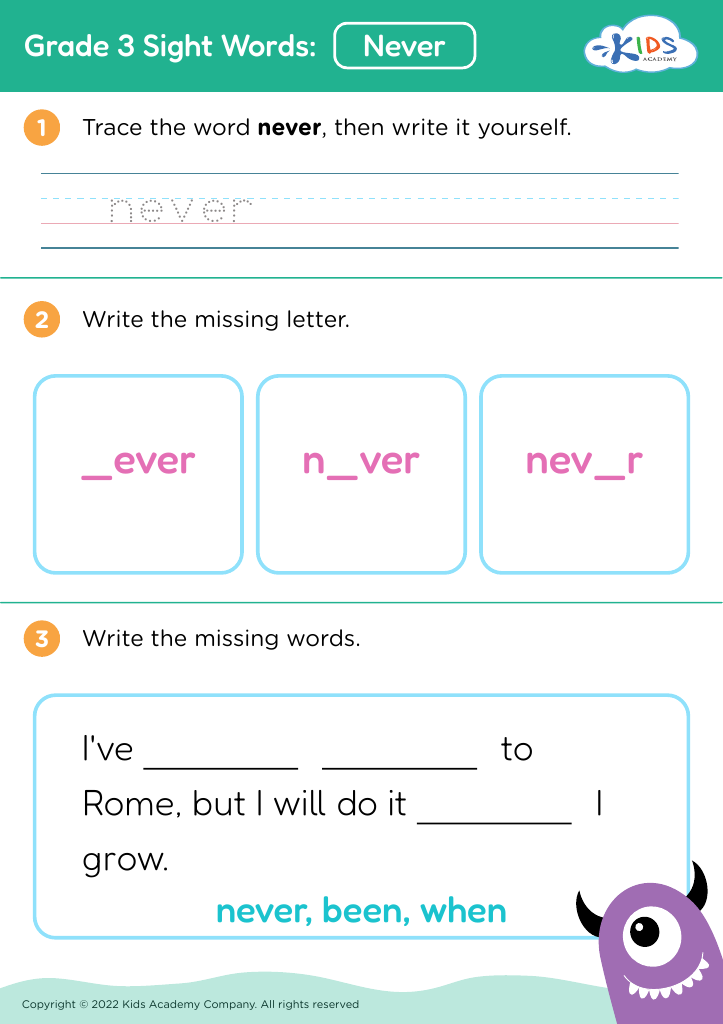
Discover our engaging "Comparing Fractions Building Vocabulary Worksheets" designed specifically for children aged 4-8! Our resources help young learners develop essential math skills while enhancing their vocabulary. These worksheets provide fun, interactive activities that make understanding fractions simple and enjoyable. With colorful visuals and age-appropriate exercises, children will learn how to compare fractions through relatable examples. Perfect for home or classroom use, these worksheets cultivate a strong foundation in mathematics and foster a love for learning. Start building your child’s confidence in comparing fractions today with our expertly crafted materials tailored to their developmental needs!











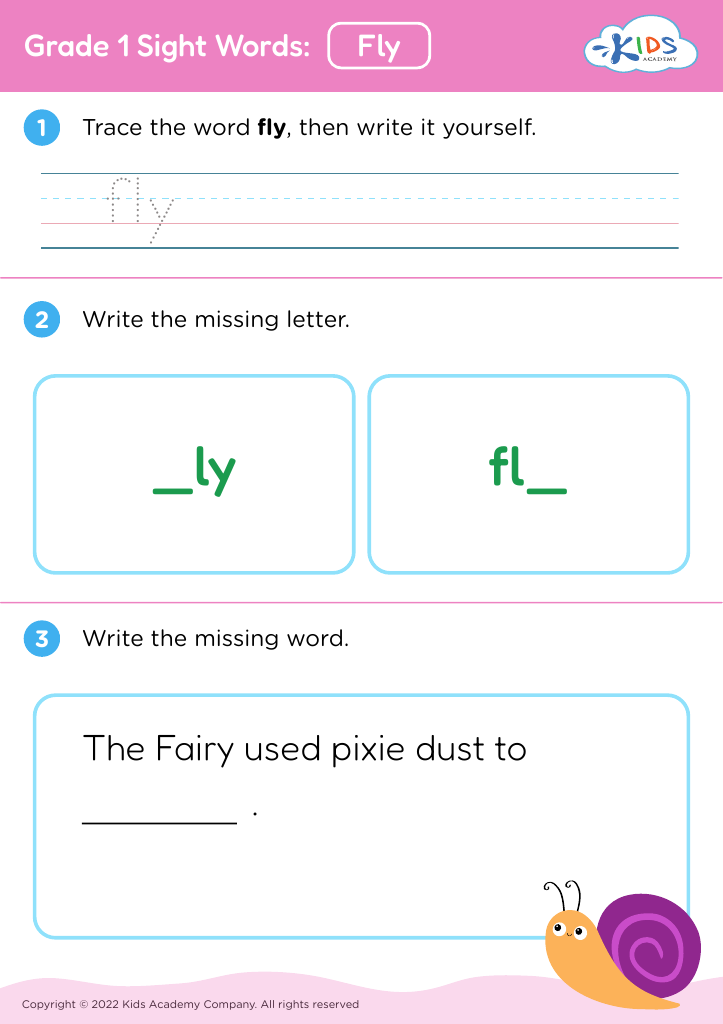
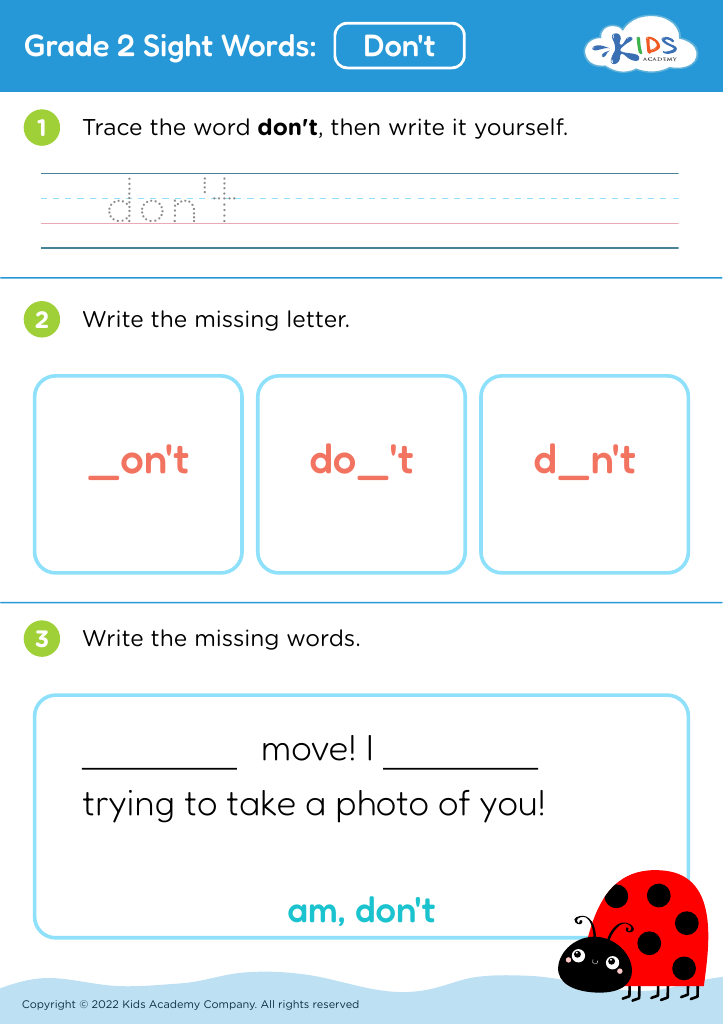
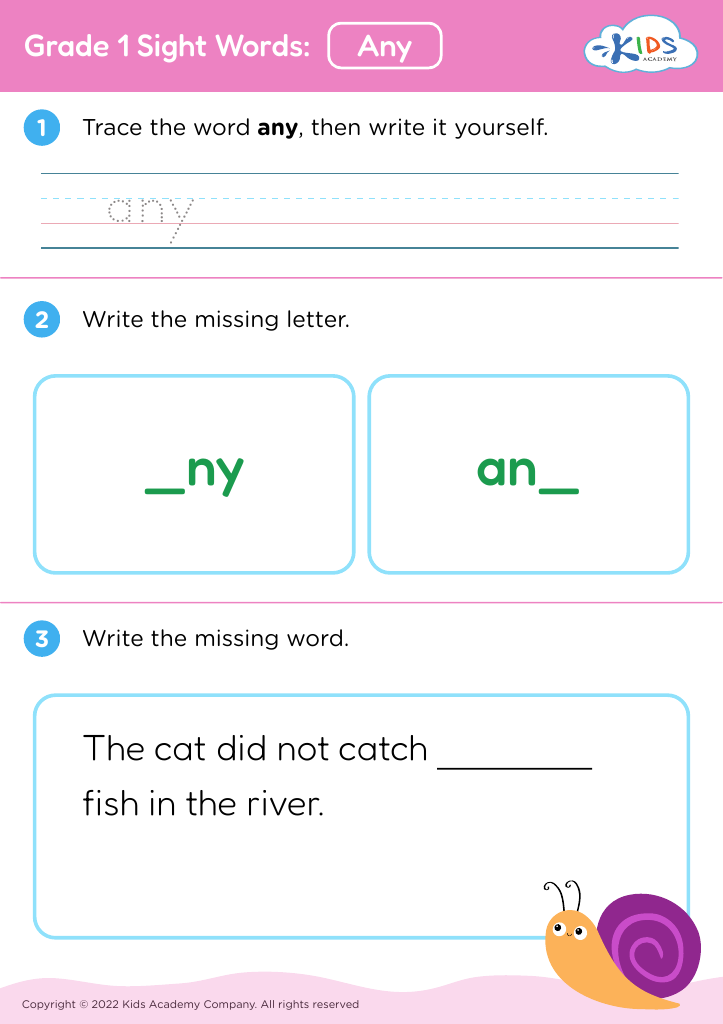
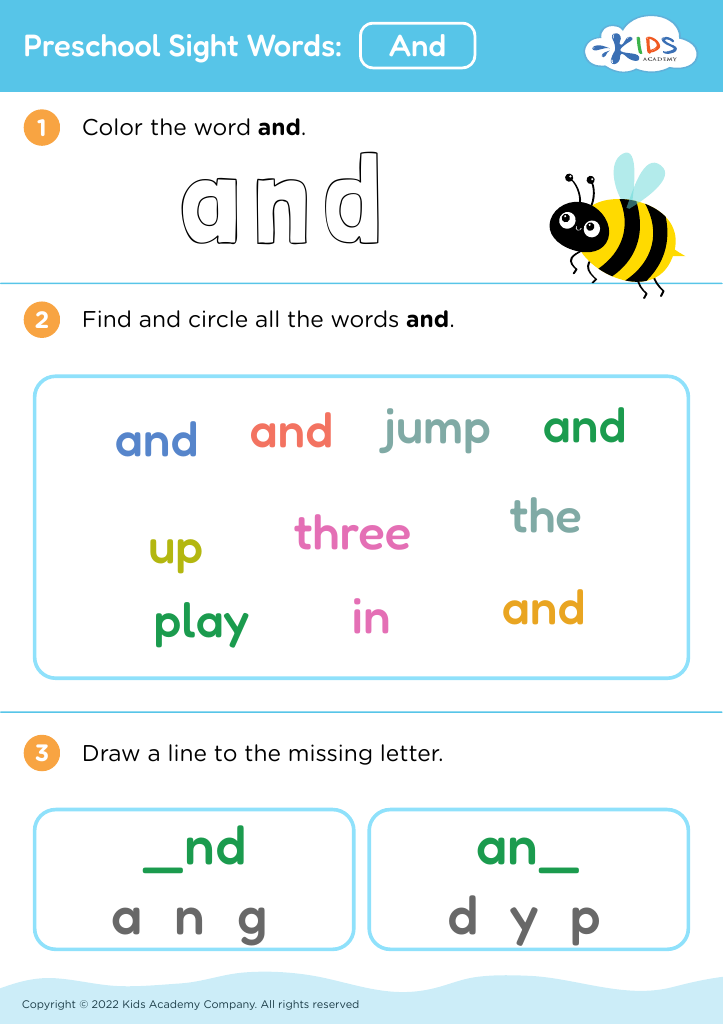



.jpg)
.jpg)



Comparing fractions is a crucial skill for young learners aged 4-8, as it lays the foundation for understanding more complex mathematical concepts later on. Parents and teachers should care about this topic because a strong grasp of fractions enables children to engage with everyday situations, like sharing food or measuring ingredients in cooking, fostering practical lifelong skills.
Building the right vocabulary around fractions—such as "numerator," "denominator," "greater than," and "less than"—helps children articulate their understanding and reasoning. When they can confidently use mathematical language, it boosts their communication skills and promotes a deeper conceptual understanding. Encouraging dialogue surrounding fractions also enhances listening and critical thinking abilities.
It’s vital for educators to create engaging and interactive learning experiences that include visual aids, games, and group activities, which make comparing fractions fun and relatable. When parents participate in this learning process by reinforcing these concepts at home, it reinforces the child’s knowledge and confidence.
In summary, by caring about comparing fractions and vocabulary building, parents and teachers collectively cultivate a robust mathematical foundation that equips children for future academic success and essential life skills.








