Fine Motor Skills Building Vocabulary Worksheets for Ages 4-8 - Page 2
25 filtered results
-
From - To
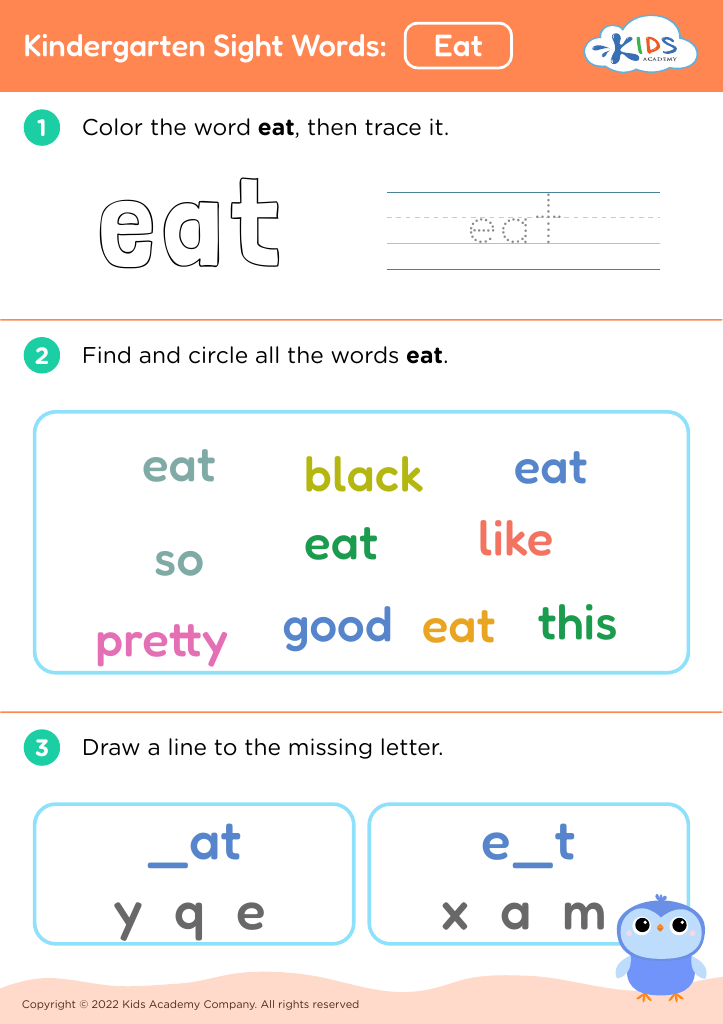



















Fine motor skills are crucial developmental abilities that involve the coordination of small muscles, particularly in the hands and fingers. For children aged 4-8, the importance of fine motor skills extends beyond mere physical ability; it significantly impacts their cognitive and linguistic development, especially when building vocabulary.
Activities that enhance fine motor skills—like drawing, cutting, or building with small blocks—encourage children to manipulate objects with precision. This hands-on experience also aids in the development of language; as children express themselves through their actions, they often learn related vocabulary. For instance, while they are gluing or painting, they may describe what they are making, employing words such as "sticky," "mix," or "color."
Moreover, fine motor skills contribute to a child’s confidence and independence. Mastery in these skills allows children to take on tasks like writing or tying shoes, making their daily interactions more accessible and enjoyable.
Teachers and parents should prioritize activities that build fine motor skills to support not only the physical but also the verbal proficiency of children. Ensuring that children develop these essential skills creates a solid foundation for their overall academic success and communication abilities throughout their educational journey.








