Fraction comparison Building Vocabulary Worksheets for Ages 4-8
13 filtered results
-
From - To
Discover our engaging Fraction Comparison Building Vocabulary Worksheets specifically designed for children ages 4-8! These interactive resources help young learners develop essential math skills while enriching their vocabulary. Through fun and age-appropriate activities, kids will explore and compare fractions in a playful manner, fostering critical thinking and problem-solving abilities. Each worksheet promotes understanding through visuals and relatable contexts, making fraction concepts accessible and enjoyable. Ideal for home or classroom use, our worksheets support early learners in building foundational math knowledge that will benefit them throughout their educational journey. Empower your child’s learning experience today with our thoughtful fraction comparison activities!
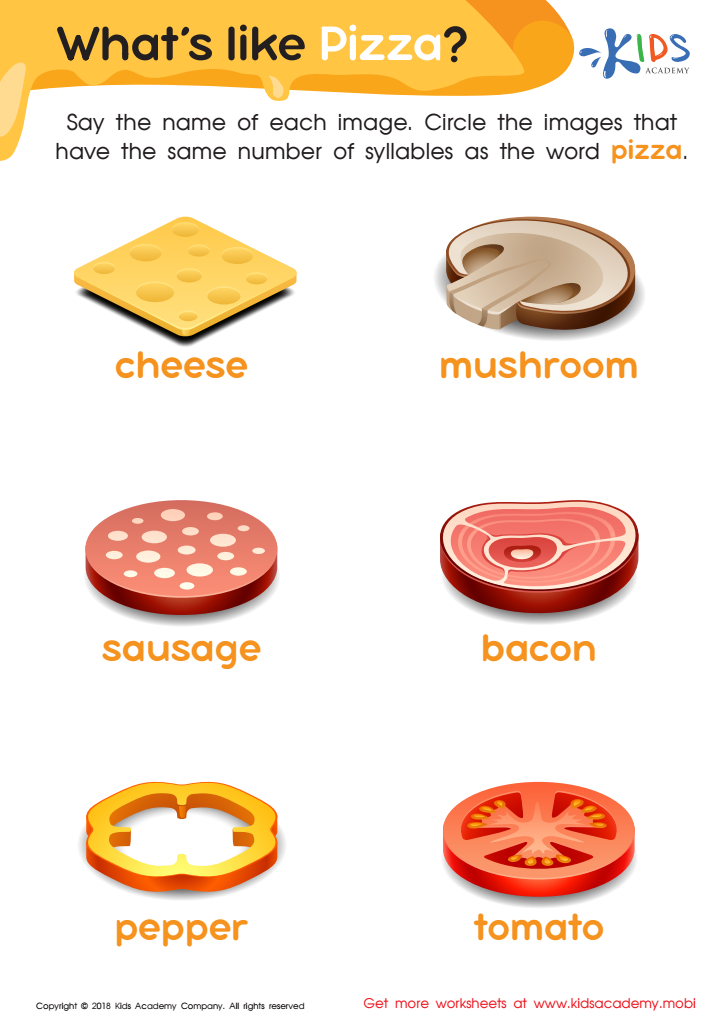
What's Like Pizza? Worksheet
 Assign to My Students











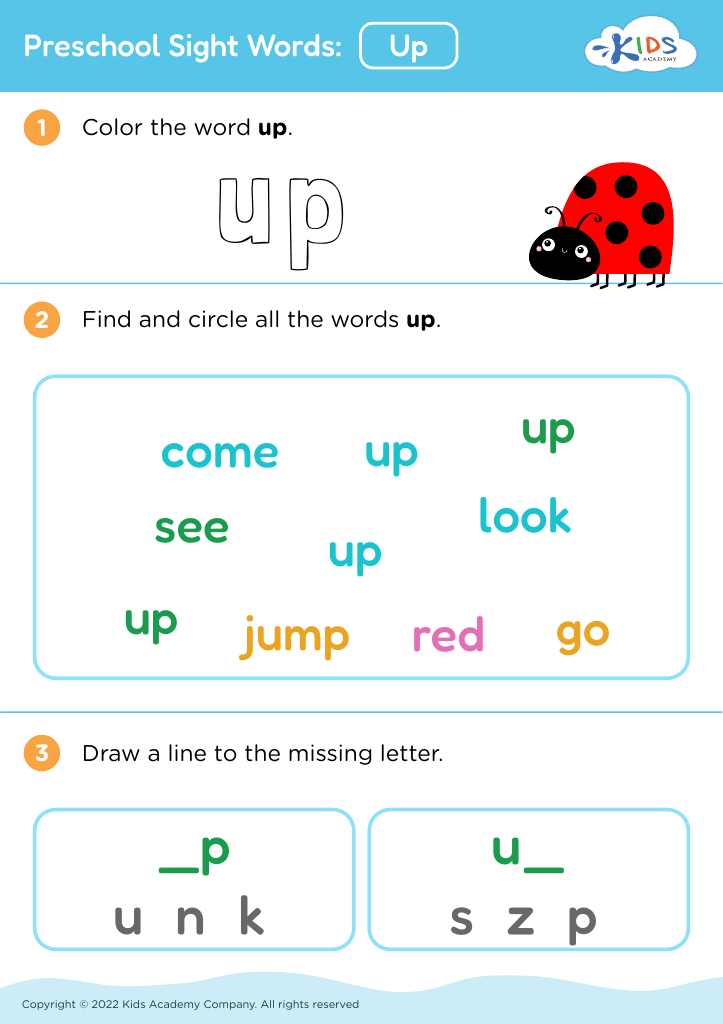
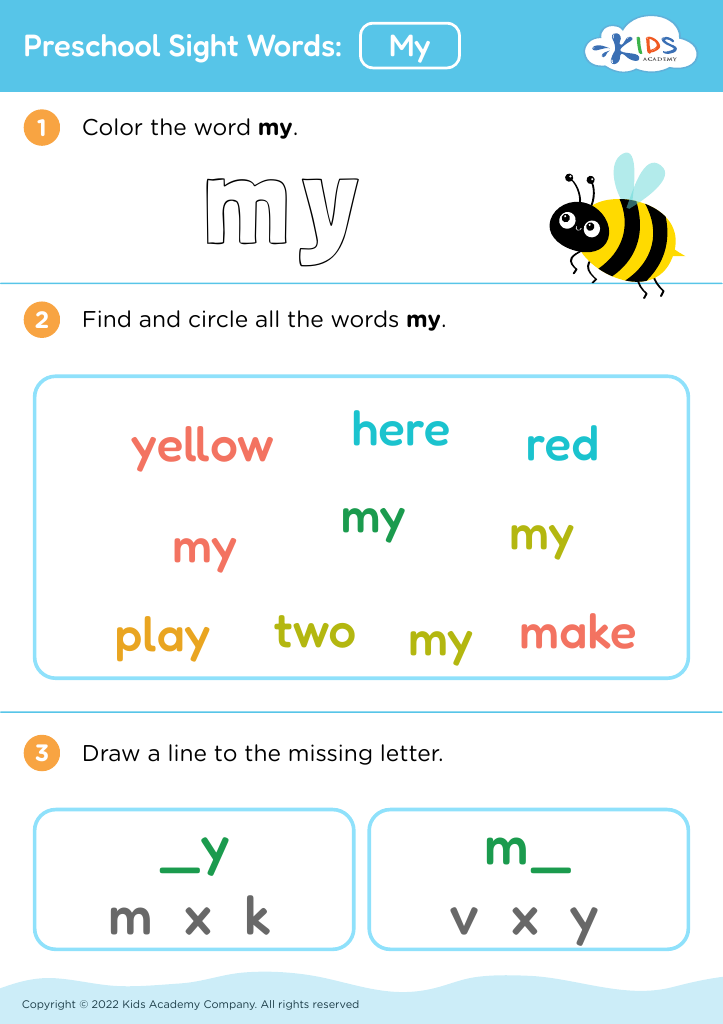
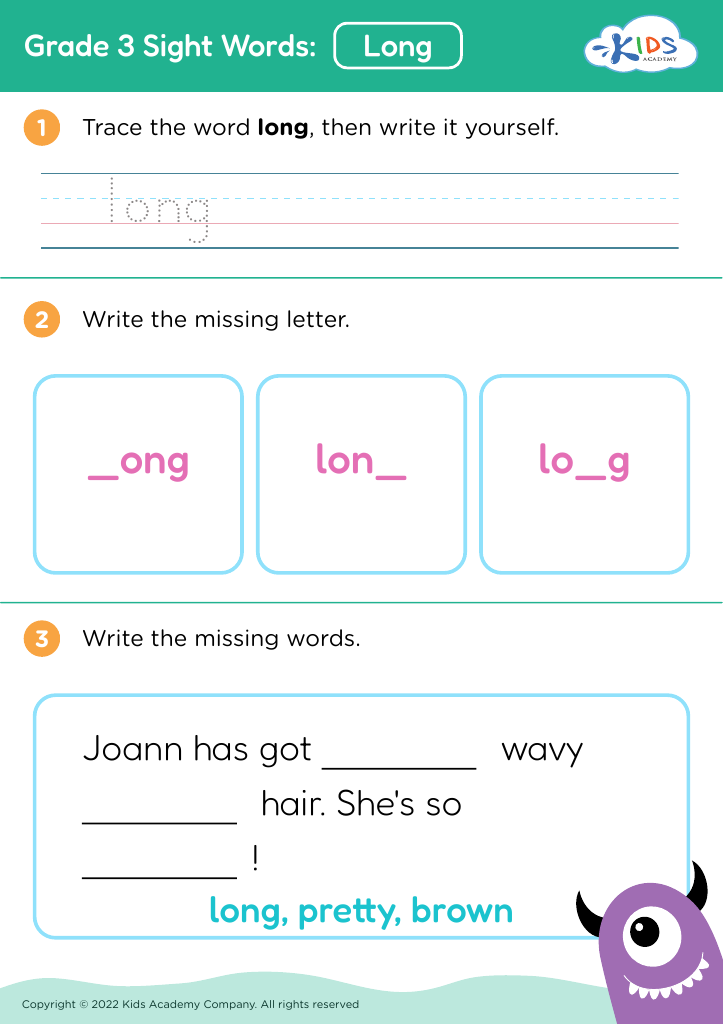








Understanding fraction comparison is essential for young learners, as it lays the groundwork for more advanced mathematical concepts. For parents and teachers, fostering a robust vocabulary around fractions empowers children to articulate their reasoning and build confidence in their mathematical abilities.
Ages 4-8 are critical for cognitive development; children begin to understand numbers conceptually. Introducing fraction vocabulary, such as "half," "quarter," "more than," and "less than," allows children to describe relationships between quantities effectively. This not only aids in fraction comparison but also enhances their overall communication skills.
Furthermore, children who grasp fraction concepts early are better prepared for higher-level math in later grades. This early proficiency can prevent math anxiety and help cultivate a positive attitude toward learning mathematics. Parents and teachers can use everyday examples — like sharing food or comparing group sizes — to make learning engaging.
Additionally, building a vocabulary around fractions promotes problem-solving skills and critical thinking. This holistic approach not only enriches children's understanding of math but also fosters a love for learning, making it vital for educators and parents to prioritize fraction comparison vocabulary in their teaching strategies.








