Improve counting skills Building Vocabulary Worksheets for Ages 4-8
8 filtered results
-
From - To
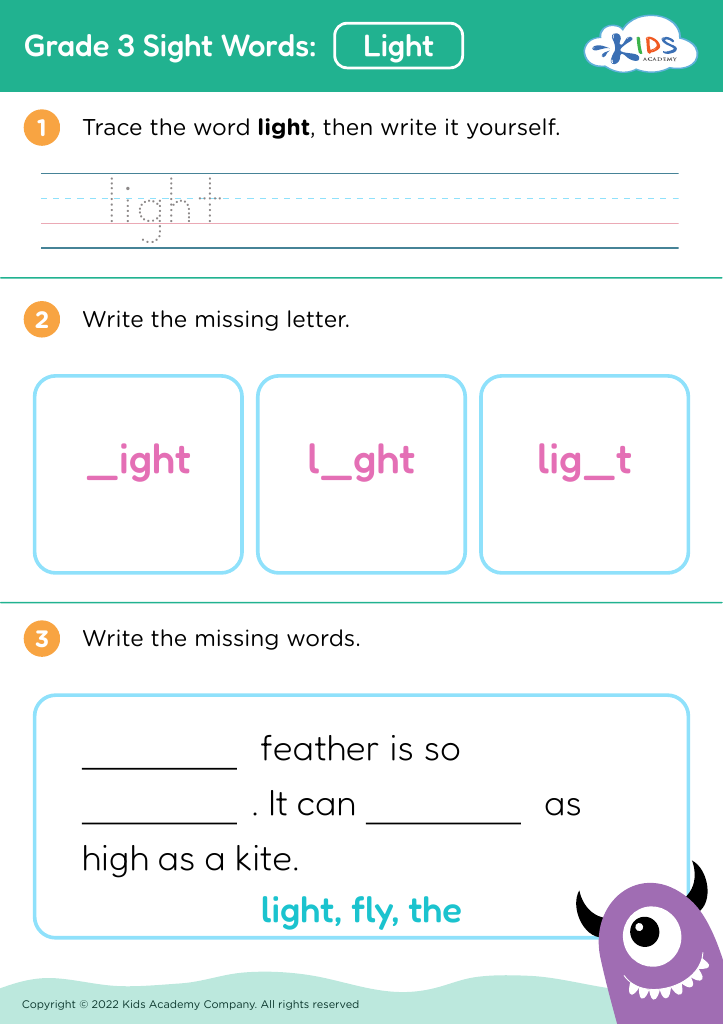
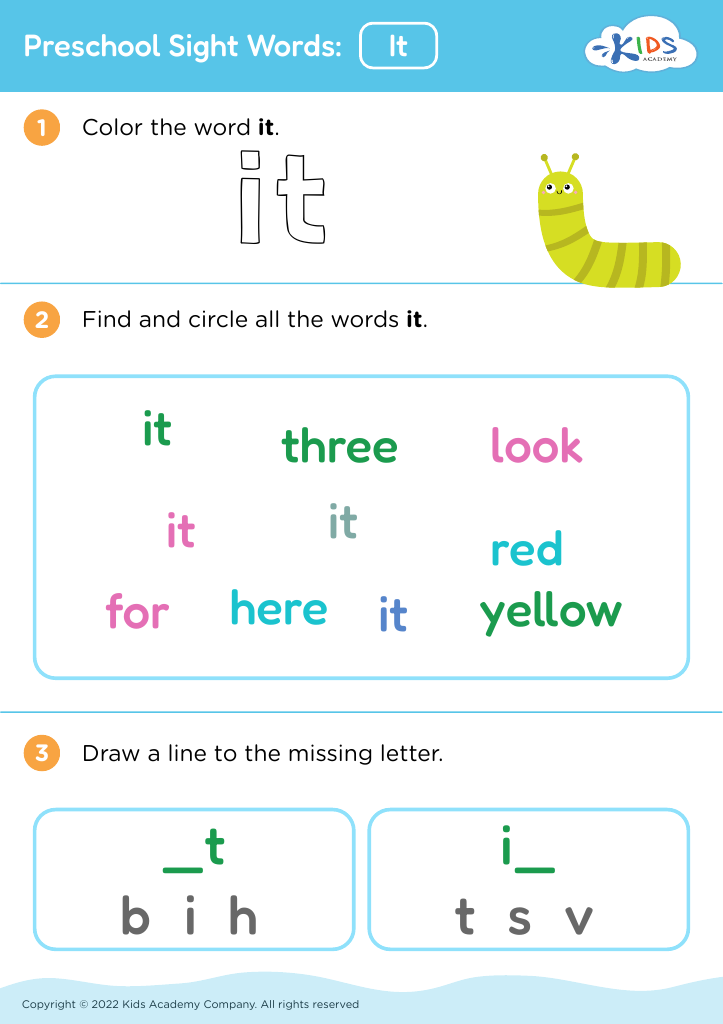
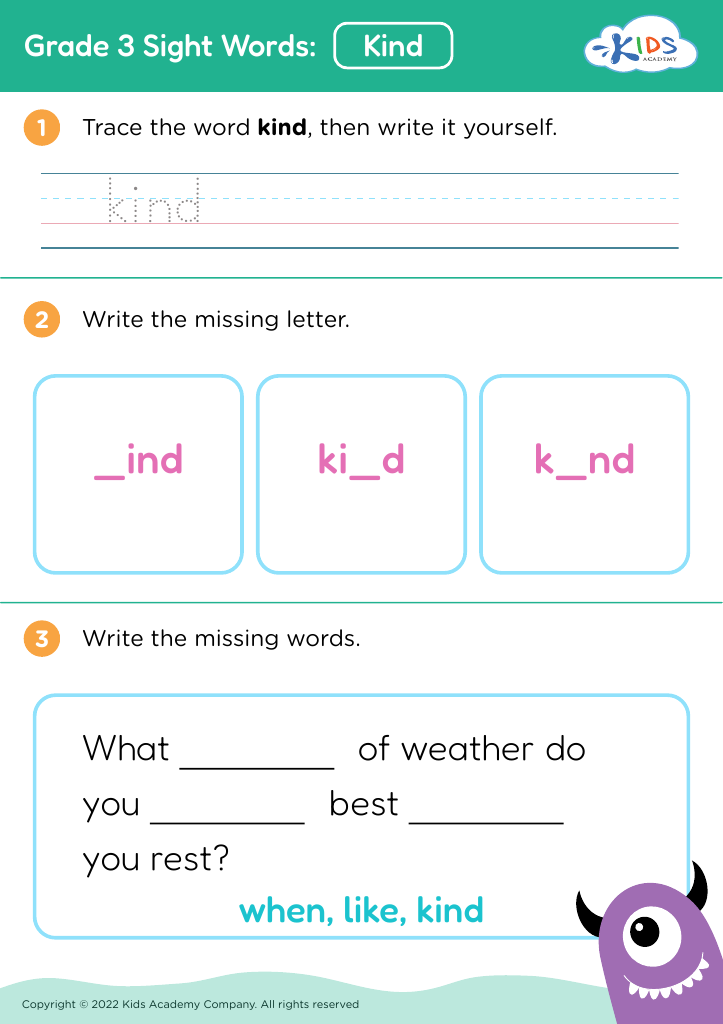
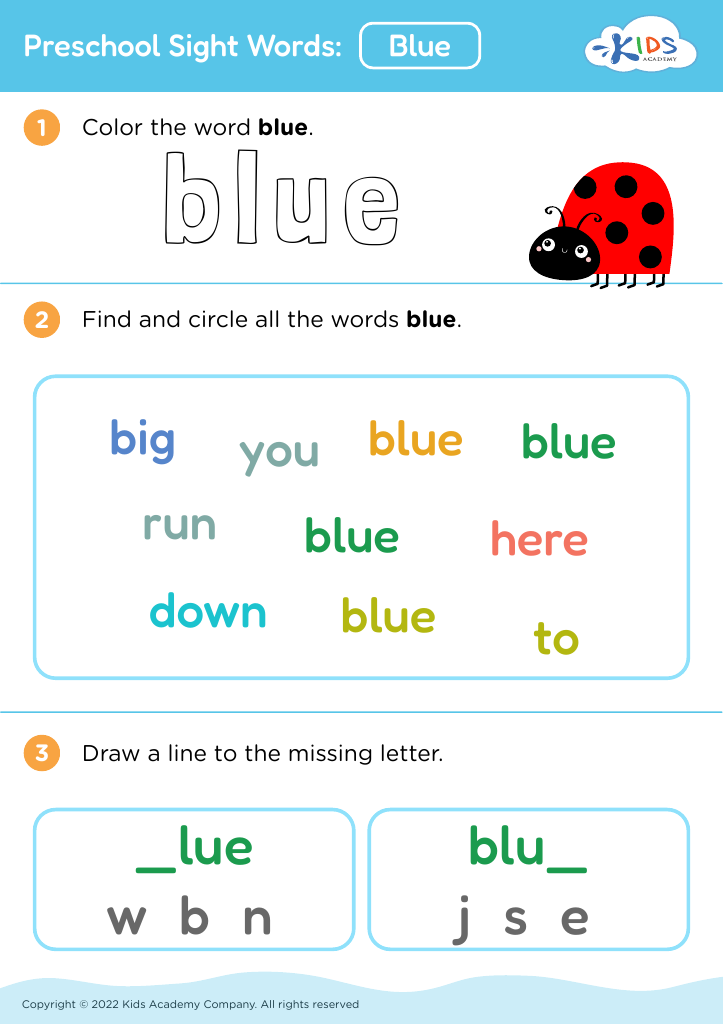
Enhance your child's early math abilities with our "Improve Counting Skills Building Vocabulary Worksheets," designed specifically for ages 4-8! Our engaging worksheets combine counting practice with vocabulary development, making learning fun and effective. Children will explore numbers through colorful activities that encourage hands-on learning and improve number recognition. The thoughtfully crafted exercises enhance both counting skills and vocabulary, fostering a deeper understanding of numerical concepts. Perfect for home or classroom use, these worksheets provide a delightful way for young learners to master counting while expanding their language skills. Help your child build a strong foundation in math today!
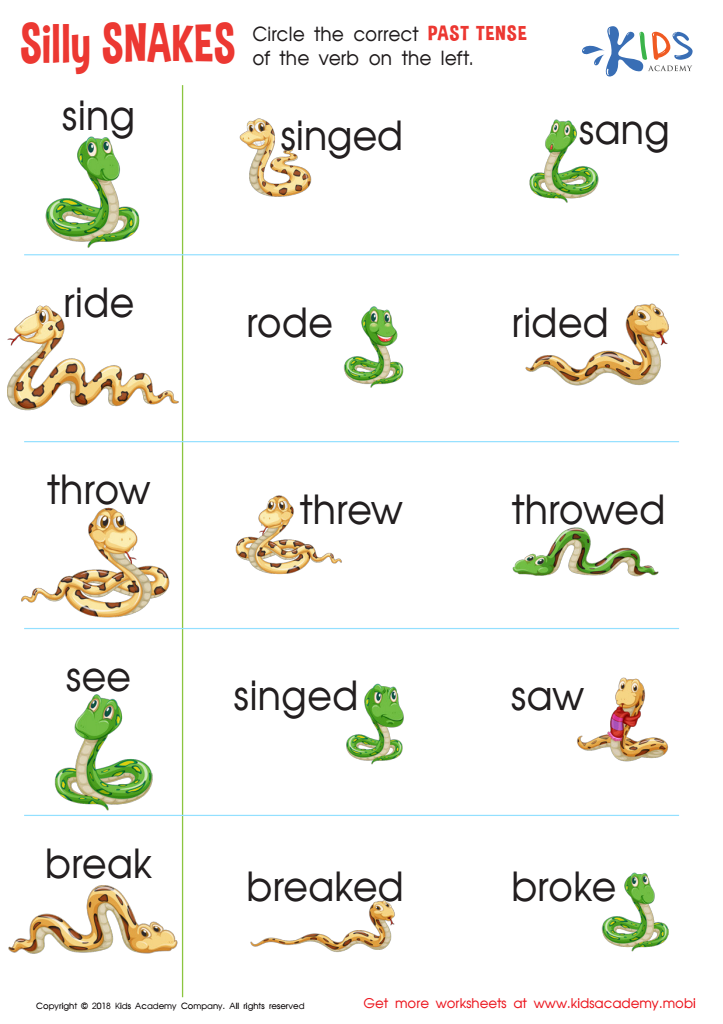
Silly Snakes Worksheet
 Assign to My Students











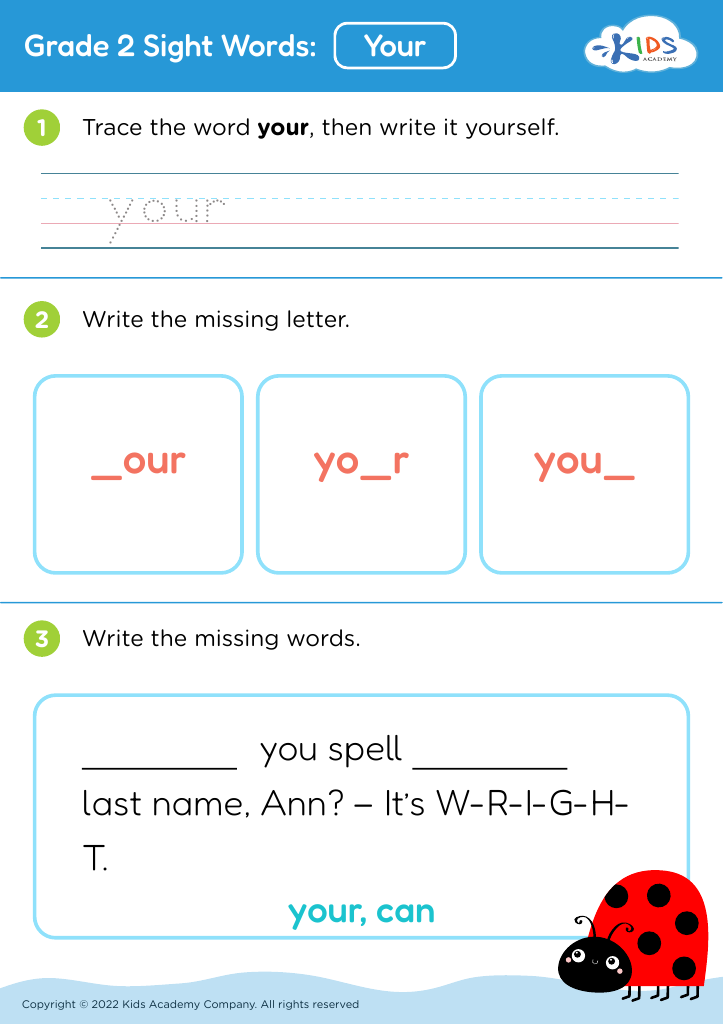
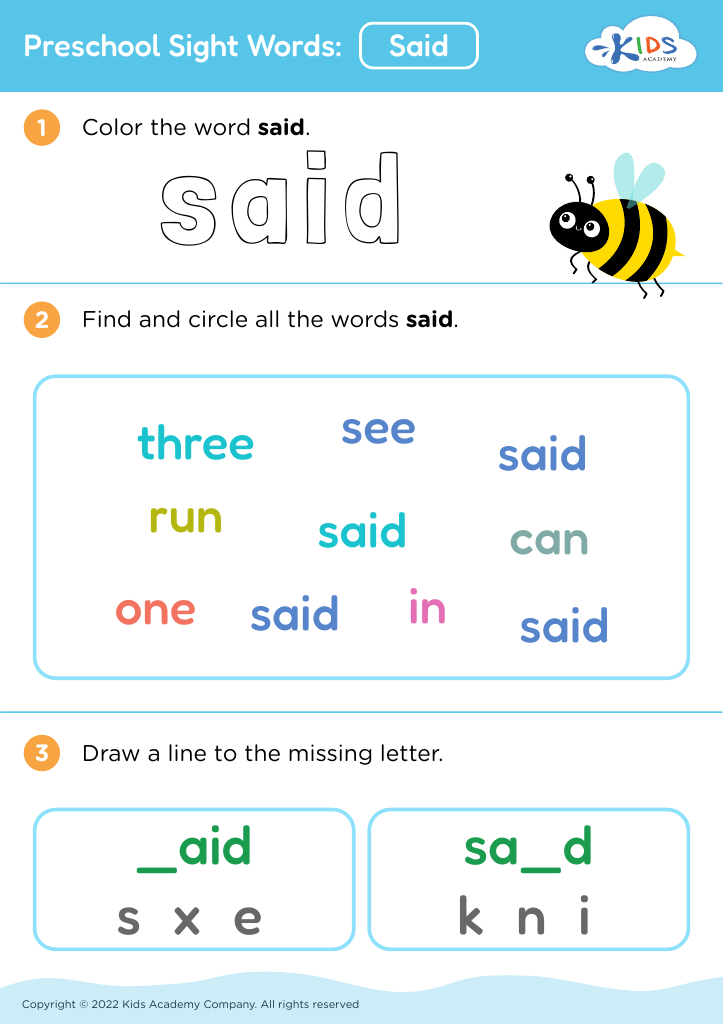
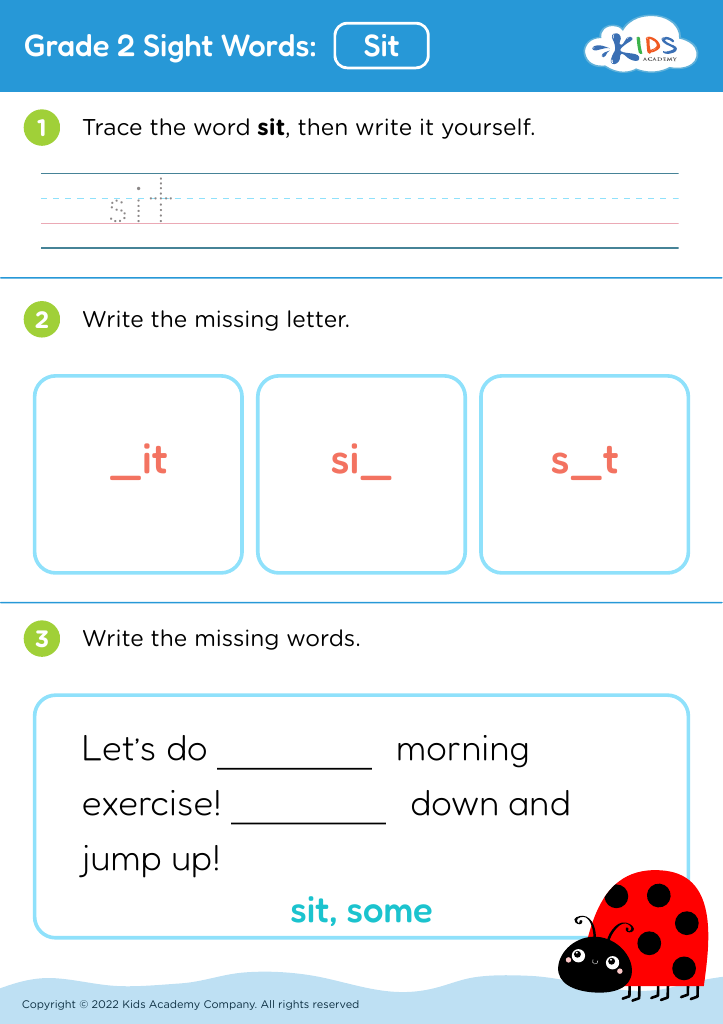








Improving counting skills and building vocabulary for children aged 4-8 is crucial for their cognitive and social development. Mastery of counting lays the foundation for essential mathematical concepts such as addition and subtraction, enabling children to engage effectively with numbers throughout their schooling. Strong counting skills not only help in math but also nurture logical thinking and problem-solving abilities.
Similarly, building vocabulary enhances communication skills, reading comprehension, and overall language proficiency. A rich vocabulary allows children to express themselves more clearly and confidently, aiding in their ability to understand complex ideas and follow instructions. Language development is intimately linked to social skills; children with stronger vocabulary are often better equipped to engage with peers, resolve conflicts, and participate in group activities.
Moreover, both counting and vocabulary are connected to a child's readiness for academic success. Educators and parents working together to focus on these foundational skills can foster a love of learning that extends beyond the classroom. By incorporating counting and language-rich activities into daily routines, adults can help children build confidence and independence, ultimately creating a strong foundation for lifelong learning. Prioritizing these skills today ensures that children are equipped for the challenges of tomorrow's educational landscape.








