
Mathematical reasoning Building Vocabulary Worksheets for Ages 4-8
6 filtered results
Difficulty Level
Grade
Age
-
From - To
Subject
Activity
Standards
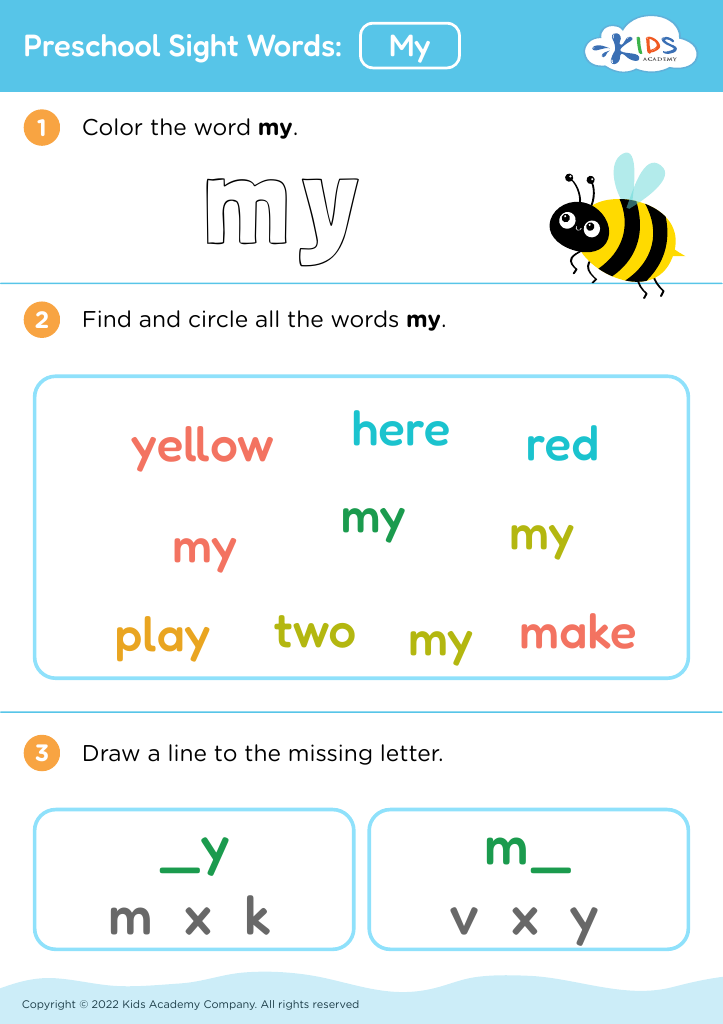
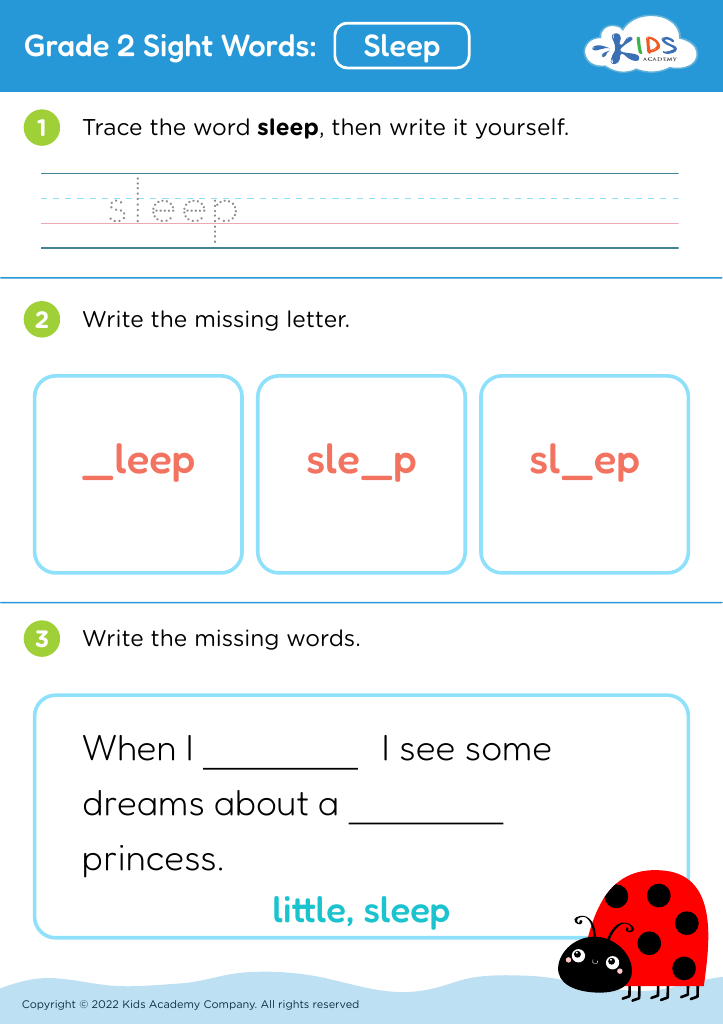
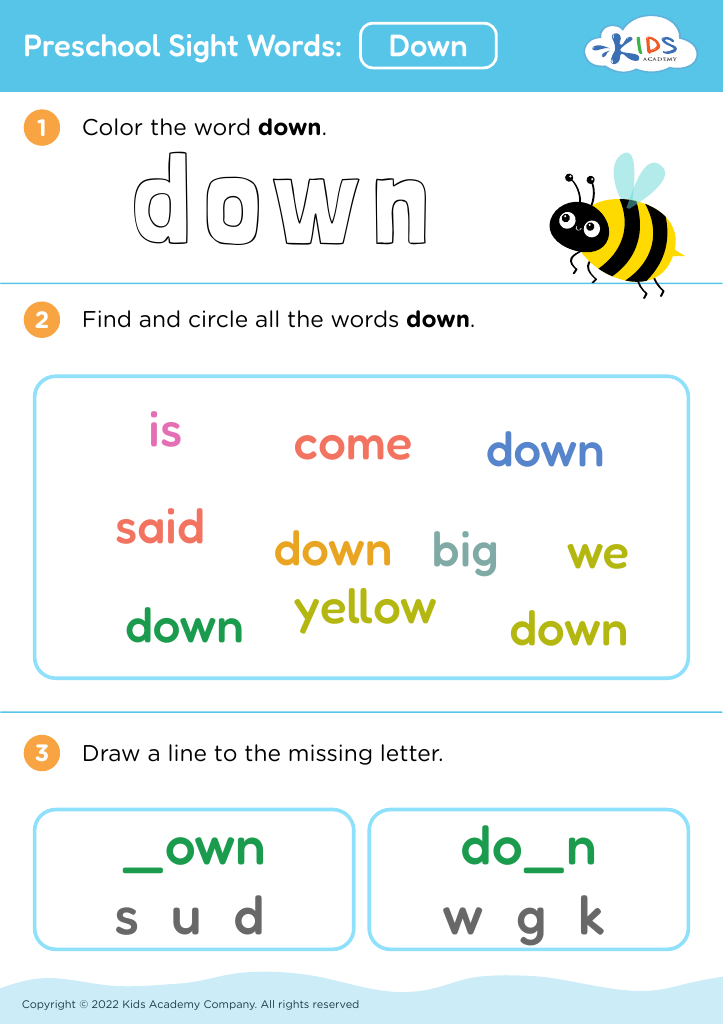
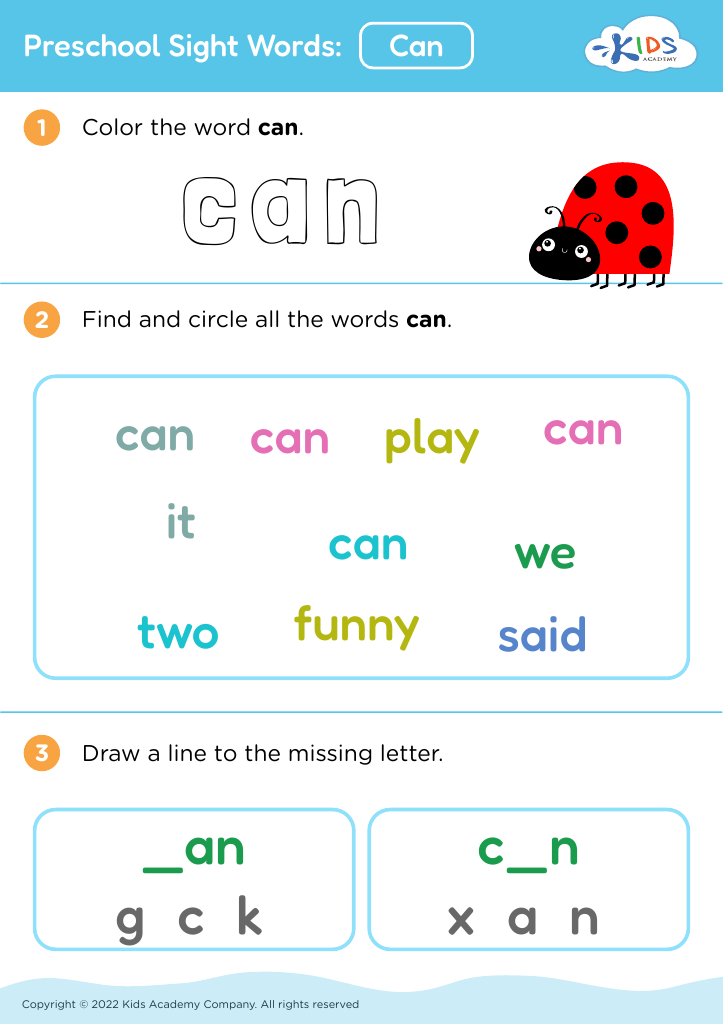
Enhance your child's mathematical reasoning and vocabulary skills with our engaging worksheets designed for ages 4-8. These thoughtfully crafted resources support young learners in developing essential math concepts while expanding their language proficiency. Each worksheet features fun activities that promote critical thinking, problem-solving, and vocabulary building in a rich, interactive format. Ideal for both classroom and home learning, our materials make mathematics enjoyable and easily approachable. Foster a love for numbers and words together with our comprehensive range of worksheets that align with early learning standards. Discover the perfect tools to nurture confident and capable young learners today!
Favorites
With answer key
Interactive











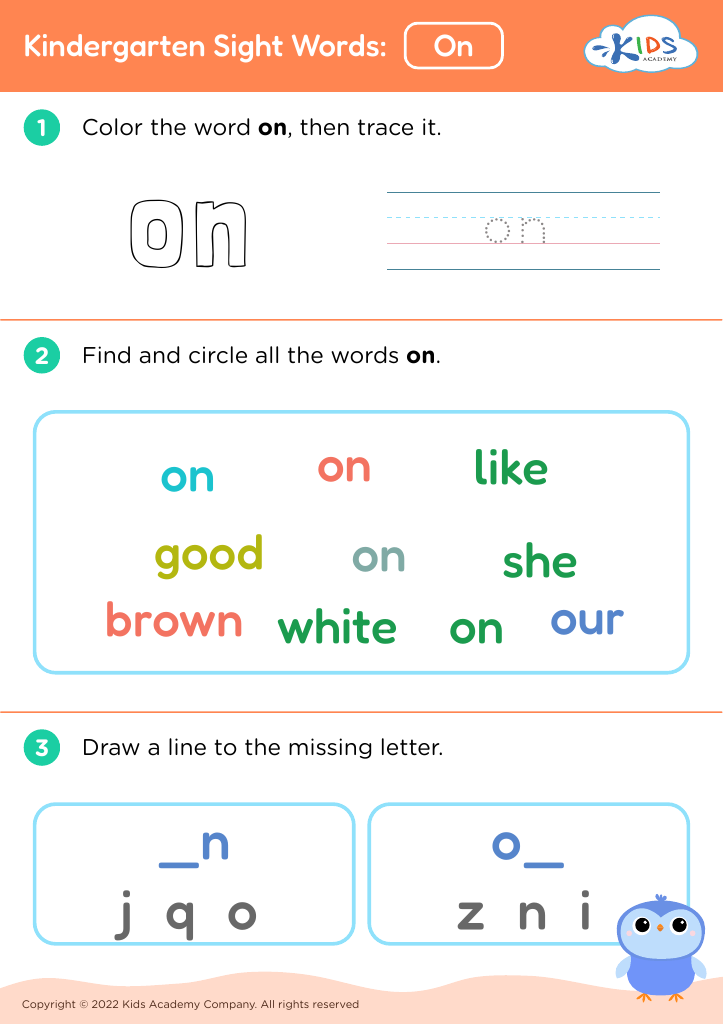
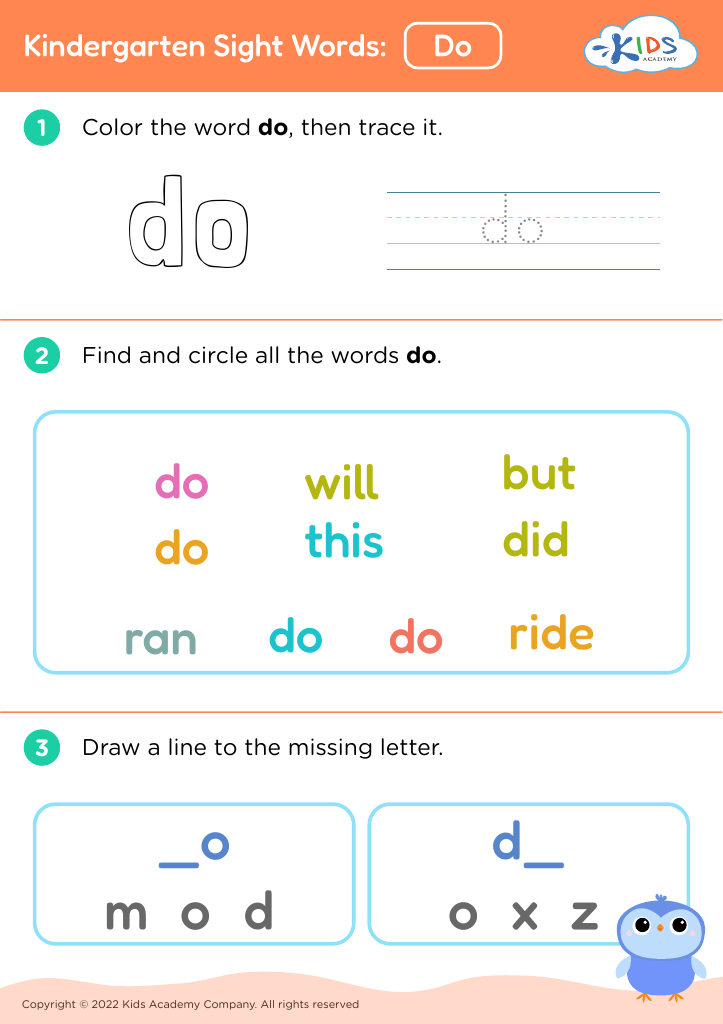
Join Kids Academy for Free
Who is primarily going to use this learning content?




.jpg)


.jpg)
Mathematical reasoning and vocabulary building are essential components of early education for children aged 4-8. Firstly, strong mathematical reasoning equips children with problem-solving skills that are vital throughout their lives. By learning how to think critically about numbers and relationships, children gain confidence and the ability to tackle complex problems in later stages of their education.
Moreover, vocabulary building in mathematics enhances comprehension. Understanding terms like “sum,” “difference,” “greater than,” or “fraction” is crucial; it allows children to articulate their thoughts clearly and engage more fully in mathematical discussions. A robust vocabulary also aids children in connecting mathematical concepts to real-world applications, making learning more relevant and enjoyable.
Parents and teachers play a critical role in nurturing these skills. By providing a language-rich environment, encouraging questions, and incorporating games and storytelling, they can foster both mathematical reasoning and vocabulary acquisition. This not only prepares children for future academic challenges but also promotes a positive attitude towards mathematics, helping to reduce math anxiety later on. Ultimately, investing in a child’s mathematical understanding during these formative years lays the foundation for lifelong learning and success in all subjects.








