Number Recognition Building Vocabulary Worksheets for Ages 4-8 - Page 2
33 filtered results
-
From - To














.jpg)


.jpg)

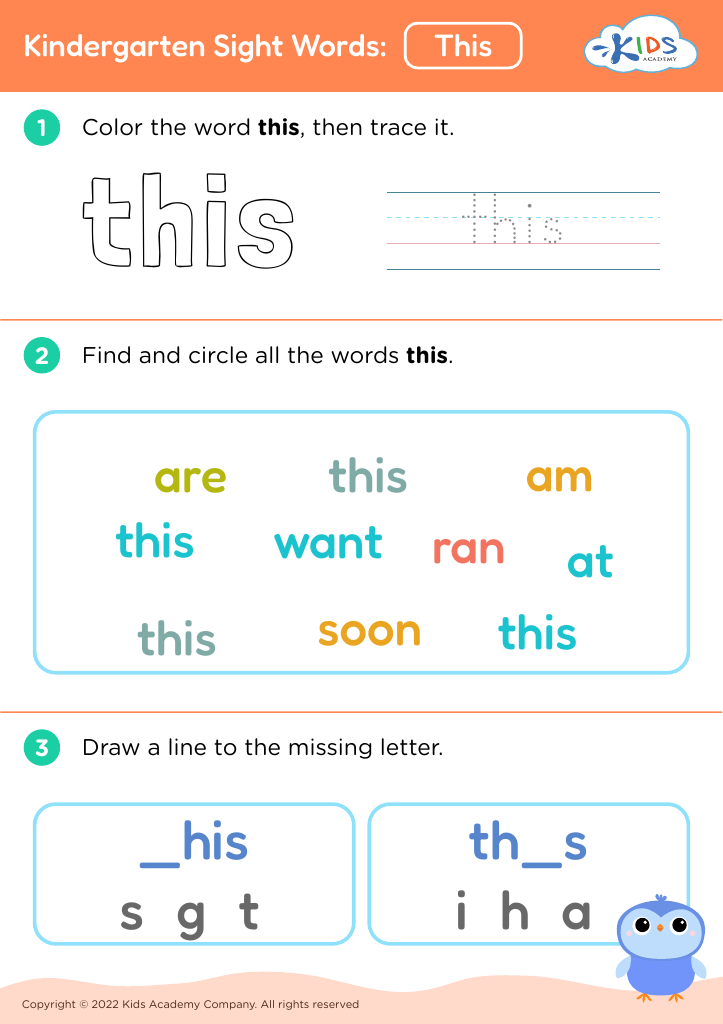
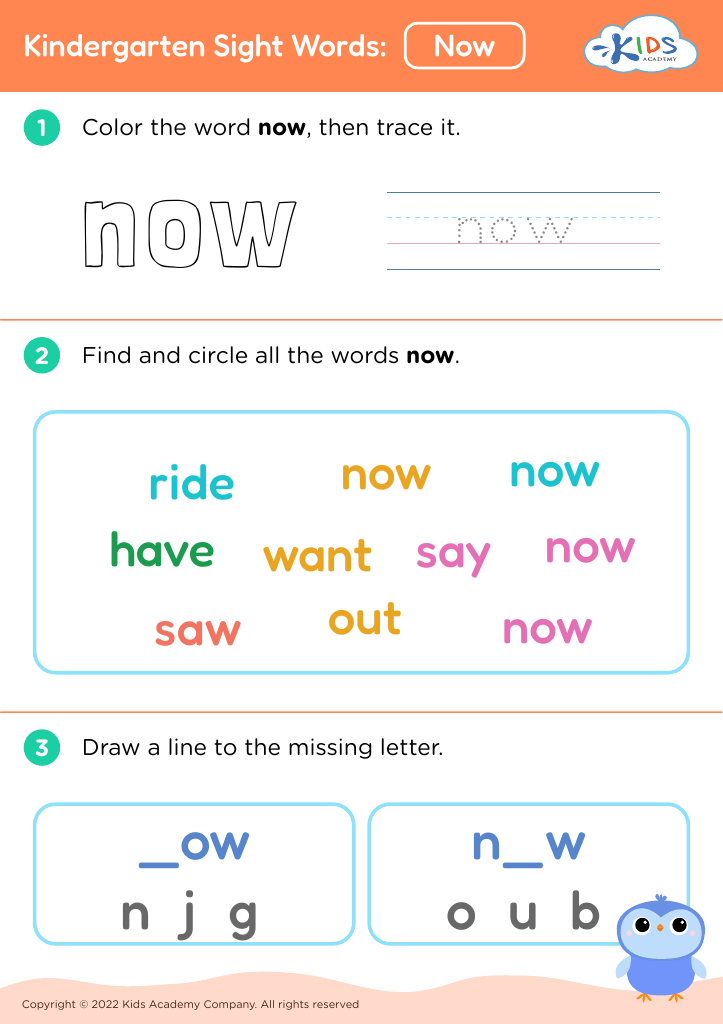
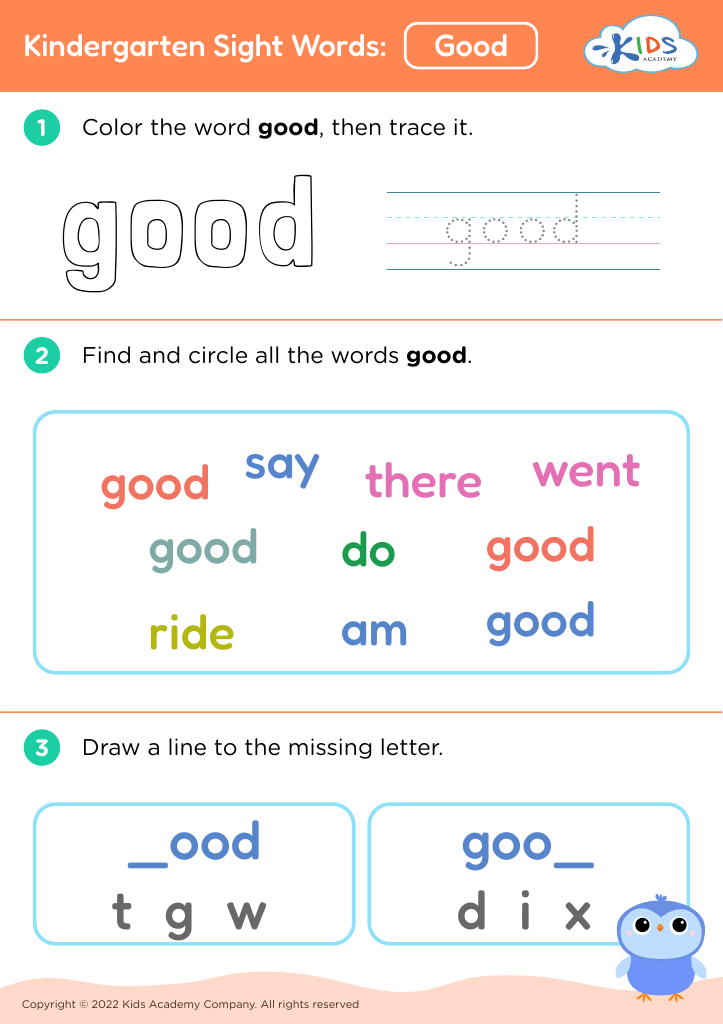
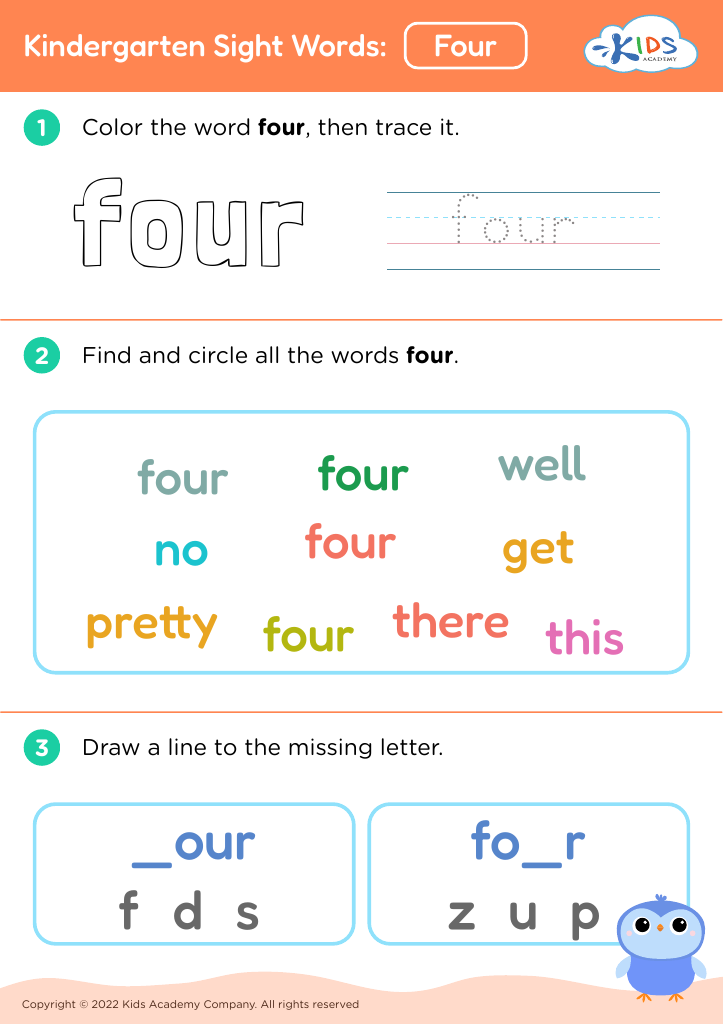
Number recognition and vocabulary building are crucial for children aged 4-8 because they serve as foundational skills for future academic success. Recognizing numbers helps children understand basic math concepts, fostering their ability to perform simple calculations, understand quantities, and engage with real-world scenarios like counting objects or telling time. This skill also supports later learning in more complex mathematics, ensuring a fluid transition into higher education.
On the other hand, building vocabulary at this age enhances language development, communication skills, and cognitive growth. A robust vocabulary enables children to express themselves clearly, comprehend instructions, and engage in meaningful conversations. Moreover, strong language skills correlate with improved reading abilities, which are crucial for learning across all subjects.
When parents and teachers prioritize number recognition and vocabulary building, they set the stage for children to develop critical thinking and problem-solving skills. Encouraging interaction with both numbers and words in fun, engaging ways—such as through games, songs, and storytelling—can stimulate a love for learning. Overall, supporting these foundational skills during formative years can lead to increased confidence, curiosity, and a lifelong passion for learning in children.








