Shape identification Building Vocabulary Worksheets for Ages 4-8
4 filtered results
-
From - To
Enhance your child's learning experience with our Shape Identification Building Vocabulary Worksheets, specially designed for ages 4-8. These engaging worksheets help young learners recognize and articulate various shapes, fostering essential vocabulary development. Kids will enjoy interactive activities that stimulate their understanding of geometry while enhancing language skills. Our worksheets blend fun with education, featuring colorful illustrations and simple instructions that make learning accessible and enjoyable. Perfect for homeschooling, classroom use, or supplementary activities, these resources will build confidence and knowledge in children as they explore the world of shapes. Download now to support your child's early academic journey!
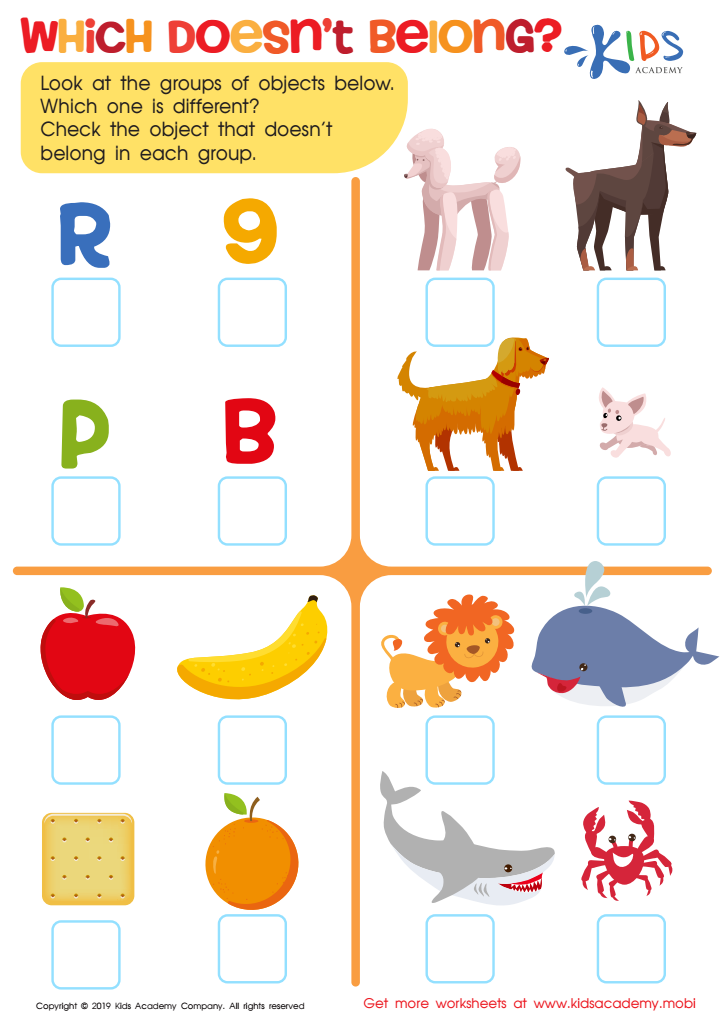
Which Doesn't Belong? Worksheet
 Assign to My Students











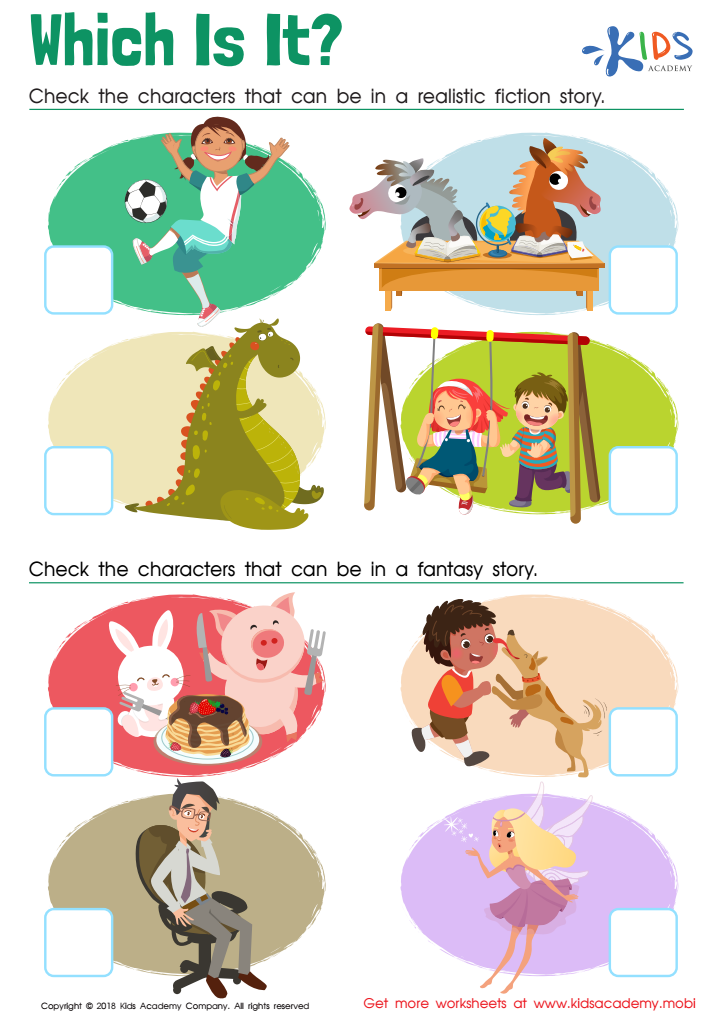
Which Is It? Worksheet
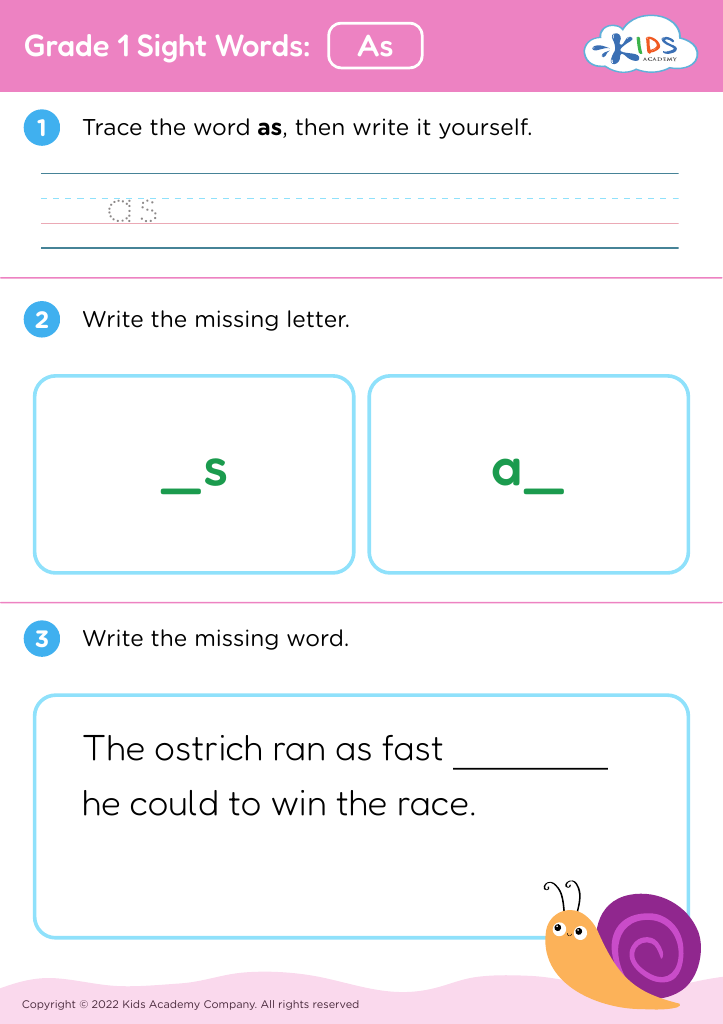
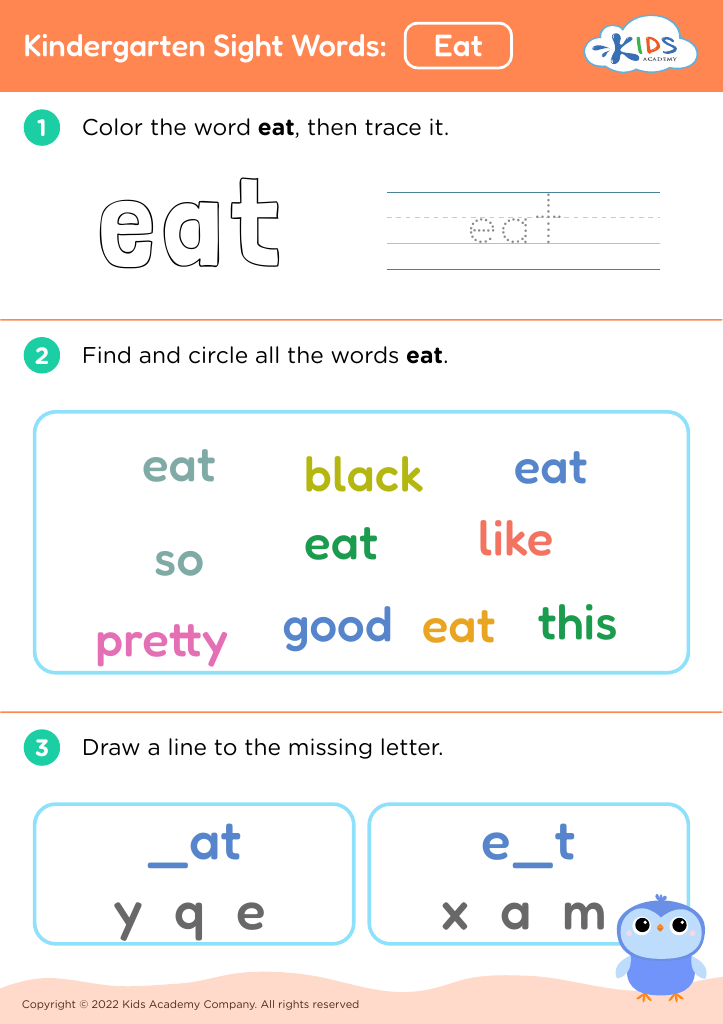







.jpg)
Shape identification and building vocabulary are fundamental skills for children aged 4-8 that significantly contribute to their overall development. Recognizing shapes helps children develop essential cognitive skills, including spatial reasoning and problem-solving abilities. When children learn to identify shapes, they enhance their ability to categorize and analyze the world around them, paving the way for future math and science concepts.
In tandem, building vocabulary during this stage is crucial for effective communication and literacy development. A robust vocabulary allows children to express their thoughts and emotions clearly, understanding and participating in conversations. Vocabulary skills are also linked to reading comprehension; the more words children know, the easier it is to understand the texts they encounter.
For parents and teachers, fostering these skills promotes academic readiness and confidence. Engaging children with shape-related vocabulary—like "triangle," "circle," and "rectangle"—not only facilitates shape recognition but also enriches their language skills. Encouraging play-based learning, through activities like sorting shapes or engaging in storytelling that incorporates new vocabulary, can make learning enjoyable and effective. Ultimately, focusing on shape identification and vocabulary building lays a strong foundation for lifelong learning and adaptability in an ever-changing world.








