Simplifying Fractions Building Vocabulary Worksheets for Ages 4-8
7 filtered results
-
From - To
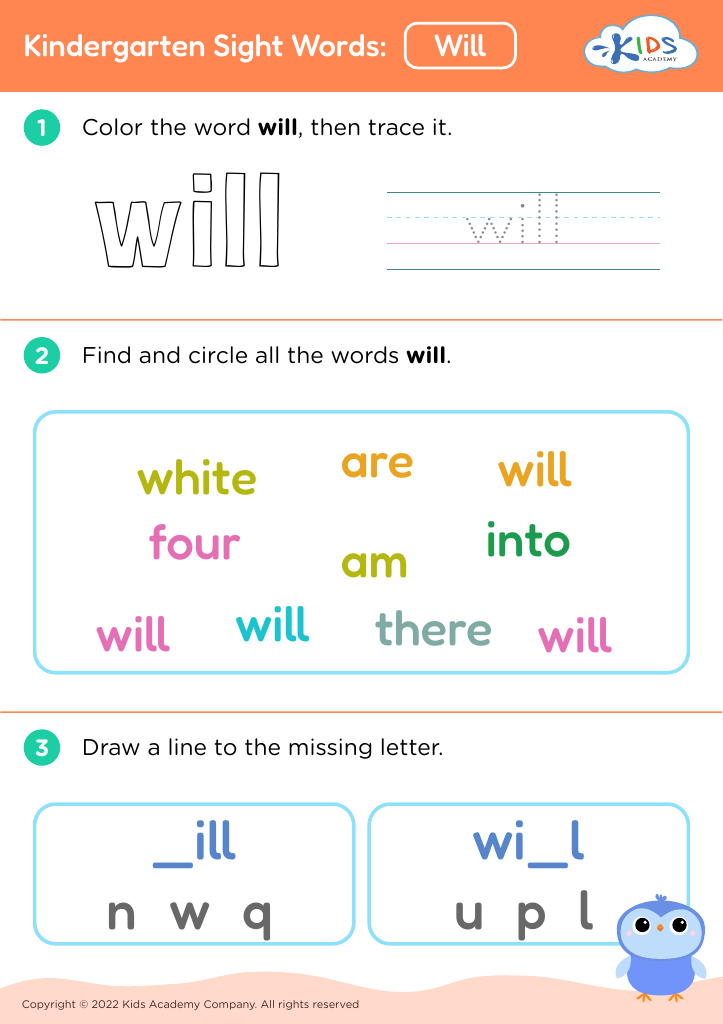
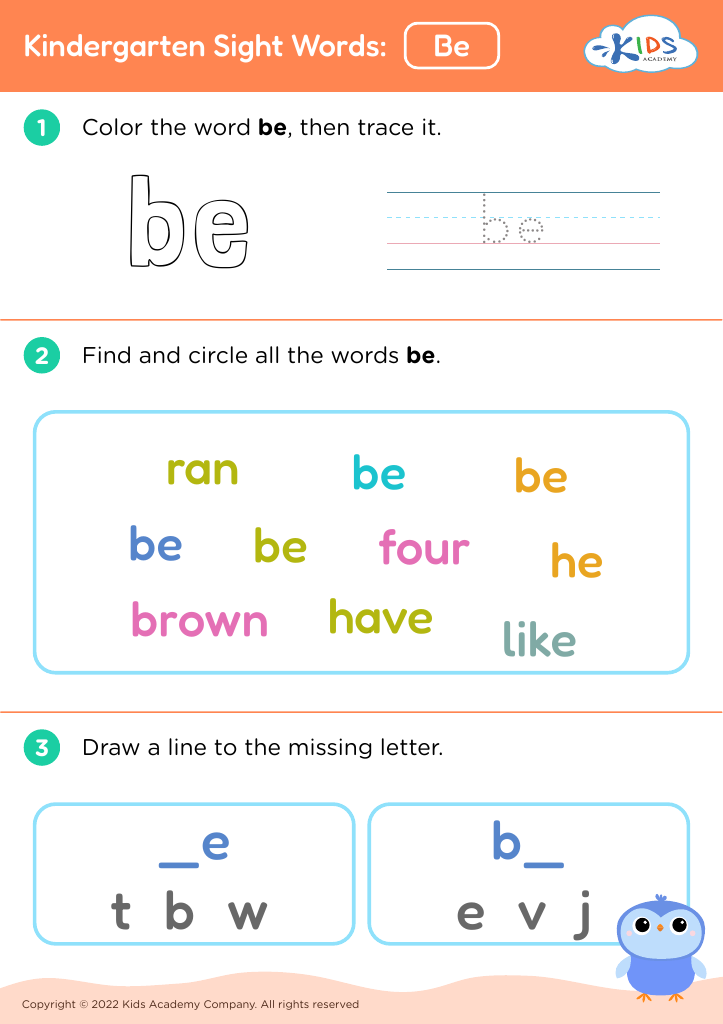
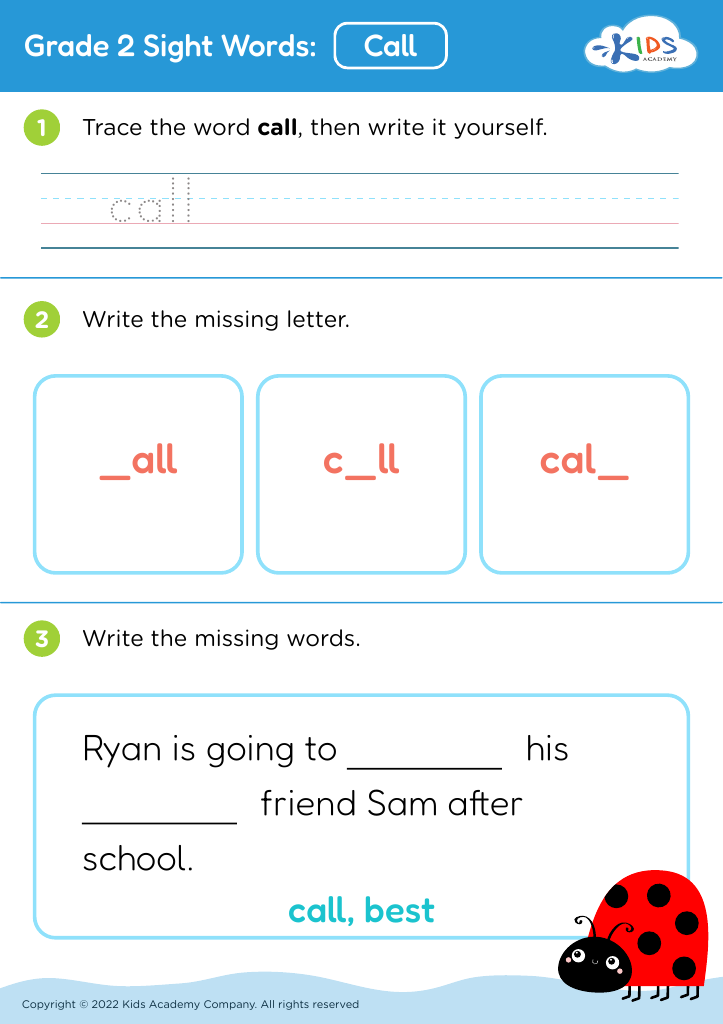
Welcome to our "Simplifying Fractions Building Vocabulary Worksheets" designed for children aged 4-8! These engaging worksheets aim to enhance young learners' understanding of fractions while building their vocabulary skills. With colorful visuals and simple instructions, children will enjoy interactive exercises that make learning fractions fun. Our resources not only focus on simplifying fractions but also incorporate essential terms and definitions that enrich their language development. Ideal for classrooms or home learning, these worksheets provide a perfect blend of math and literacy practice, fostering a strong foundation for future mathematical success. Start your child's journey to mastering fractions today!


















Simplifying fractions is a foundational math skill that introduces young learners to important concepts of division, equivalence, and relationships between numbers. For children aged 4-8, understanding fractions paves the way for future mathematical proficiency and critical thinking. By simplifying fractions, students learn to recognize that different expressions can represent the same quantity, fostering their analytical skills and boosting their confidence in math.
Furthermore, building vocabulary around fractions enriches their language and comprehension. Introducing terms such as “numerator,” “denominator,” “equivalent,” and “simplification” not only enhances their mathematical understanding but also supports literacy development. Often, fractions can represent concepts in real-world scenarios, such as sharing food or measuring ingredients, which makes the learning relatable and engaging.
Parents and teachers should care about fostering these skills, as they create a solid groundwork for more advanced mathematics in later years. Engaging young learners with fun and interactive activities can ignite their interest in math and contribute to a positive learning experience. Additionally, equipping children with these skills will help them navigate everyday challenges and boost their problem-solving abilities, ultimately aiding their overall personal and academic growth. Embracing the significance of fractions can inspire a lifelong appreciation for learning.








