Addition Practice Reading Worksheets for Ages 4-8
8 filtered results
-
From - To
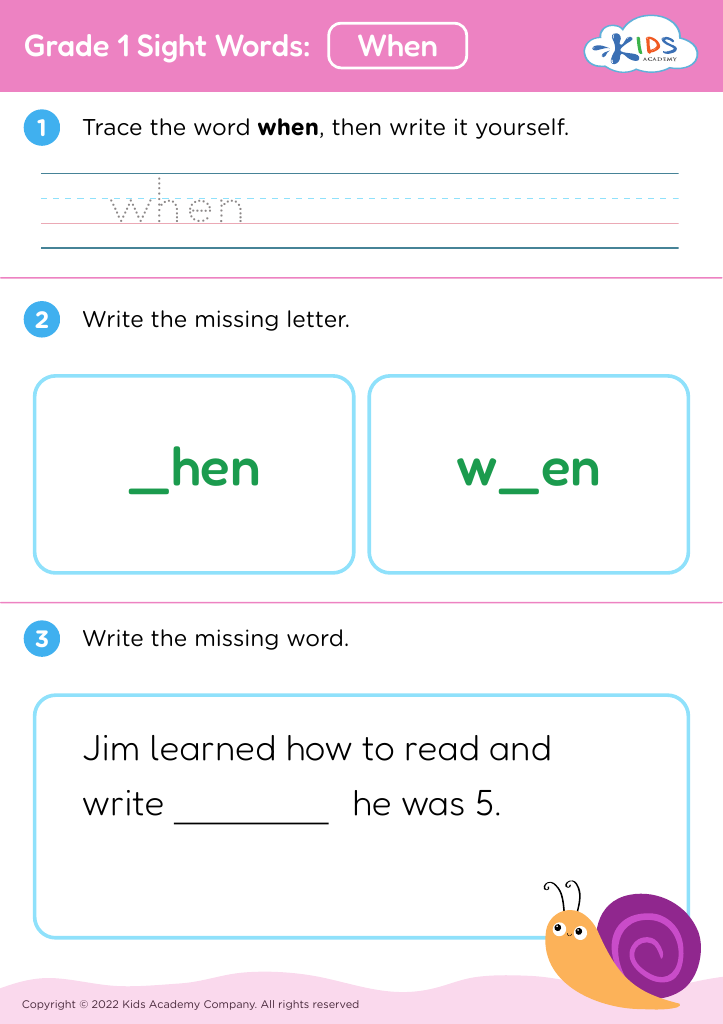
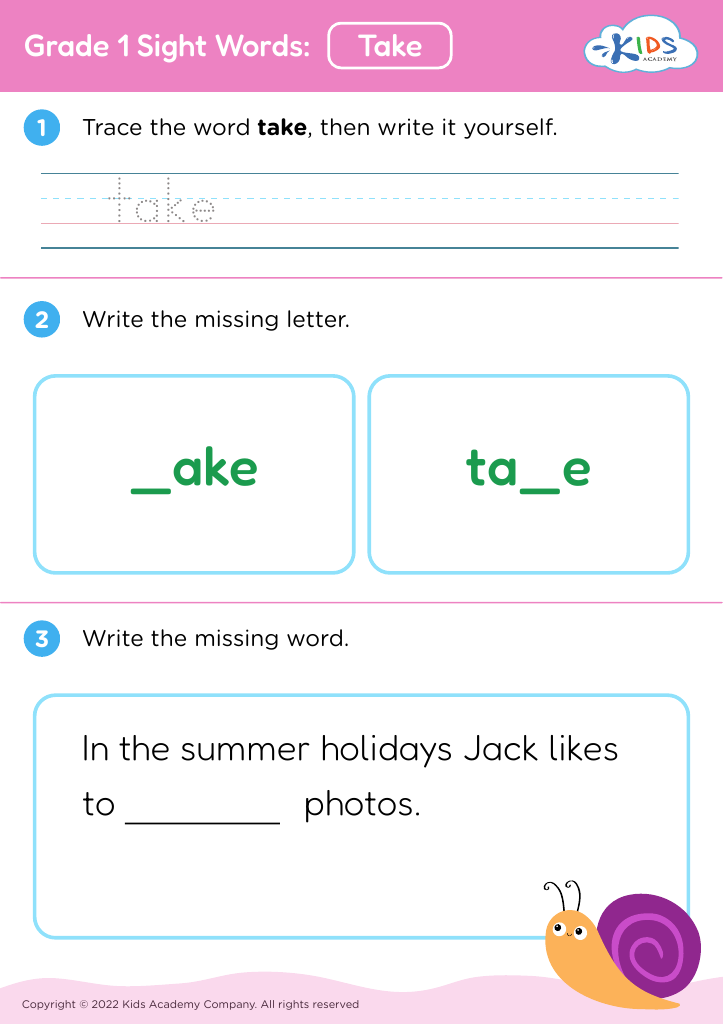
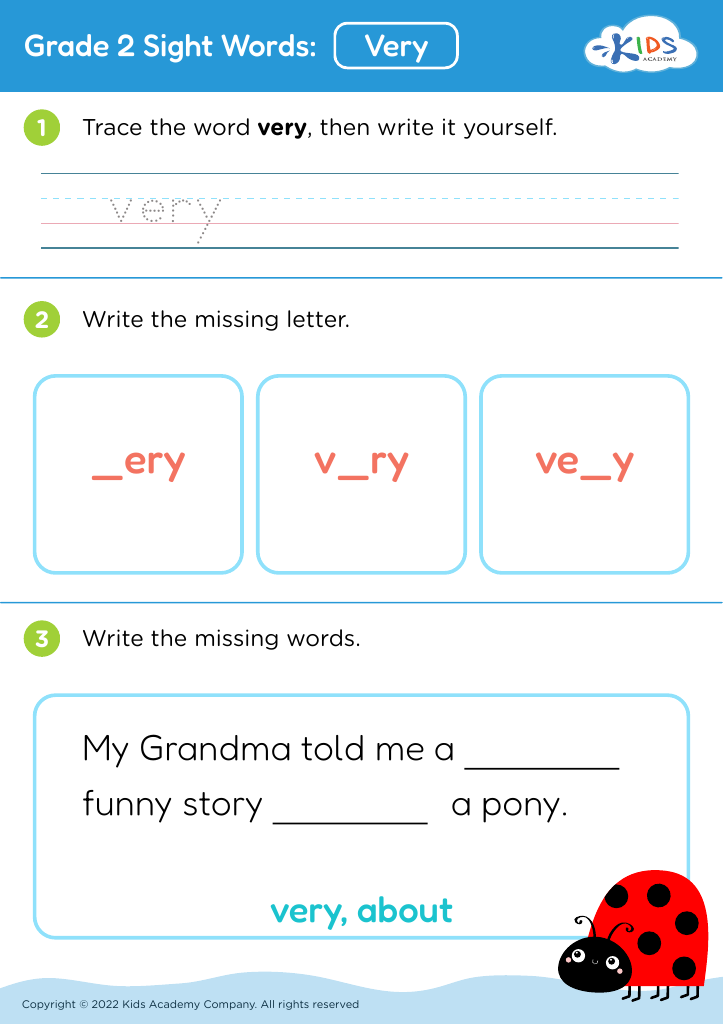
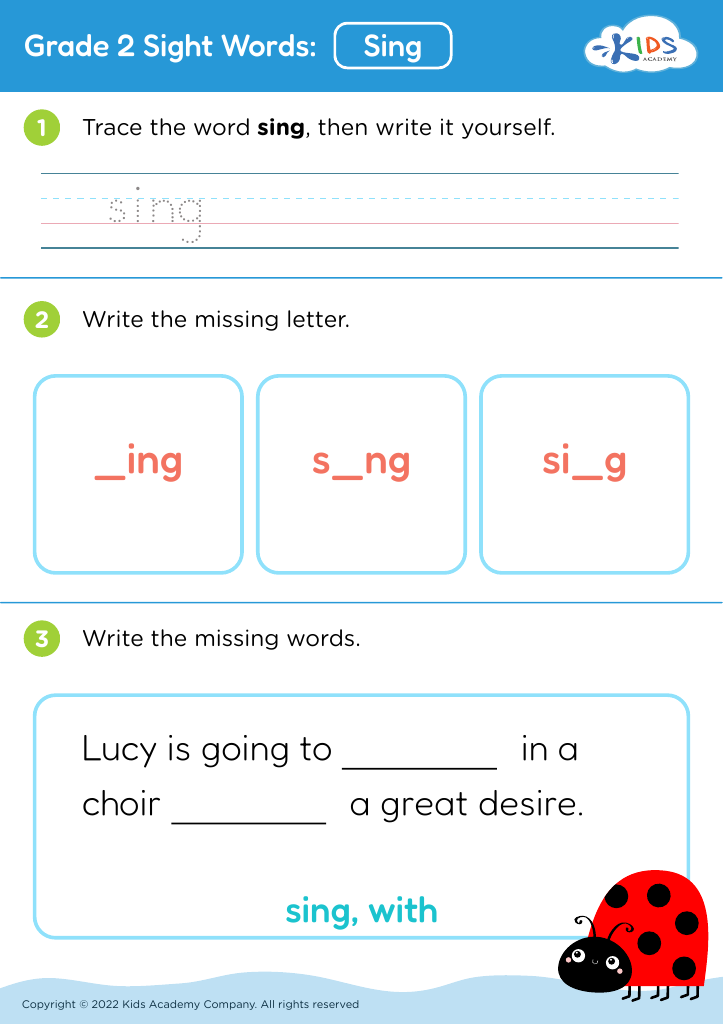
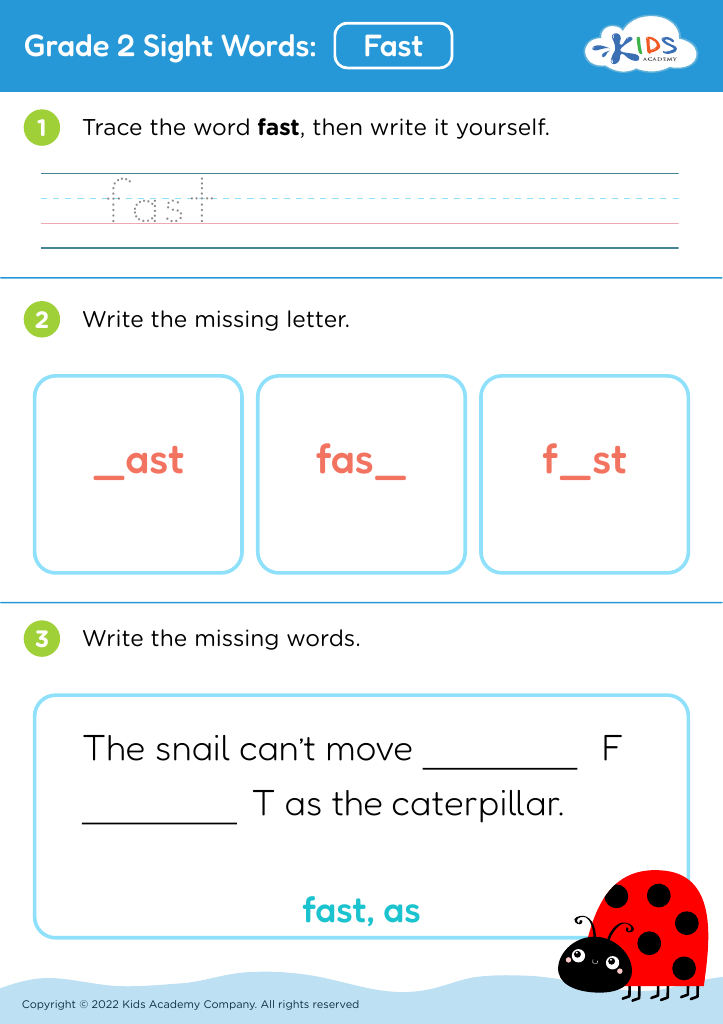
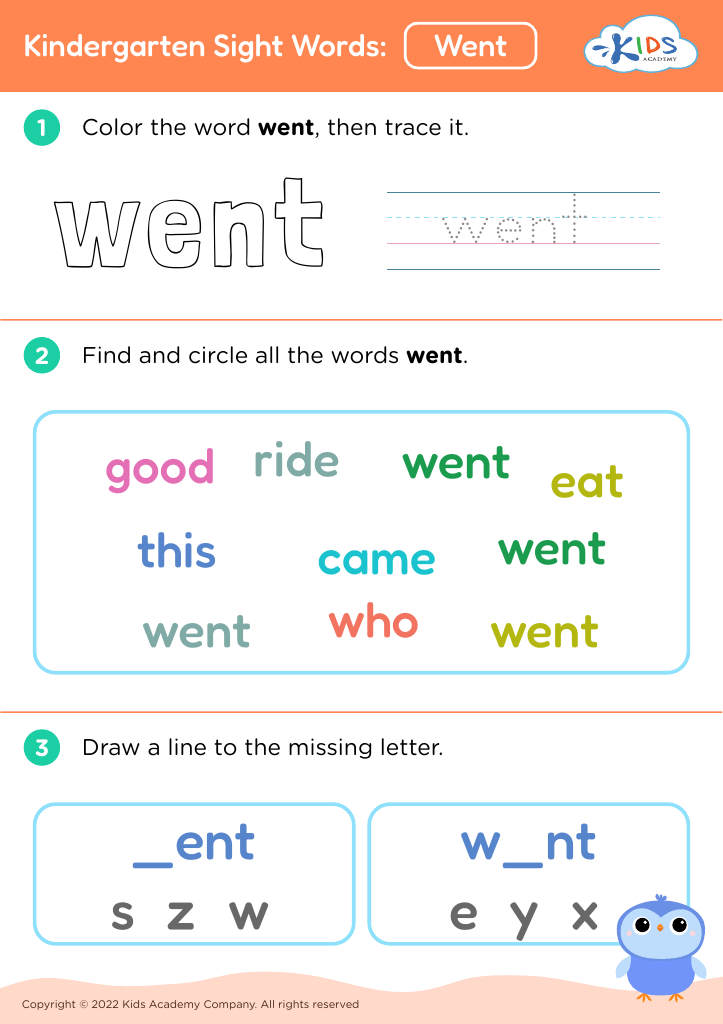
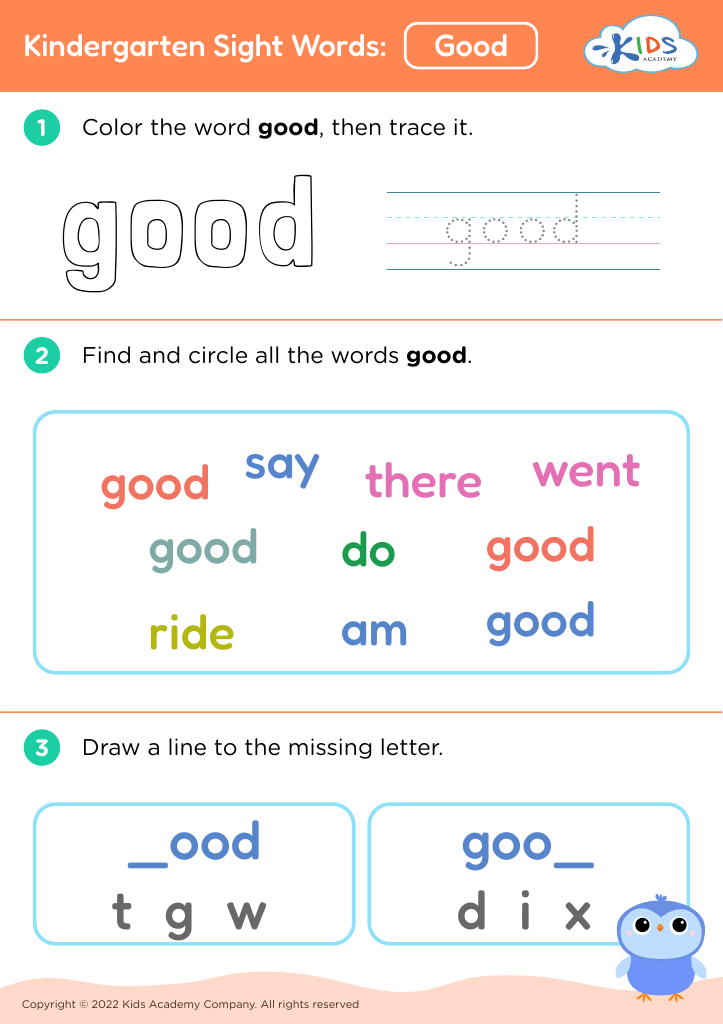
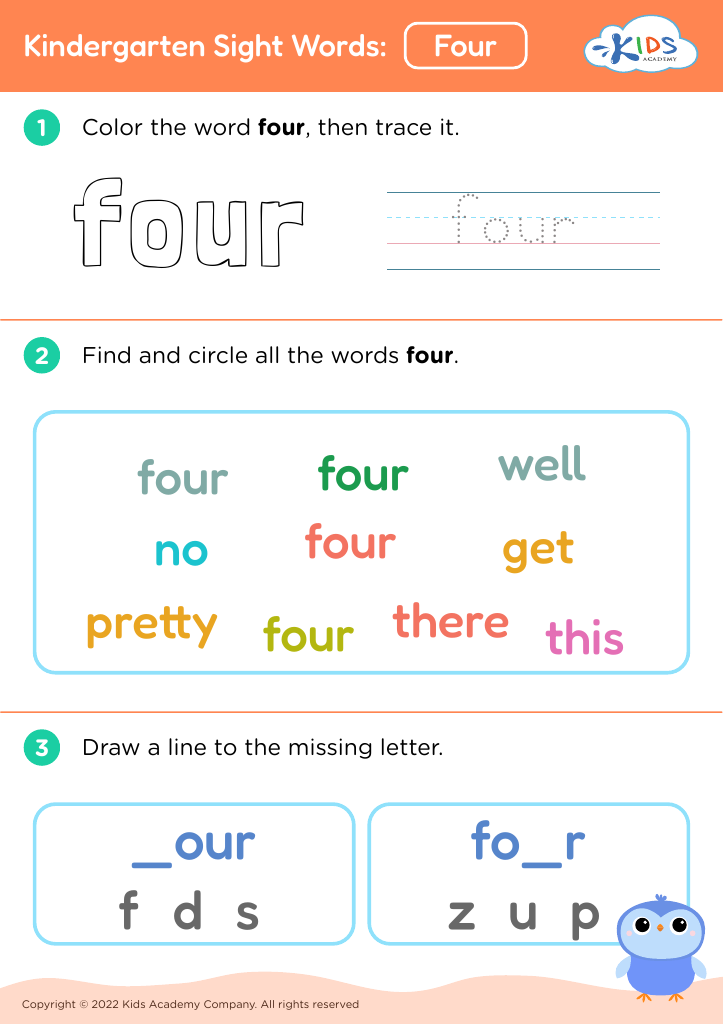
Boost early math skills with our engaging "Addition Practice Reading Worksheets" designed for ages 4-8. Our worksheets seamlessly integrate fun reading exercises with essential addition practice, ensuring a comprehensive learning experience. Each worksheet features colorful illustrations and relatable themes to captivate young learners while reinforcing their understanding of addition concepts. Perfect for both classroom and home use, these worksheets cater to various learning paces, fostering confidence and proficiency in math from an early age. Parents and teachers can easily track progress and identify areas needing extra attention. Start your child's journey to math mastery with our expertly crafted resources today!




.jpg)


Parents and teachers of children aged 4-8 should care deeply about addition practice and reading for several essential reasons. First, these skills form the foundation of early education. Mastery of basic addition in early childhood builds critical thinking and problem-solving abilities, which are cornerstones for more advanced mathematical concepts. Children gain a sense of achievement that boosts their confidence and fosters a positive attitude towards learning.
Reading is equally foundational, opening doors to all areas of knowledge. It cultivates imagination, language development, and cognitive skills, such as memory and concentration. Through reading, children expand their vocabulary and understanding of sentence structures, setting the stage for effective communication.
Integrating addition practice within reading tasks offers doubly beneficial opportunities by encouraging cross-curricular learning. Using story problems involving basic addition, for instance, can keep children engaged, making math less intimidating and more enjoyable.
Moreover, fostering these skills early helps detect and mitigate learning challenges, enabling timely interventions. Students who lag in these areas often face greater difficulties later on, making early, consistent practice crucial. Parents' and teachers' involvement signals to the child the importance of these skills, reinforcing the learning process and creating a supportive environment rich with encouragement and positive reinforcement.








