Basic counting skills Reading Worksheets for Ages 4-8
4 filtered results
-
From - To
Discover engaging and educational Basic Counting Skills Reading Worksheets designed for children ages 4-8. Our carefully crafted worksheets enhance counting abilities while fostering early literacy skills. With vibrant illustrations and age-appropriate activities, children will enjoy learning through traceable numbers, counting games, and interactive exercises. These resources not only make counting fun but also support cognitive development in young learners, ensuring they build a strong foundation in math. Perfect for homeschooling or classroom use, our worksheets will help your child develop confidence and competence in basic counting. Explore our collection today and watch your young learners thrive in their educational journey!
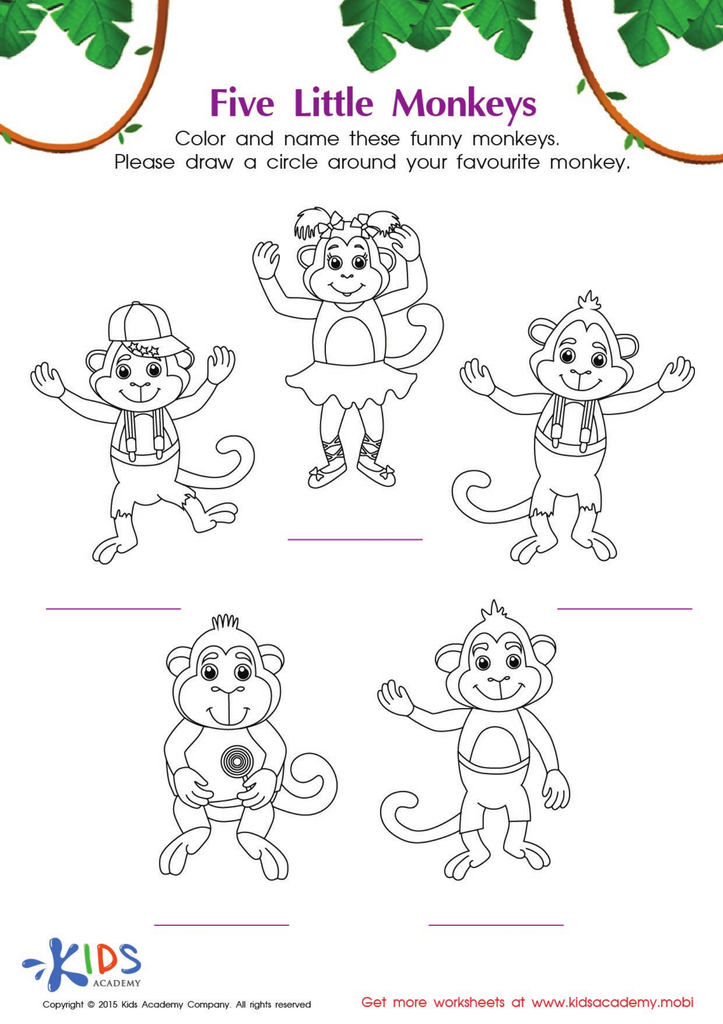
The Five Little Monkeys Coloring Worksheet
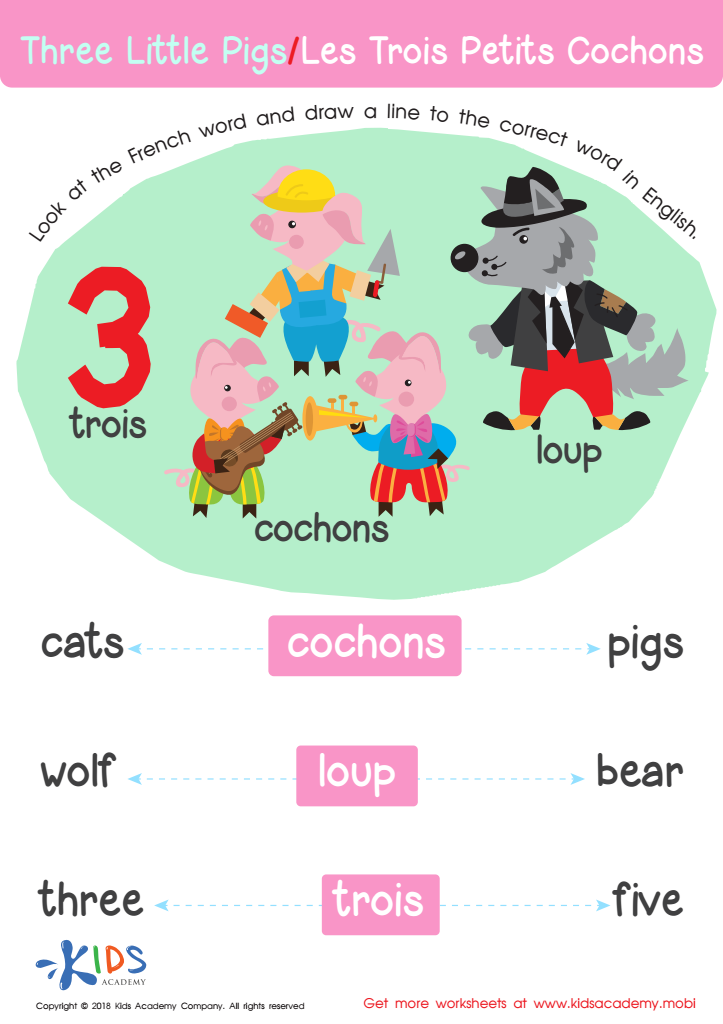
Three Little Pigs / Les Trois Petits Cochons Worksheet
 Assign to My Students
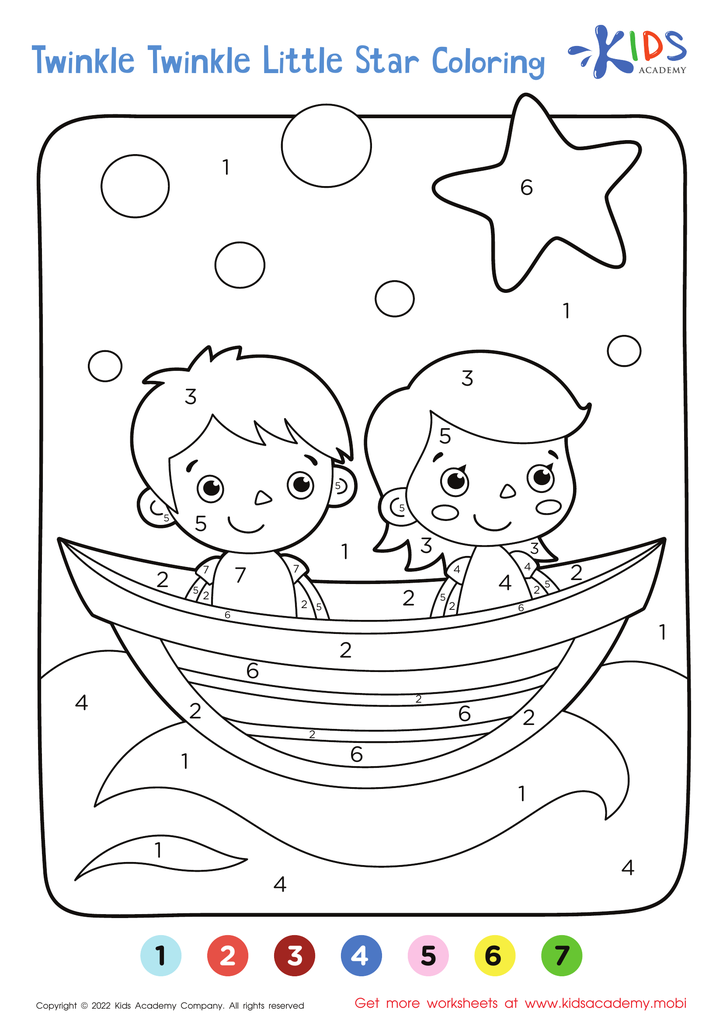
Twinkle, Twinkle, Little Star – Coloring by Numbers
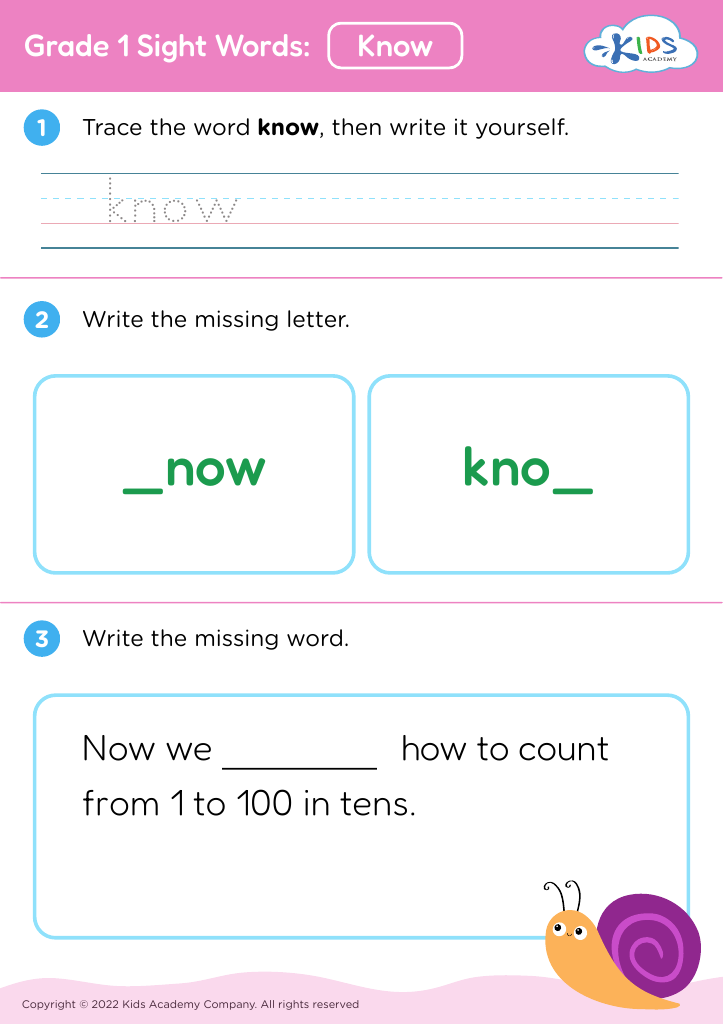







Basic counting skills are fundamental for children's overall mathematical understanding and cognitive development. For children ages 4-8, mastering basic counting fosters confidence and lays the groundwork for more complex mathematical concepts, including addition, subtraction, and beyond. Parent and teacher involvement in this stage is crucial, as early experiences with numbers shape children's attitudes toward math.
Additionally, counting skills are often intertwined with literacy and language development. As children learn to count, they also develop vocabulary related to numbers, operations, and comparative language (e.g., more, fewer). This cross-curricular learning reinforces their reading skills and helps them grasp quantitative concepts found in stories and real-life situations.
Moreover, engaging students and children in counting through interactive activities can enhance their critical thinking and problem-solving skills. It promotes curiosity and encourages a joyful approach to learning—attributes that nurture a lifelong love for education.
Parents and teachers can further address different learning styles by implementing varied activities that incorporate counting and play, making the process enjoyable and effective. Overall, counting is not just about numbers; it builds essential skills for future academic success and daily life, making it vital for parents and educators to prioritize.








