Color recognition Reading Worksheets for Ages 4-8 - Page 2
30 filtered results
-
From - To
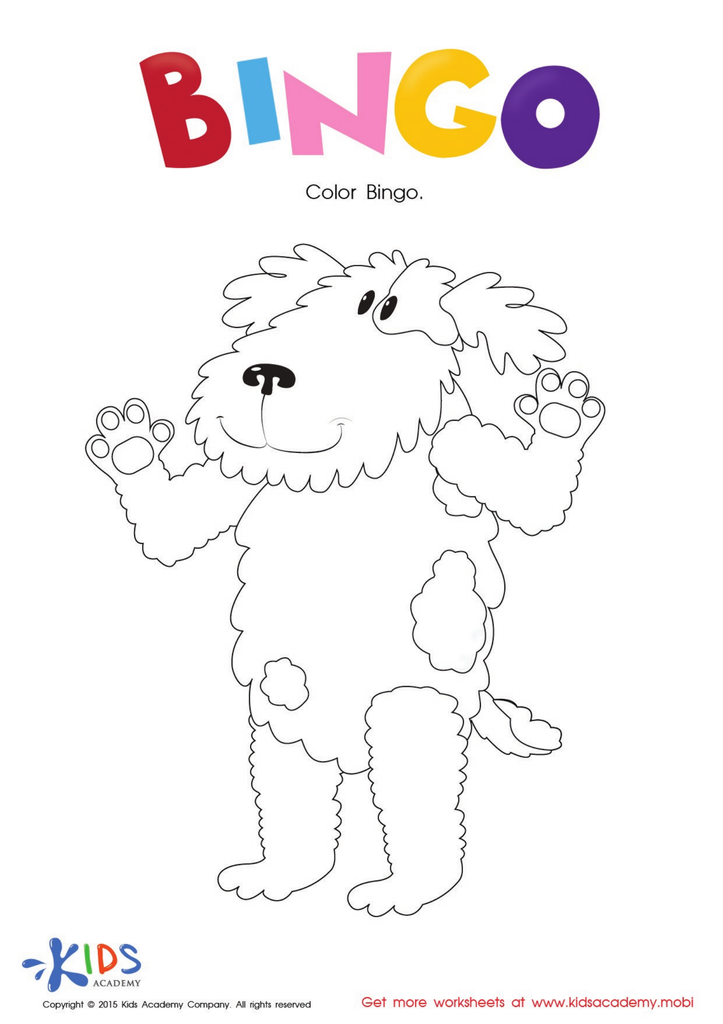
The Bingo Song: Coloring The Dog Worksheet
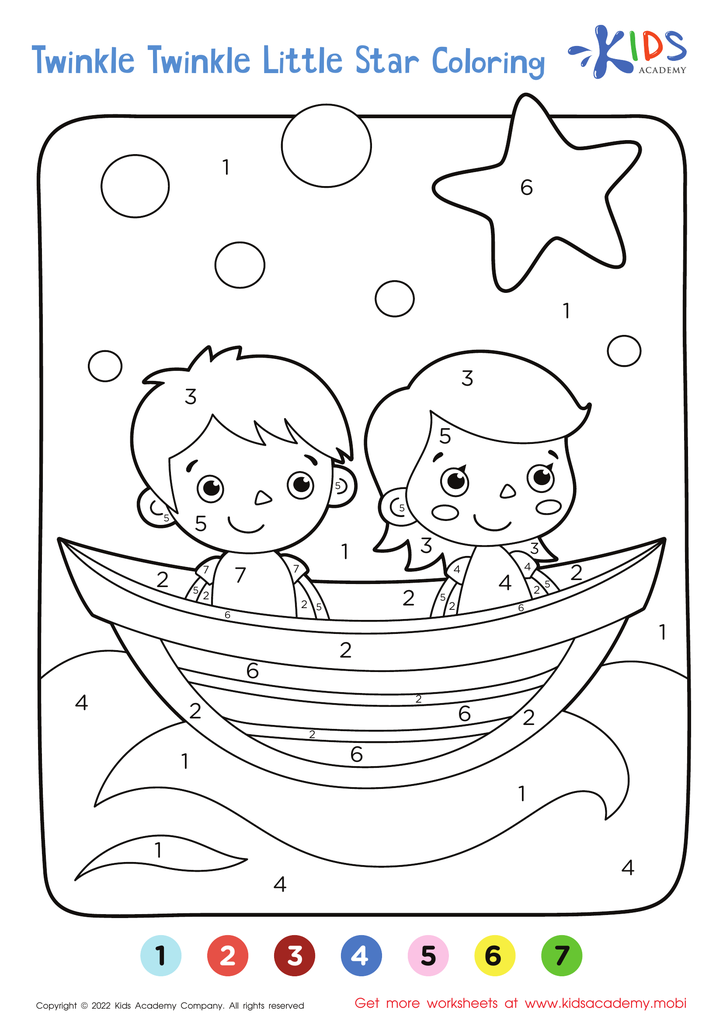
Twinkle, Twinkle, Little Star – Coloring by Numbers






Color recognition is a foundational skill for children aged 4-8, playing a vital role in their cognitive development and learning processes. Parents and teachers should care about this skill because it is closely linked to various aspects of literacy and education. Understanding colors can enhance vocabulary as children learn to name and categorize the world around them, which is essential for effective communication.
Moreover, color recognition aids in developing critical thinking and observation skills. When children can differentiate and recognize colors, they become better at identifying objects, patterns, and relationships in their environment, fostering early math skills and problem-solving abilities.
Additionally, color recognition is often integrated into reading activities. Many children’s books utilize vibrant illustrations that rely on colors to convey meaning and emotional context. A child’s ability to perceive and discuss these colors can enrich their reading experience and comprehension.
Furthermore, teaching colors can facilitate better societal integration by helping children recognize symbols like traffic lights and warning signs, encouraging safety and awareness. As children progress through educational milestones, the confidence gained from mastering color recognition can lay the groundwork for more complex concepts, ultimately promoting a love for learning and discovery. Therefore, investing time in this fundamental skill is essential for holistic development.








