Check out this FREE Trial Lesson on Reading for age 4-8!

X

Favorites
With answer key
Interactive
  • 4-8
  • Comparing Fractions
  • Reading
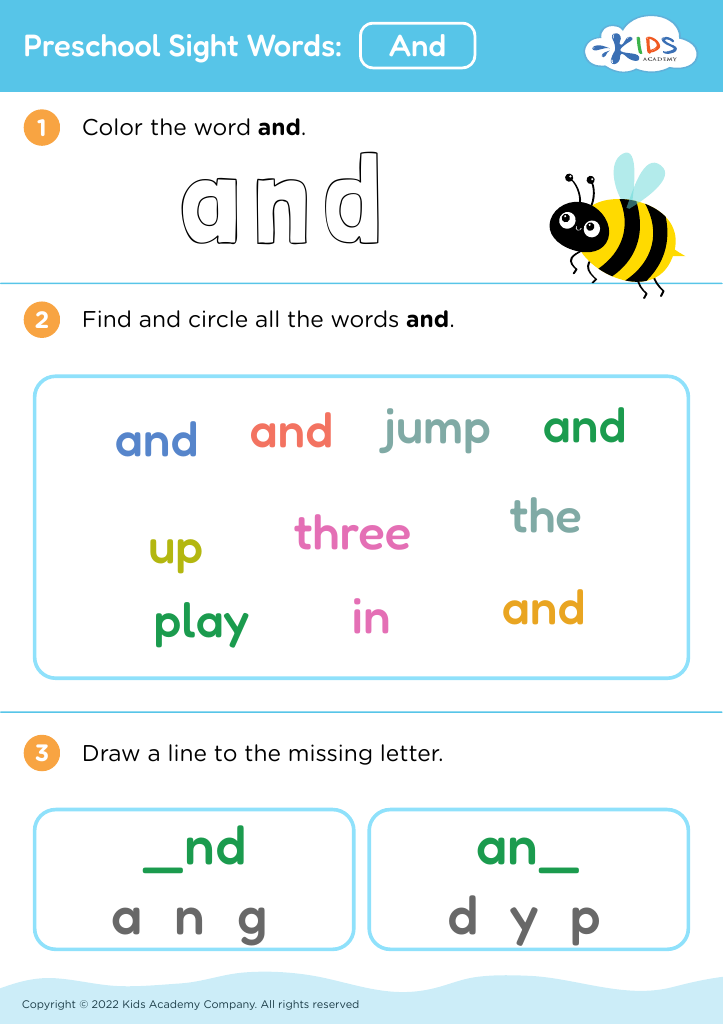
Preschool Sight Words: And

Preschool Sight Words: And

Preschool Sight Words: And
Worksheet
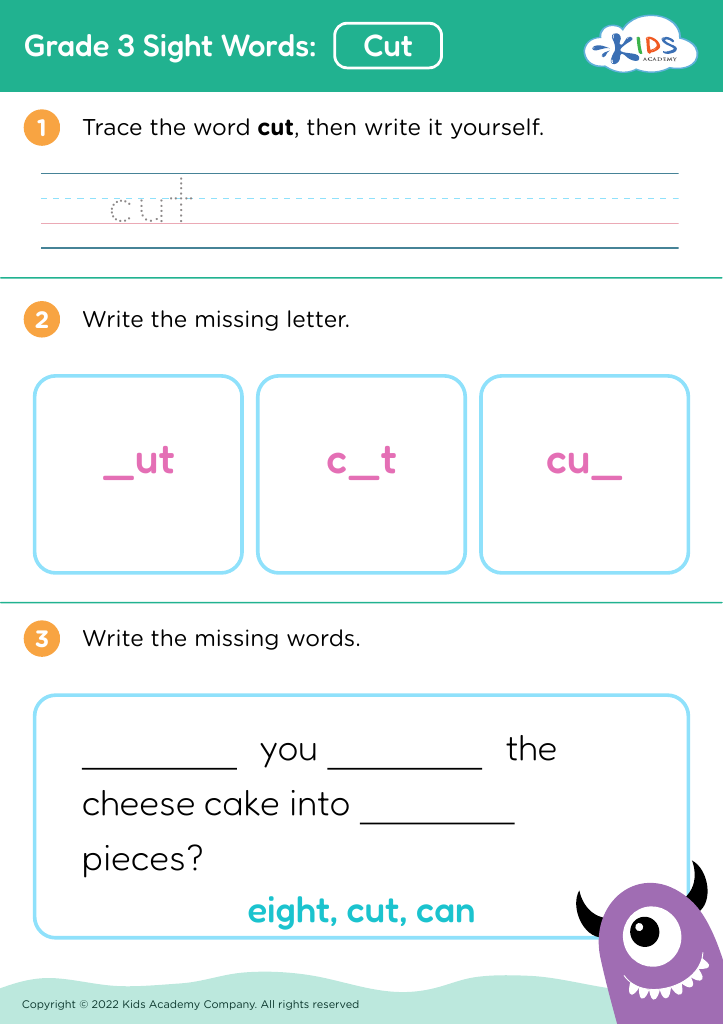
Grade 3 Sight Words: Cut

Grade 3 Sight Words: Cut

Grade 3 Sight Words: Cut
Worksheet
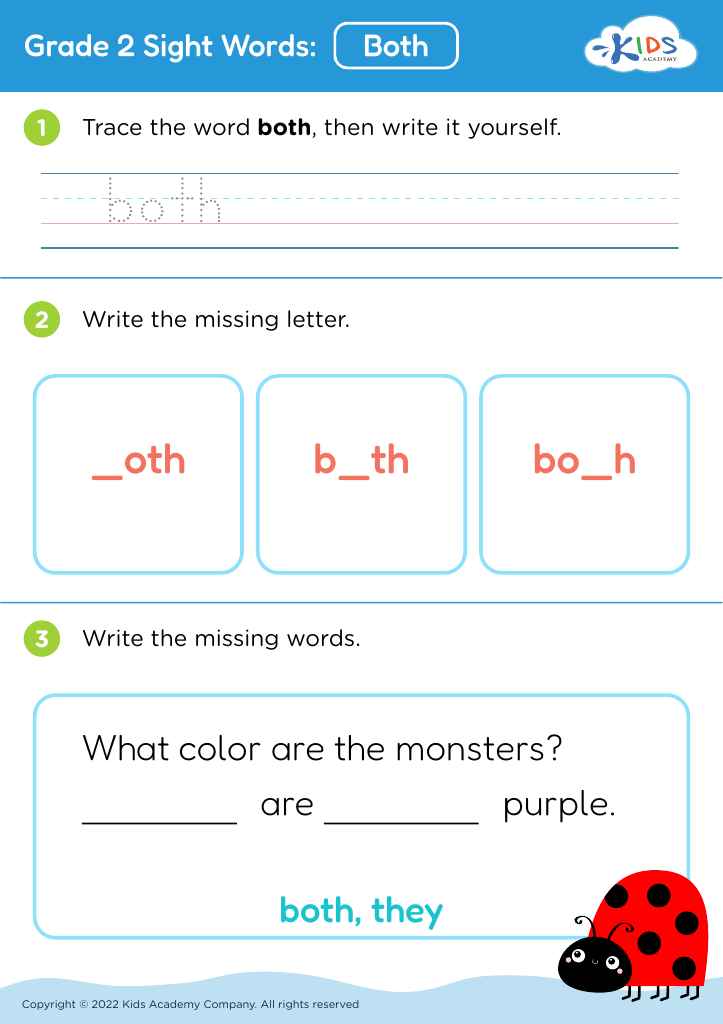
Grade 2 Sight Words: Both

Grade 2 Sight Words: Both

Grade 2 Sight Words: Both
Worksheet
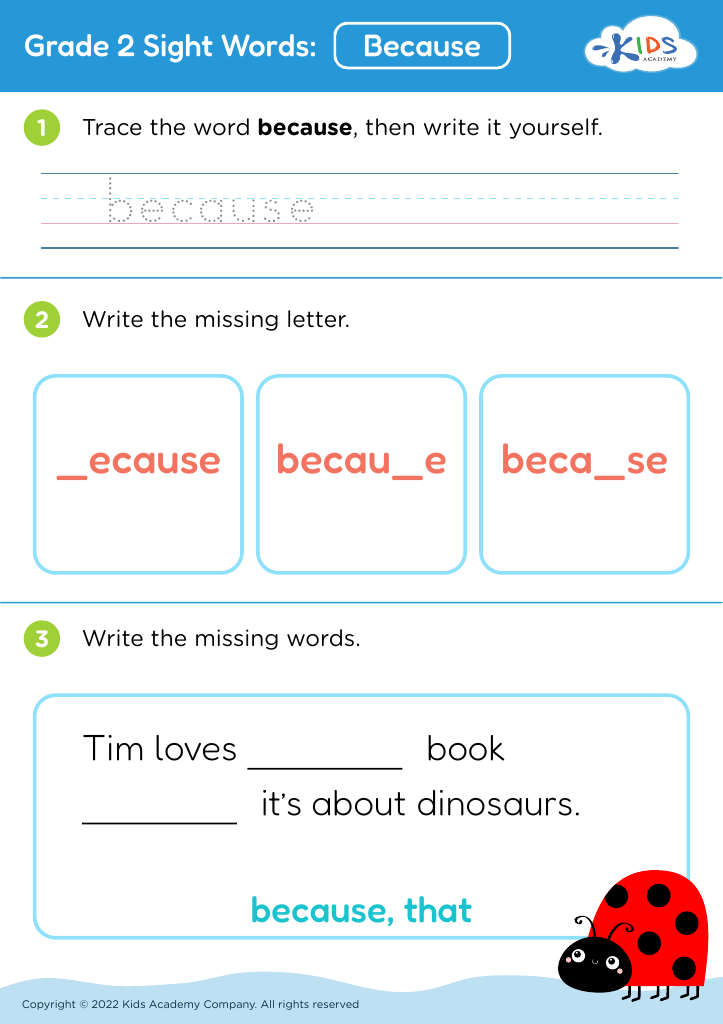
Grade 2 Sight Words: Because

Grade 2 Sight Words: Because

Grade 2 Sight Words: Because
Worksheet
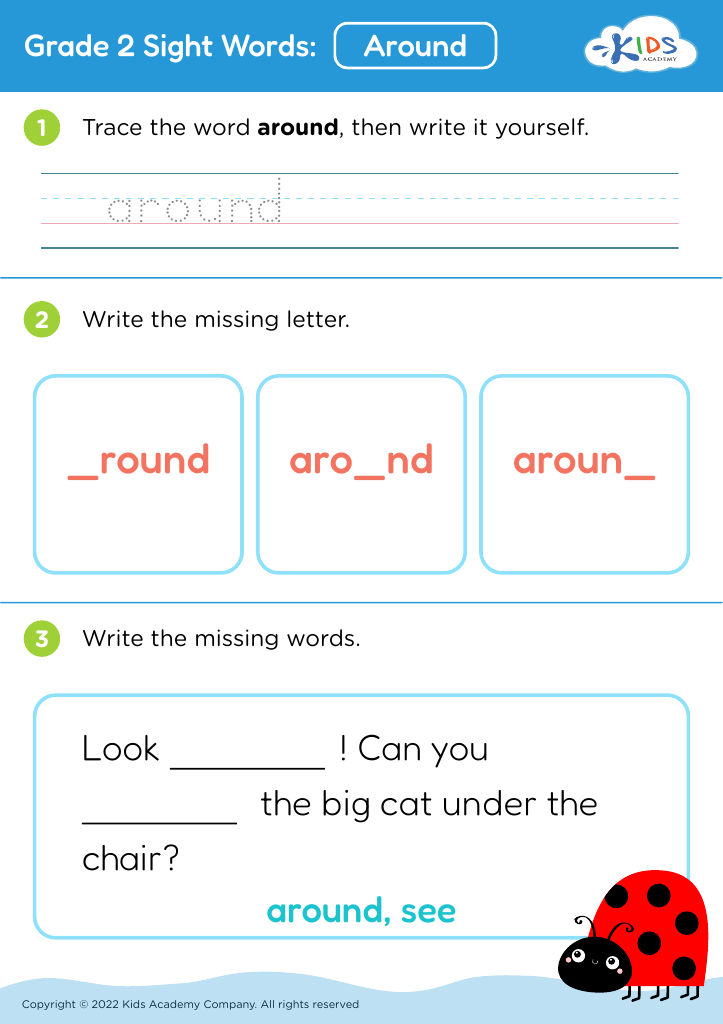
Grade 2 Sight Words: Around

Grade 2 Sight Words: Around

Grade 2 Sight Words: Around
Worksheet
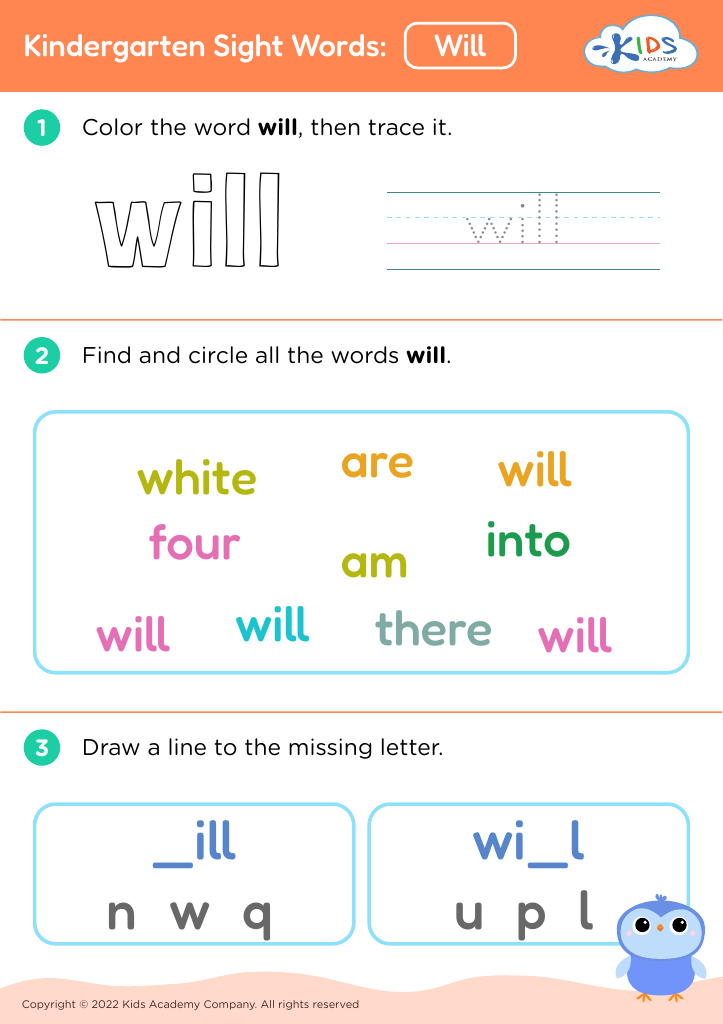
Kindergarten Sight Words: Will

Kindergarten Sight Words: Will

Kindergarten Sight Words: Will
Worksheet
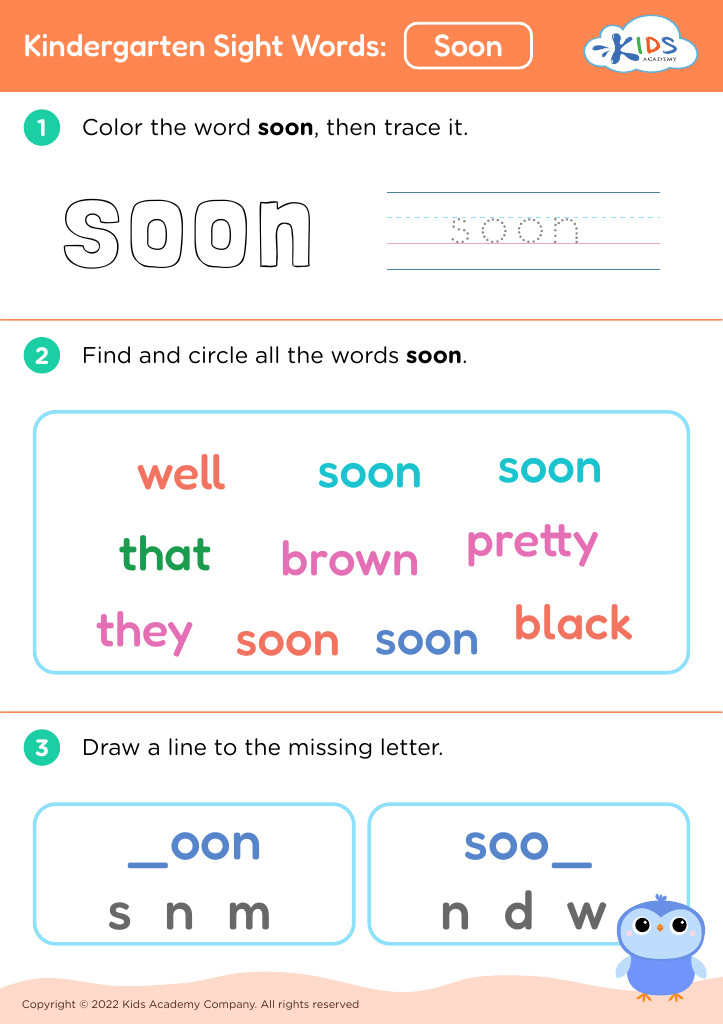
Kindergarten Sight Words: Soon

Kindergarten Sight Words: Soon

Kindergarten Sight Words: Soon
Worksheet
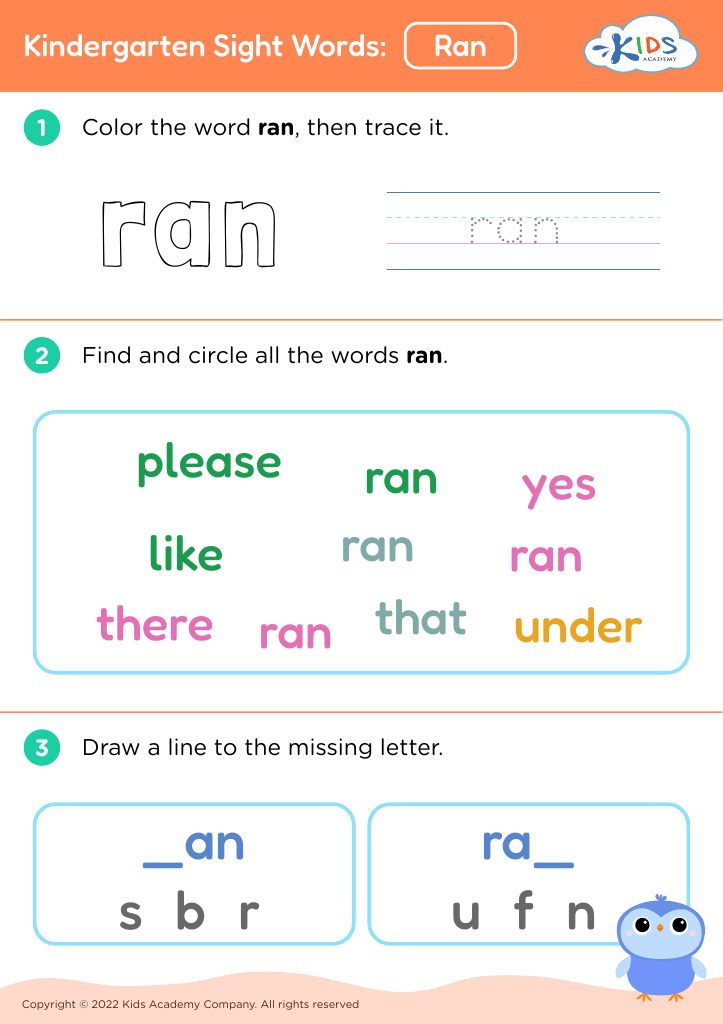
Kindergarten Sight Words: Ran

Kindergarten Sight Words: Ran

Kindergarten Sight Words: Ran
Worksheet
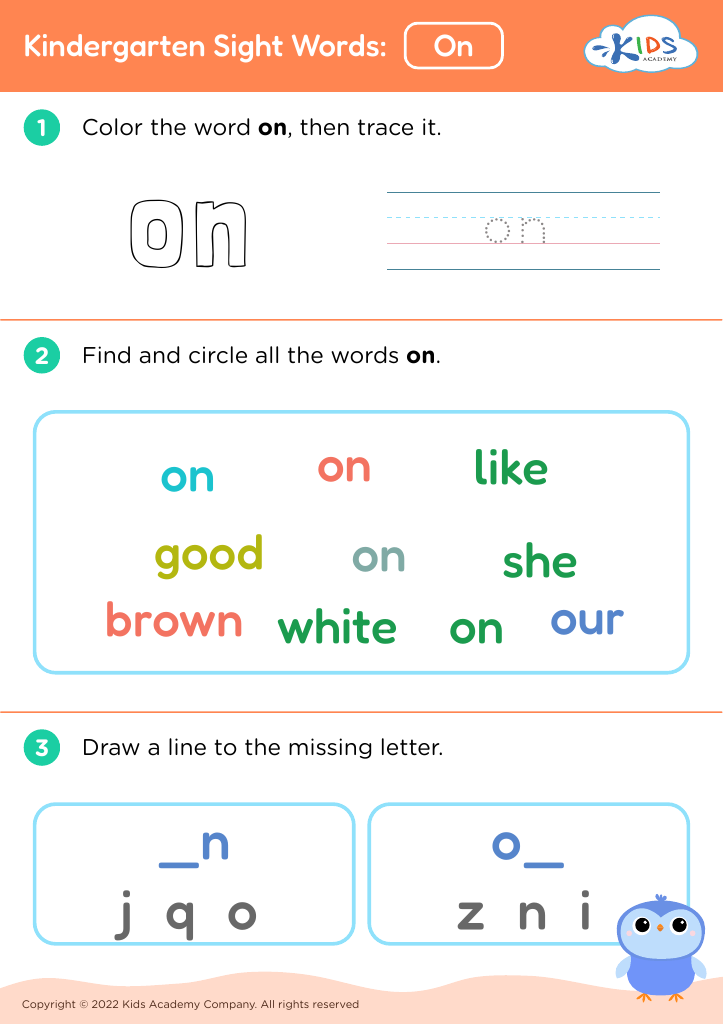
Kindergarten Sight Words: On

Kindergarten Sight Words: On

Kindergarten Sight Words: On
Worksheet
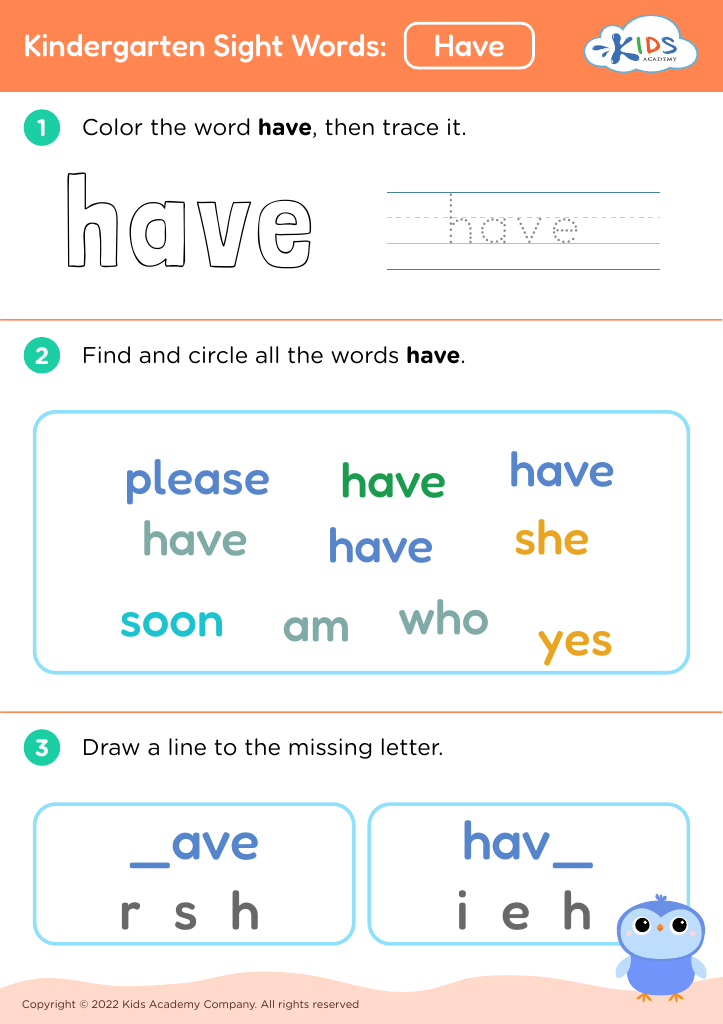
Kindergarten Sight Words: Have

Kindergarten Sight Words: Have

Kindergarten Sight Words: Have
Worksheet
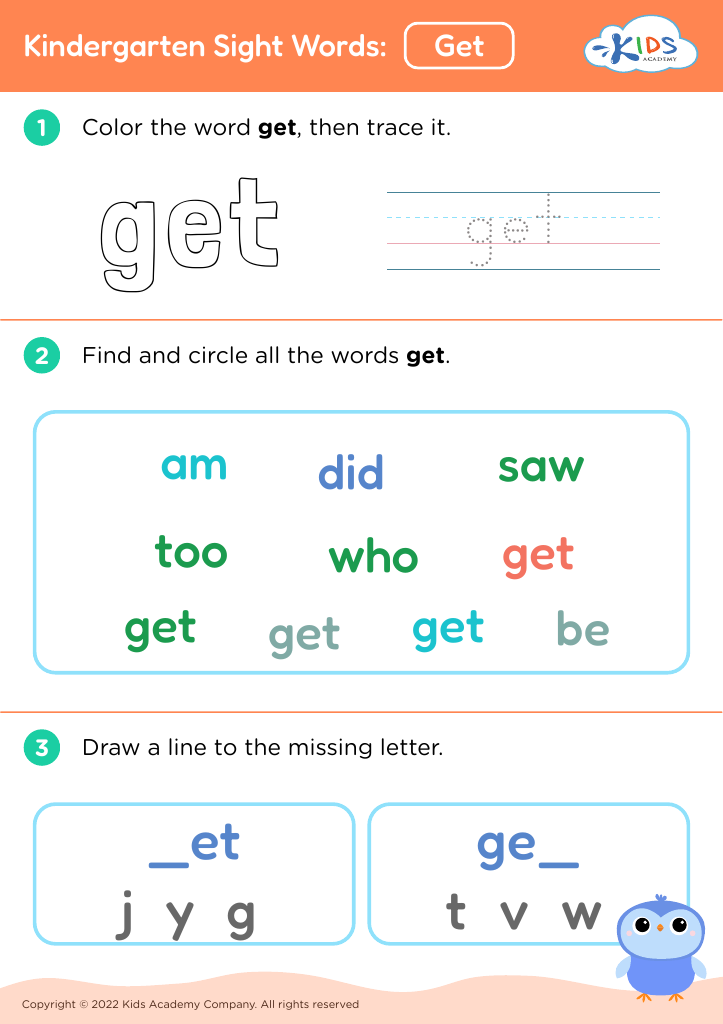
Kindergarten Sight Words: Get

Kindergarten Sight Words: Get

Kindergarten Sight Words: Get
Worksheet
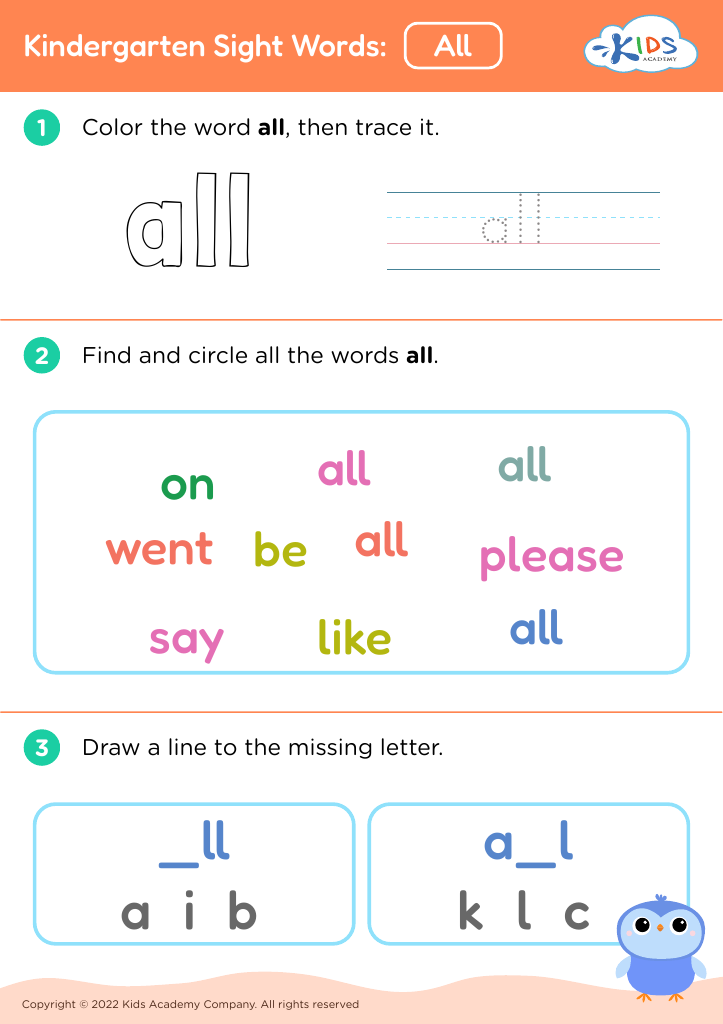
Kindergarten Sight Words: All

Kindergarten Sight Words: All

Kindergarten Sight Words: All
Worksheet
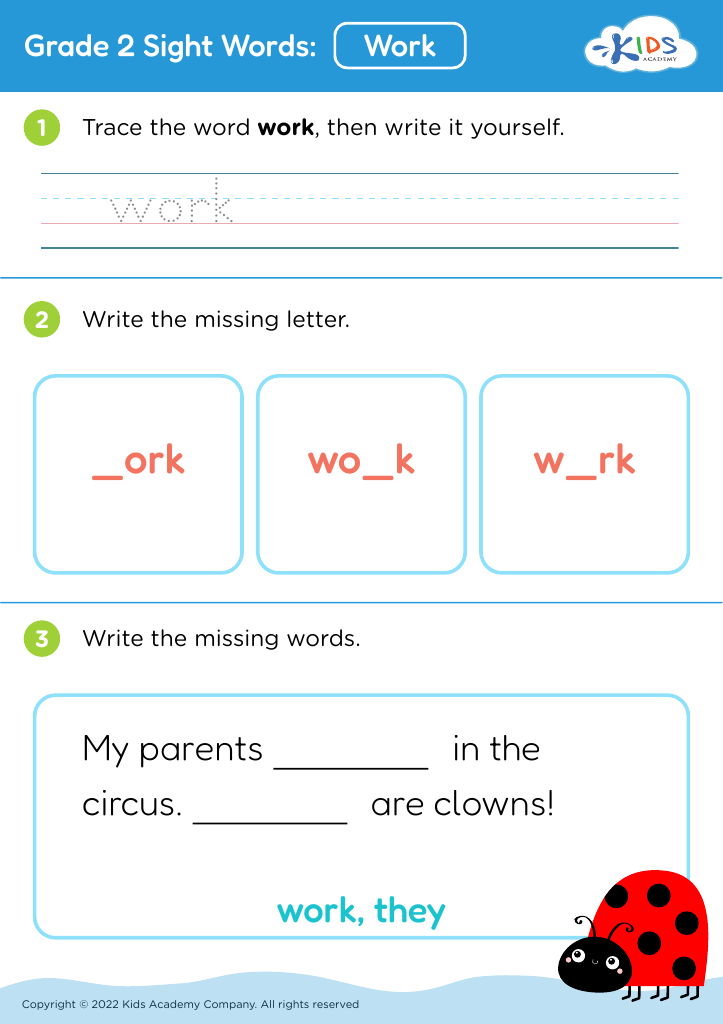
Grade 2 Sight Words: Work

Grade 2 Sight Words: Work

Grade 2 Sight Words: Work
Worksheet


Comparing fractions is a foundational skill that supports children's overall mathematical understanding, making it crucial for parents and teachers to focus on this topic for ages 4-8. During these formative years, children are building their number sense and developing the ability to think critically about numbers and relationships. By engaging with comparing fractions, children learn to recognize patterns, understand size relationships, and foster logical reasoning.

Additionally, engaging with comparing fractions introduces essential vocabulary and concepts, such as greater than, less than, and equal to. This early exposure encourages mathematical discourse among children, promoting communication skills and collaborative learning. Furthermore, developing an understanding of fractions can boost confidence as children gain the ability to solve real-world problems involving sharing and division, which they encounter in daily life contexts.

Parents and teachers can use visual aids, interactive games, and hands-on activities to make learning engaging. As children grasp the concept of comparing fractions, they build a solid mathematical foundation that will benefit them as they progress in their education. Investing time and resources in this topic ensures students are well-prepared for future challenges in mathematics and enhances their critical thinking abilities.