Pattern recognition Reading Worksheets for Ages 4-8
4 filtered results
-
From - To
Welcome to our engaging "Pattern Recognition Reading Worksheets for Ages 4-8," designed to enhance young learners' literacy skills! At Kids Academy, we understand the importance of pattern recognition in reading development. Our worksheet collection offers fun and interactive activities that help children identify and create patterns through shapes, letters, and words. These worksheets nurture critical thinking, boost comprehension, and make learning to read exciting. Tailored for early learners, each worksheet encourages creativity and enhances visual discrimination. Perfect for classroom or home use, our resources will set the foundation for a lifelong love of reading. Explore our worksheets today to help your child succeed!
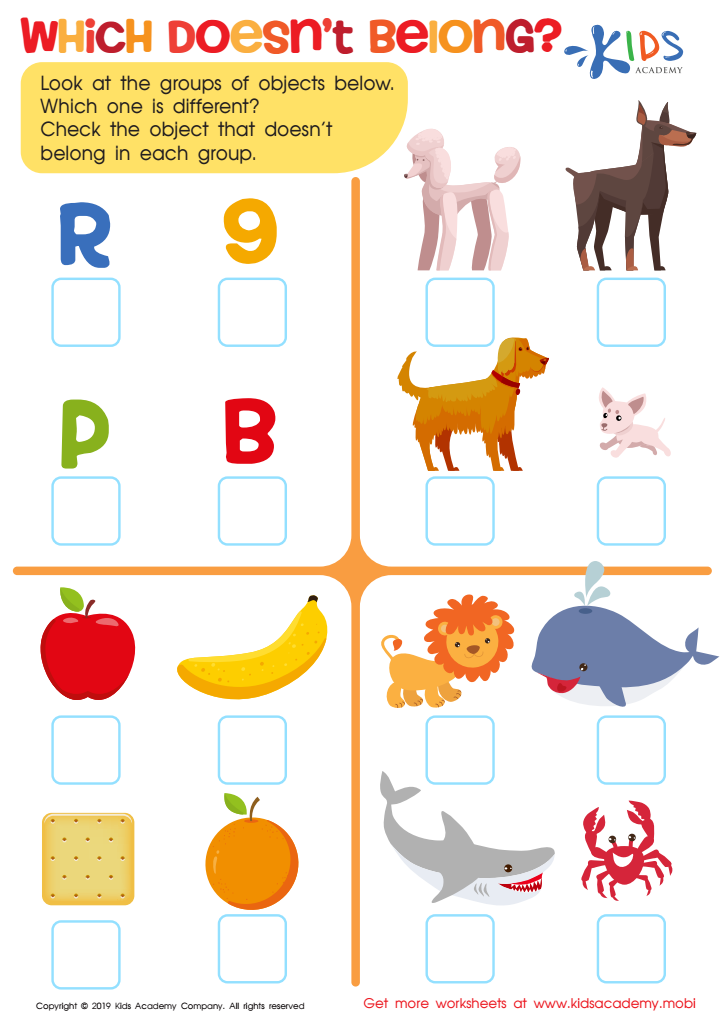
Which Doesn't Belong? Worksheet
 Assign to My Students
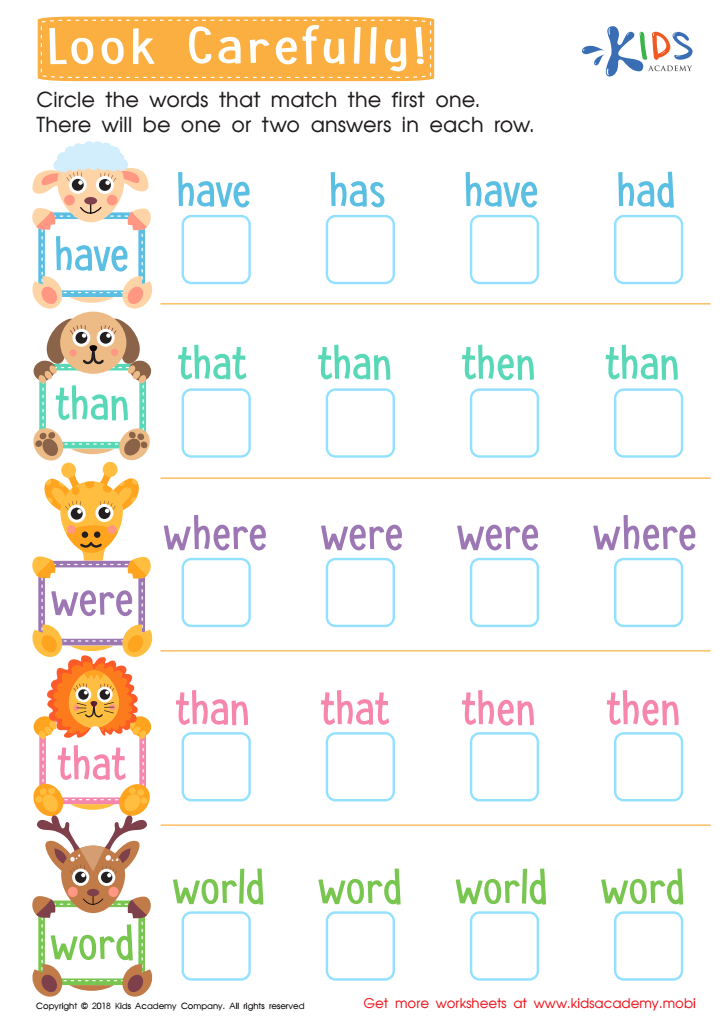
Look Carefully Worksheet
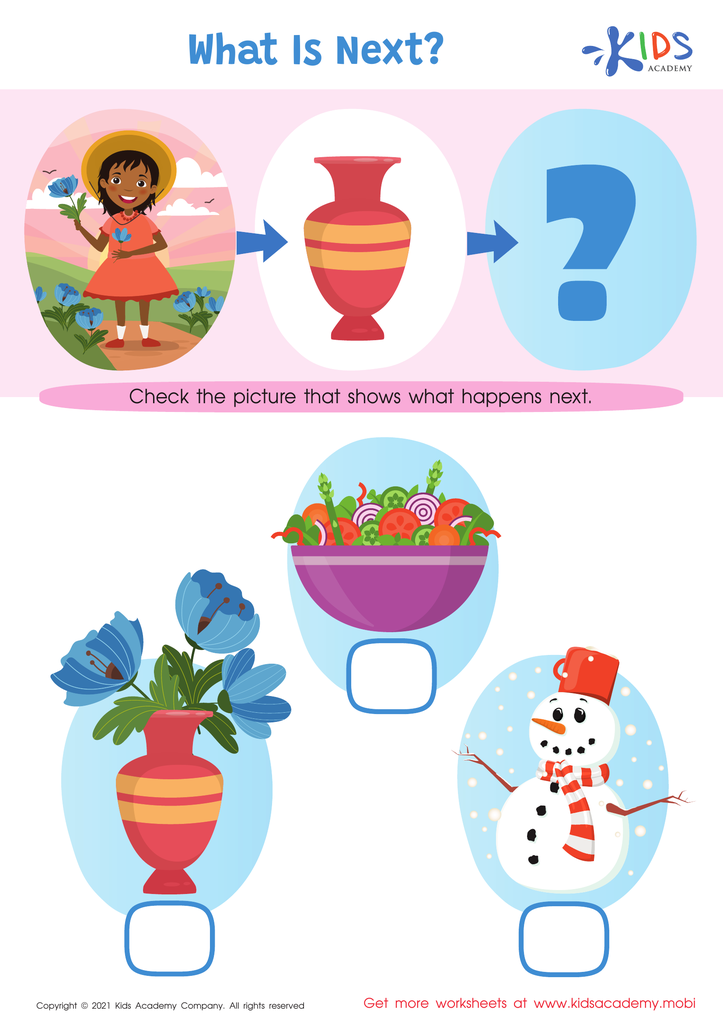
What is Next? Worksheet
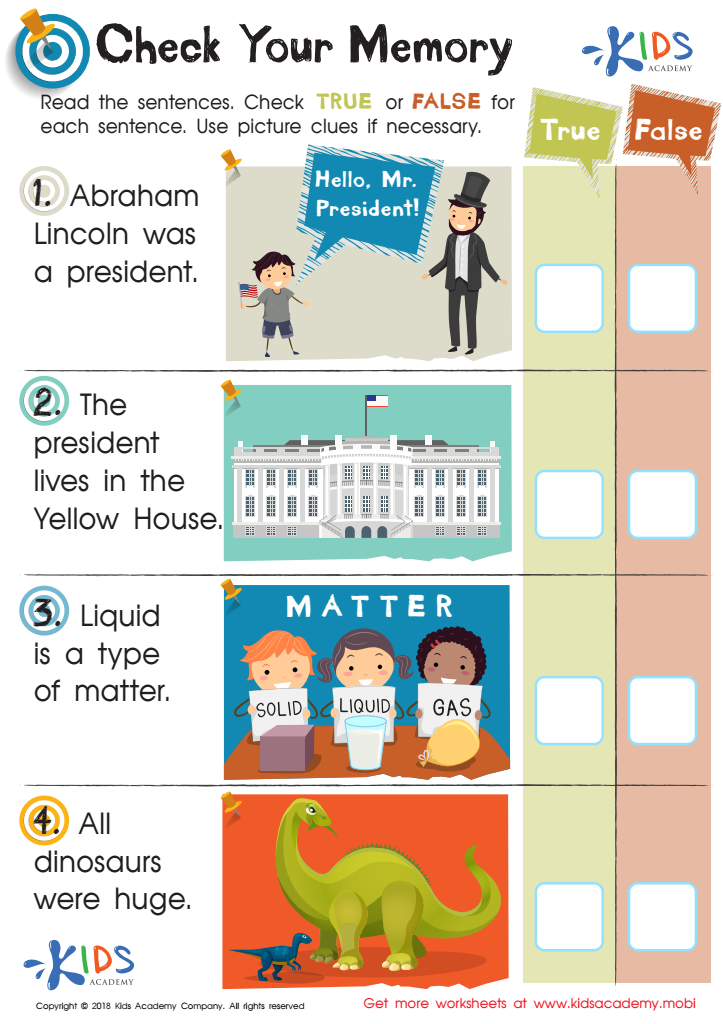
Check Memory Worksheet








Pattern recognition in reading is a crucial skill for children aged 4 to 8, as it lays the foundation for their literacy development. At this age, children are naturally curious and begin to decode letters, sounds, and words. Understanding patterns helps them recognize familiar sentence structures, rhymes, and repeating phrases, which accelerates their fluency and comprehension.
By teaching young learners to identify patterns, parents and teachers can foster a love for reading, as children are more likely to engage with stories that feel familiar or predictable. This approach not only enhances vocabulary but also boosts memory retention, making it easier for children to recall and understand texts.
Moreover, strong pattern recognition skills encourage critical thinking. As children learn to predict outcomes, infer meanings, and connect ideas, they develop cognitive abilities that extend beyond reading. Supporting these skills early on can pave the way for academic success in all subjects, fostering a lifelong appreciation for learning.
Ultimately, investing time in pattern recognition reading prepares children for more complex literacy challenges ahead, ensuring they become confident readers equipped with essential comprehension strategies that will benefit them throughout their education. Educators and parents play a vital role in nurturing these skills during this formative age.








