
Recognizing Patterns Reading Worksheets for Ages 4-8
5 filtered results
Difficulty Level
Grade
Age
-
From - To
Subject
Activity
Standards
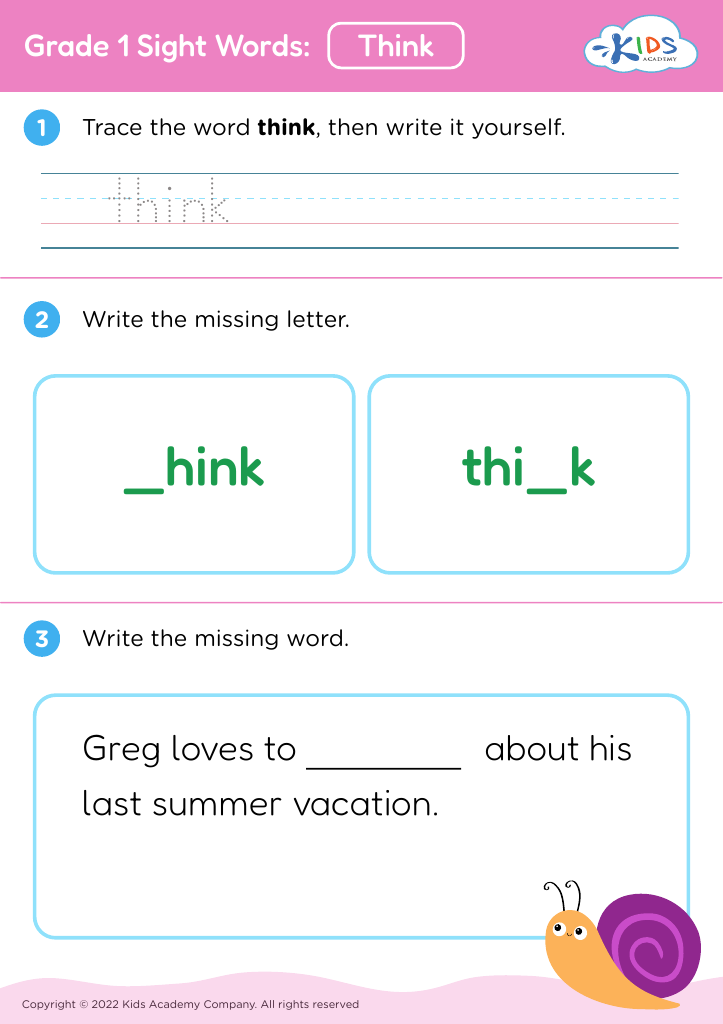
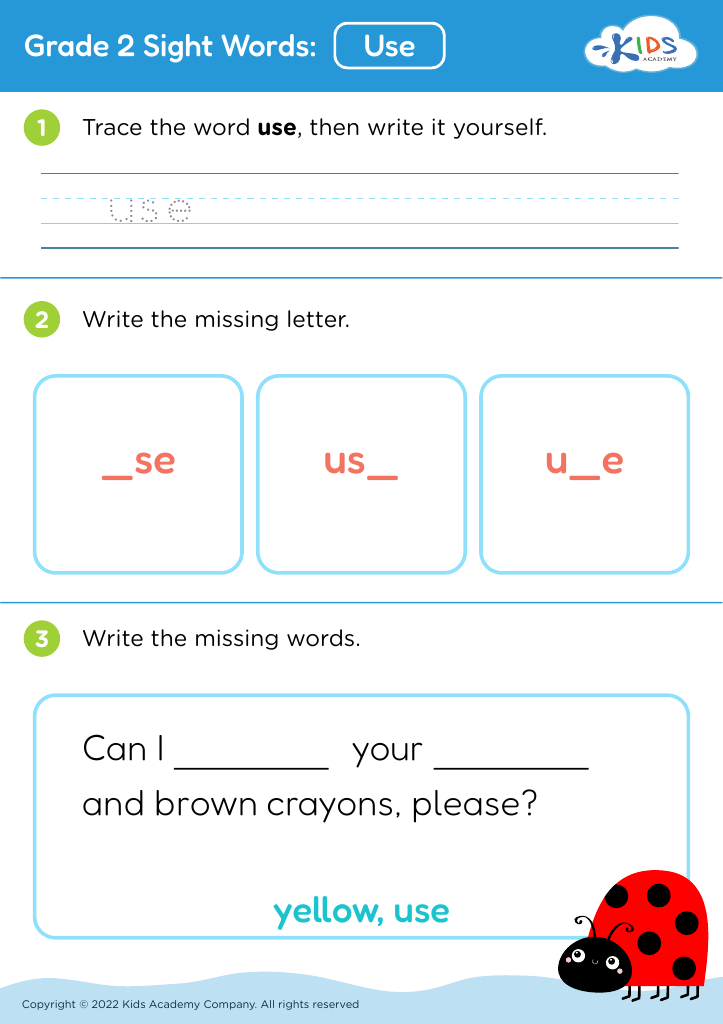
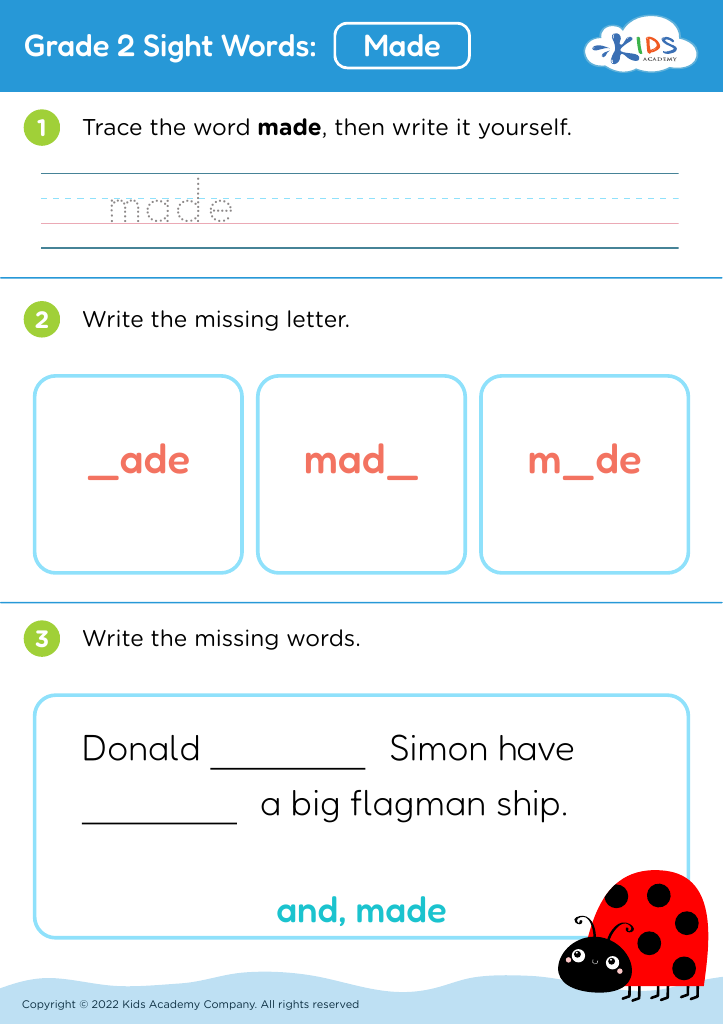
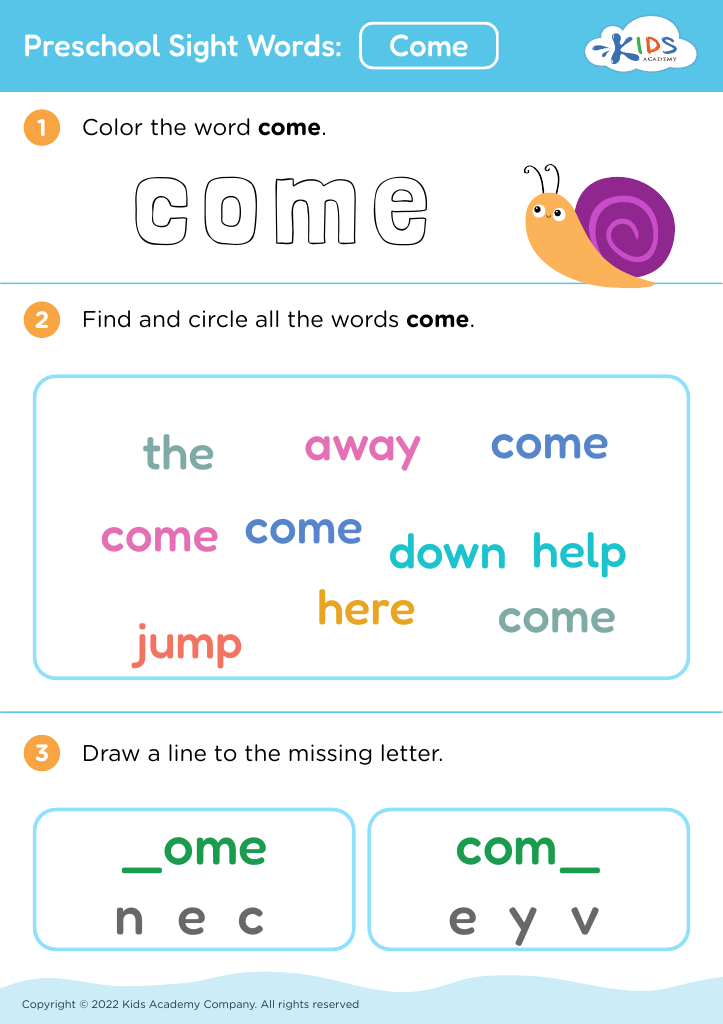
Discover the joy of learning with our Recognizing Patterns Reading Worksheets for ages 4-8. These engaging printables are designed to enhance early reading skills through fun recognition exercises. Young learners will identify sequences and relationships in texts, improving their comprehension and critical thinking. Colorful and interactive, our worksheets capture children’s interest, making learning an enjoyable process. They help build a strong foundation in reading by developing keen observation and predicting abilities. Suitable for home or classroom use, our pattern recognition worksheets are perfect for fostering a love of reading in young minds. Start your child's educational journey with us today!
Favorites
With answer key
Interactive
Join Kids Academy for Free
Who is primarily going to use this learning content?








Recognizing patterns is a fundamental skill that parents and teachers should emphasize for children aged 4-8, as it lays the groundwork for critical cognitive development. This age range is crucial as children's brains are incredibly receptive to learning and formulating connections. Recognizing patterns enhances children's predictive skills, allowing them to make informed guesses about what comes next, which is essential for reading comprehension, math, and problem-solving.
When children identify patterns, they develop a sense of structure and order, which is fundamental in understanding grammar, sentence structure, and story sequencing in reading. Patterns in letter combinations, word families, and story plots improve their reading fluency and comprehension. Moreover, familiar patterns help young kids tackle unknown words, making reading less daunting and more enjoyable.
In math, recognizing patterns underpins concepts like number sequences, arithmetic operations, and geometry. Activities with patterns enhance critical thinking and analytical skills, helping children understand and predict mathematical relationships. Beyond academic subjects, recognizing patterns aids in daily life skills such as organizing, categorizing, and planning.
Incorporating pattern recognition in early childhood education fosters a mindset of curiosity and discovery, which is essential for lifelong learning. By engaging children with pattern-related activities, parents and teachers support a foundation for academic success and critical thinking.








