
Understanding directions Reading Worksheets for Ages 4-8
3 filtered results
Difficulty Level
Grade
Age
-
From - To
Subject
Activity
Standards
Unlock the potential of young readers with our "Understanding Directions" reading worksheets, specially designed for ages 4-8. These engaging worksheets help children enhance their reading comprehension by following step-by-step instructions, improving their ability to interpret and act on given directions. Our carefully crafted activities support cognitive development, attention to detail, and critical thinking. Perfect for early learners, these worksheets make learning fun and interactive. Visit Kids Academy to access a wide range of resources tailored to foster essential reading skills and boost your child's confidence in understanding and following directions. Start your learning journey today!
Favorites
With answer key
Interactive
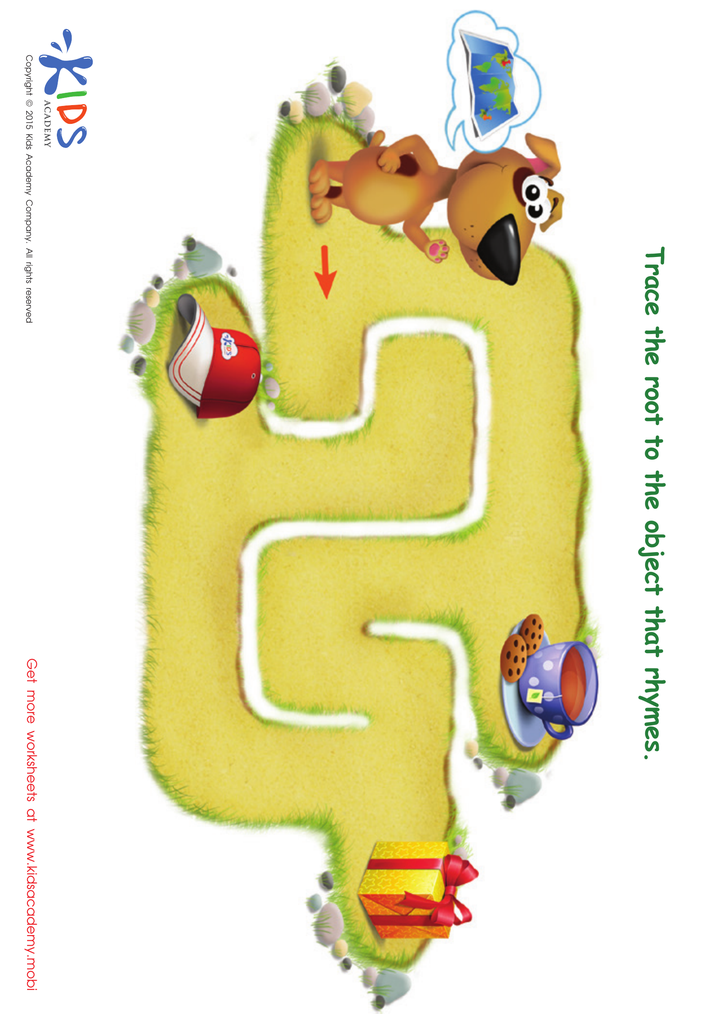
Map Rhyming Words Worksheet
Get them now and practice your skills while having fun playing. Find words that rhyme, trace the roots and enjoy the journey!
Map Rhyming Words Worksheet
Worksheet
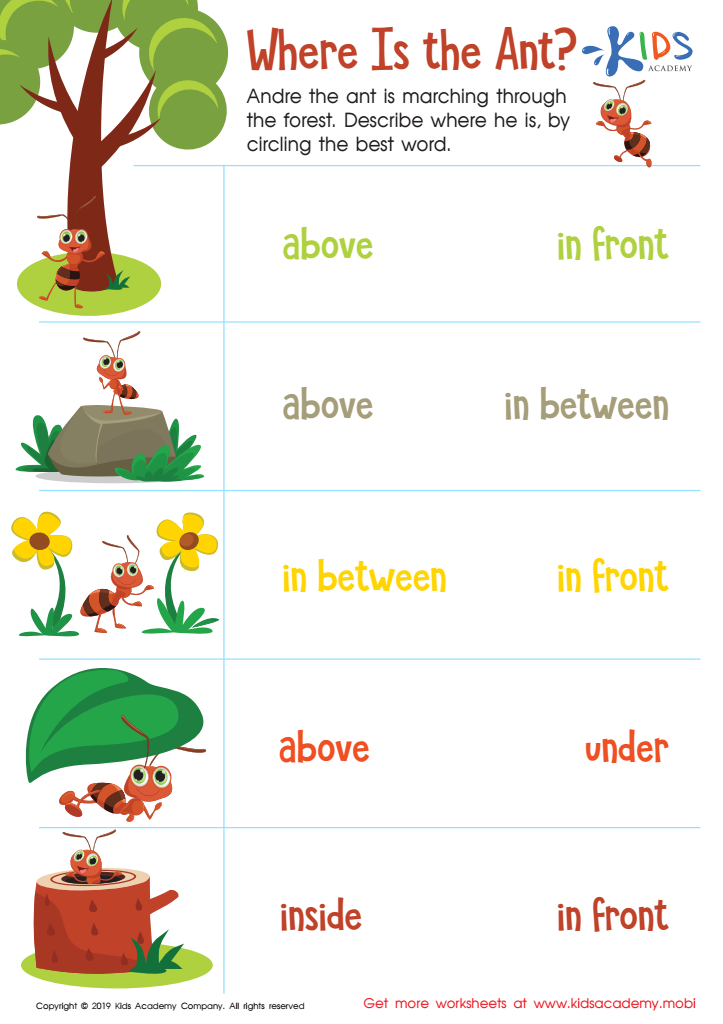
Where Is the Ant? Worksheet
Kids are captivated by ants. Andre is a busy ant, marching through the forest. Help your child circle the best word that best describes what he's doing in each picture. This colorful printout will show them the way.
 Assign to My Students
Where Is the Ant? Worksheet
Worksheet
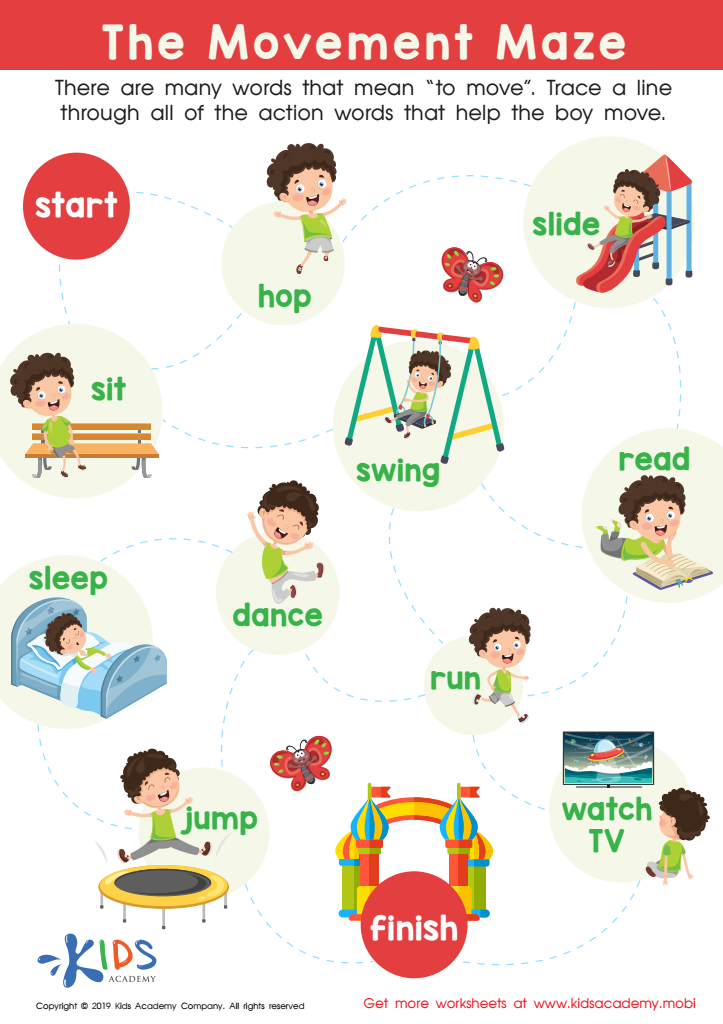
The Movement Maze Worksheet
Let your child have fun with this interactive PDF download. Kids will learn movement words with cute pictures, plus practice fine motor skills as they trace. A fun way to reinforce vocabulary. Jump, hop and sit – it's all here!
The Movement Maze Worksheet
Worksheet
Join Kids Academy for Free
Who is primarily going to use this learning content?





.jpg)


Understanding directions is a foundational skill for children ages 4-8, serving as a cornerstone for both academic success and everyday functionality. During these formative years, the ability to interpret and follow simple to complex instructions significantly impacts a child's cognitive development, social interactions, and self-confidence.
Firstly, in a classroom setting, the ability to understand directions is crucial for learning new concepts, participating in activities, and staying organized. For instance, activities that involve following steps, such as coloring within lines or building a simple structure, aid in developing fine motor skills and spatial awareness. These tasks also require attention and listening skills, which are vital for future academic endeavors.
Secondly, at home, following directions helps children manage daily routines, understand family rules, and contribute positively to household chores. This fosters a sense of responsibility and independence, boosting their confidence.
Furthermore, social interactions are significantly enhanced when children can comprehend and respond to directions during play with peers. This ability ensures smoother collaborations and enhances their ability to engage in cooperative play, which is crucial for developing social skills.
Thus, both parents and teachers need to support and emphasize understanding directions in young children, as it lays the groundwork for organized, responsible, and socially adept individuals.








