
Understanding patterns Reading Worksheets for Ages 4-8
8 filtered results
Difficulty Level
Grade
Age
-
From - To
Subject
Activity
Standards
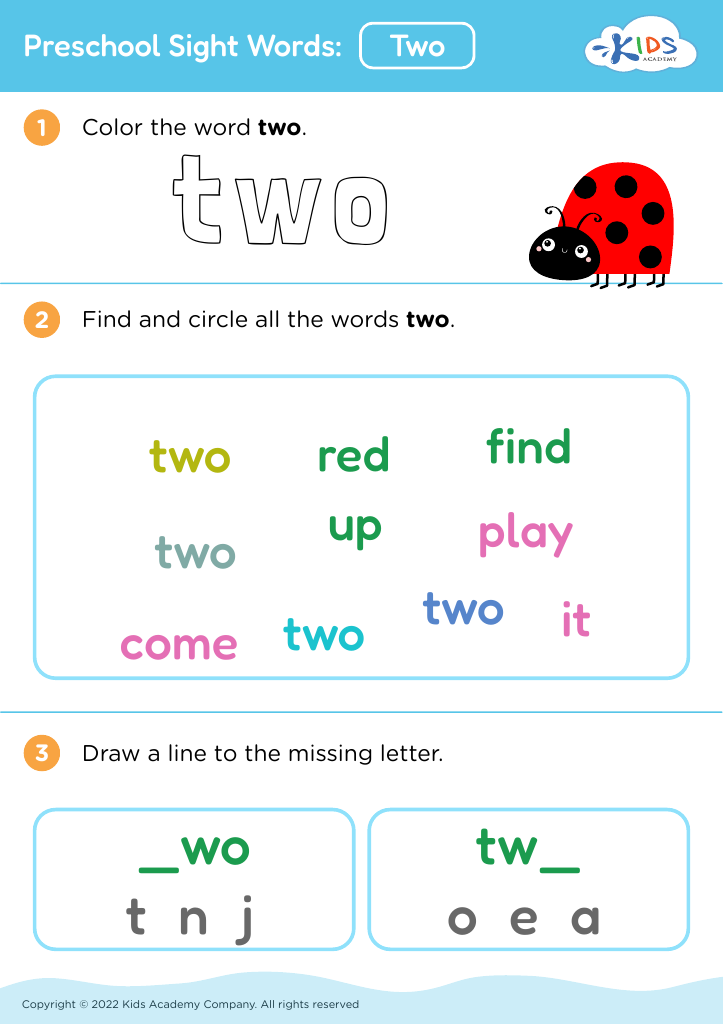
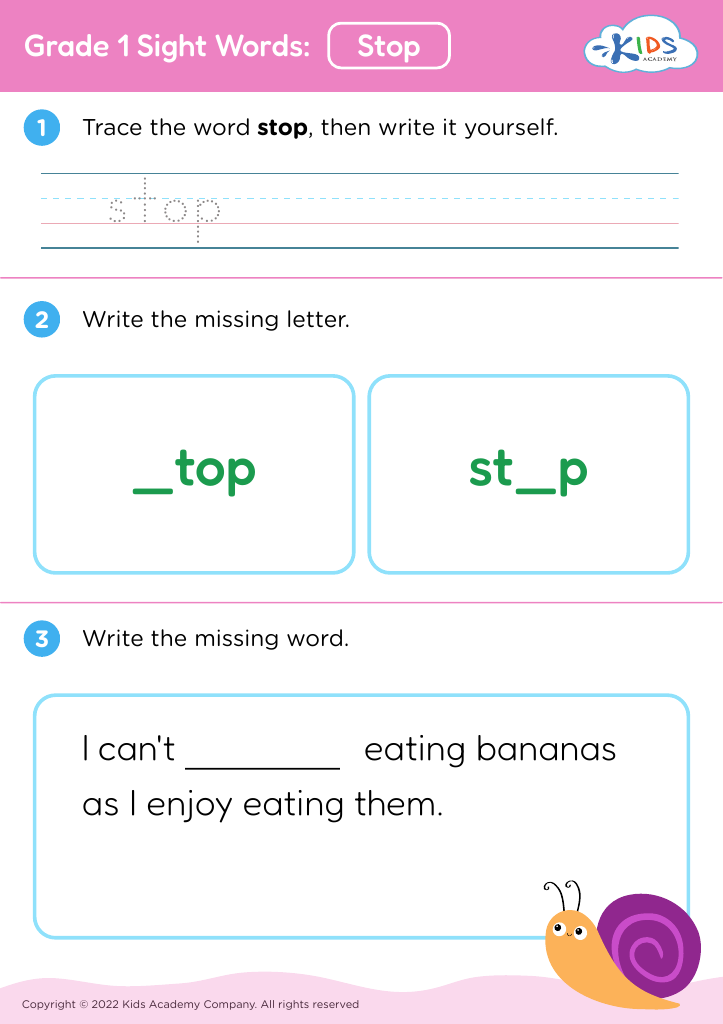
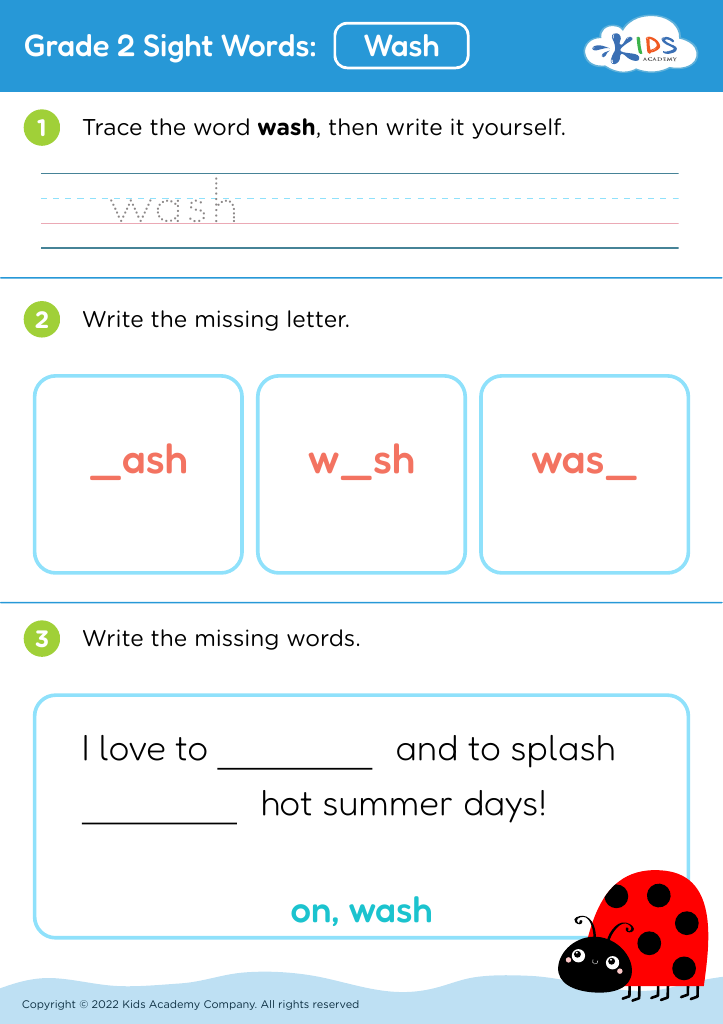
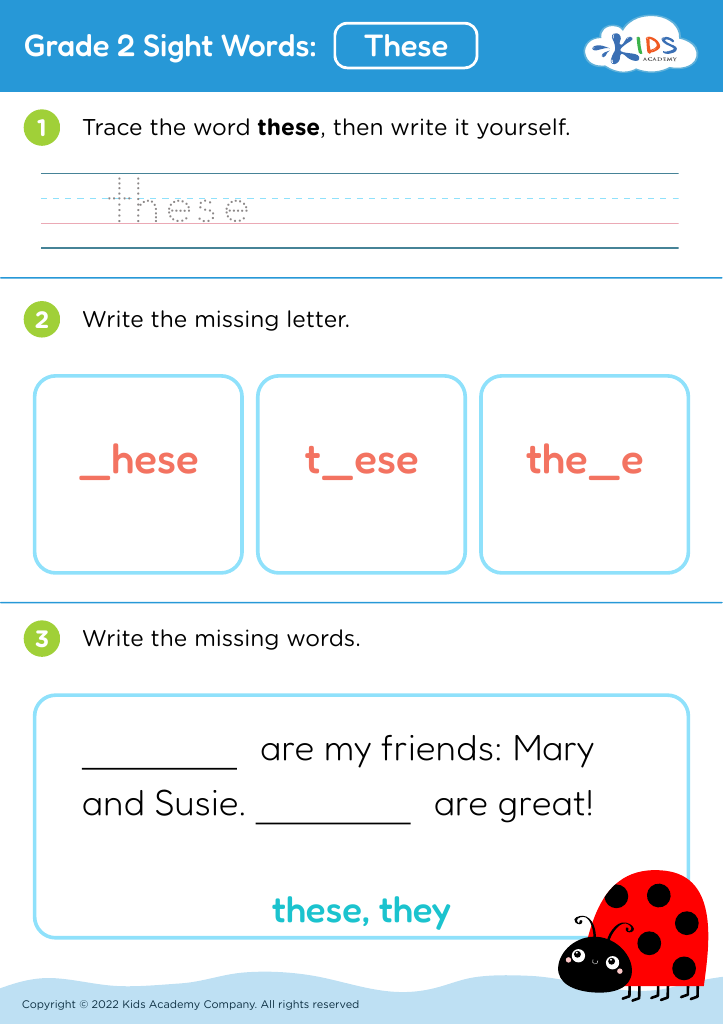
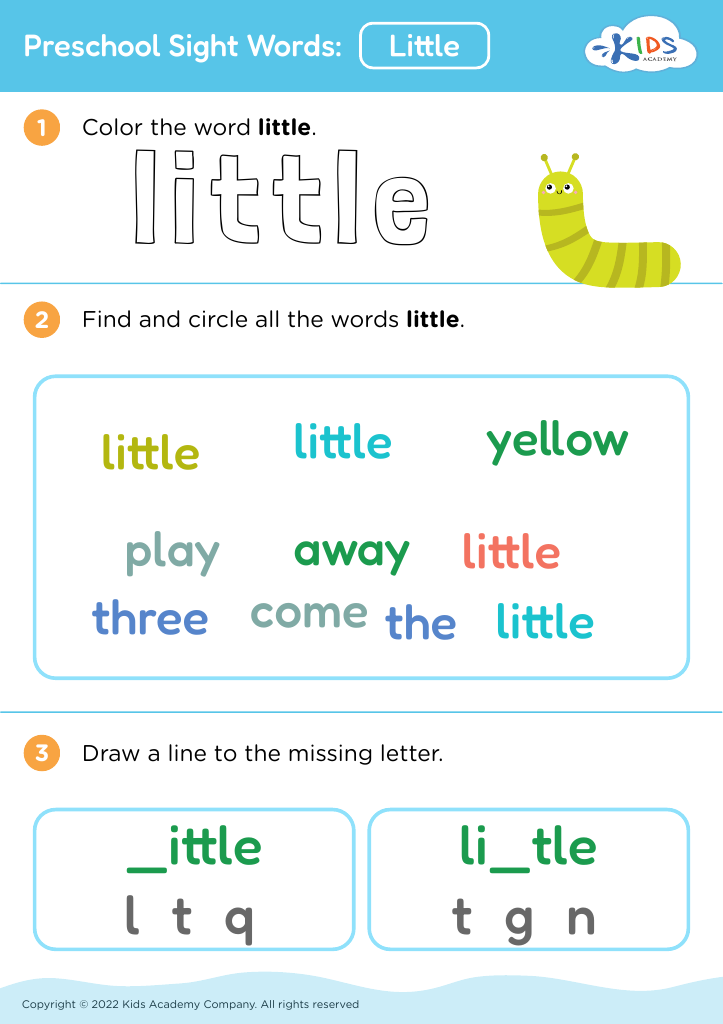
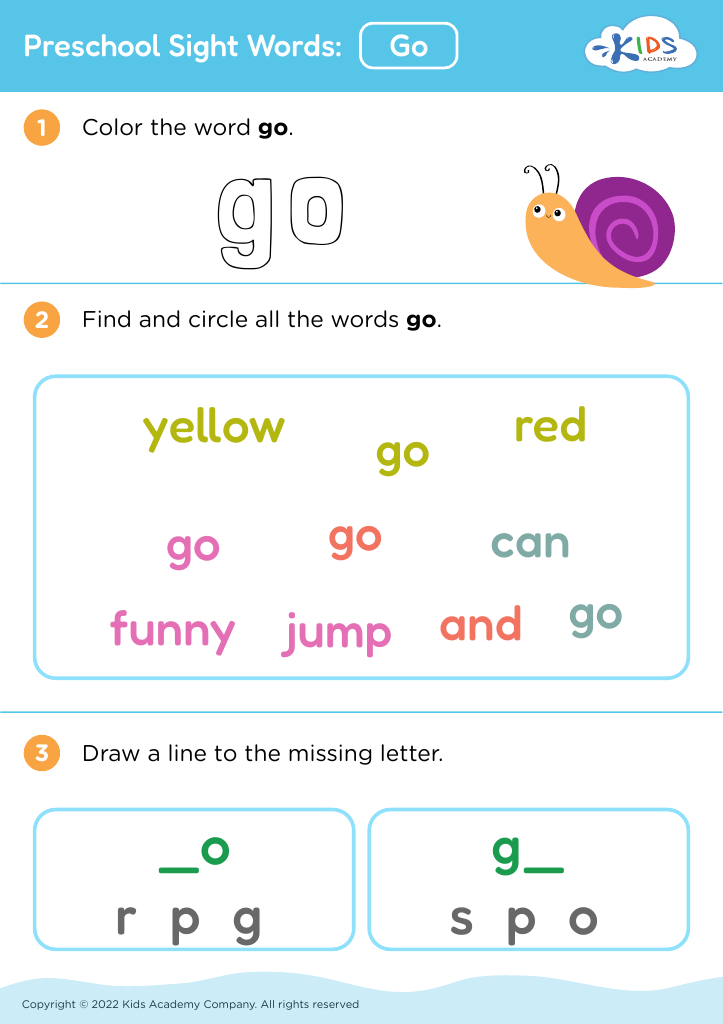
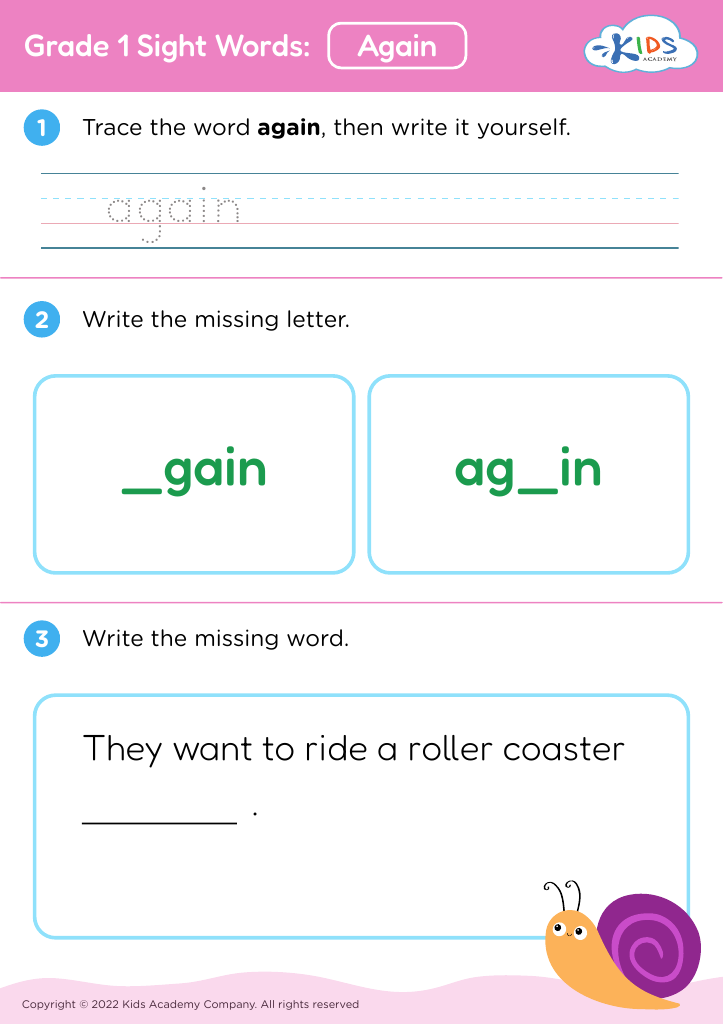
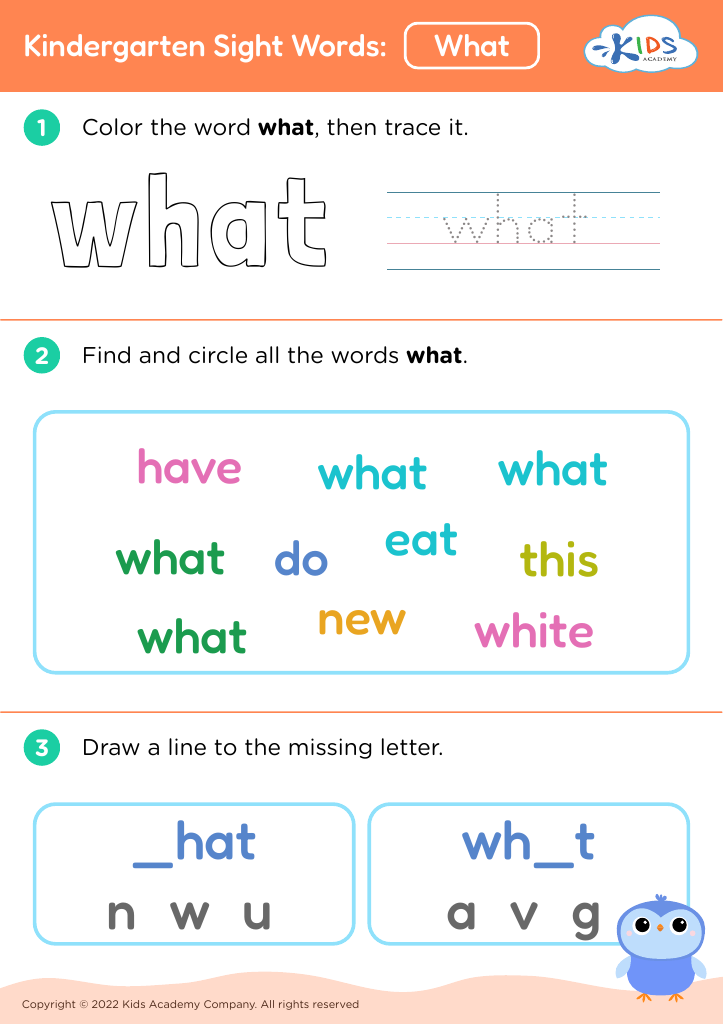
Unlock the world of reading with our "Understanding Patterns" worksheets, designed specifically for kids aged 4-8. These engaging resources help young learners identify and explore patterns in texts, an essential skill for enhancing comprehension and literacy. Each worksheet features fun activities that encourage children to recognize sequences, rhymes, and repetitions in stories. By practicing with our thoughtfully crafted materials, children will boost their reading skills while enjoying interactive learning experiences. Ideal for homeschooling, classroom settings, or supplementary practice at home, these worksheets are the perfect tool to foster a love for reading and develop critical thinking abilities in early learners.
Favorites
With answer key
Interactive
Join Kids Academy for Free
Who is primarily going to use this learning content?


.jpg)





Understanding patterns in reading is essential for children aged 4-8 as it lays a vital foundation for their literacy development. As parents and teachers, recognizing the importance of patterns can significantly enhance a child's reading comprehension and fluency.
Patterns in language often involve phonetic structures, repetitive phrases, and rhyme. By acknowledging these patterns, children start to predict words, make connections between sounds and letters, and relate familiar concepts across different texts. This helps boost their confidence and encourages a love for reading as they experience success in recognizing and understanding written language.
Moreover, understanding patterns supports critical thinking skills. Children learn to analyze, compare, and contrast information, which is crucial for broader academic achievement across all subjects. Engaging with repetitive and patterned texts, such as nursery rhymes and storybooks, allows children to develop their vocabulary and cognitive abilities while enjoying themselves.
Additionally, when parents and teachers emphasize patterns in reading, they foster an interactive learning environment. Their involvement nurtures a child's curiosity, motivates them to explore new texts, and ultimately leads to lifelong learning habits. Thus, promoting an awareness of patterns is beneficial for holistic child development and essential for nurturing competent, enthusiastic readers.








