Understanding Sequences Reading Worksheets for Ages 4-8
4 filtered results
-
From - To
Introduce young learners to the systematic world of reading with our “Understanding Sequences” worksheets, designed specifically for ages 4-8. These dynamic worksheets guide children through essential sequencing skills, enabling them to grasp the order of events in stories and routines. By focusing on this foundational aspect of literacy, kids not only improve their reading comprehension but also enhance their logical thinking. Engaging activities featuring fun illustrations and relatable scenarios make learning sequence both enjoyable and meaningful. Empower your child to become a competent and confident reader with our easy-to-use printable worksheets that turn learning into an exciting adventure.
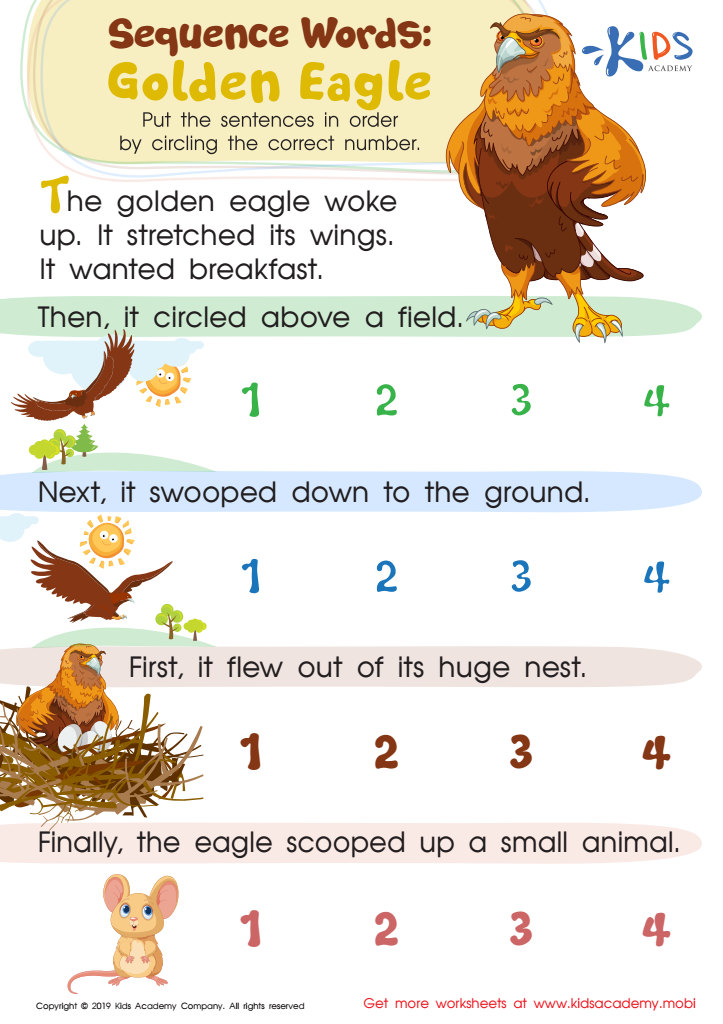
Sequence Word Eagle Worksheet
 Assign to My Students
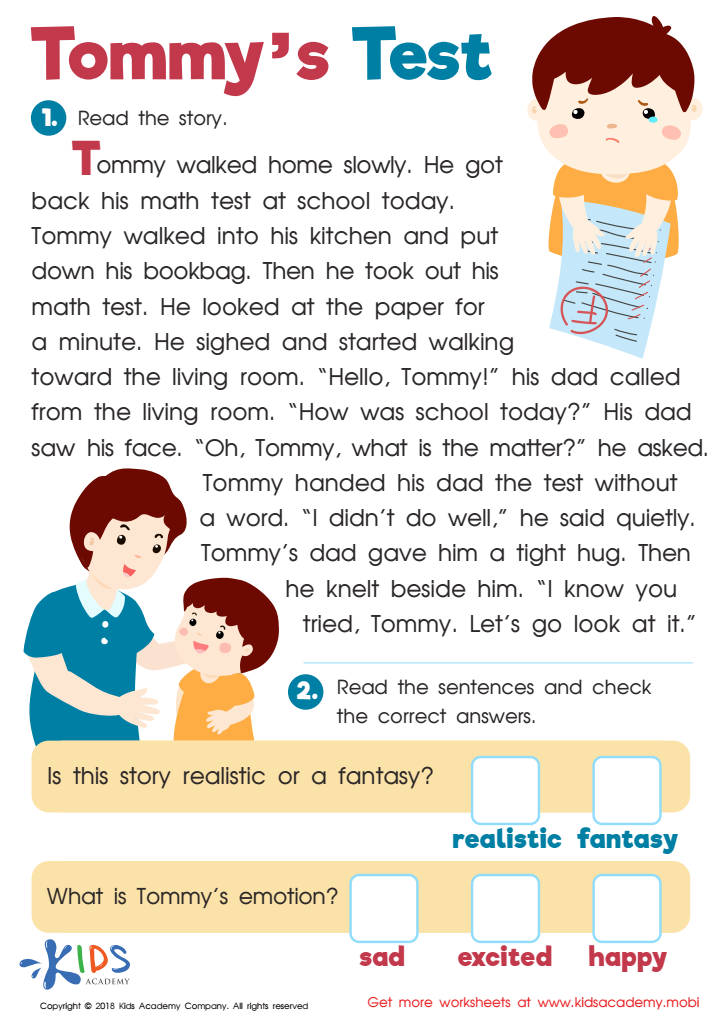
Tommys Test Worksheet
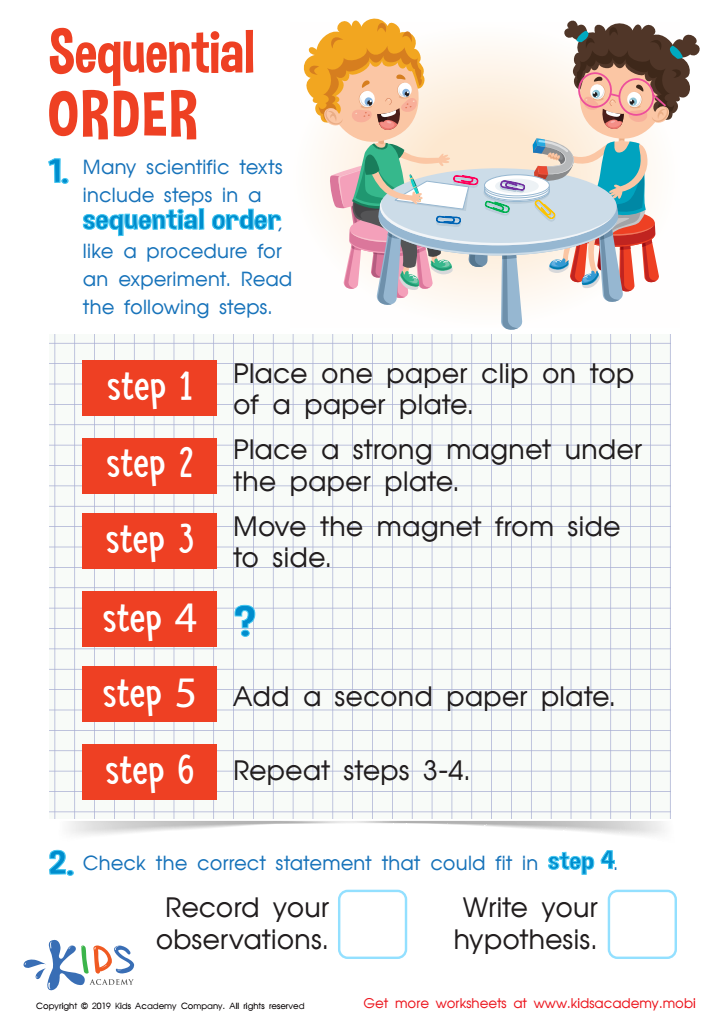
Sequencential Order Worksheet
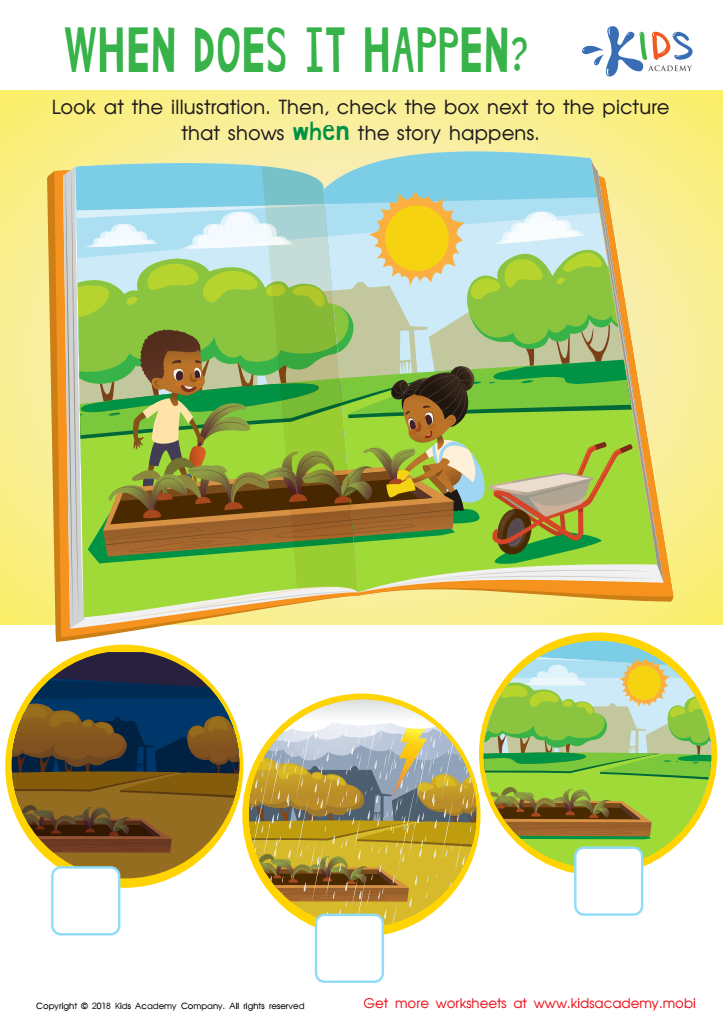
When Does It Happen? Worksheet


.jpg)
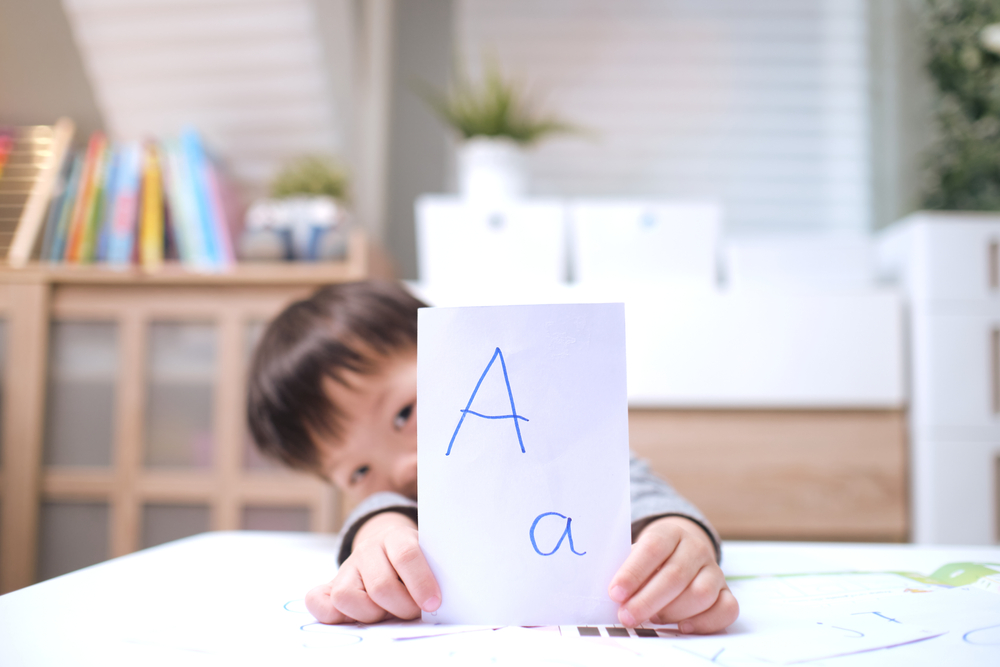




Understanding sequences in reading is foundational for developing strong literacy skills among children aged 4-8. Sequencing, which involves the ability to recognize and order events, helps children grasp the structure of stories, fostering both comprehension and memory. For young children, recognizing sequences in stories enables them to predict upcoming events, follow plot progressions, and understand cause-and-effect relationships.
Parents and teachers should prioritize sequencing because it enhances children's critical thinking and problem-solving abilities. When young learners identify what comes first, next, and last, they are practicing analytical skills transferable to other academic subjects and real-life situations. Sequencing also aids in language development, as it encourages the use of transitional words like “first,” “then,” and “finally.” This builds their narrative skills and enriches their expressive vocabulary.
Engaging preschoolers in sequencing activities, such as arranging picture cards or retelling stories, equips them with the confidence to tackle more complex texts as they advance in school. Recognizing the importance of understanding sequences nurtures lifelong reading habits and helps children build a robust foundation for achieving academic success. By focusing on sequencing, parents and teachers empower children to become proficient readers and effective communicators.








