Character analysis Reading Fiction Worksheets for Ages 4-8
5 filtered results
-
From - To
Introduce young readers to the magic of stories with our "Character Analysis Reading Fiction Worksheets"! Designed for ages 4-8, these engaging printables help kids explore the hearts and minds of their favorite characters. Through fun activities, children will learn to identify and describe character traits, understand motivations, and connect with the heroes and heroines of the tales they read. Enhance their comprehension skills and fuel their imagination during every reading session. Perfect for classrooms or home learning, our worksheets make character analysis a delightful adventure for early learners. Start the journey to confident reading today!
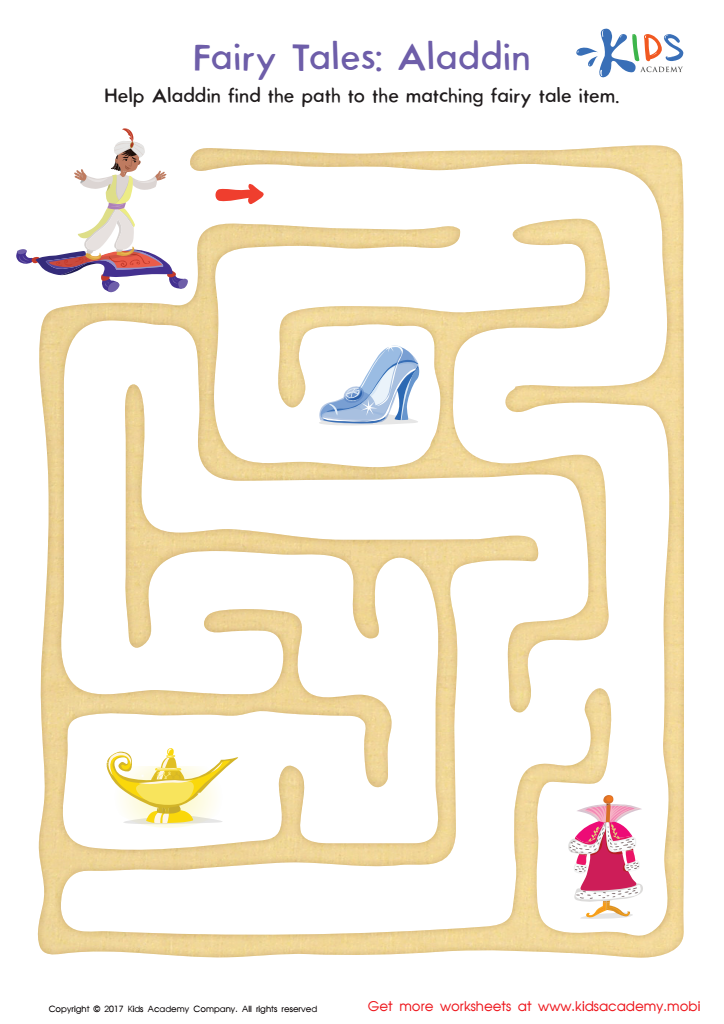
Fairy Tales Aladdin Printable
 Assign to My Students
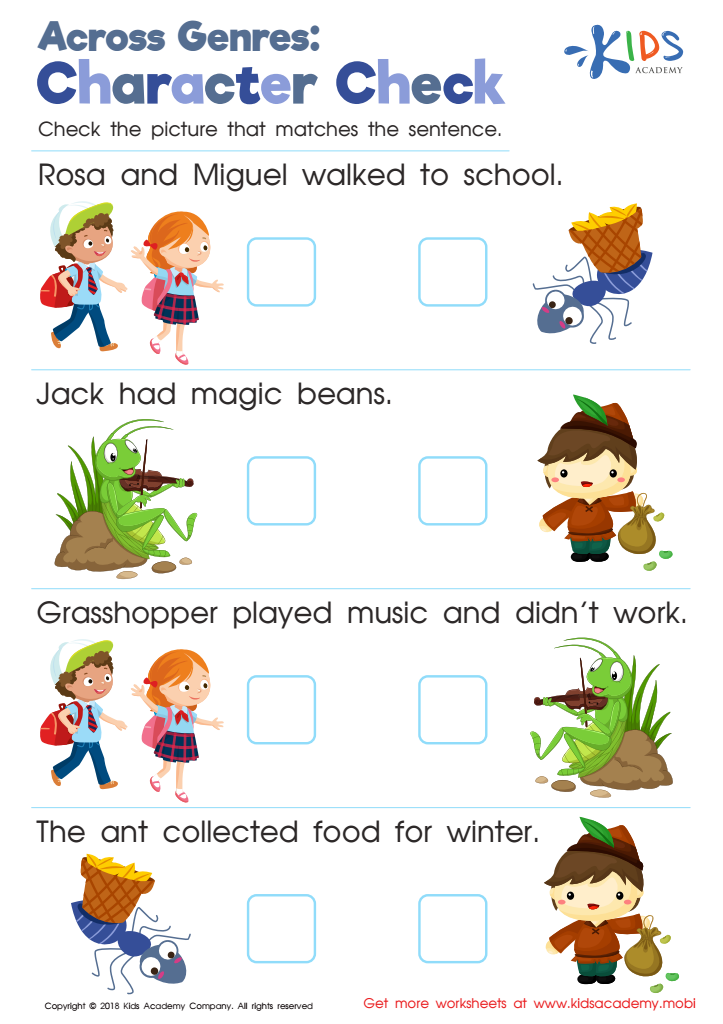
Across Genres: Character Check Worksheet
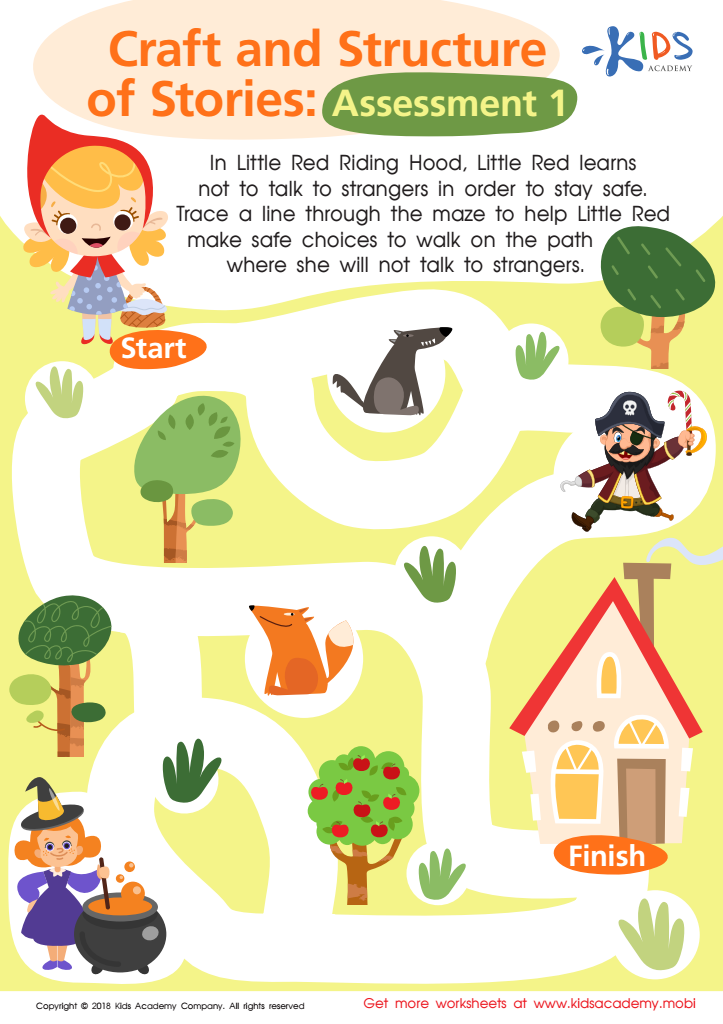
Craft and Structure of Stories: Assessment 1 Worksheet
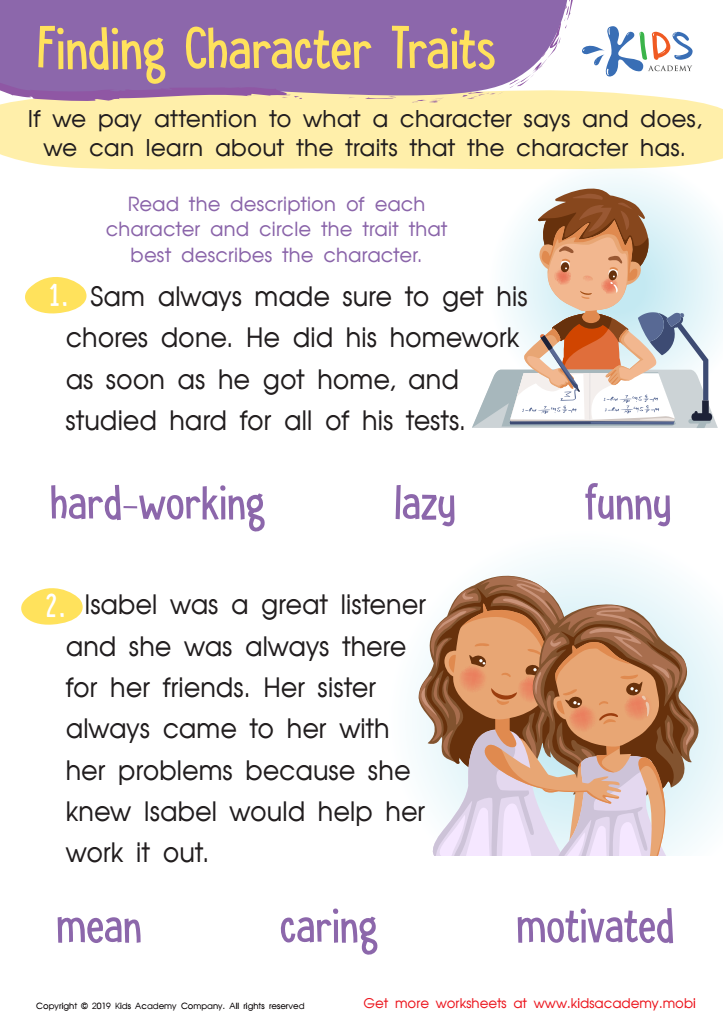
Finding Character Traits Worksheet
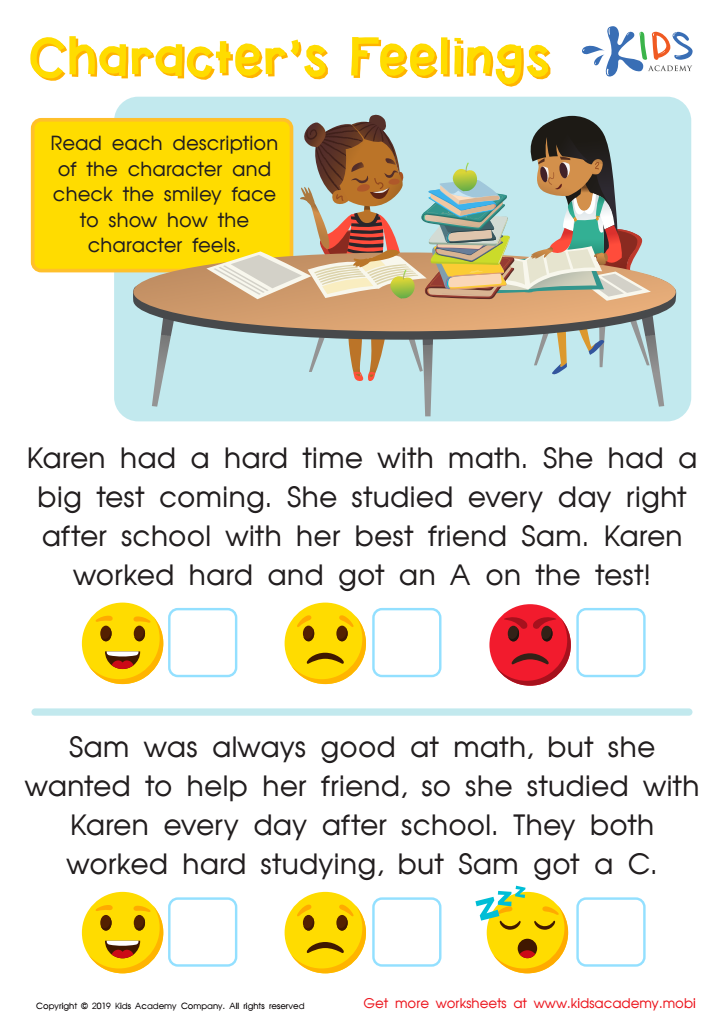
Character’s Feelings Worksheet







Character analysis in reading fiction for children aged 4-8 is essential for several reasons. Firstly, it aids in the development of empathy. When young children analyze characters, they learn to understand and share the feelings of others, a critical social skill. Additionally, character analysis enhances comprehension. By delving into what drives a character’s actions and decisions, children deepen their understanding of the story, thereby improving their critical thinking and retention skills.
Secondly, this practice enriches vocabulary and expressive language. Encountering a variety of characters introduces children to new words and ways of expressing emotions and actions, expanding their linguistic capabilities. Analyzing how different characters speak and behave encourages dynamic and thoughtful language use.
Furthermore, character analysis supports moral and ethical development. Discussing traits like kindness, bravery, or honesty helps children distinguish right from wrong, guiding their own behavior and choices. This kind of discussion can foster valuable life lessons that resonate long after the book is closed.
Finally, it enhances engagement and makes reading a more enjoyable experience. When children relate to or become curious about a character, they are more likely to develop a love for reading, setting the foundation for lifelong learning.
In summary, encouraging character analysis in early fiction reading is invaluable for cultivating empathy, comprehension, language skills, ethical understanding, and a passion for reading.








