Information retention Reading Non-Fiction Worksheets for Ages 4-8
4 filtered results
-
From - To
Discover our engaging Information Retention Reading Non-Fiction Worksheets designed specifically for ages 4-8. These meticulously crafted resources from Kids Academy enable young learners to enhance their comprehension and memory retention skills. Through fun and interactive activities, children will explore a range of non-fiction topics, building essential reading skills while fostering a love for learning. Our worksheets encourage children to recall and process information, paving the way for academic success. Ideal for classroom or home use, these tools are perfect for parents and teachers aiming to enrich their children’s educational journey with valuable reading practices.
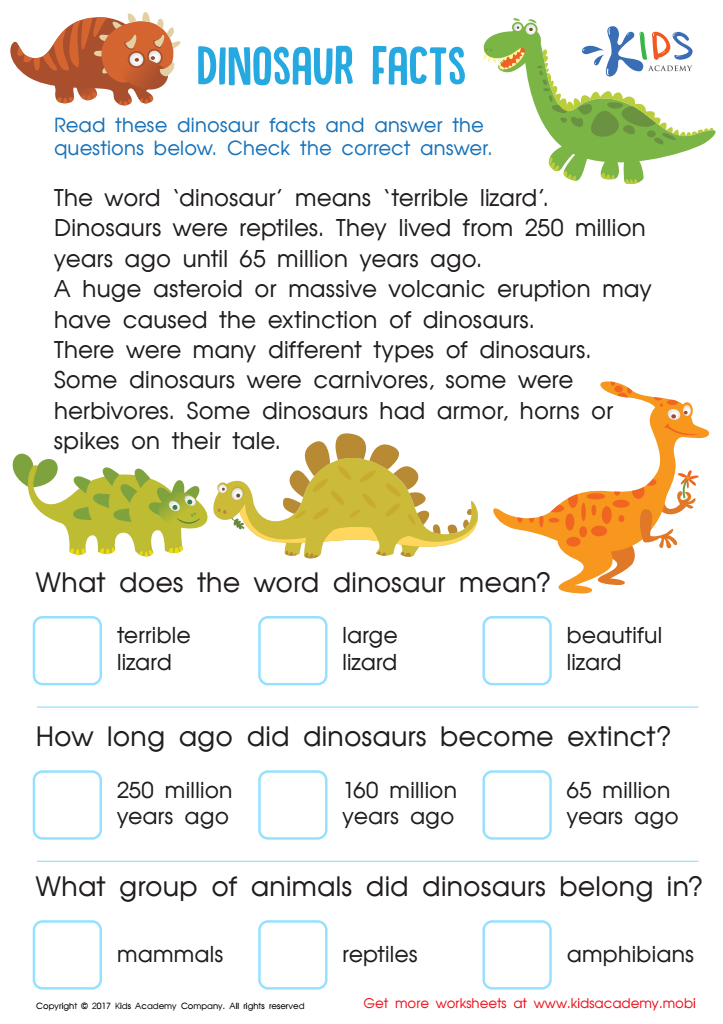
Dinosaur Facts Worksheet
 Assign to My Students
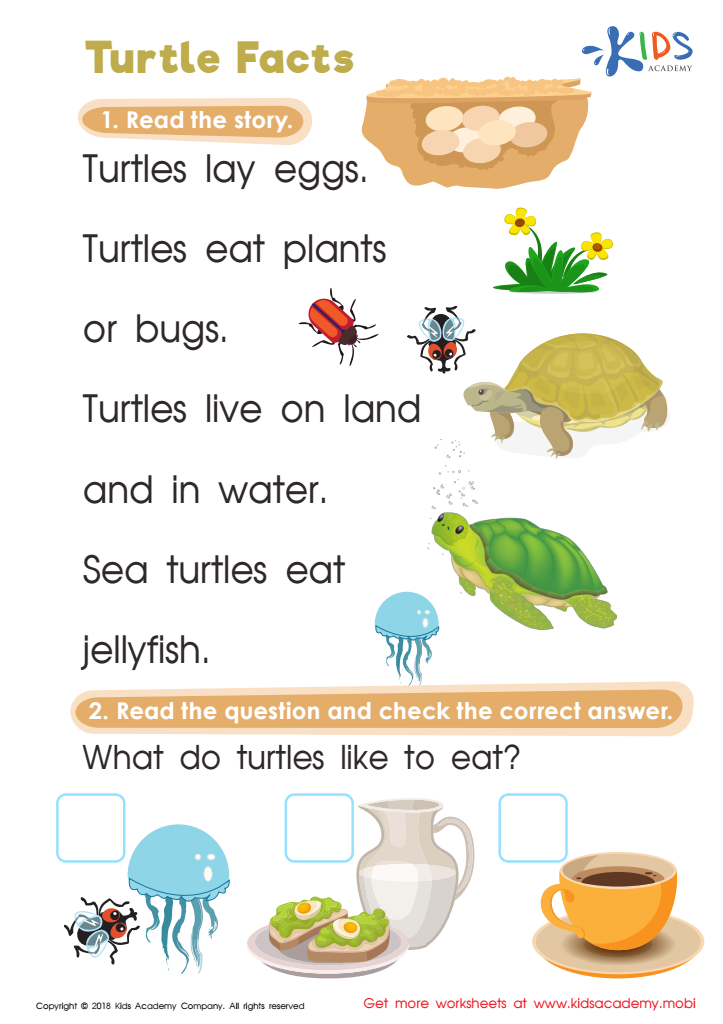
Turtle Facts Worksheet
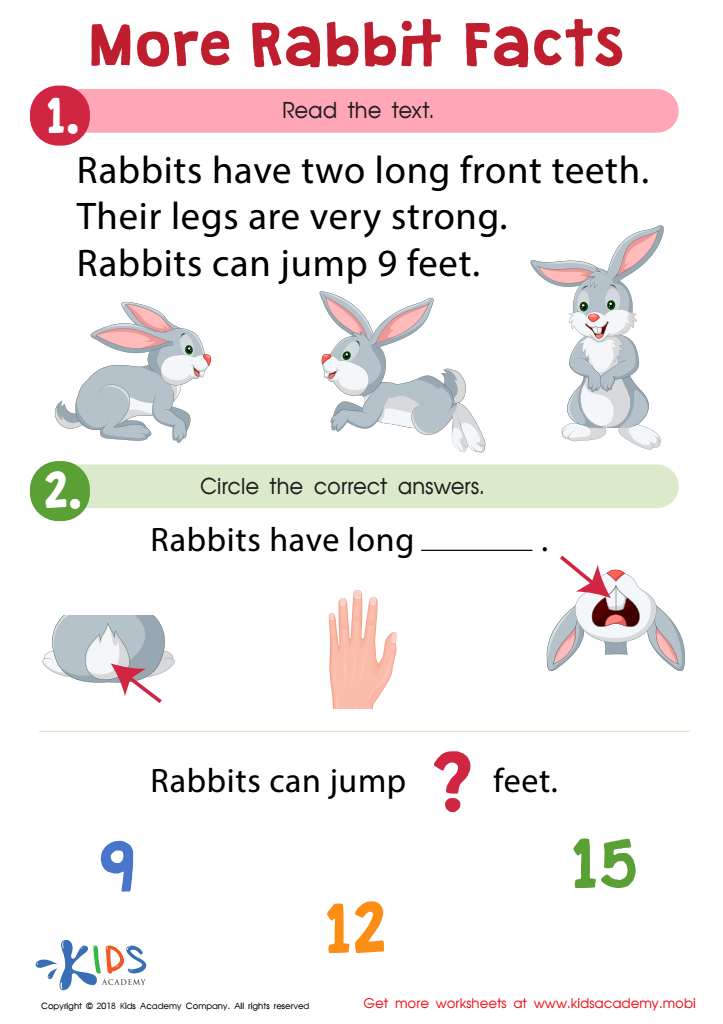
More Rabbit Facts Worksheet
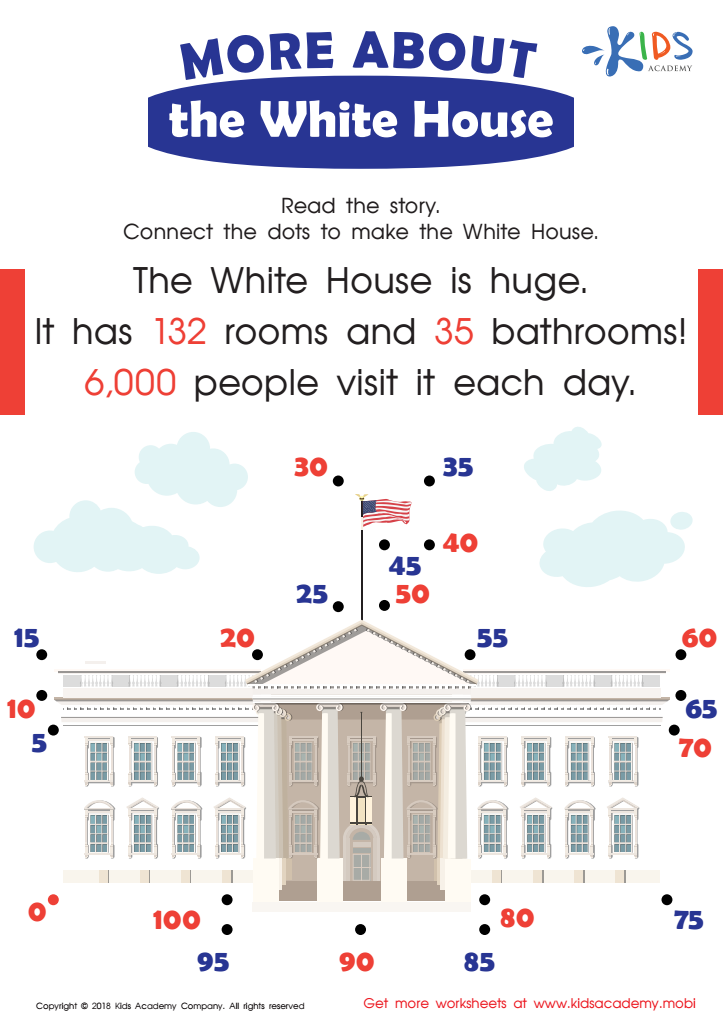
More About the White House Worksheet








Parents and teachers should care about information retention when young children read non-fiction because it is foundational to their overall learning and development. Non-fiction reading exposes children to factual information and real-world concepts, enhancing their knowledge about various subjects such as science, nature, history, and culture. At ages 4-8, children's brains are highly receptive, and this period is crucial for cognitive development.
Effective information retention fosters critical thinking and comprehension skills. When children are able to remember and understand what they read, they can make connections to their own experiences and other learned concepts, promoting deeper learning and curiosity. For instance, reading a non-fiction book about animals can spark interest in biology, leading to a lifetime of learning in that area.
Moreover, good information retention helps build a solid academic foundation. Children who master retaining non-fiction content are better prepared for the structured learning environment of formal schooling. They develop a stronger vocabulary, better grammatical understanding, and improved language skills, which are essential for efficient communication and academic success.
Parents and teachers play a crucial role in encouraging and supporting non-fiction reading by providing engaging materials and creating a stimulating learning environment. This engagement not only prepares children for future academic challenges but also nurtures a lifelong love for reading and learning.








