Critical Thinking Science Worksheets for Ages 4-8 - Page 2
26 filtered results
-
From - To
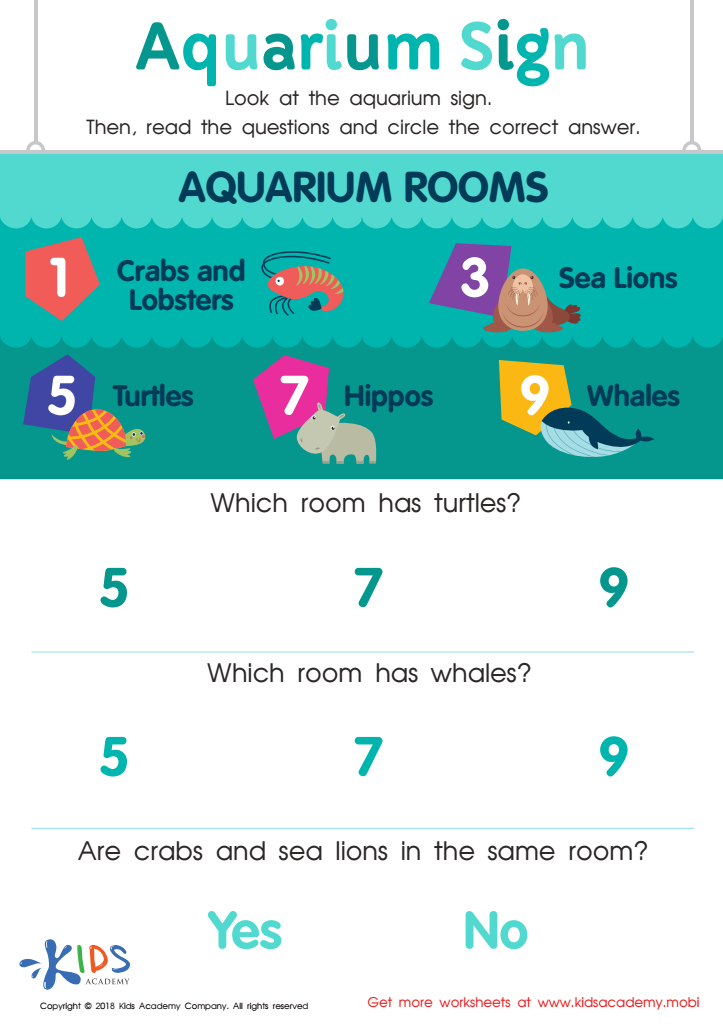
Assessment: Aquarium Sign Worksheet
 Assign to My Students
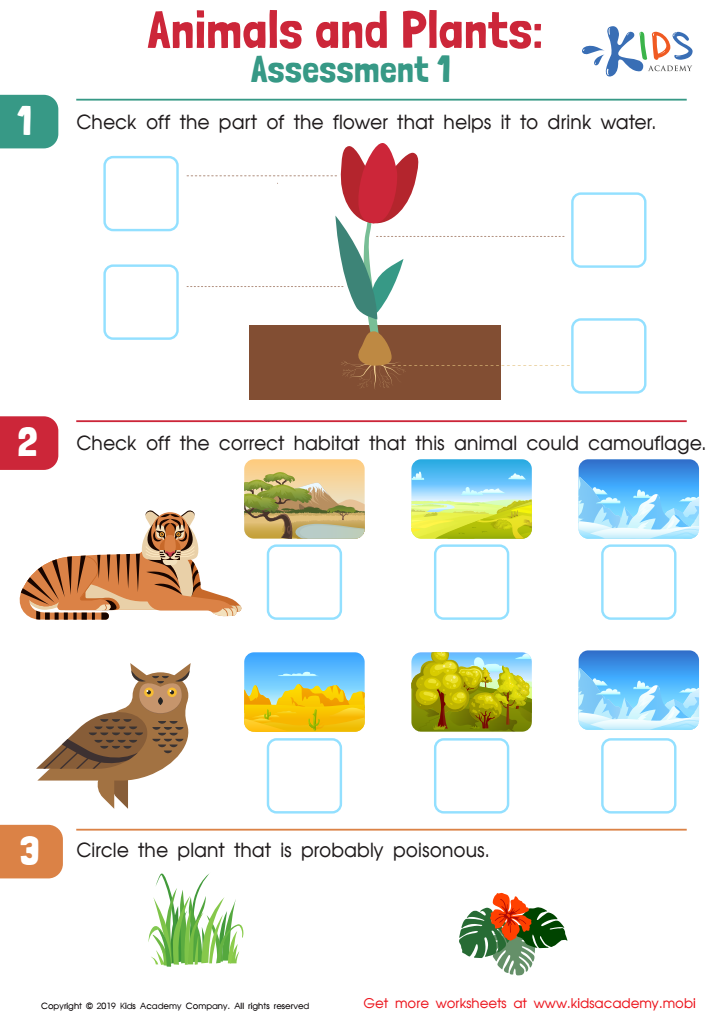
Animals and Plants: Assessment 1 Worksheet








Critical thinking is essential for children aged 4-8, especially in the context of science education. First and foremost, fostering critical thinking at a young age equips children with problem-solving skills that are fundamental for both academic and real-world success. At this stage, children are naturally curious, and encouraging them to ask questions, explore experiments, and analyze results promotes a love for learning.
Science at this age provides a hands-on experience where hypothesis testing, observation, and interpretation of outcomes are key. This helps develop logical reasoning and analytical skills, allowing children to make connections and draw conclusions independently. Furthermore, teaching critical thinking through science cultivates perseverance and resilience; children learn that making mistakes is part of the learning process.
Parents and teachers ought to care about these skills because they form the backbone of good judgment and decision-making in every aspect of life. In an age of information overload, being able to evaluate sources, reason through arguments, and think independently is crucial. By prioritizing critical thinking in early science education, adults can help nurture confident, inquisitive, and engaged learners prepared for the complexities of the future.







