Geography skills Geography Worksheets for Ages 4-8
3 filtered results
-
From - To
Introduce your young learners to the exciting world of geography with our expertly crafted Geography Skills worksheets, tailored for ages 4-8. These engaging activities help children grasp foundational geographical concepts, from continents and countries to maps and directional symbols. Designed to make learning fun and interactive, our worksheets encourage curiosity and enhance critical thinking through puzzles, coloring sheets, and matching games. Each worksheet aligns with early grade learning standards, ensuring your child develops essential navigation and comprehension skills. Explore geography at an early age with Kid’s Academy’s specialized resources that turn learning into an adventure!
 Assign to My Students
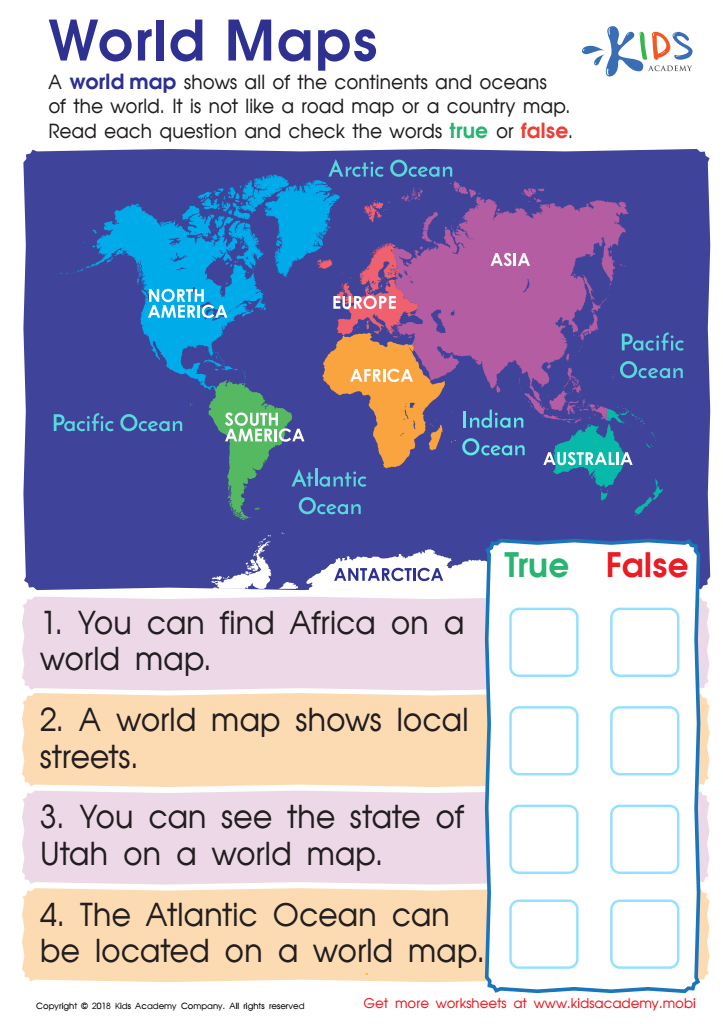
World Maps Worksheet
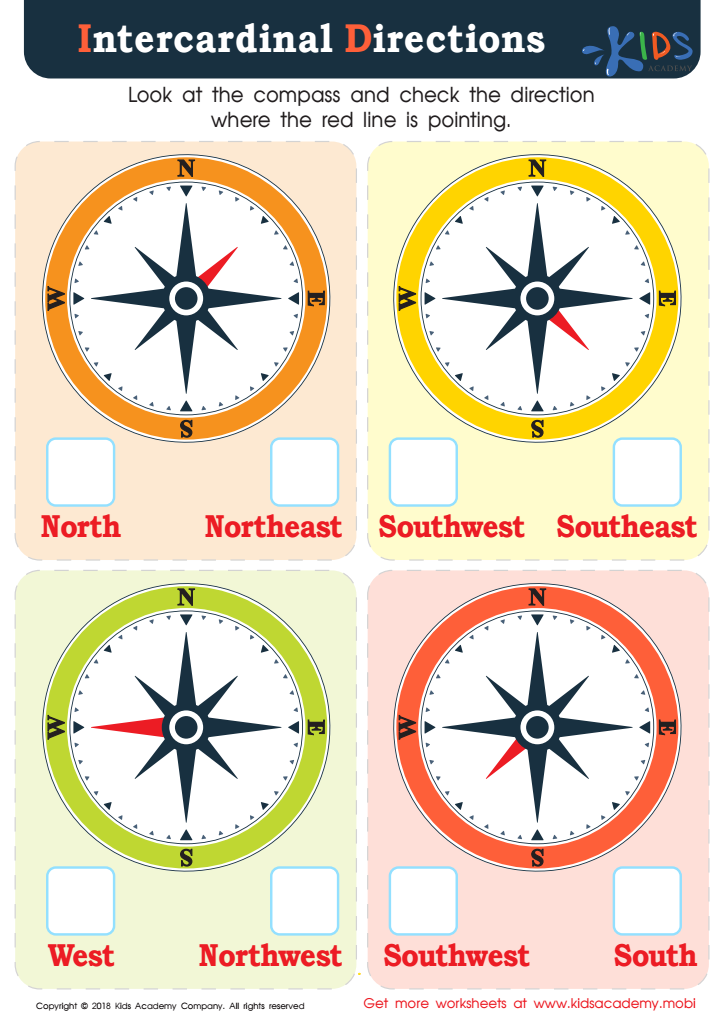
Intercardinal Directions Worksheet




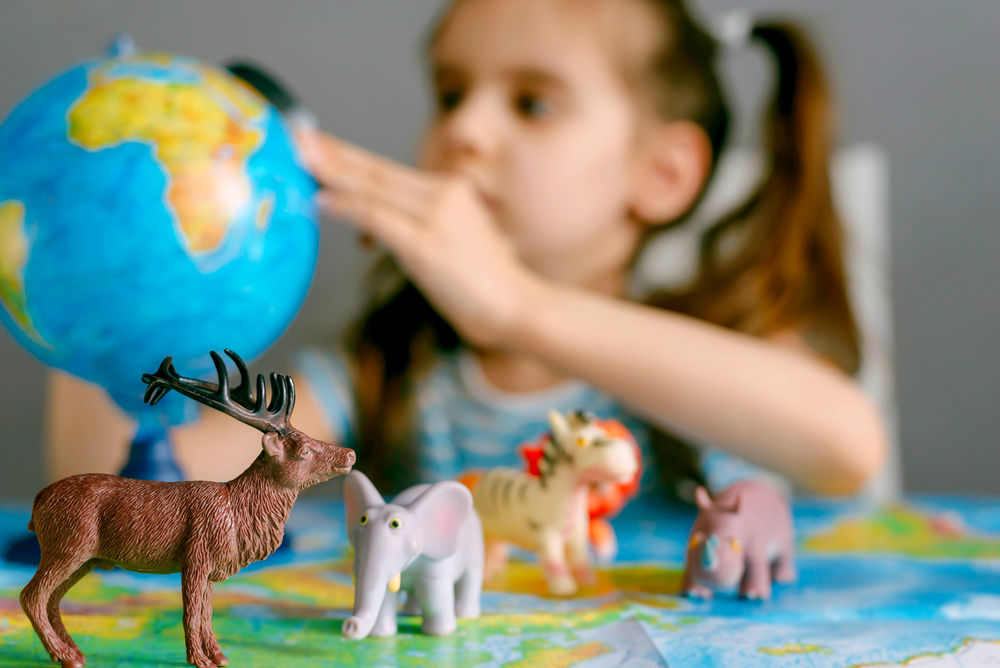


Geography skills are crucial for young children, and parents and teachers should prioritize them for several reasons. First, geography fosters an understanding of the world and different cultures, promoting empathy and broadening social awareness. For ages 4-8, exploring maps, learning about various countries, and understanding physical features such as mountains and rivers can ignite curiosity and a love for learning.
Second, geography strengthens cognitive skills. Activities like recognizing shapes, patterns, and spatial relationships develop critical thinking and problem-solving abilities. These skills are foundational for math and science and aid in overall brain development.
Third, early geography education lays the groundwork for future learning. As children become familiar with basic geographical concepts, they build a scaffold for more complex topics later on, such as environmental systems and global interconnectivity.
Lastly, engaging geography lessons are fun and interactive, motivating children to participate and explore. For example, treasure hunts, globes, and storybooks about faraway places make learning both enjoyable and memorable.
In summary, teaching geography to young children helps cultivate a well-rounded individual with strong cognitive abilities, cultural empathy, and a readiness for future academic challenges, all while making learning an enjoyable process.