
Handwriting practice Governance and Civics Worksheets for Ages 4-8
4 filtered results
Difficulty Level
Grade
Age
-
From - To
Subject
Activity
Standards
Introducing our Handwriting Practice Governance and Civics Worksheets designed for kids ages 4-8! These engaging worksheets blend penmanship improvement with essential civics and governance concepts, making learning both fun and educational. As children practice their handwriting, they will also explore important topics such as community roles, government functions, and citizenship values. Perfect for early learners, these worksheets enhance fine motor skills while instilling a foundational understanding of social studies. Ideal for parents and educators seeking comprehensive activities that boost handwriting capabilities and enrich children's knowledge of governance and civics. Download and watch your young one’s skills flourish!
Favorites
With answer key
Interactive
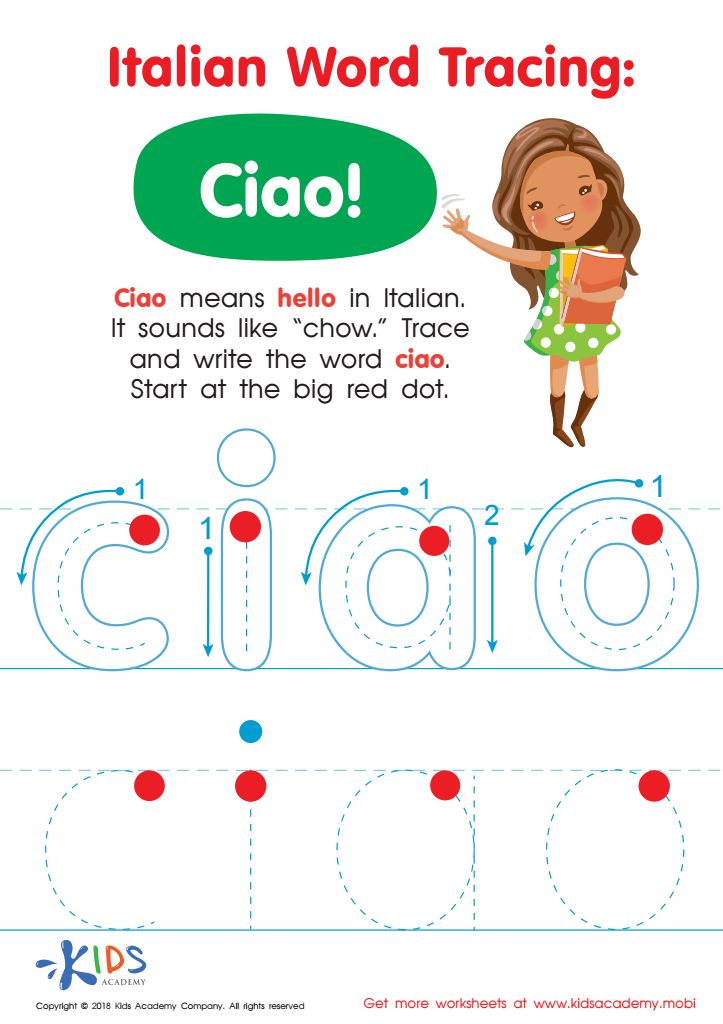
Italian Word Tracing: Ciao Worksheet
Help kids learn to greet people in different languages with this fun worksheet! Featuring the Italian word 'Ciao', it helps kids trace and learn the pronunciation. Plus, it teaches hand-eye coordination and fine-motor skills. Global connectivity can start with this activity!
 Assign to My Students
Italian Word Tracing: Ciao Worksheet
Worksheet
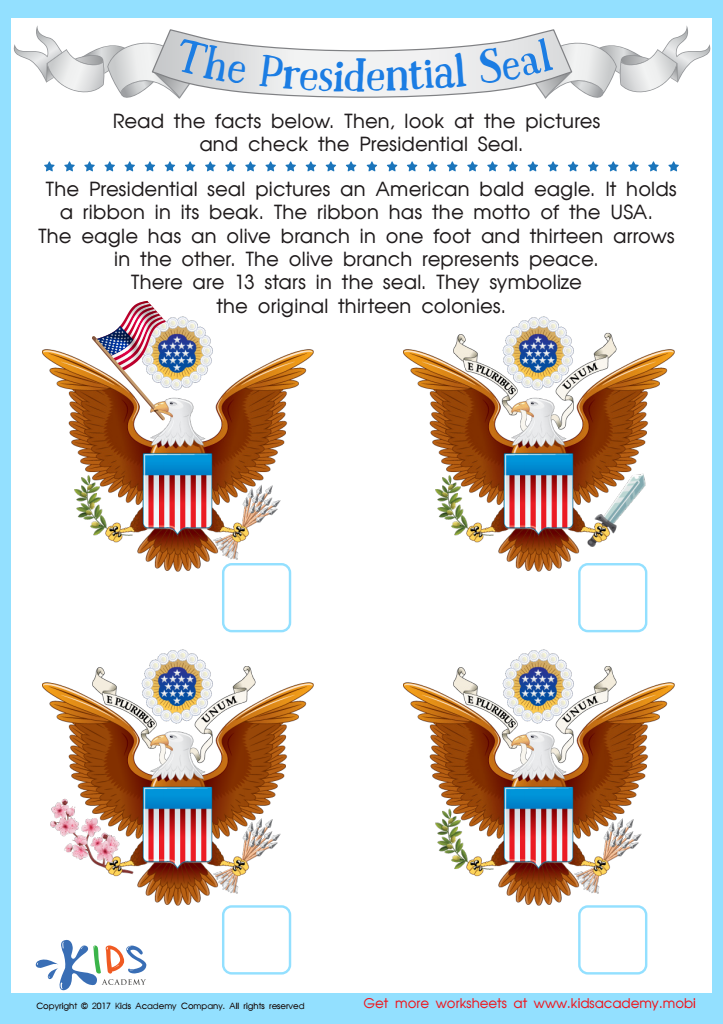
The Presidential Symbol Worksheet
Have your kid gain knowledge of US symbols and test their reading comprehension with this presidential seal worksheet! They'll discover how the details of the seal represent our nation's past.
The Presidential Symbol Worksheet
Worksheet
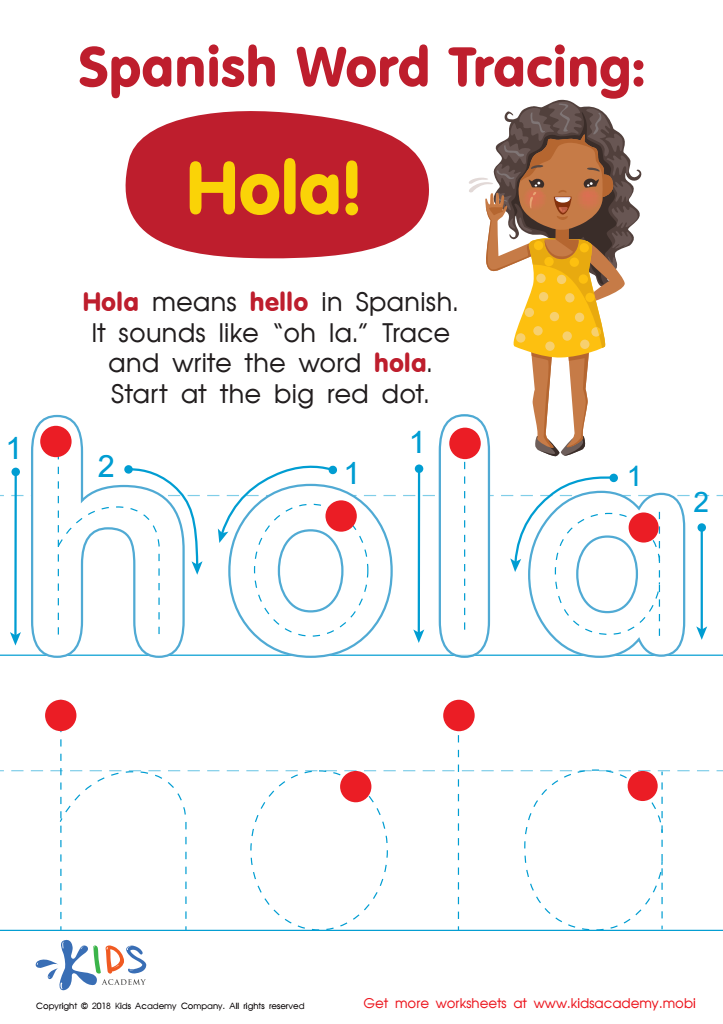
Spanish Word Tracing: Hola Worksheet
This PDF provides a fun way for students to learn "Hola" (Hello) in Spanish! Kids can practice fine motor and handwriting skills while they trace the letters. They'll get the hang of top-to-bottom, left-to-right patterning while they learn how to say and write in Spanish. With practice, they'll soon feel confident speaking and writing Spanish!
Spanish Word Tracing: Hola Worksheet
Worksheet
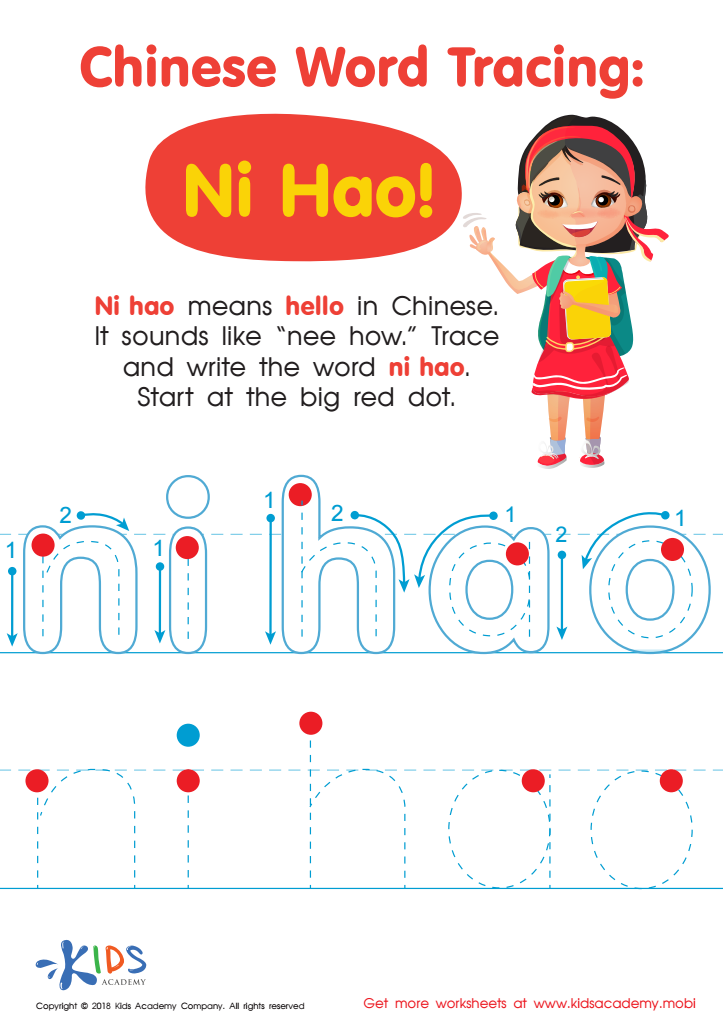
Chinese Word Tracing: Ni Hao Worksheet
Kids can learn to say "Ni hao" with this fun tracing worksheet. The free PDF helps kids write and say the Chinese greeting while also developing fine-motor, handwriting and reading skills. With red guide dots and traceable lines, kids will learn top-to-bottom and left-to-right patterning for fluent reading.
Chinese Word Tracing: Ni Hao Worksheet
Worksheet
Join Kids Academy for Free
Who is primarily going to use this learning content?


Investing in handwriting practice and fundamental governance and civics education for children aged 4-8 paves the way for well-rounded development. Firstly, handwriting isn’t merely about forming letters; it enhances fine motor skills, boosts brain development, and supports reading comprehension and critical thinking. These skills provide children with a solid foundation for all future learning.
Simultaneously, introducing basic concepts of governance and civics instills a sense of responsibility and community awareness from an early age. Young children absorb ideas rapidly, and simple lessons about fairness, rules, and teamwork can shape their values and behaviors positively. They begin to understand not just their rights but also their responsibilities within a community, fostering empathy, cooperation, and respect.
Moreover, weaving these disciplines into early education norms helps bridge connections between individual skills and larger societal functions. A child confident in writing can more effectively engage in activities and discussions about their world, leading to a more expressive, informed, and conscientious community member.
Parents and teachers play a crucial role in nurturing these foundational aspects. Their encouragement ensures that children view these practices not as chores, but as enjoyable parts of learning. Engaging kids in such basics while they’re naturally curious lays the groundwork for a robust, well-connected future citizenry.








