Multiplication practice History Worksheets for Ages 4-8
8 filtered results
-
From - To
Introducing our engaging "Multiplication Practice History Worksheets" designed for children ages 4-8! These interactive worksheets seamlessly blend math skills with historical fun, making multiplication learning enjoyable and effective. Each worksheet features age-appropriate activities that enhance multiplication understanding while sparking curiosity about history. Your young learners will explore exciting historical themes as they practice their multiplication tables, boosting both their math comprehension and knowledge of the past. Perfect for classroom or home use, these worksheets provide a creative way to reinforce essential skills. Give your child the gift of early math success through exploration of history with our targeted multiplication practice!
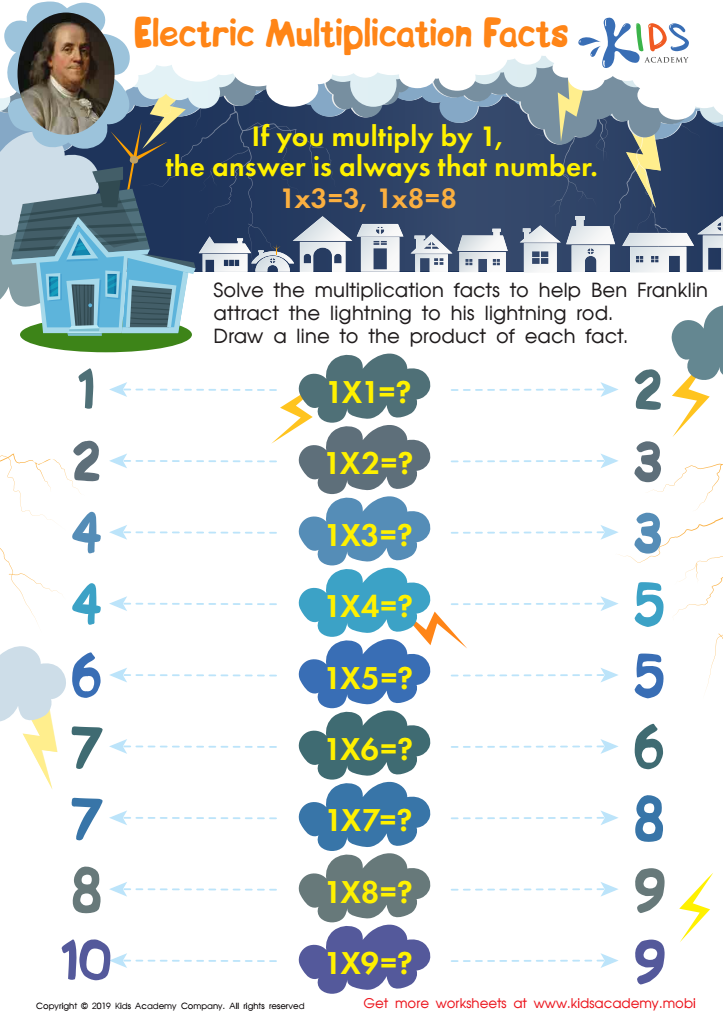
Electric Multiplication Facts Worksheet
 Assign to My Students
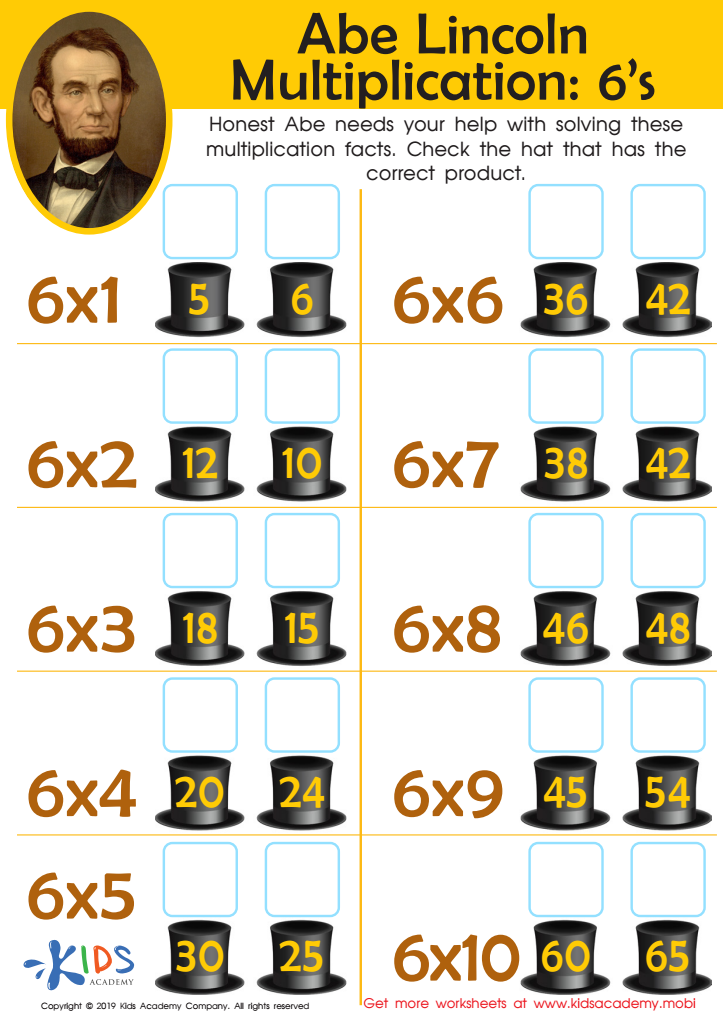
Abe Lincoln Multiplication: 6’s Worksheet
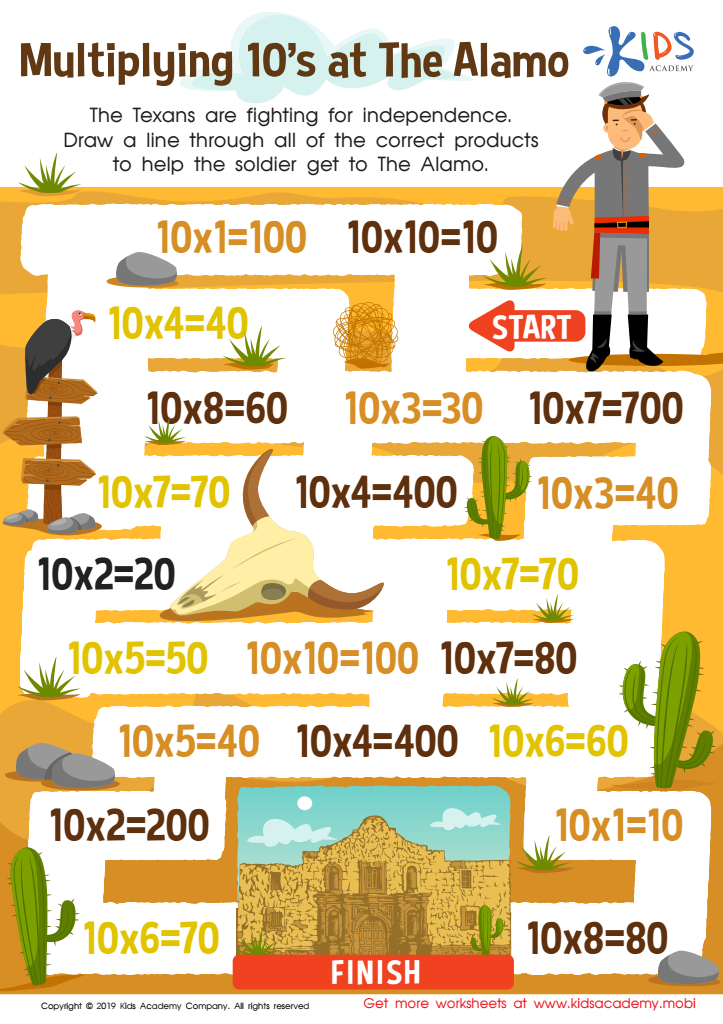
Multiplying 10’s at The Alamo Worksheet
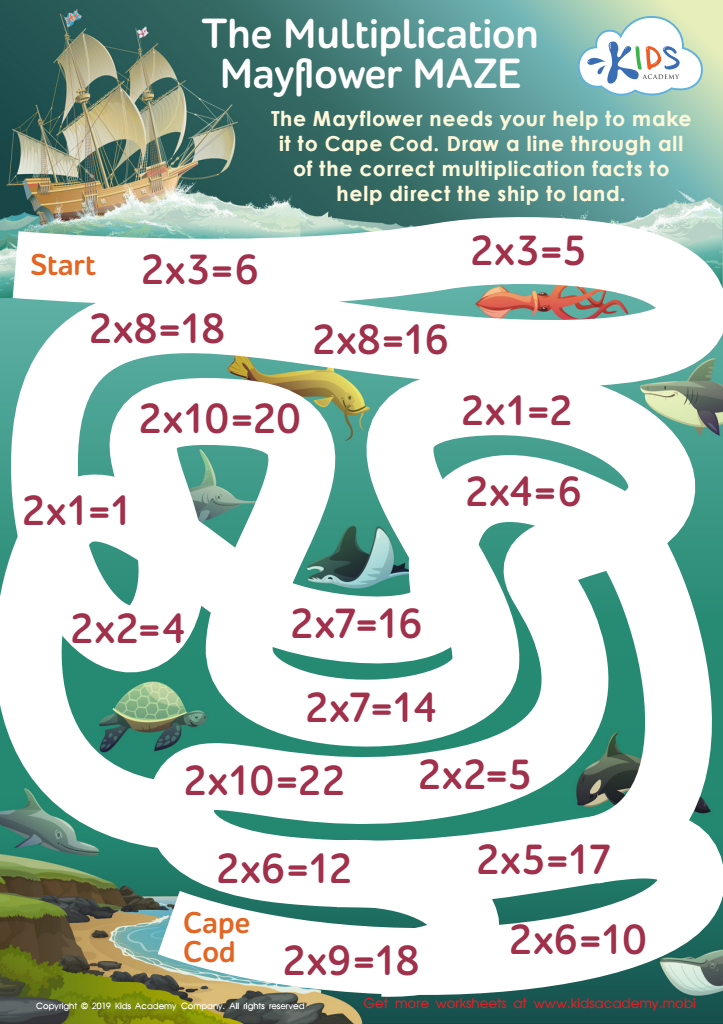
The Multiplication Mayflower Maze Worksheet
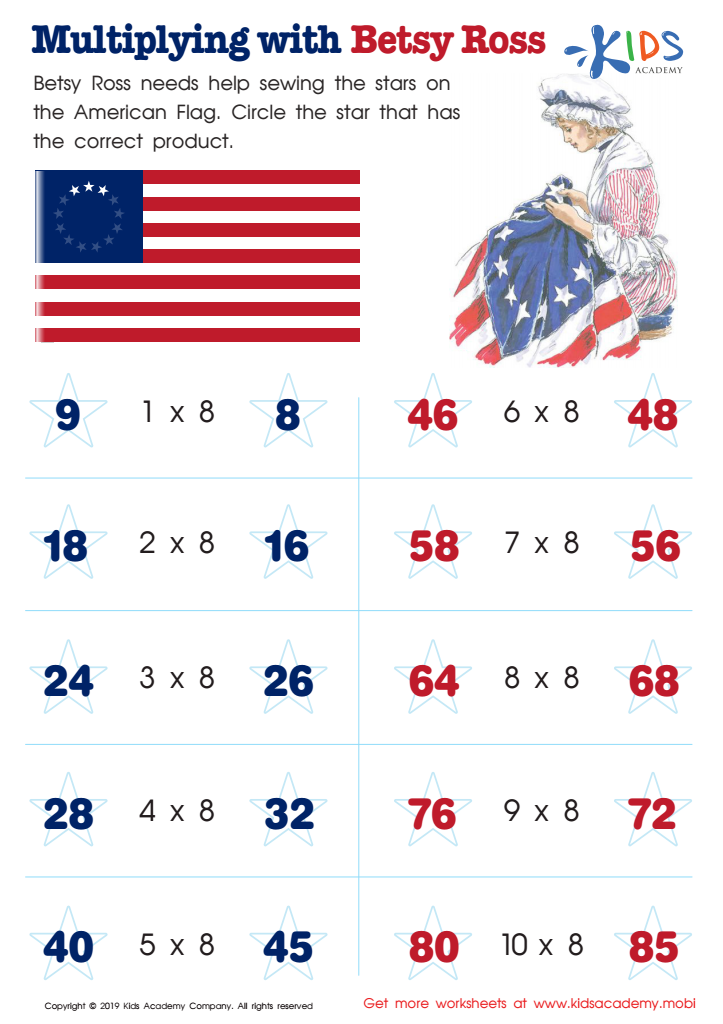
Multiplying with Betsy Ross Worksheet
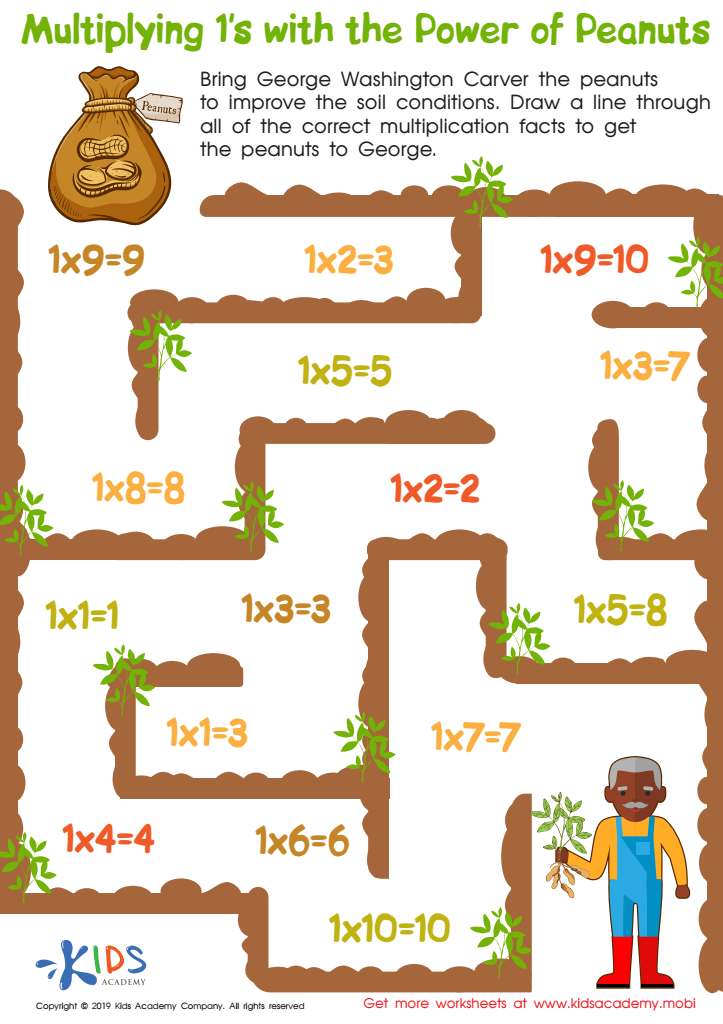
Multiplying 1’s With the Power of Peanuts Worksheet
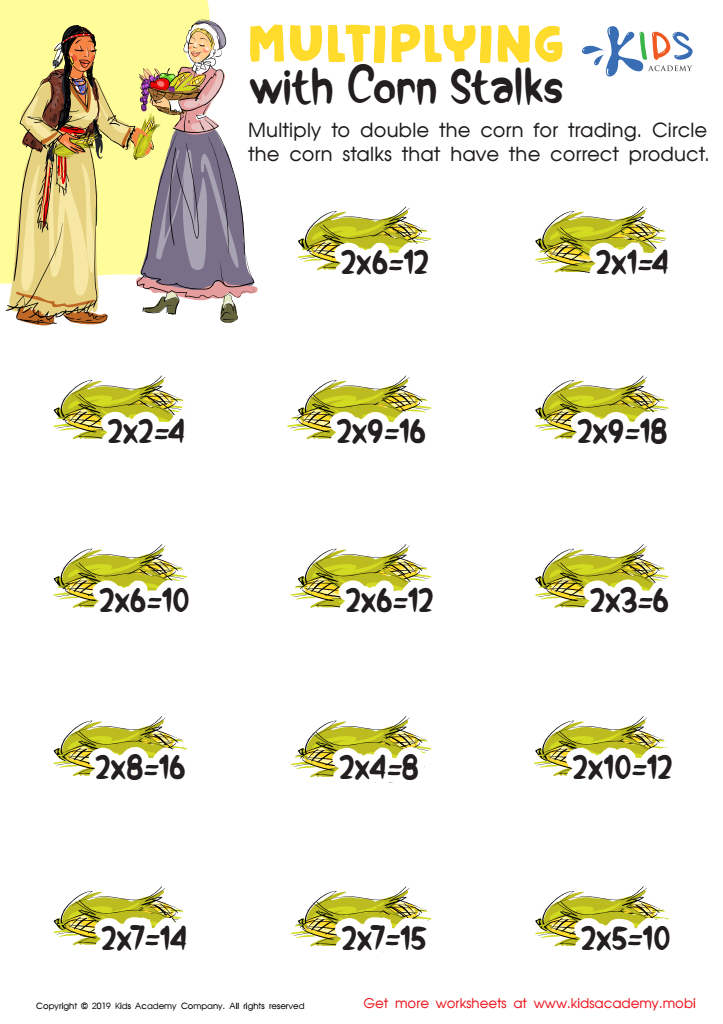
Multiplying With Corn Stalks Worksheet
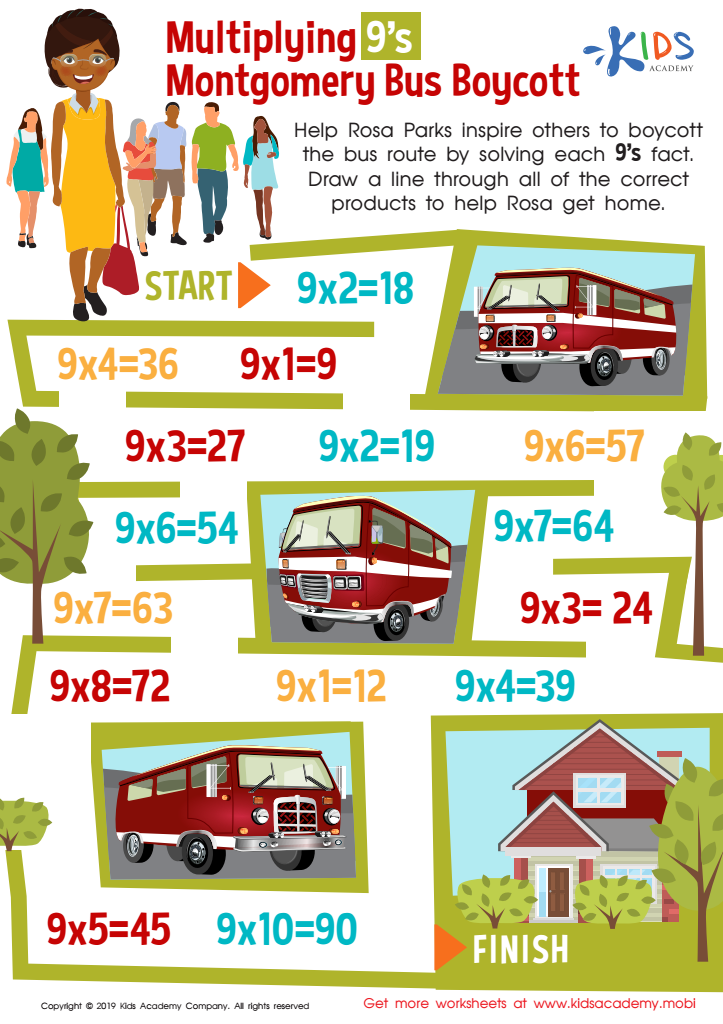
Multiplying 9’s Montgomery Bus Boycott Worksheet








Understanding multiplication practice history for children aged 4-8 is crucial for parents and teachers as it lays a strong foundation for future math skills. Early multiplication practice fosters number fluency, which is essential for problem-solving and critical thinking. By familiarizing young learners with multiplication concepts through engaging activities and games, parents and teachers can ignite a natural curiosity about numbers and develop a positive attitude toward mathematics.
Furthermore, multiplication is a building block for various mathematical operations. Mastery in multiplication can significantly simplify tasks like division, fractions, and algebra, which children will encounter in later academic stages. By emphasizing multiplication practice in early education, children can avoid math anxiety and learn to approach challenges with confidence.
Moreover, collaborative learning opportunities in multiplication can enhance social skills among peers while fostering a sense of belonging and teamwork. Strategies such as using manipulatives, visually appealing aids, and rhythmic songs can make learning multi-dimensional and enjoyable.
Ultimately, focusing on genuine multiplication practice during these formative years not only shapes productive learners but also nurtures independent thinkers, preparing them for academic success and lifelong skills. Engaging students early in their educational journey supports a healthy relationship with mathematics that lasts a lifetime.