Critical Thinking Social Studies Worksheets for Ages 4-8 - Page 2
31 filtered results
-
From - To

Assessment: First Thanksgiving Worksheet
 Assign to My Students
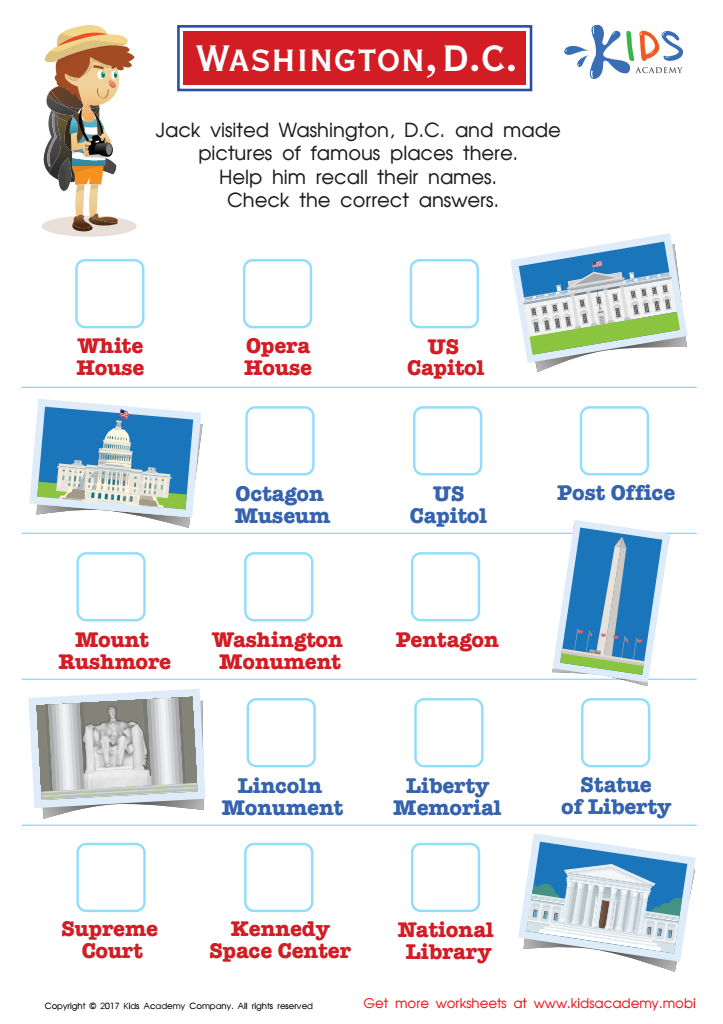
Washington D.C. Printable Worksheet
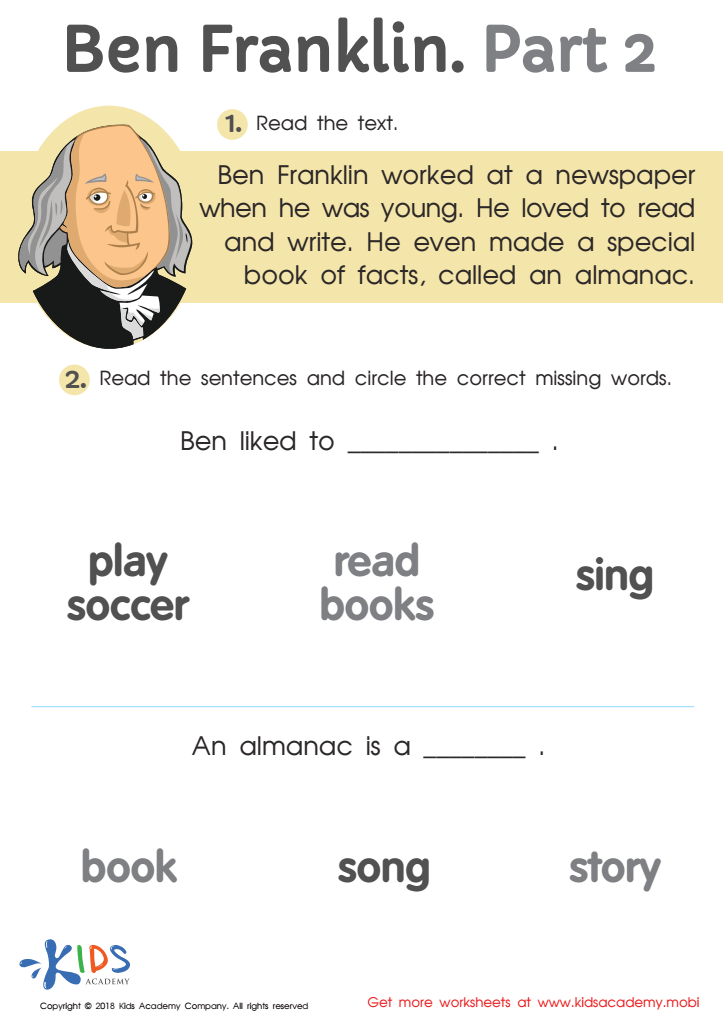
Ben Franklin Part 2 Worksheet

The Four Seasons Worksheet
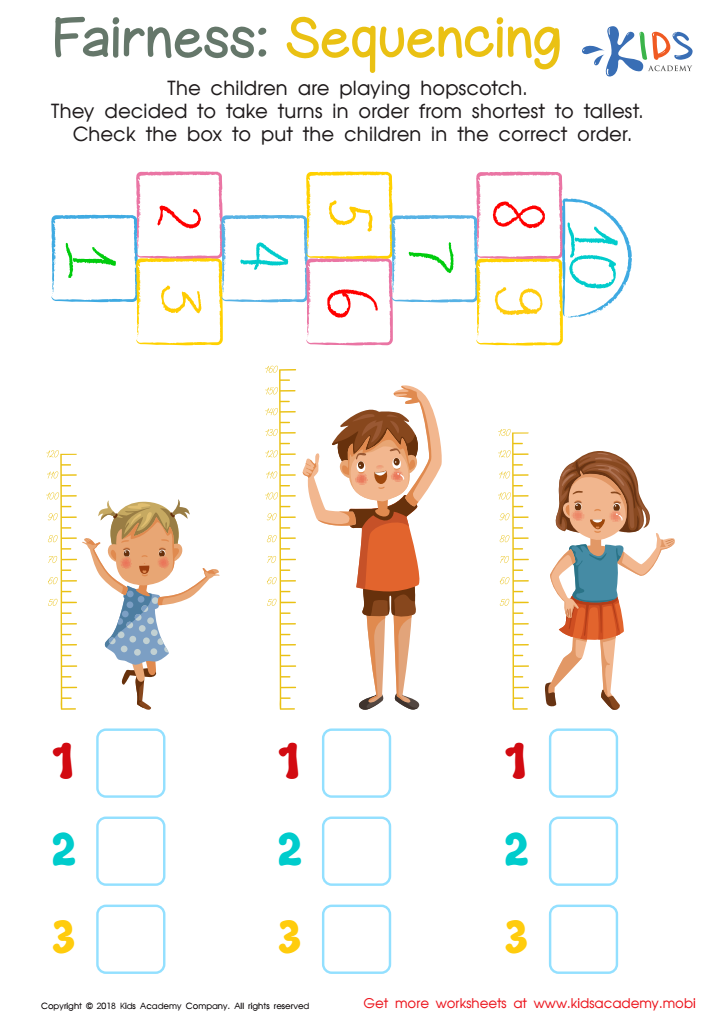
Fairness: Sequencing Worksheet
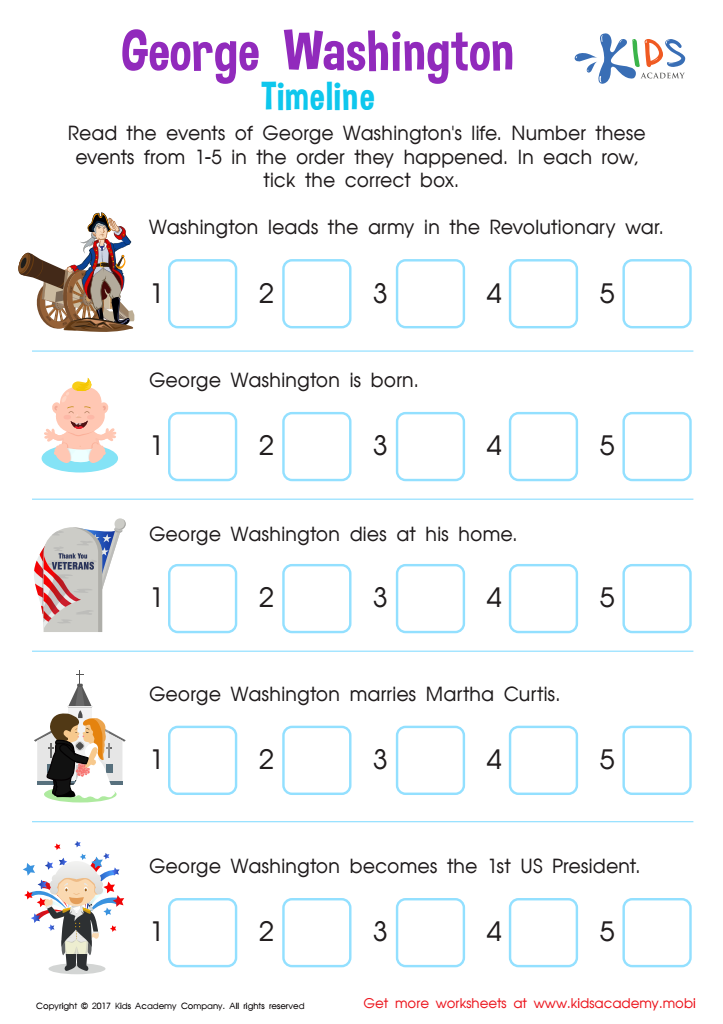
George Washington Timeline Worksheet
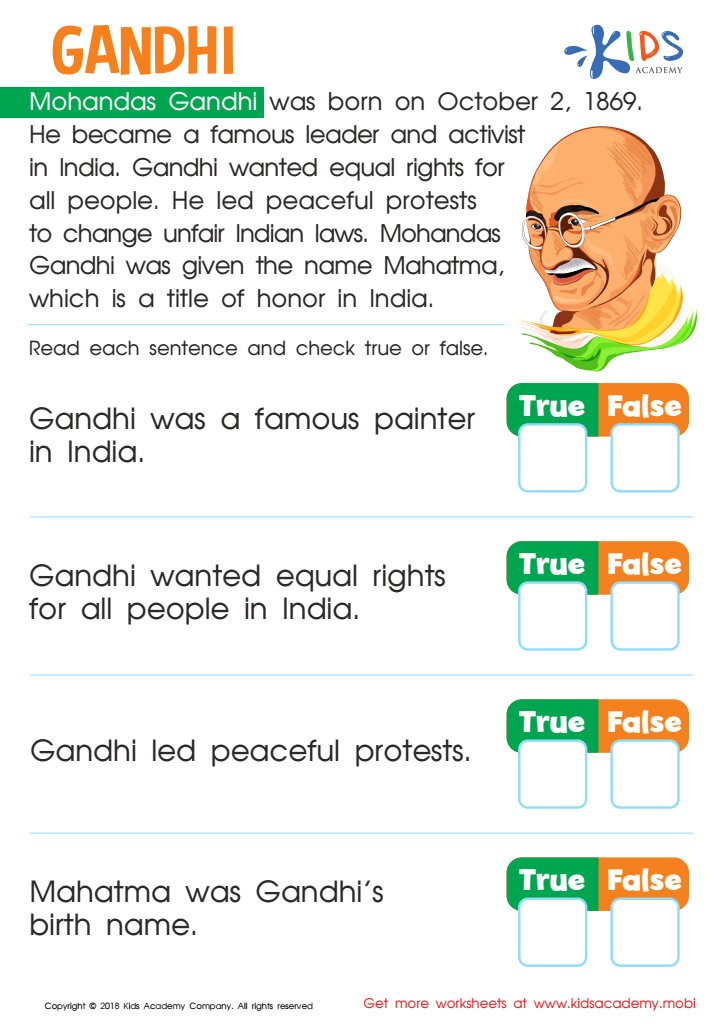
Gandhi Worksheet








Parents and teachers should prioritize critical thinking in social studies for ages 4-8 because it lays a vital foundation for young learners. At this formative stage, children begin to develop their understanding of the world around them, and fostering critical thinking skills enables them to analyze, evaluate, and synthesize information effectively. In a rapidly changing society, the ability to think critically empowers children to question assumptions, recognize different perspectives, and make informed decisions.
Moreover, critical thinking promotes empathy and social awareness, essential qualities for navigating multicultural environments. By exploring historical events, social structures, and civic responsibilities, children learn to appreciate diverse viewpoints and the importance of community. This early engagement cultivates responsible citizens who actively participate in society and contribute positively.
Incorporating critical thinking into social studies encourages curiosity and a love for learning. Through interaction with their environment and classroom discussions, children develop the ability to articulate their thoughts and engage in constructive dialogue. Ultimately, fostering these skills not only enhances academic performance but also equips young learners with the tools to understand and influence their world, preparing them for future challenges in an increasingly complex landscape.