Color Identification World Around Us Worksheets for Ages 4-8
3 filtered results
-
From - To
Unlock your child’s creativity and observation skills with our "Color Identification World Around Us Worksheets" designed for ages 4-8! These engaging worksheets help young learners explore and identify colors in their surroundings, transforming everyday experiences into fun learning opportunities. The activities encourage children to match colors, recognize shades, and practice their fine motor skills through coloring. Perfect for home, preschool, or classroom settings, these printable resources promote both artistic expression and essential color recognition skills. Inspire your child’s curiosity about the vibrant world around them while reinforcing foundational learning concepts. Start your colorful learning adventure today!
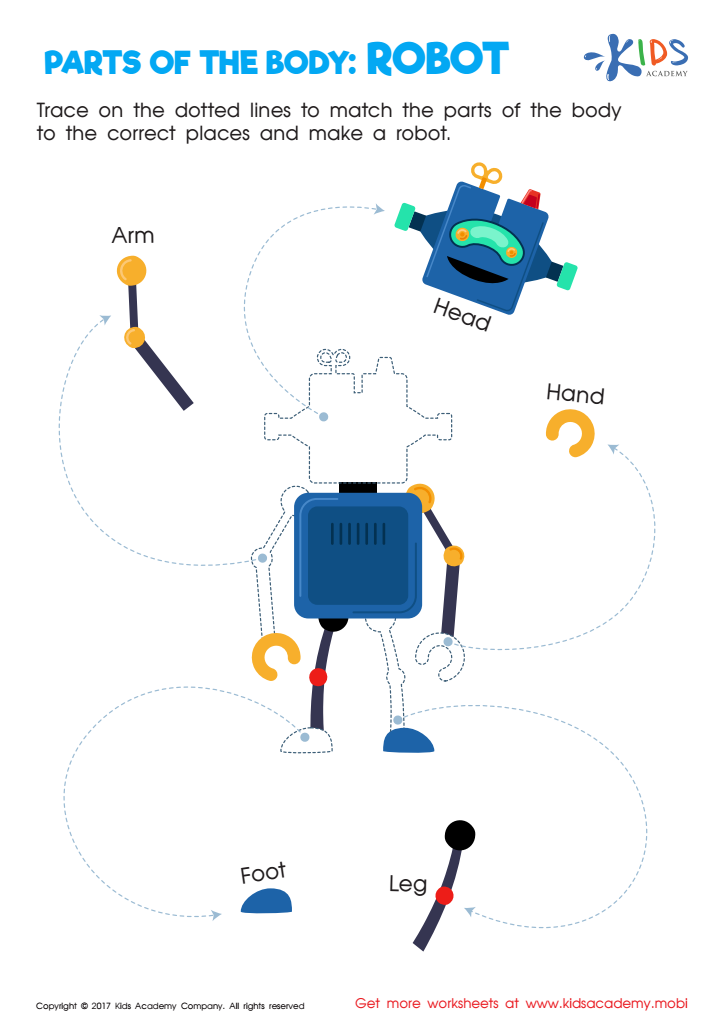
Robot Printable
 Assign to My Students
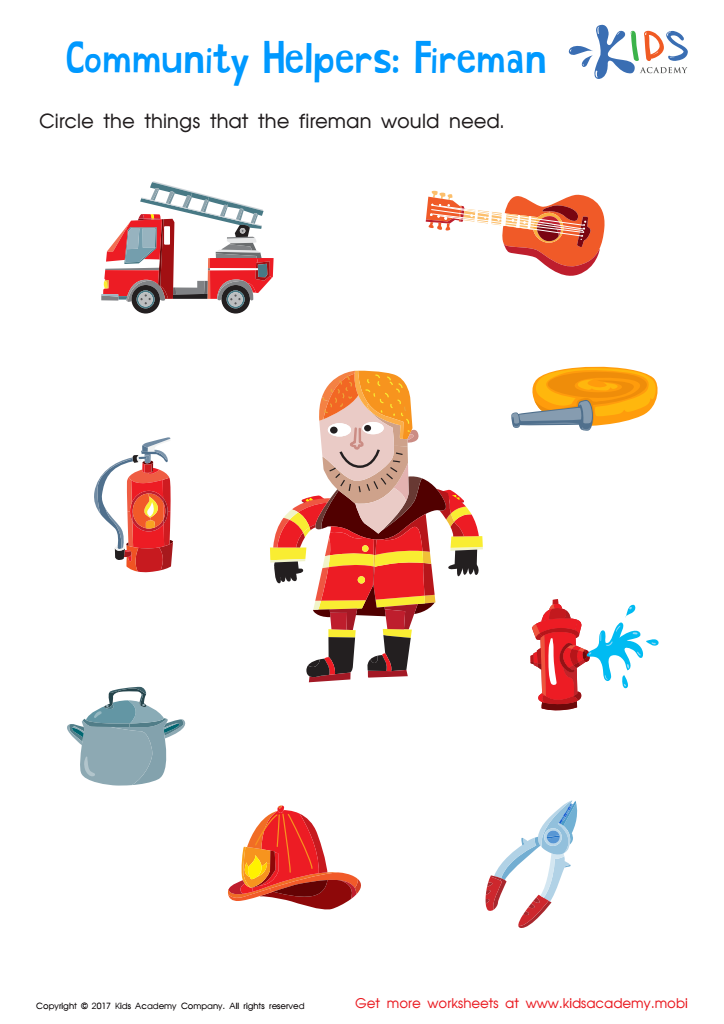
Fireman Worksheet
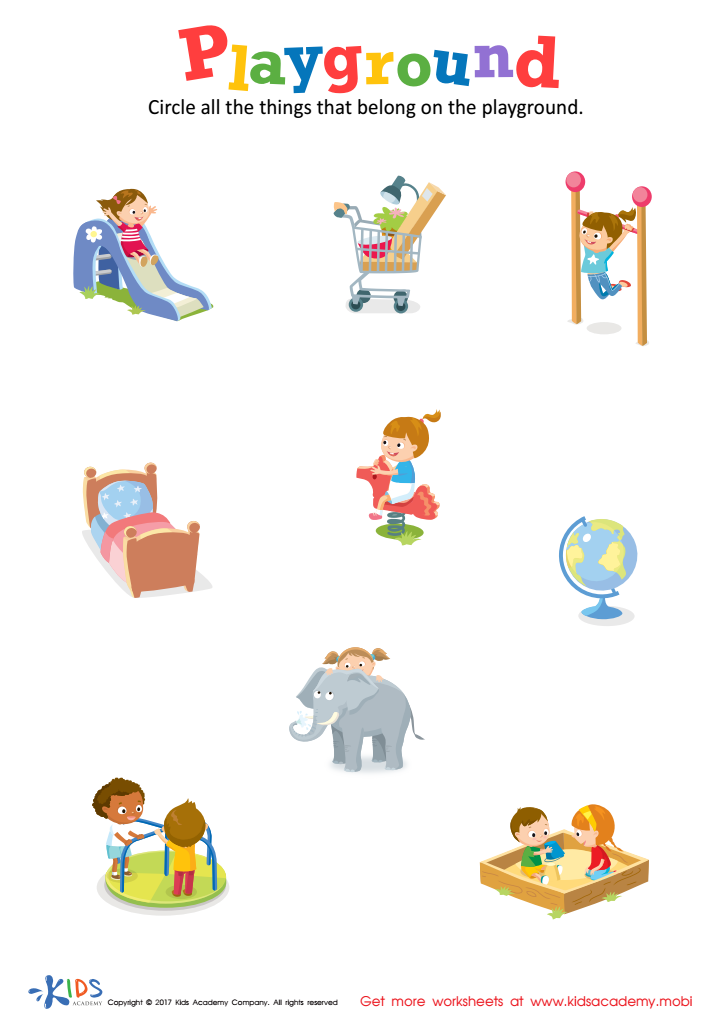
Playground Worksheet


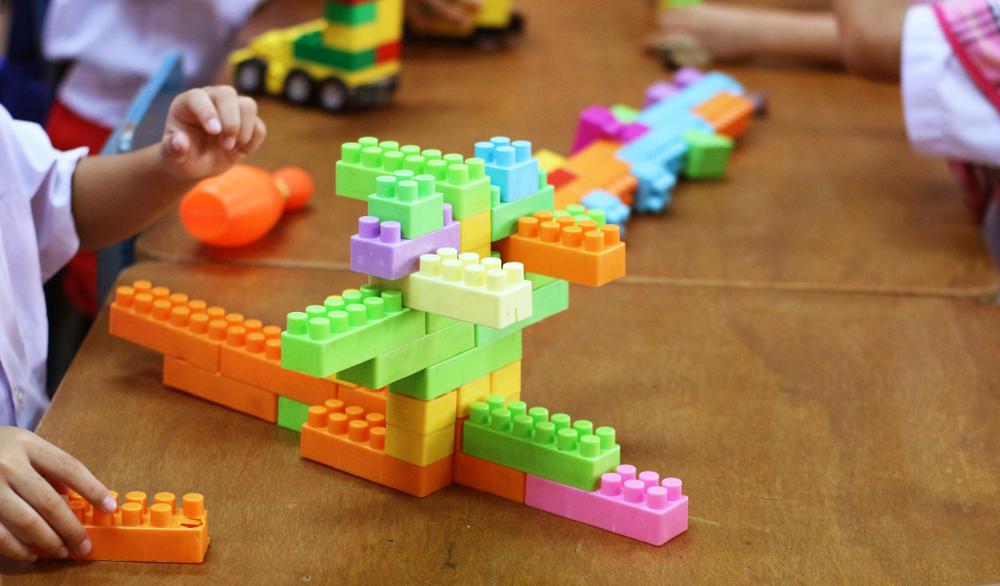




Color identification is a fundamental skill for young children aged 4-8, which plays a crucial role in their overall cognitive development. Parents and teachers should prioritize this concept because it serves as a key building block for learning in various areas.
Firstly, understanding colors enhances a child's ability to express themselves and communicate effectively. By recognizing and naming colors, children can articulate their thoughts and feelings related to their environment.
Secondly, color identification aids in the development of critical thinking and categorization skills. Children begin to observe and classify objects based on color, which fosters their problem-solving abilities and observational skills.
Furthermore, colors are intricately linked to art and creativity. Engaging with colors in a variety of contexts allows children to explore their artistic talents, boost their imagination, and experience joy in creative activities.
Moreover, as colors are prevalent in nature and everyday life, recognizing them helps children connect with the world around them, fostering curiosity and a sense of wonder.
Overall, prioritizing color identification equips children with essential tools to navigate their environment, enhances their learning experiences, and supports their social and emotional development, making it a vital focus for both parents and teachers.