Handwriting improvement Writing Worksheets for Ages 4-8
7 filtered results
-
From - To
Discover our "Handwriting Improvement Writing Worksheets for Ages 4-8," designed to enhance children's writing skills in a fun and engaging way. These worksheets target essential handwriting techniques such as letter formation, spacing, and proper grip, ensuring young learners build a strong foundation in writing. Through a variety of activities, including tracing, copying, and creative prompts, children will practice essential skills while cultivating their creativity. Perfect for parents and educators, our worksheets provide an easy-to-use tool to help foster a love for writing. Help your child develop confidence and clarity in their handwriting with our expertly crafted resources. Start improving writing today!
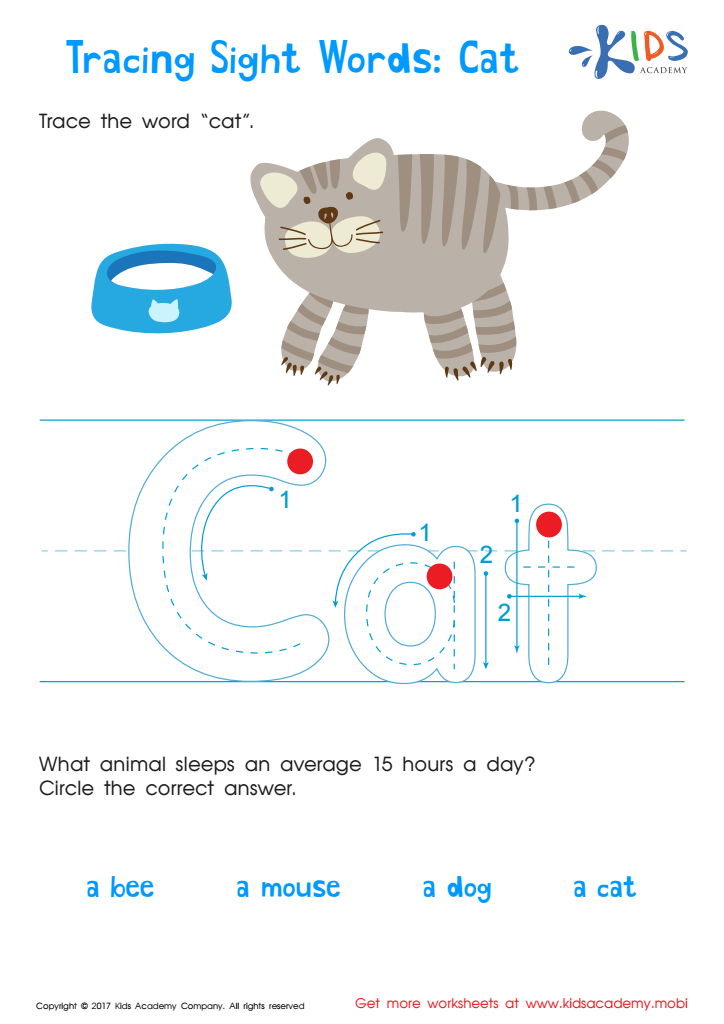
Cat Printable Sight Words Worksheet
 Assign to My Students
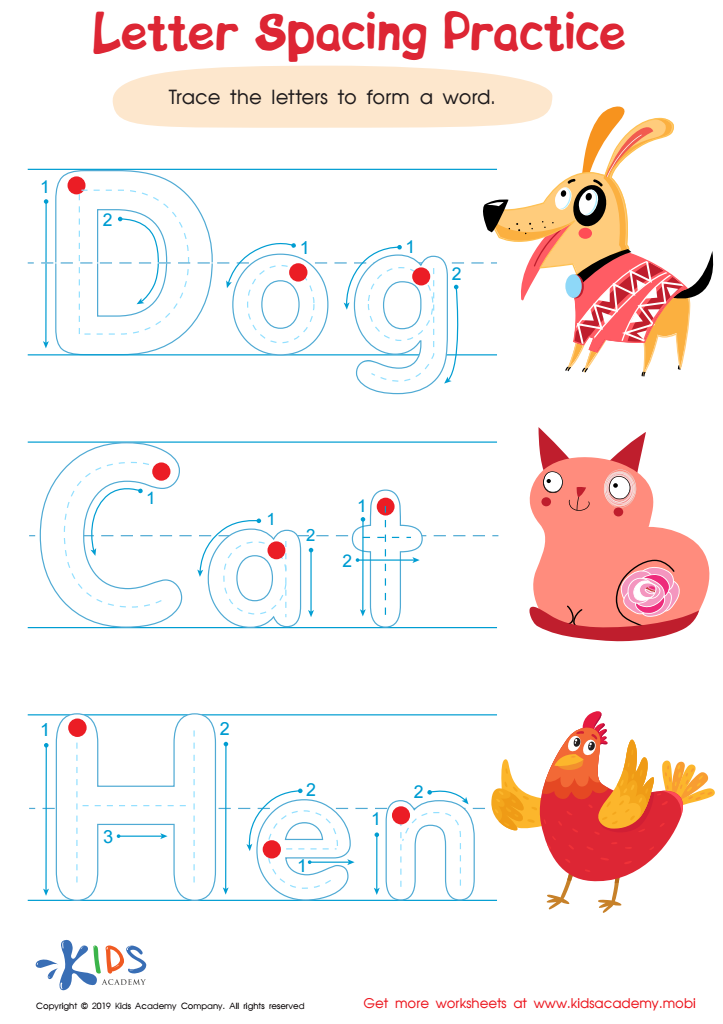
Letter Spacing Practice Worksheet

Red Tracing Color Words Printable
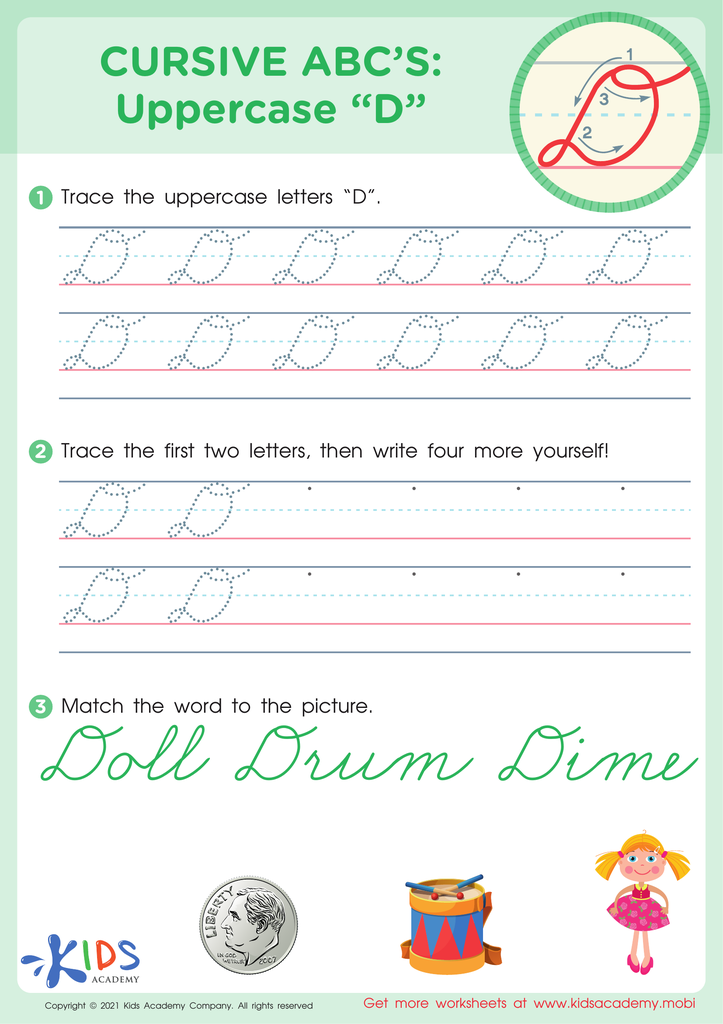
Cursive ABCs: Uppercase D
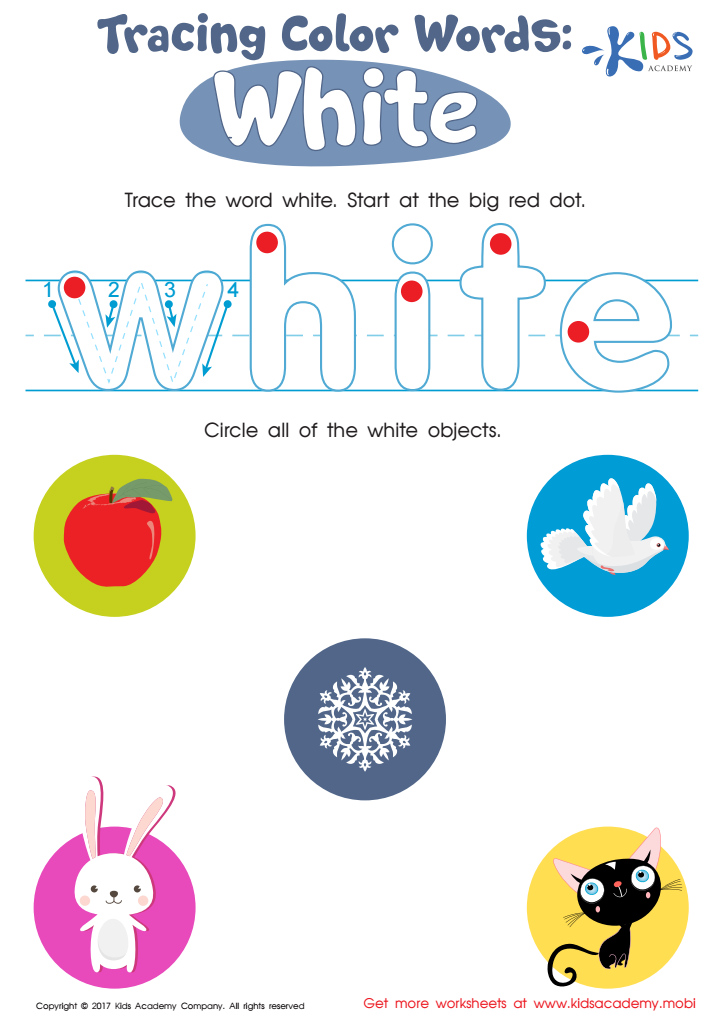
White Tracing Color Words Worksheet
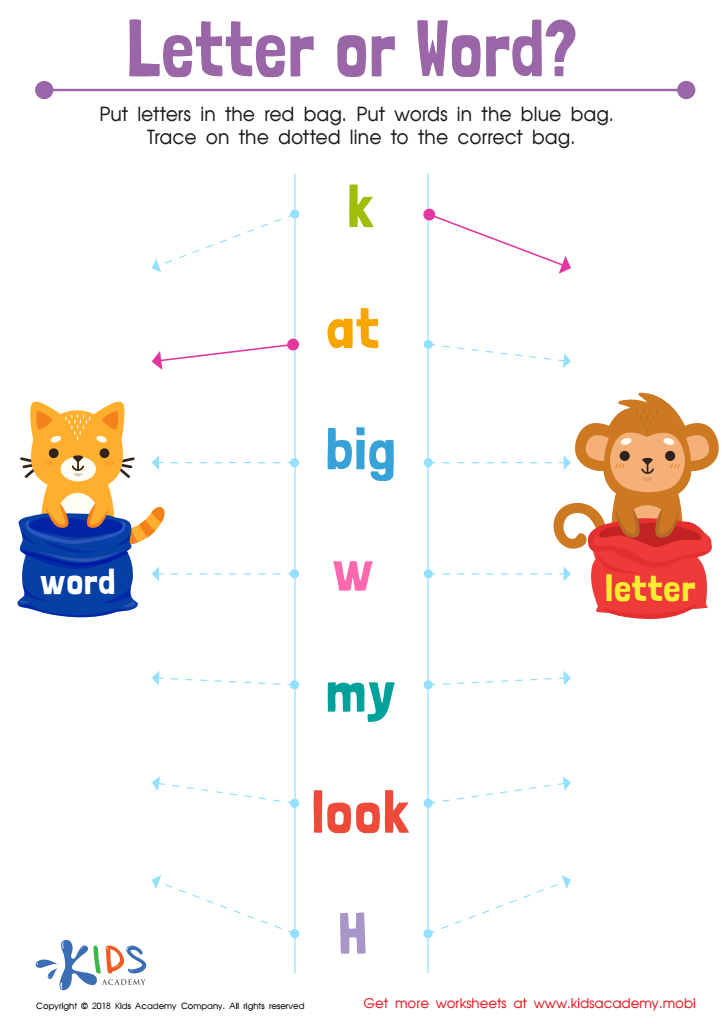
Letter or Word? Worksheet
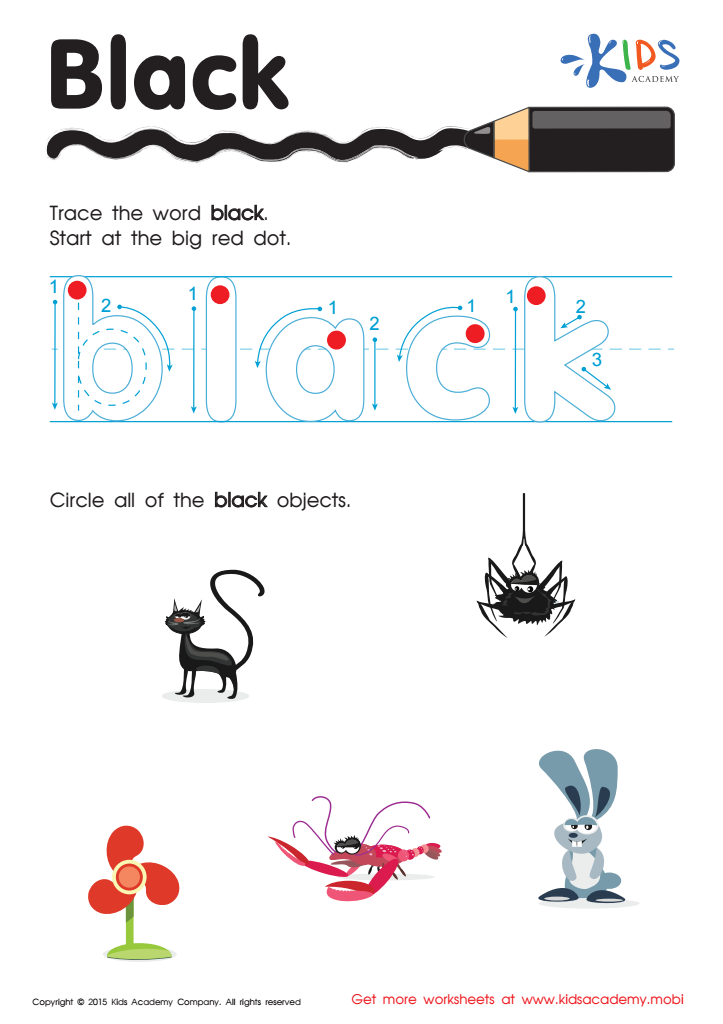
Black Tracing Color Words Printable








Handwriting improvement for children aged 4-8 is crucial for several reasons that parents and teachers should prioritize. Firstly, fine motor skills development is essential at this age, and writing helps strengthen the muscles in the hands and fingers, enhancing coordination and control. Quality handwriting also supports cognitive processes; when children learn to write, they engage in various brain functions including memory and language comprehension.
Moreover, legible handwriting promotes effective communication. Children are better able to express their thoughts and ideas, facilitating their academic growth. Good handwriting can also bolster self-esteem; when children feel proud of their writing abilities, they are more likely to participate actively in classroom discussions and assignments.
Additionally, developing handwriting skills early on sets a strong foundation for academic success. As children progress in school, they will face increasing demands for written assignments, and effective handwriting allows them to focus on content rather than being hindered by the struggle of poor penmanship.
Ultimately, fostering handwriting improvement helps children gain confidence, promote creativity, and ensure they can effectively convey their thoughts in school and beyond. Teachers and parents play a vital role in nurturing these skills and ensuring positive learning experiences for young learners.








