Improving vocabulary Writing Worksheets for Ages 4-8
6 filtered results
-
From - To
Enrich your child's vocabulary with our engaging Vocabulary Writing Worksheets for ages 4-8! Our carefully designed exercises help young learners develop essential writing and language skills while having fun. Boost word recognition, spelling, and comprehension through varied activities like matching words, completing sentences, and creative writing prompts. Our worksheets support early literacy by introducing new words in context, enhancing reading abilities, and encouraging expressive writing. Perfect for both classroom and at-home learning, these resources are a wonderful way to set a strong language foundation. Discover the joy of learning with our interactive and educational vocabulary worksheets today!
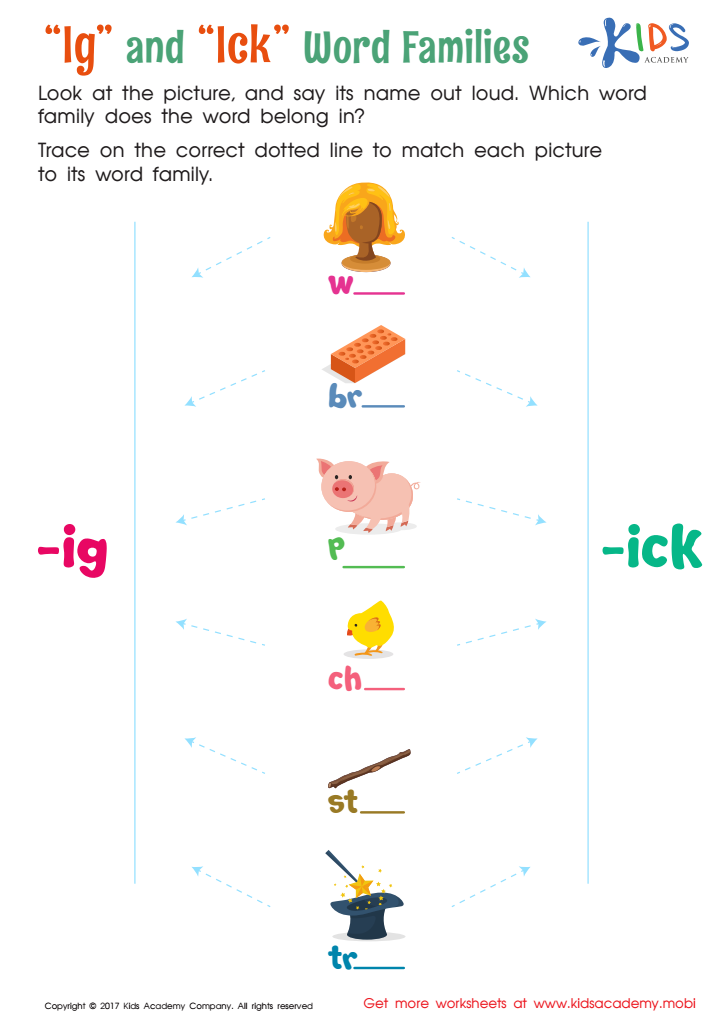
Words Families "ig" and "ick" Spelling Worksheet
 Assign to My Students
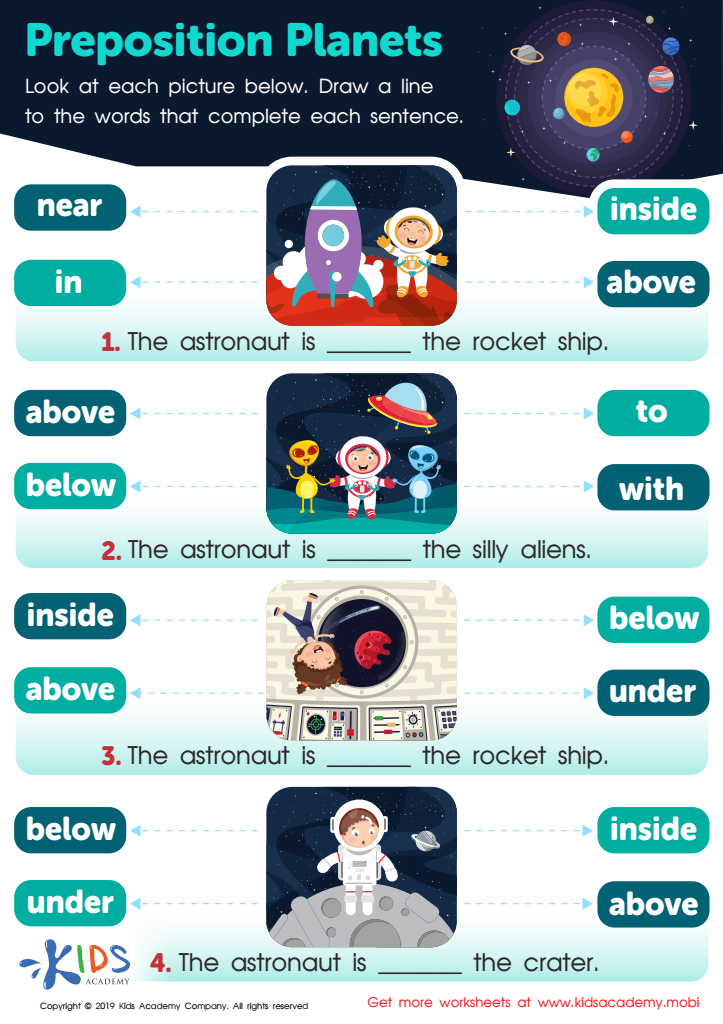
Preposition Planets Worksheet
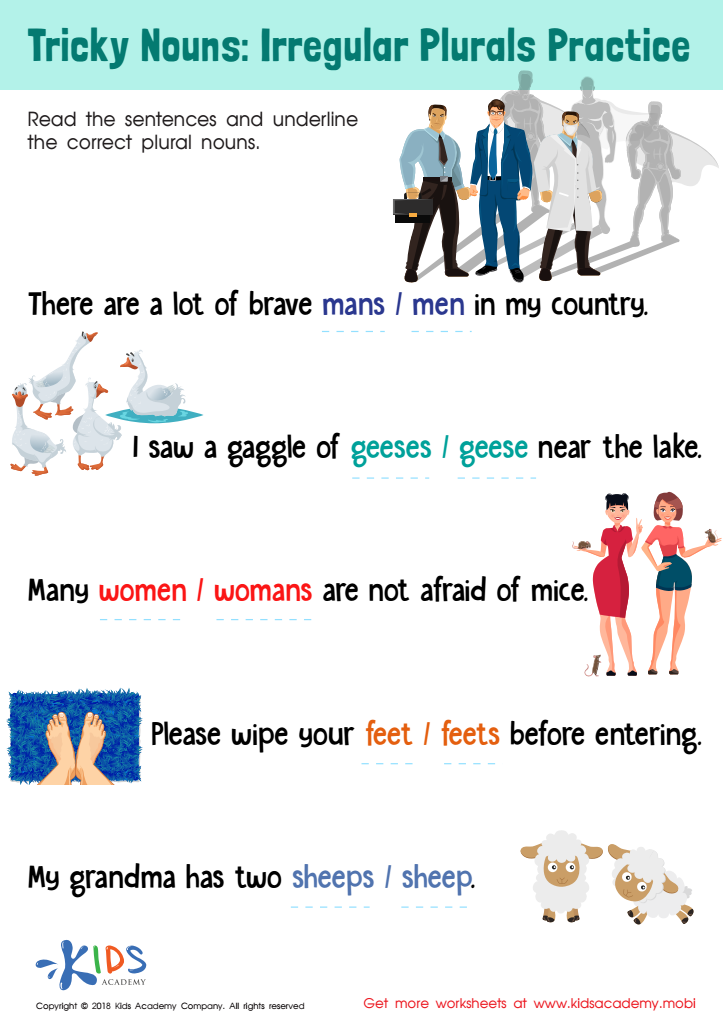
Tricky Nouns: Irregular Plurals Practice Worksheet
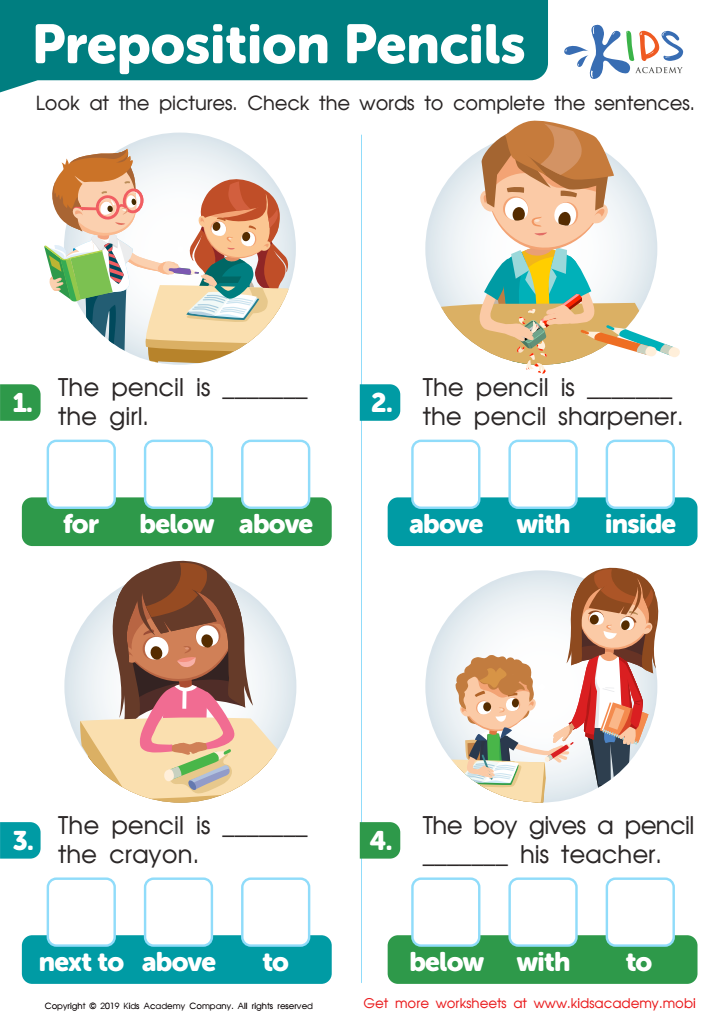
Preposition Pencils Worksheet
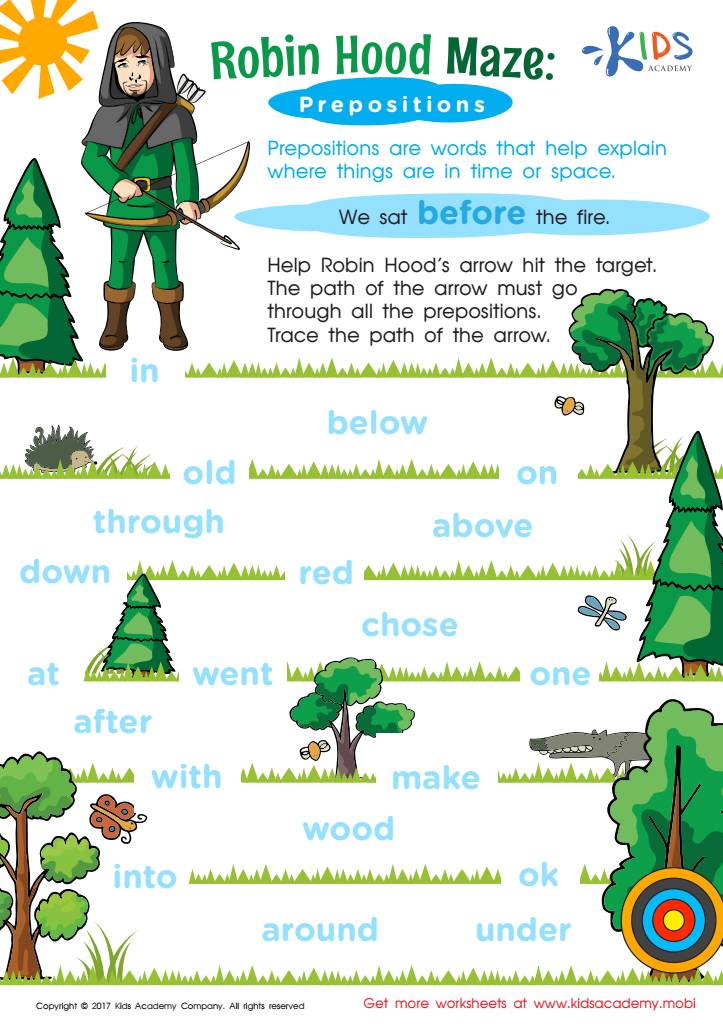
Prepositions Worksheet
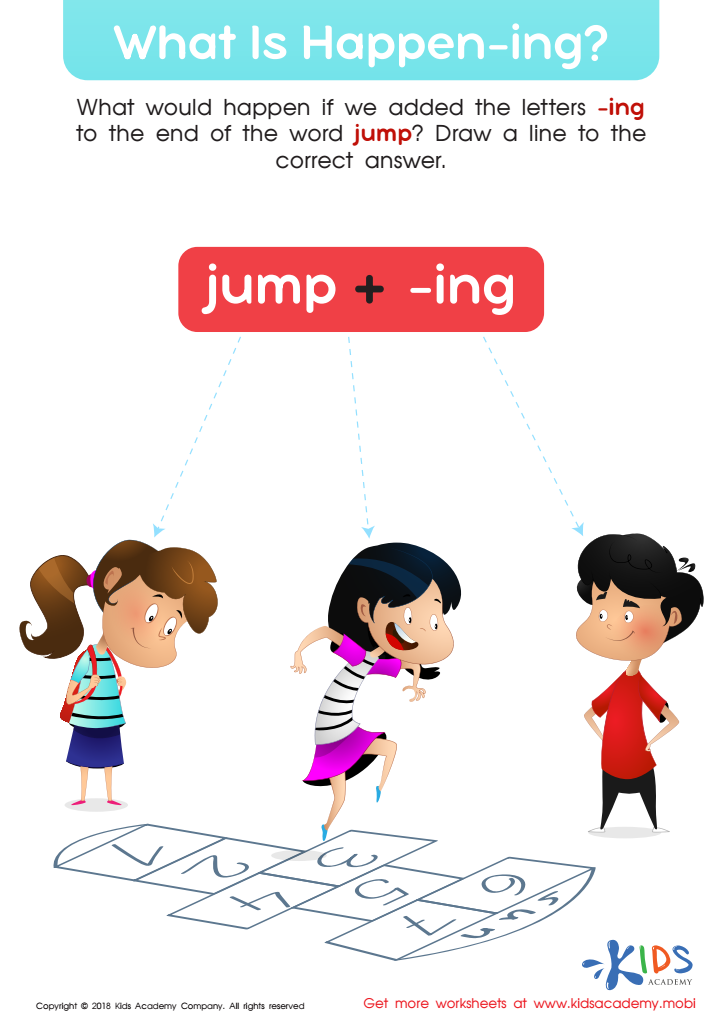
What Is Happen-Ing? Worksheet







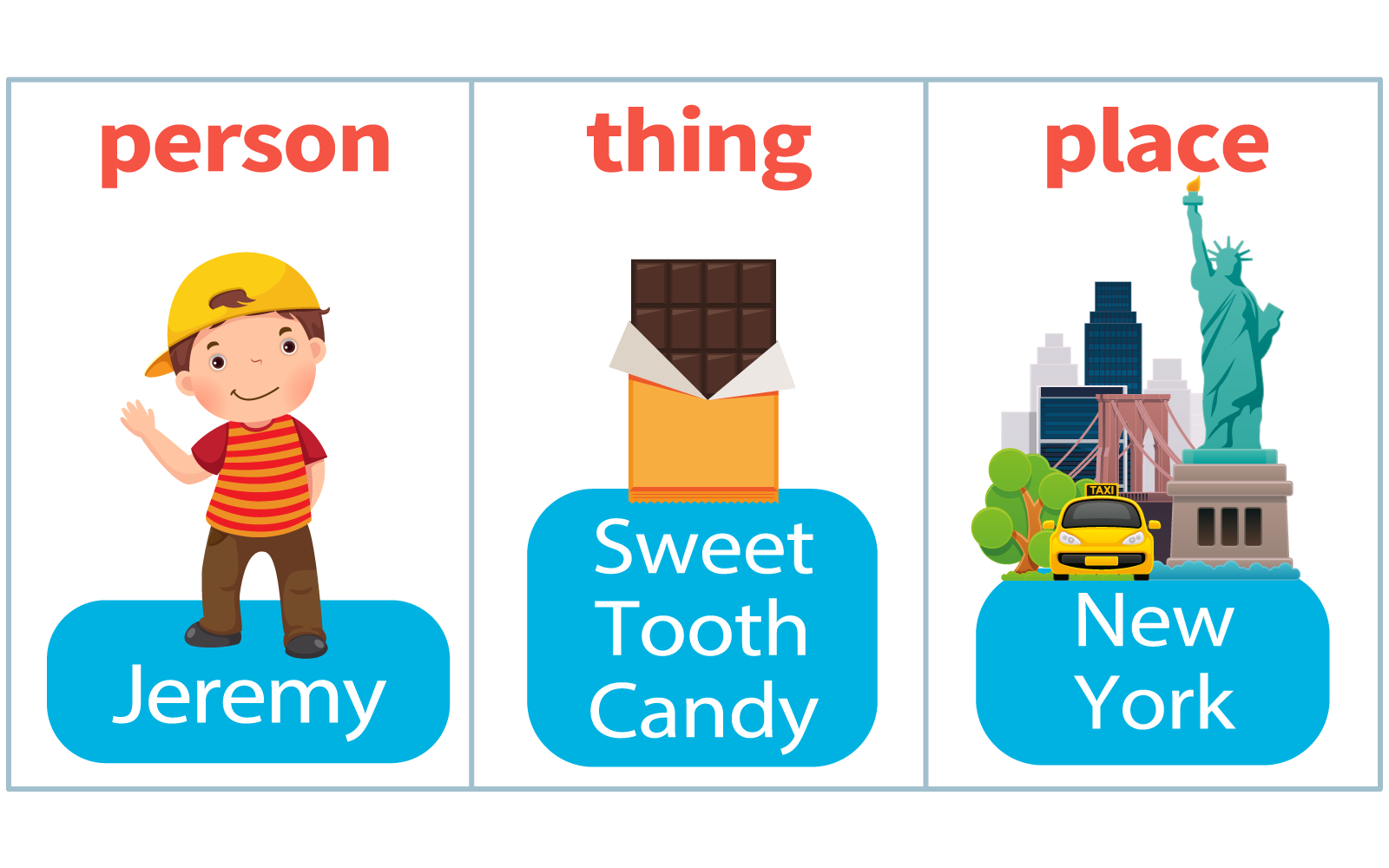
Improving vocabulary and writing skills in children ages 4-8 is pivotal for several reasons. During these formative years, children are in a critical window for language development. By cultivating a rich vocabulary, we not only enhance their ability to express themselves but also lay a solid foundation for future academic success. A robust vocabulary supports reading comprehension; children who understand the words they read are more likely to enjoy and engage with stories, fostering a lifelong love of reading.
Additionally, improved writing skills enable young learners to communicate their thoughts and ideas more clearly and effectively. This boosts their confidence and helps them succeed across various subjects, from science to social studies. It encourages critical thinking and creativity, as children learn to form and organize their thoughts in writing.
Parents and teachers play crucial roles in providing diverse and rich language experiences. Reading aloud, engaging in conversations, and providing opportunities for writing practice all contribute to vocabulary growth. For teachers, incorporating vocabulary activities into everyday lessons can make learning more dynamic and integrative. For parents, creating a language-rich environment at home can strengthen the classroom learning experience. Investing time and effort in enhancing vocabulary and writing skills at this age sets children on a positive trajectory toward advanced literacy and academics in the future.








